
Khar and Tenga
The two poles of Assamese cooking. The alkaline khar and the sour tenga are the flavours that frame a meal.
Assamese cuisine sits between two poles. One is khar, the alkaline preparation. The other is tenga, the light sour curry. Neither khar nor tenga is a single dish. Each is a method, applied to whatever vegetable, fruit or meat is in season. Together, khar and tenga cover a huge range of everyday Assamese cooking. A full Assamese meal runs from one pole to the other, opening with khar and closing on tenga. Older custom kept the two apart entirely, never served in the same meal. That rule has relaxed in most kitchens today, but the same logic still shapes how an Assamese household actually eats.
Khar, the alkaline dish
Khar gives Assamese cooking its name as much as its character. Assamese people are called khar-khowa, khar-eaters, a nickname that began as a mark of the common people, who used khar in place of costly salt. Kola khar is the foundation, an alkaline filtrate whose name comes from kol, the local word for the banana. The best khar comes from the bhim kol, also called athiya kol, the stout homestead plantain. Unlike a market banana, the bhim kol is packed with hard seeds the size of peppercorns. It is eaten as a fruit too, but its real value in the kitchen is the peel. The cook sun-dries that peel in batches, burns it down to a pale ash, then passes water slowly through the ash. The liquid that drips out is the khar itself.
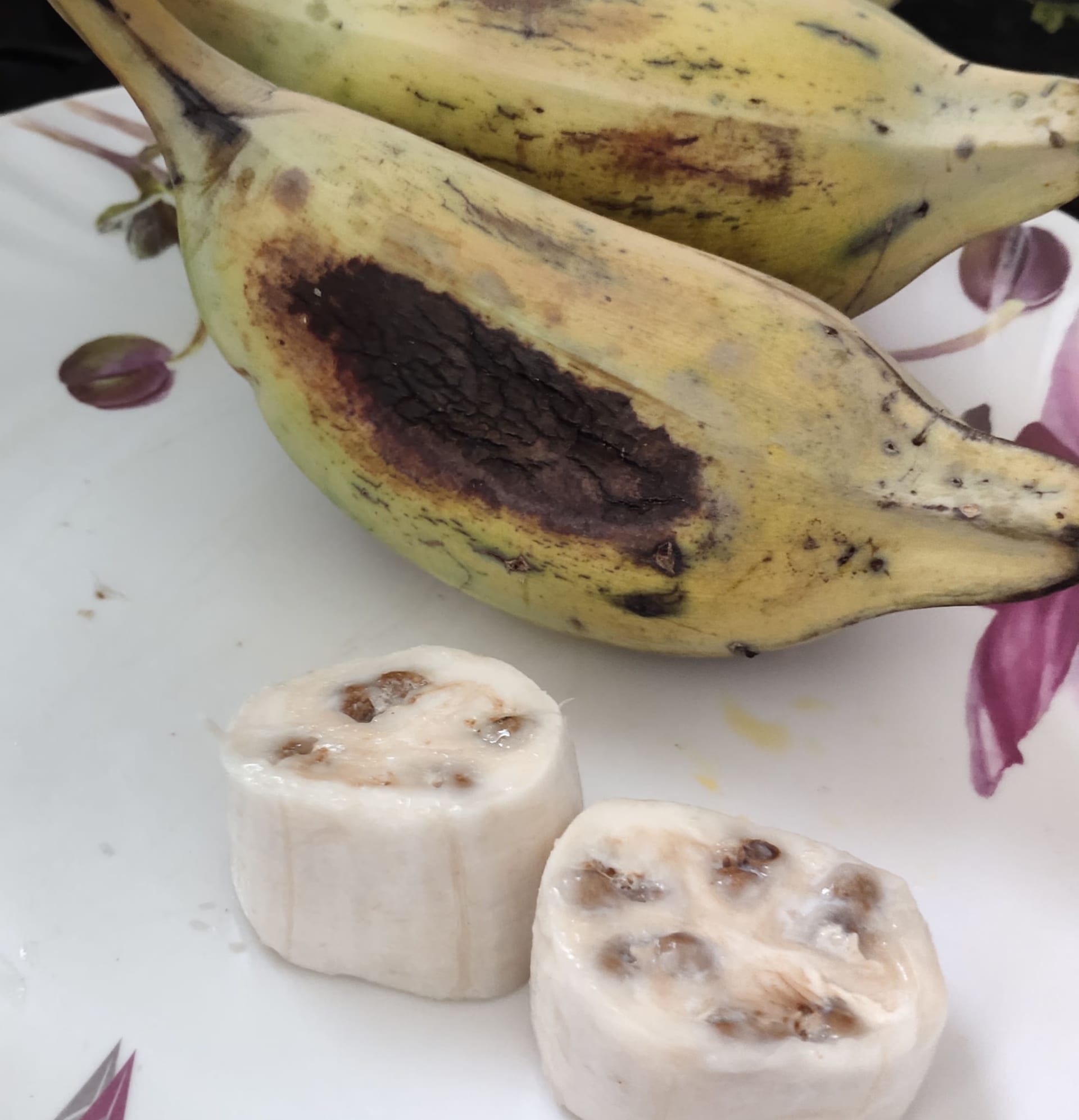
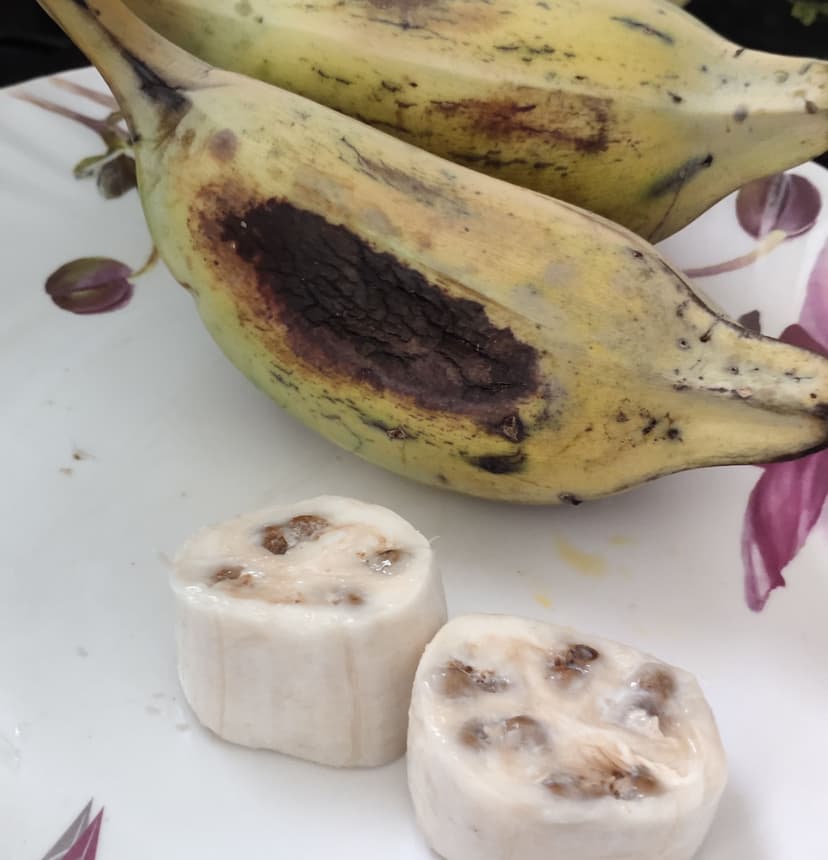
Khar is not a dish on its own. It is the agent that makes one, and the same alkaline base becomes a whole family of dishes depending on what goes into the pot. Masor khar, cooked with the fish head, is the classic and traditionally the meal's opening course. Aloo khar sets potato to simmer in the khar until it turns soft and faintly bitter. Bilahi khar does the same with tomato, whose tang plays against the alkalinity. Matikor khar takes fenugreek greens, their bitterness rounded out rather than sharpened by the khar. Mankho khar, made with meat, is the heartiest of the family. Khar always comes first in a meal, whichever ingredient carries it. Khar is thought to open the appetite, cleanse the palate and ease the digestion of the courses that follow.
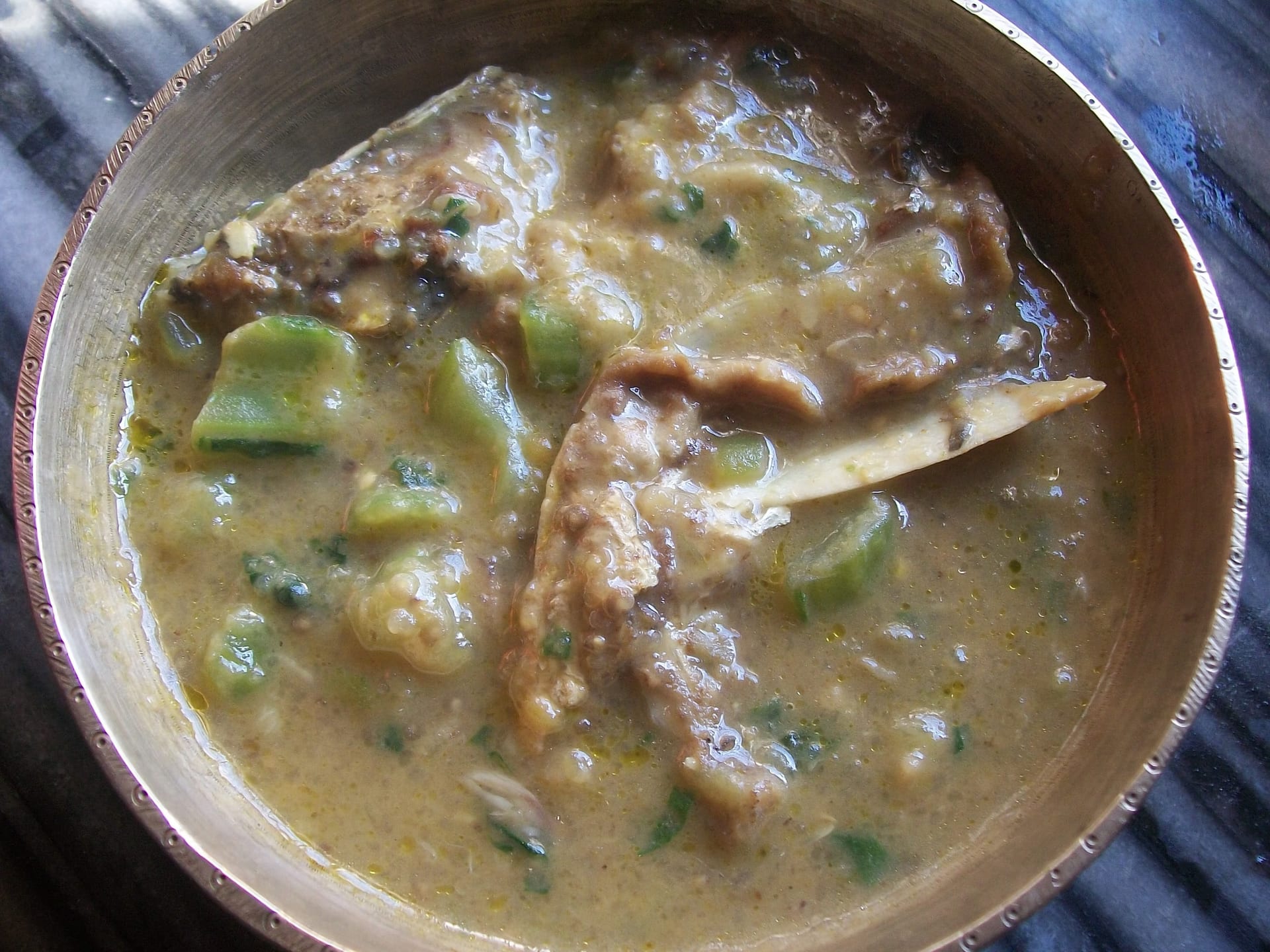
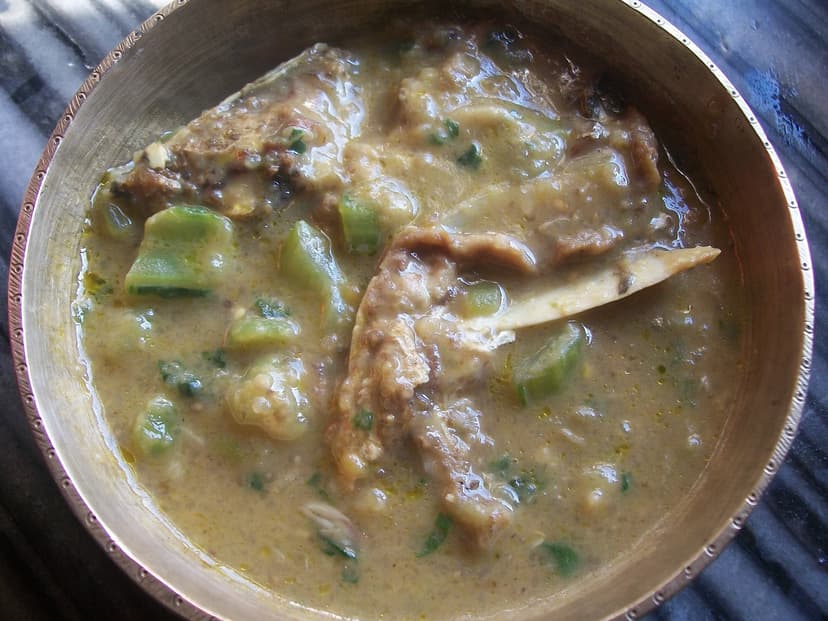
The alkaline family runs wider still. The pungent kharoli is fermented mashed mustard, sharpened with a little khar and a few drops of raw mustard oil. The bitter xukoti, also written xôkôta, cooks khar together with dry jute leaf and urad bean, one of the more austere tastes in the kitchen. In the villages khar is a store-cupboard staple, kept ready in a bottle through the year. Where the banana-ash filtrate is not to hand, the modern town kitchen falls back on ordinary cooking soda instead, though every cook agrees the taste is not the same. B.K. Barua (source: A Cultural History of Assam) recorded this everyday khar cookery among the customs of the Assamese, a food that carries a whole identity in a single filtered spoonful.
Tenga, the sour curry
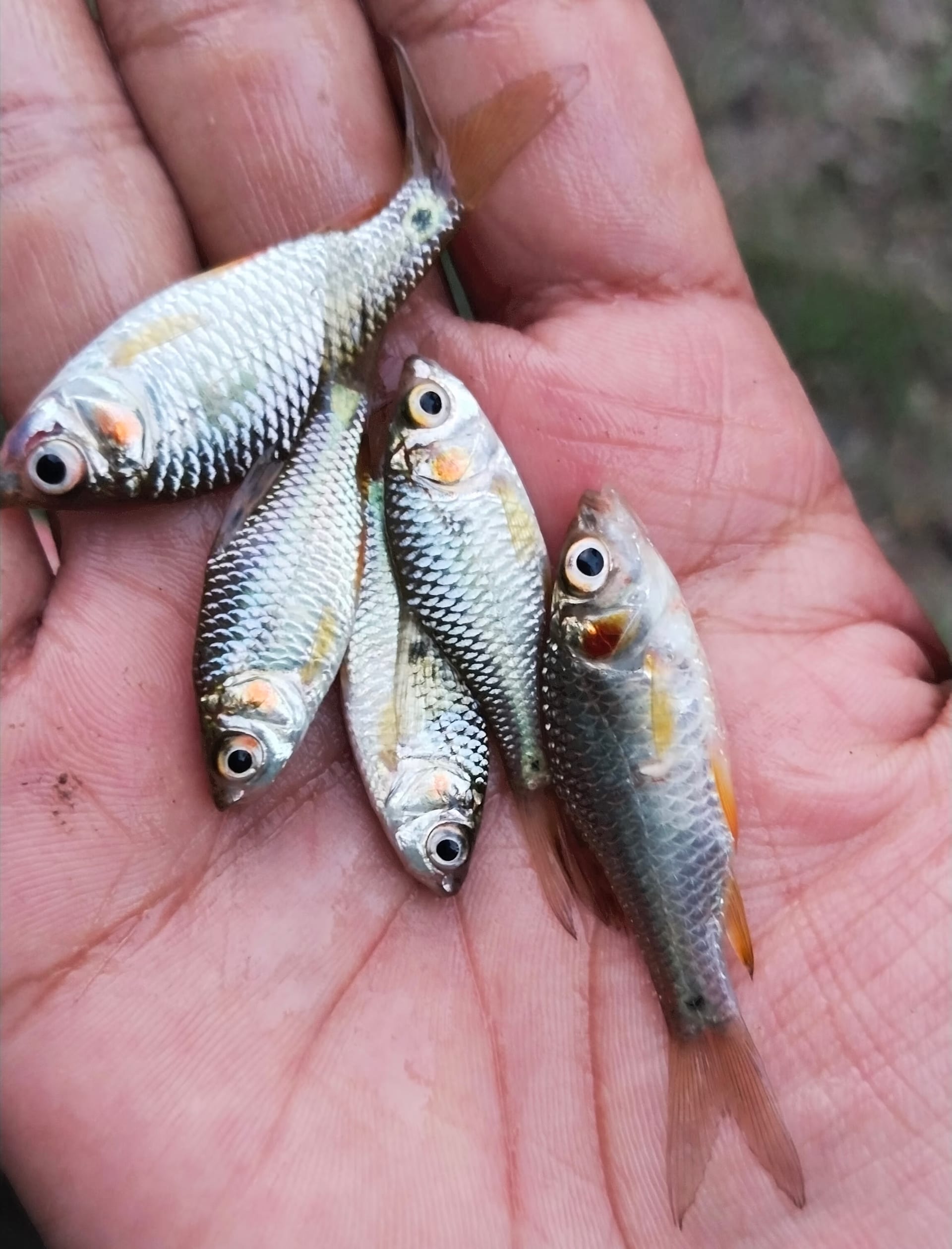
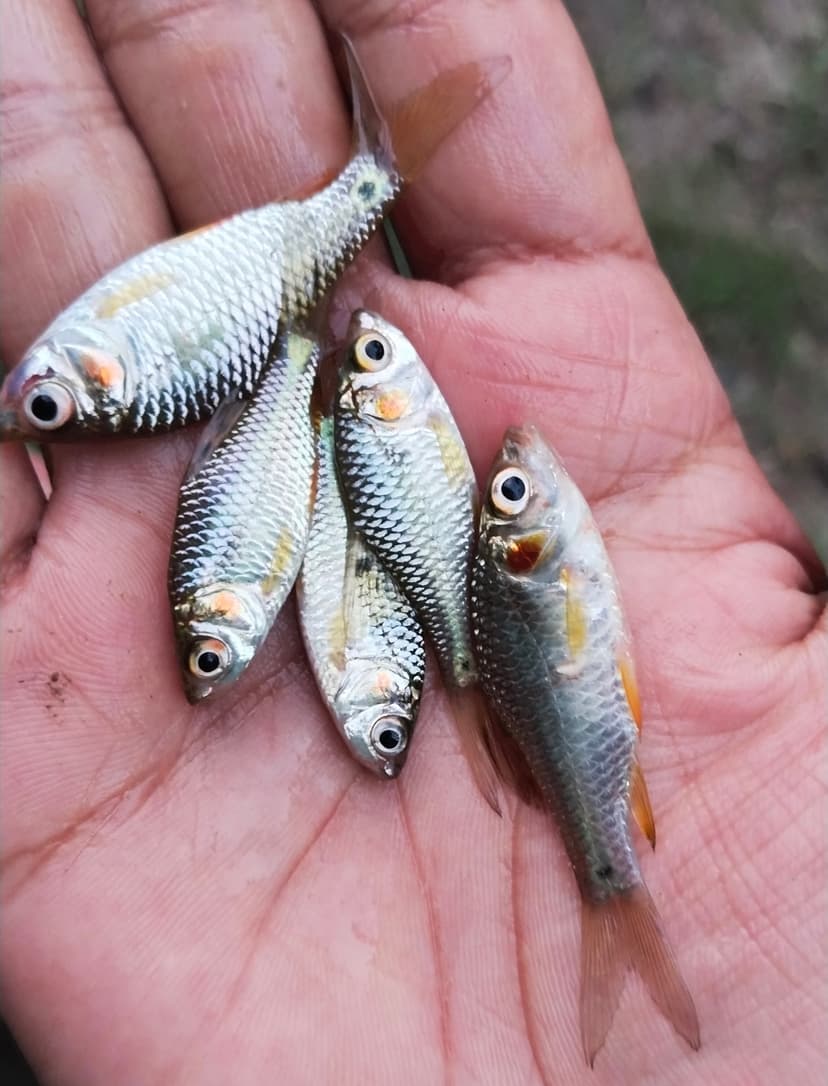
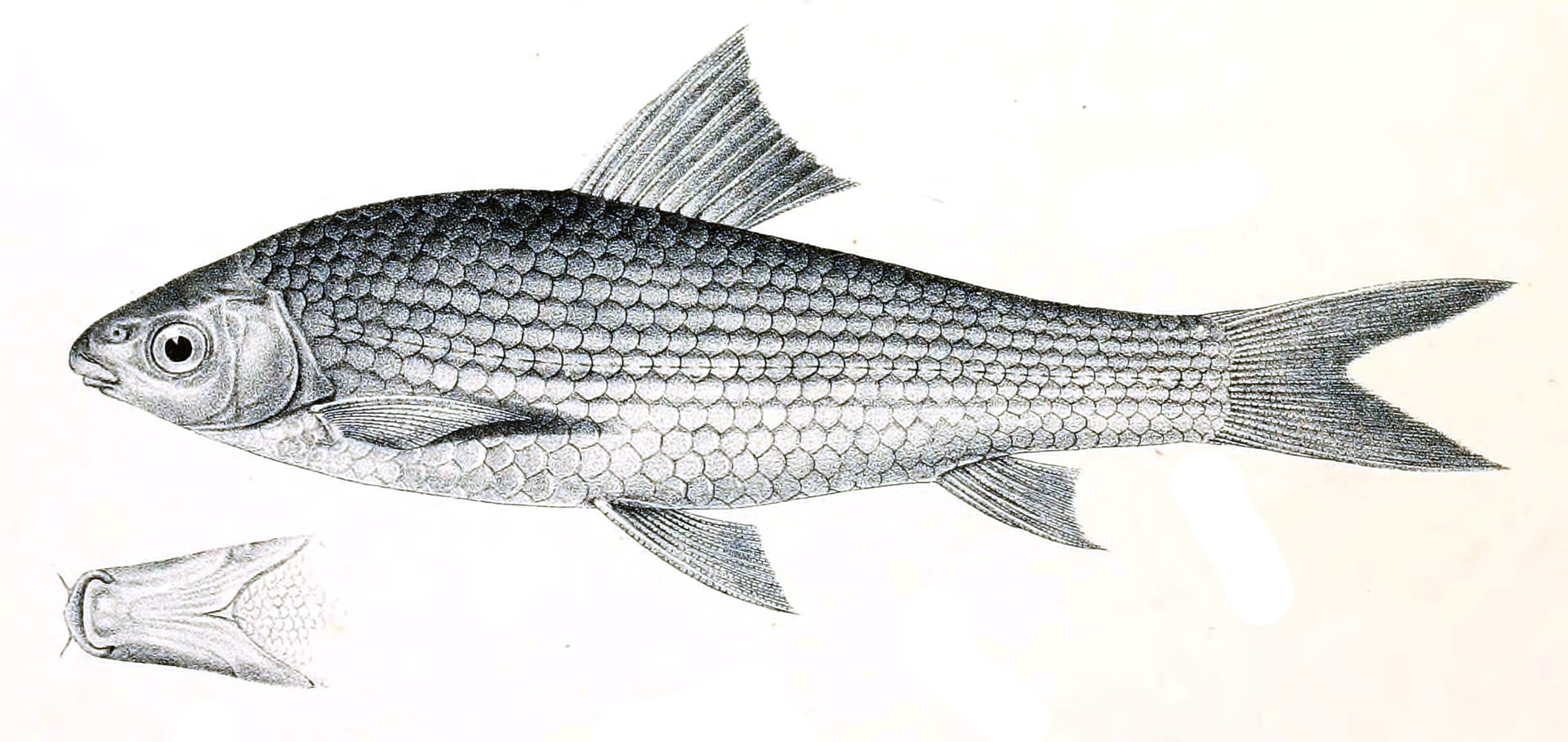
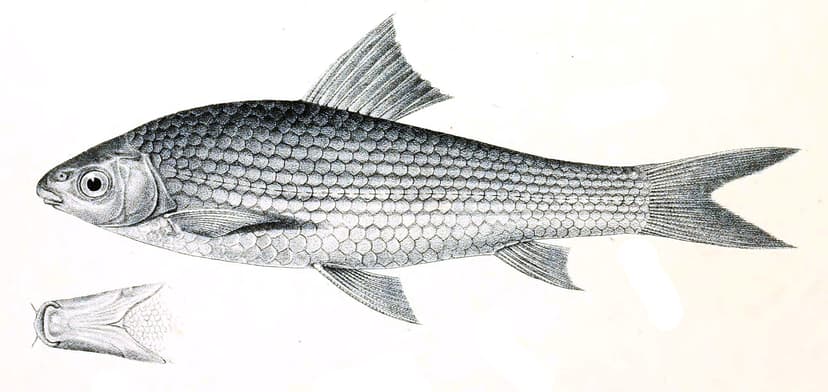
At the far pole stands tenga, the light and tangy curry that closes the meal. Tenga's most celebrated form is masor tenga, the sour fish curry that has become a signature of the entire cuisine. The rohu and the bhokua are both common choices for masor tenga, and small river fish go into it just as often. Puthi, the little swamp barb, and bhangon, a small carp of the same rivers, are both prized for the sweetness they bring to a thin broth. Whatever the fish, masor tenga is cooked thin and clean, with almost no oil and no heavy spice, and everything turns on the source of the sourness.
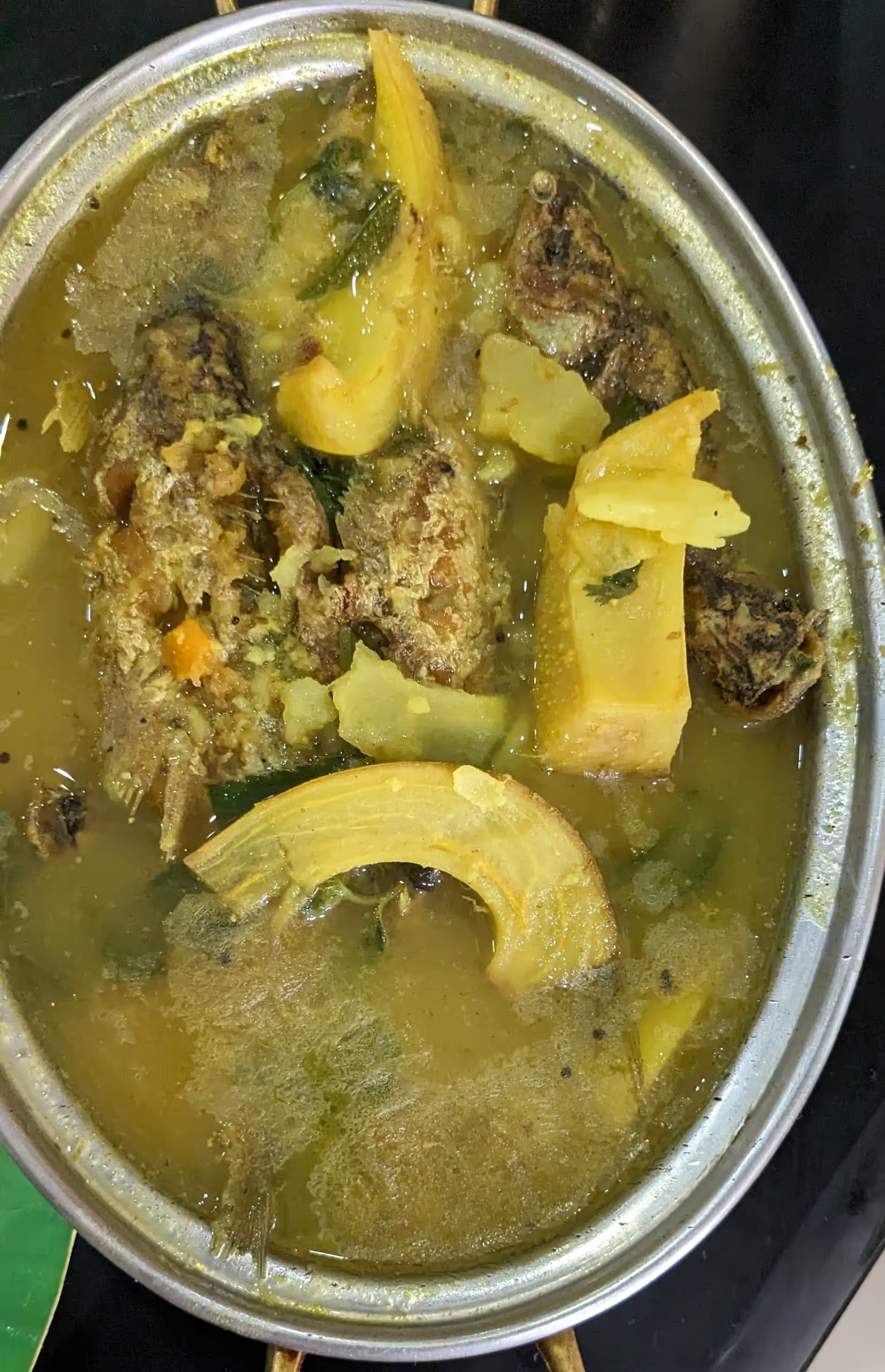
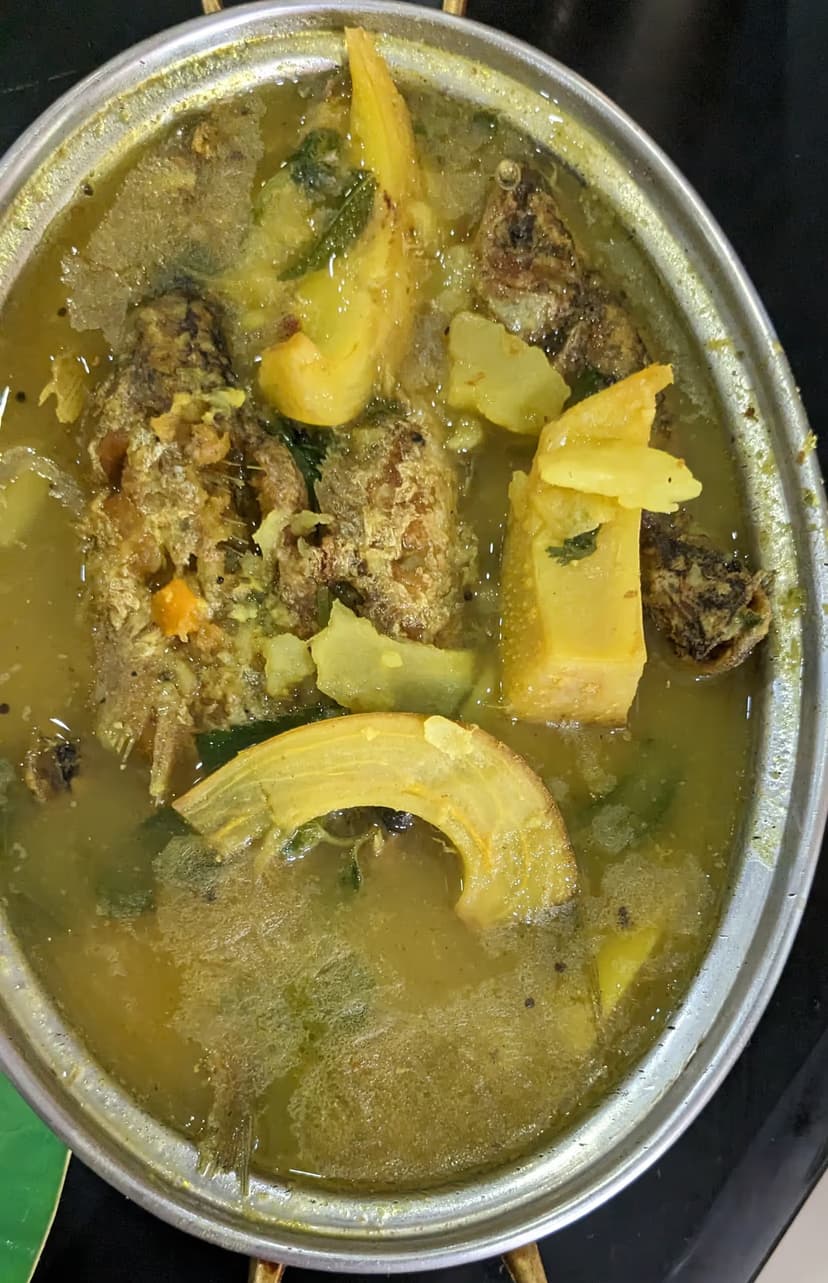
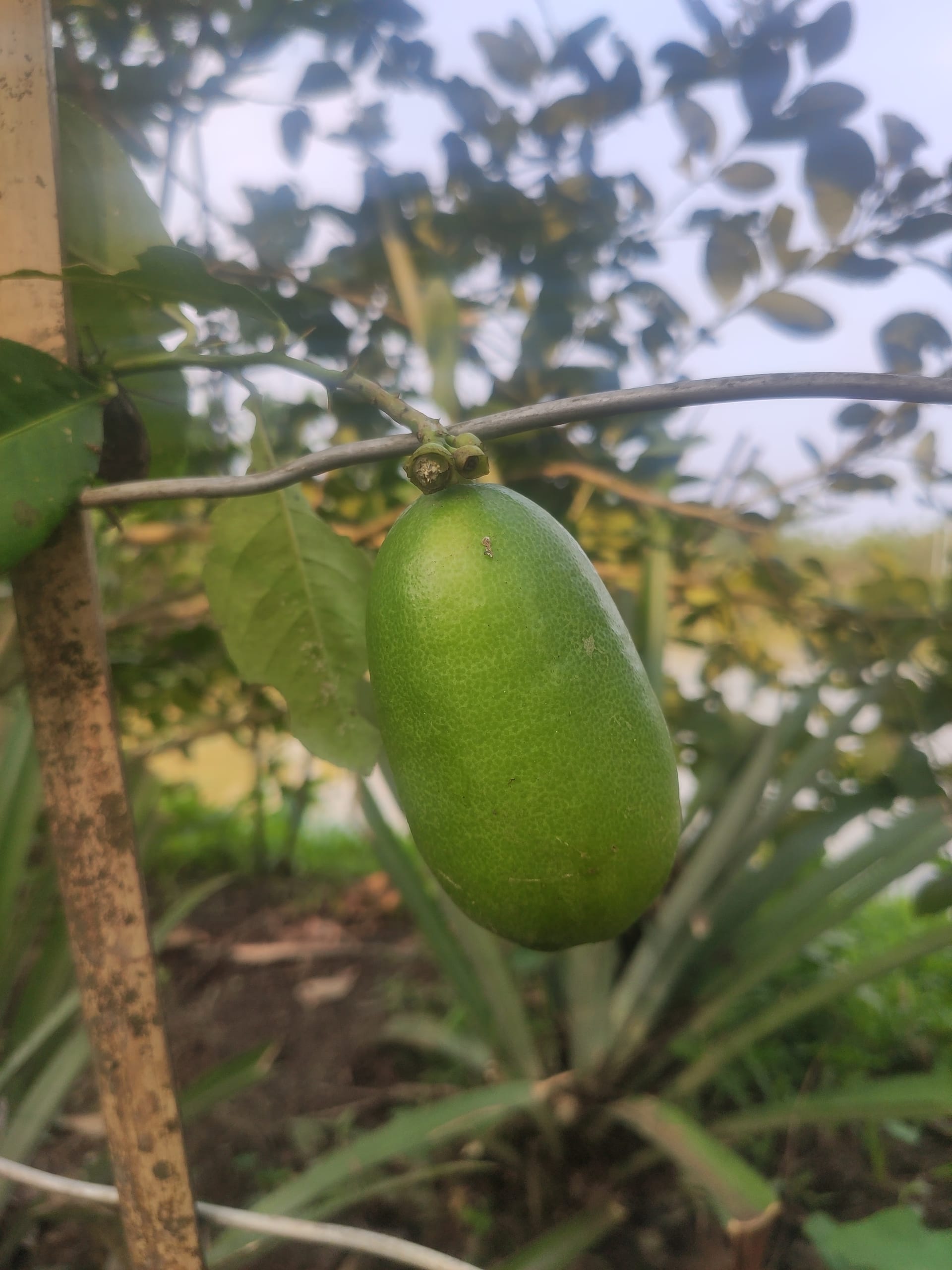
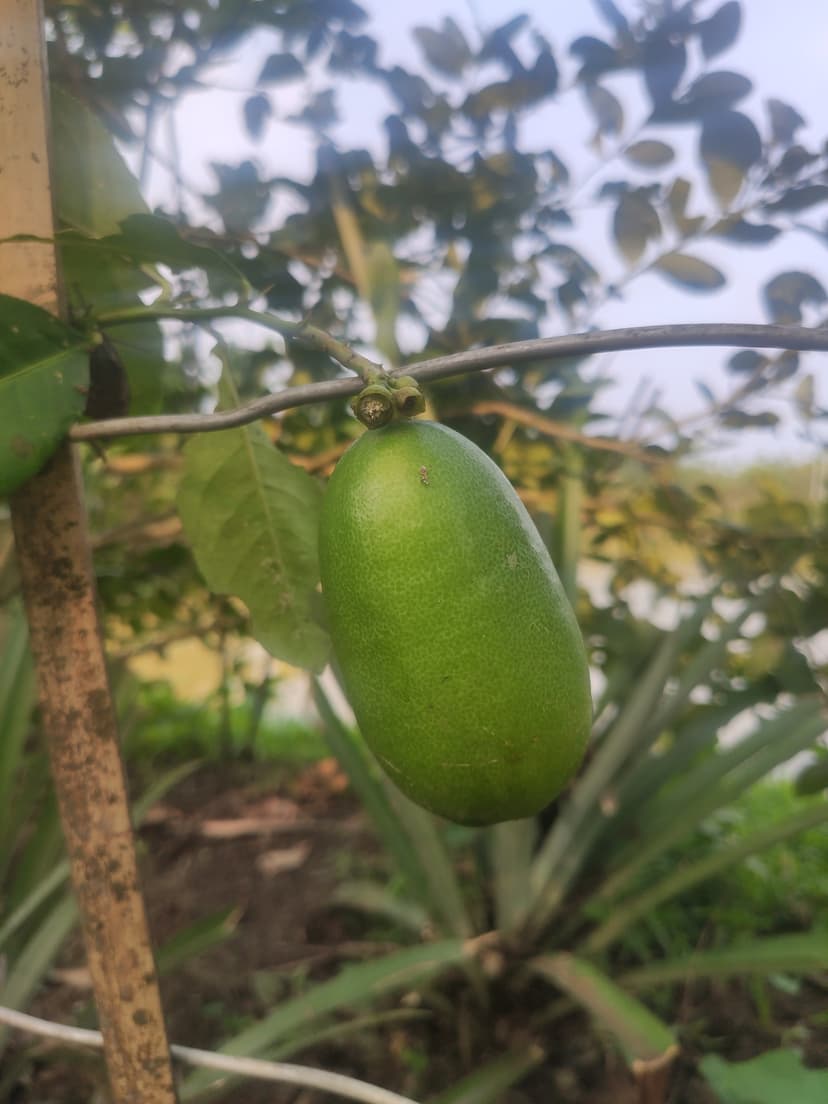
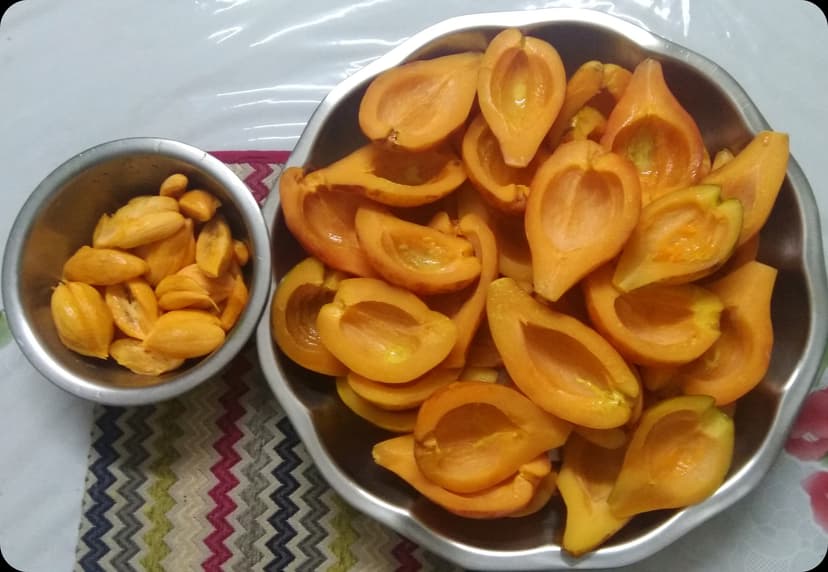
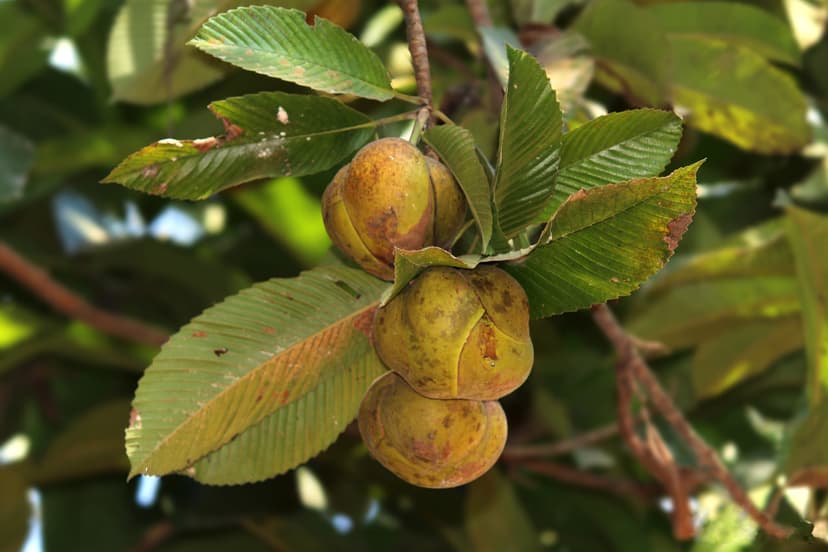
The sourness may come from the tomato, now the most common choice, or from the juice of the kaji nemu, the fat, rough-skinned lemon grown only in Assam and now the state's official fruit. It may come from the dried mangosteen-rind thekera, sun-dried and stored for the year, or from tamarind, or the starfruit kordoi. Above all it may come from the elephant-apple, the ou-tenga, whose hard fragrant segments give the most prized sour curry of the season.
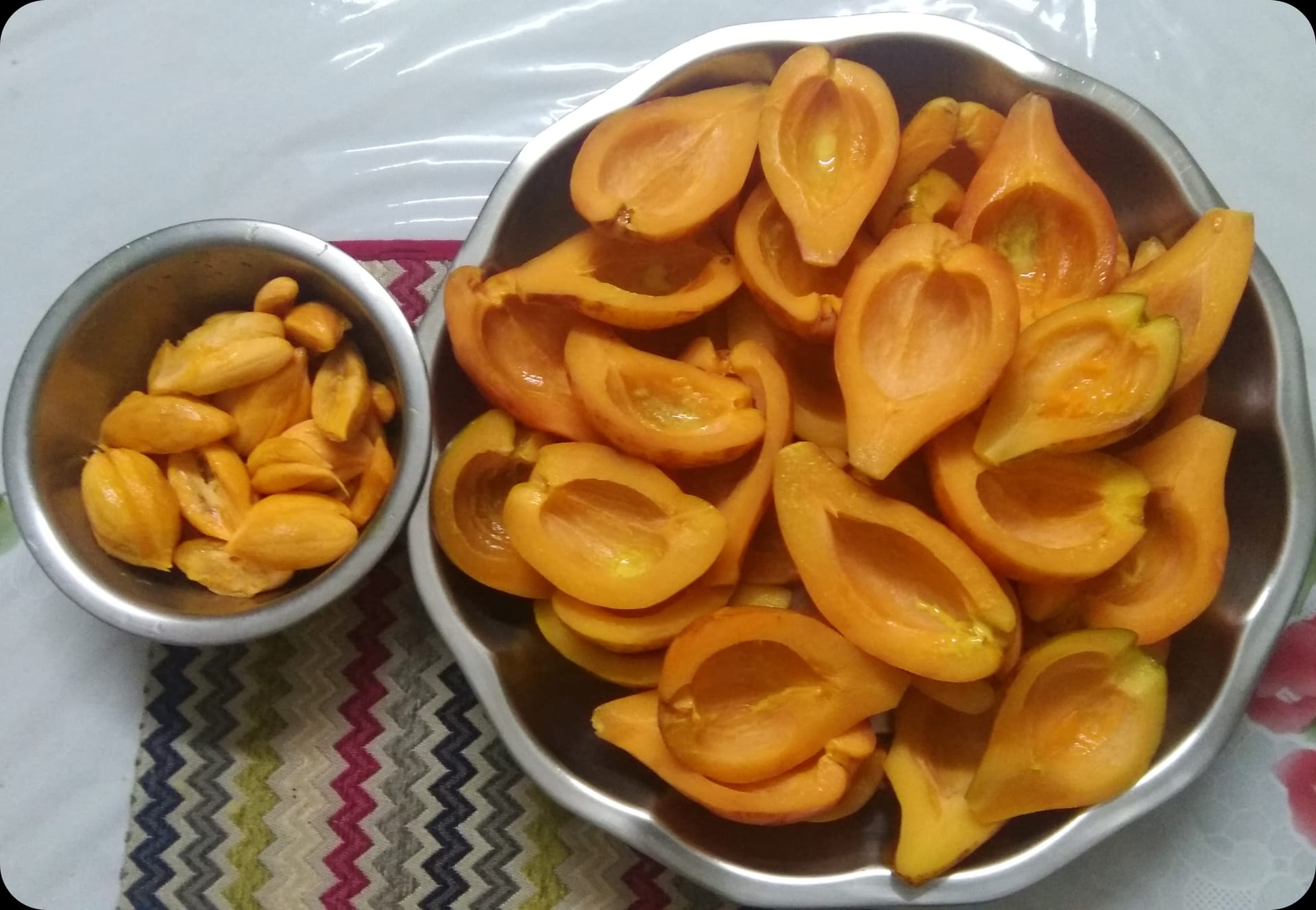
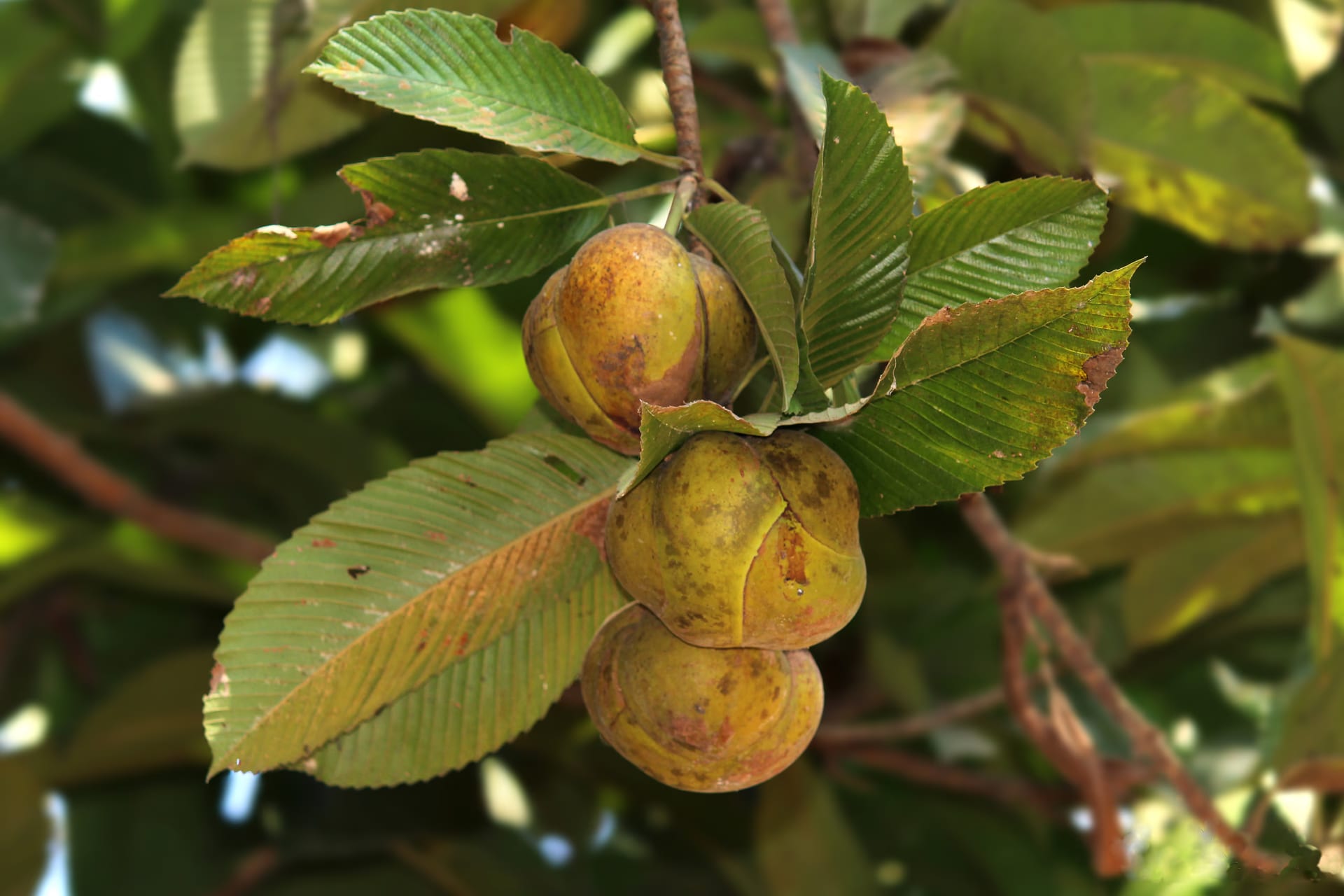
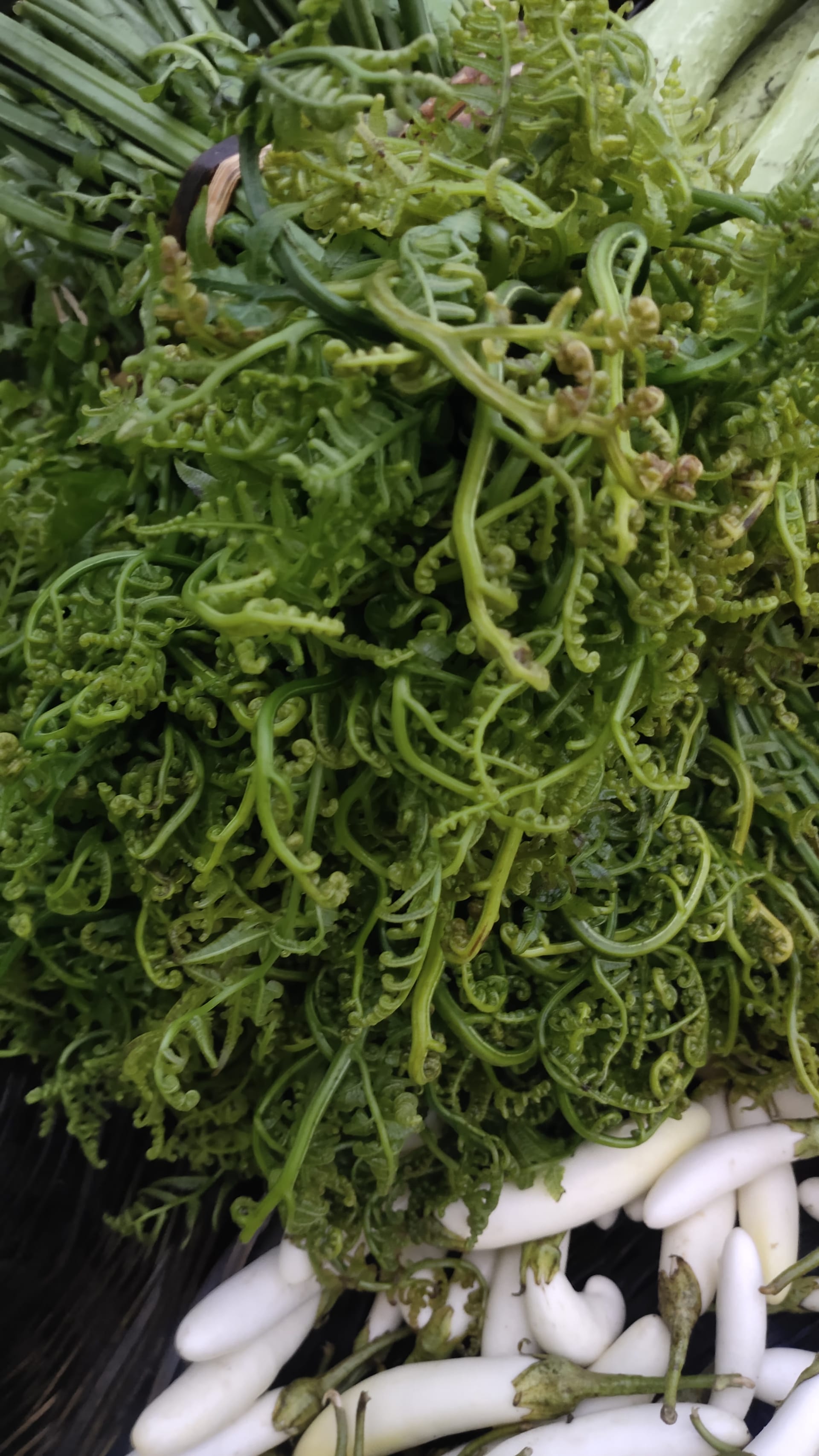
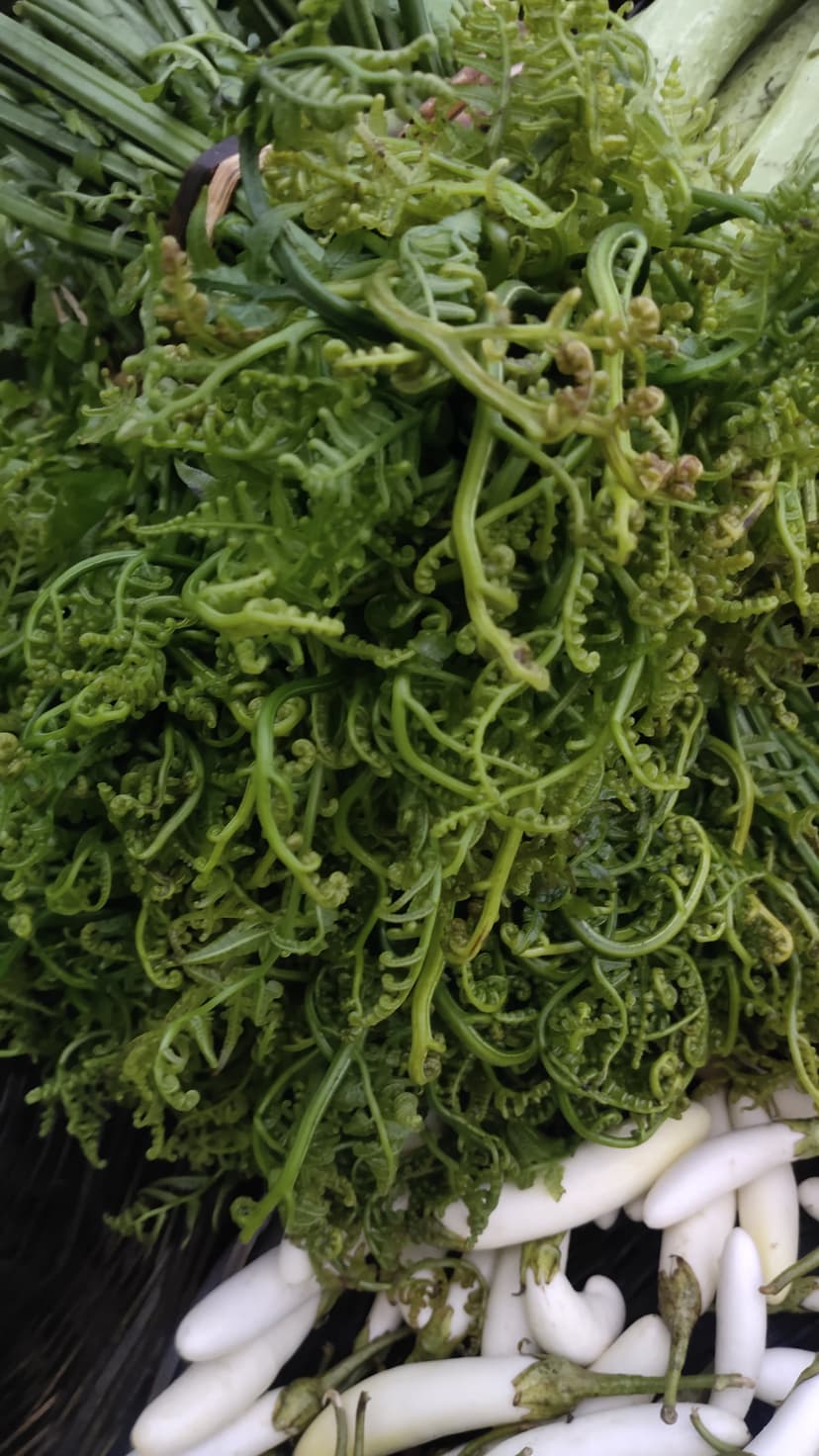
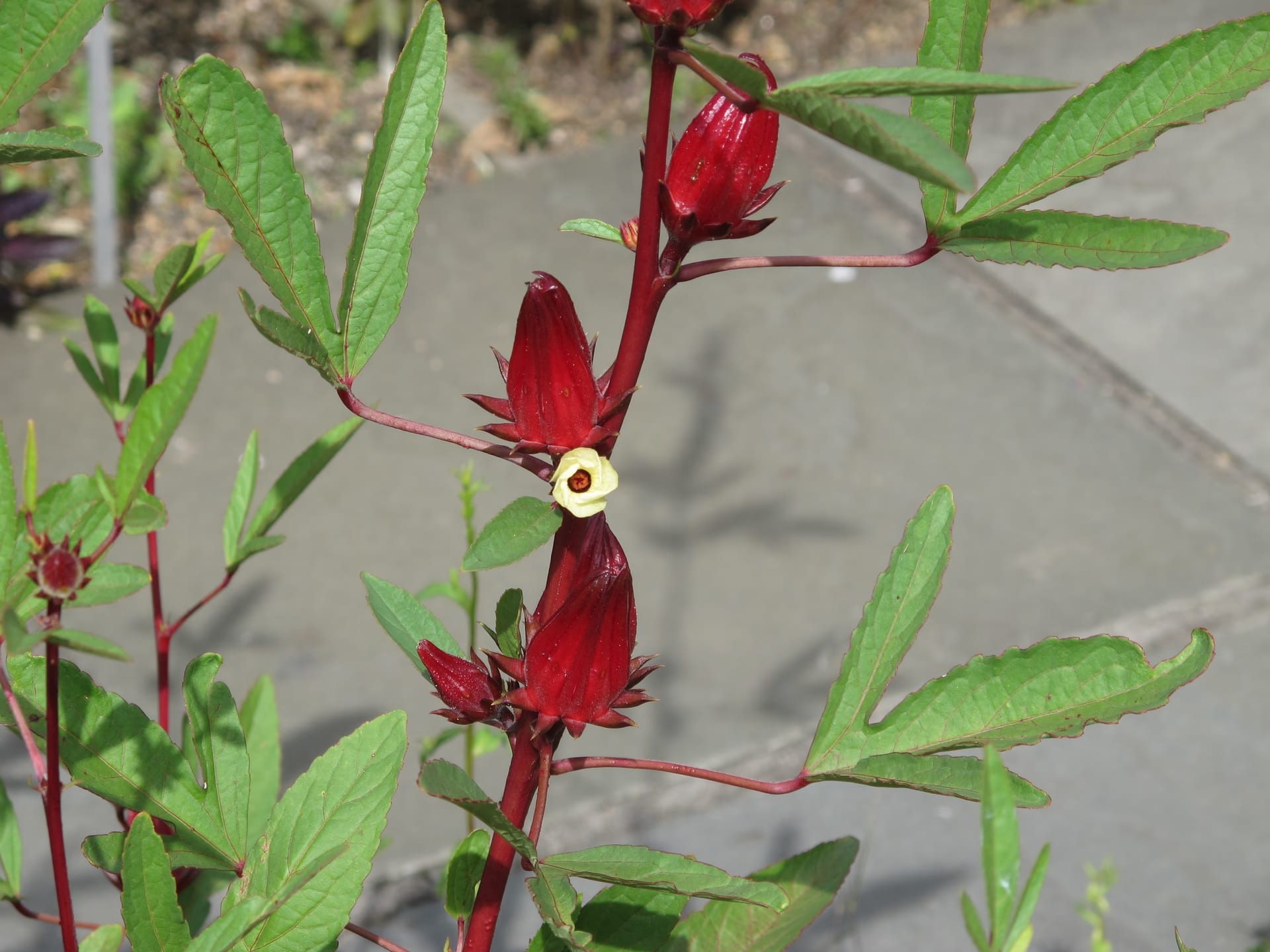
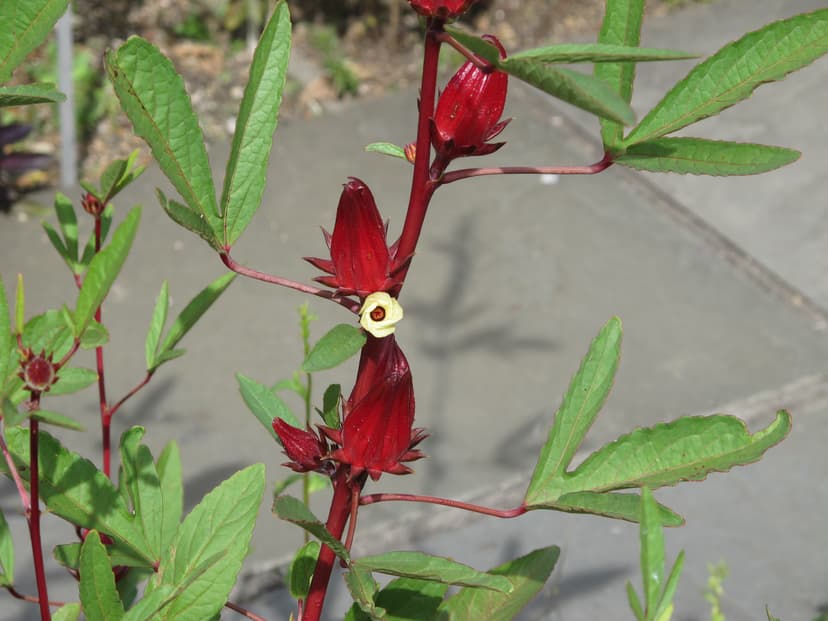
Tenga is not only a fish dish. Whole vegetarian versions exist too, built around a green in place of the fish. Dhekia, the fiddlehead fern, is among the best loved, cooked into a tenga with tomato or raw mango. Tengesi, a wild creeping wood sorrel, and tengamora, the leaf of the roselle plant, are gathered for a sourness of their own, needing no added souring agent at all. Beyond these, Assamese cooks draw on dozens of other wild and cultivated greens sour enough to build a tenga around. Masor tenga, the fish version, is simply the best known member of a much larger family.
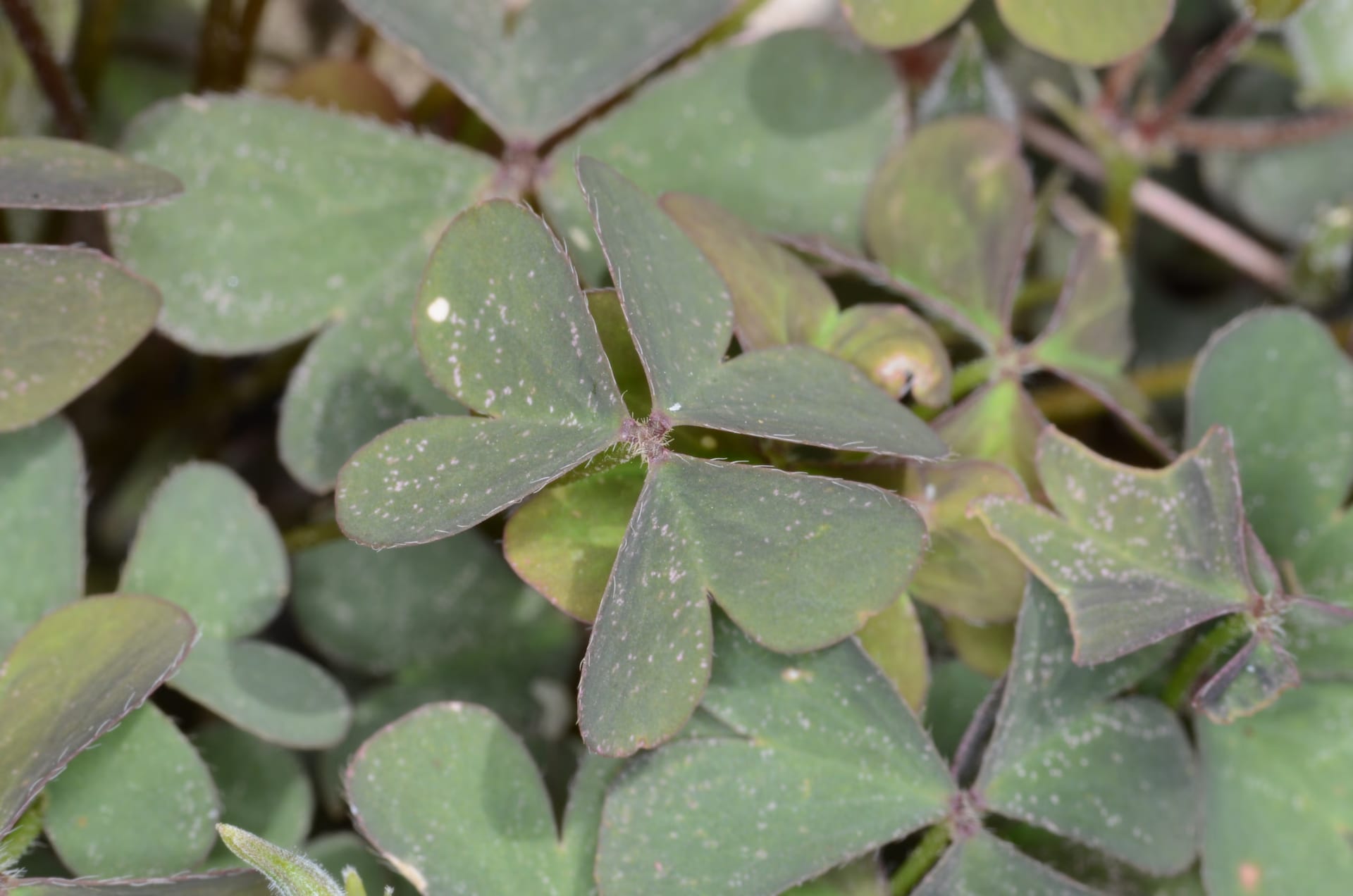
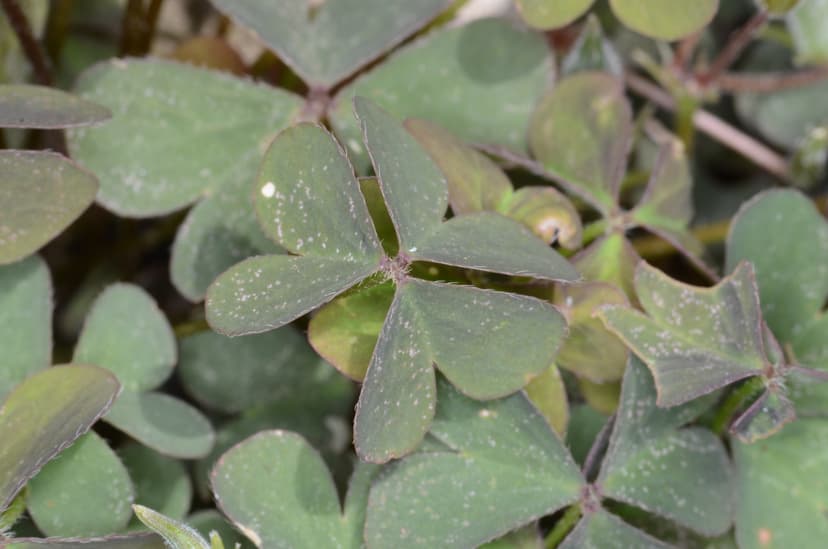
Fish and greens are only the most common carriers. Hanhor tenga cooks duck in the same sour broth, usually soured with ou-tenga, a heavier curry for a heavier meat. Whatever goes into the pot, the method stays the same: a thin broth, minimal spice, and one clear souring agent doing most of the work. Tenga is cooling and astringent, the staple of the warm months. It is eaten with the fermented cold rice poita bhat to carry a household through the heat. Tenga is the deliberate counterpoint to khar at the other end of the meal.
Why the two poles matter
Khar and tenga are not incidental seasonings. Together they are the backbone of a plains diet built on rice and freshwater fish, cooked with very little oil. Assamese cooking skips the fried spice base, the bhuna, that anchors so much of Indian cooking. A cook picks one clean ingredient, khar's ash or a single souring fruit, and lets that ingredient carry the whole dish rather than a blend of spices. The result is food that tastes like the river and the field it comes from, not a spice box. Khar and tenga explain more about how Assamese people actually cook and eat, day to day, than any single festival dish could.