Somewhere in the tenth or eleventh century, in the kingdom of Kamarupa, a text was composed that would fix forever how the eastern valley imagined its great water. The Kalika Purana is the region’s own scripture, written by authors who knew the goddess’s hill at Kamakhya and the river that swept beneath it, and it did for that river what no survey or map would do for centuries: it explained it. Not its course or its floods, but the harder question underneath, the one every child of the valley eventually asks. Where does something so vast come from? The answer the Purana gave was a family scandal among the gods, a lake locked in the mountains, and an axe that had killed a mother. Almost a thousand years later, the answer still draws tens of thousands of people to the far eastern edge of the Assamese world every January.
A sage’s wife and the creator
The story begins in a hermitage among the eastern mountains, where the sage Shantanu lived with his wife Amogha, a woman of such beauty and virtue that her fame reached heaven. It was Brahma, the creator himself, who came down to her, arriving while the sage was away and taking, in the versions most often retold, her husband’s own form. What was conceived of that visitation was no ordinary child. When Amogha was delivered, she gave birth to water: a son who was a flood, a living mass of water that spread and deepened and could not be held in any cradle. The texts say Shantanu placed the infant among four great peaks, Kailash and Gandhamadana among them, and there the child lay, growing, filling the mountain hollow that would carry his father’s title: Brahmakunda, the pool of Brahma.
A divine son needed a name, and the name held everything. Brahmaputra, the son of Brahma: not a goddess, not a mother, but a male child of the creator, alone of his kind among the great rivers of the subcontinent. The older Sanskrit registers knew him by a second name, the Lauhitya, the red one, and the traditions give the redness more than one source; in some tellings it is the blood-guilt washed into the water by the sinners the lake absolved. That older name survives on the modern map. The Lohit, the easternmost of the three rivers whose meeting at Sadiya begins the Brahmaputra proper, still carries it, and by tradition it carries the pool of Brahmakunda at its head.
The axe of Parashuram
A lake among four mountains, however divine, is not yet a river, and the tradition gives the release of the water to the most troubled figure in the Sanskrit canon. Parashuram, the sixth avatar of Vishnu, was the son of the sage Jamadagni and his wife Renuka, and when his father, in a fury of suspicion, commanded his sons to kill their mother, Parashuram alone obeyed. He took her head off with his axe. The axe never forgave him. It fused to his hand, the tradition says, and no rite, no penance, no sacred water anywhere in the land could loosen it, so that he wandered the tirthas of the subcontinent carrying the instrument of his sin in a fist he could not open.
What finally freed him was the child of Brahma. When Parashuram reached the mountain lake and bathed in it, the axe dropped from his hand: water born of the creator had absolved even a matricide. And the freed man’s first act was a gift. With the same axe that had killed his mother, Parashuram cut through the rim of the mountain basin and let the imprisoned water out, releasing the son of Brahma to run down into the plains and become the river of a whole civilisation. The gorge where the Lohit leaves the hills is held to be the place of the cutting, and the pool below it bears his name to this day: Parashuram Kund, in the Lohit country of Arunachal Pradesh.
The kund is not a literary relic. Every January, at Makar Sankranti, pilgrims descend to it in their tens of thousands, from Assam and far beyond, to bathe in the coldest water of the year at the spot where the axe fell, on the promise the myth first made: that the water which absolved Parashuram can absolve anyone. Even the land’s convulsions have not broken the habit. The great earthquake of 1950, which rearranged the upper river itself, shattered the rock basin of the kund and buried the old bathing pool, and the pilgrimage simply continued in the changed one. A story set down a thousand years ago still moves more people, bodily, through the mountains each winter than most living institutions ever will.
What the myth was for
It is worth pausing on what the old authors did. Other rivers of India were given goddesses and descent from heaven; the Ganga falls from the sky in one of the most famous images in all of Sanskrit literature. The authors of the Kalika Purana, working at the edge of that world, gave their river something stranger and more intimate: a birth, a father, a childhood in a mountain cradle, a rescuer with a broken past. They turned the largest and most dangerous thing in their landscape into a person of the divine household, someone who could be named, addressed, and reasoned with. A flood is senseless. A son of Brahma is not.
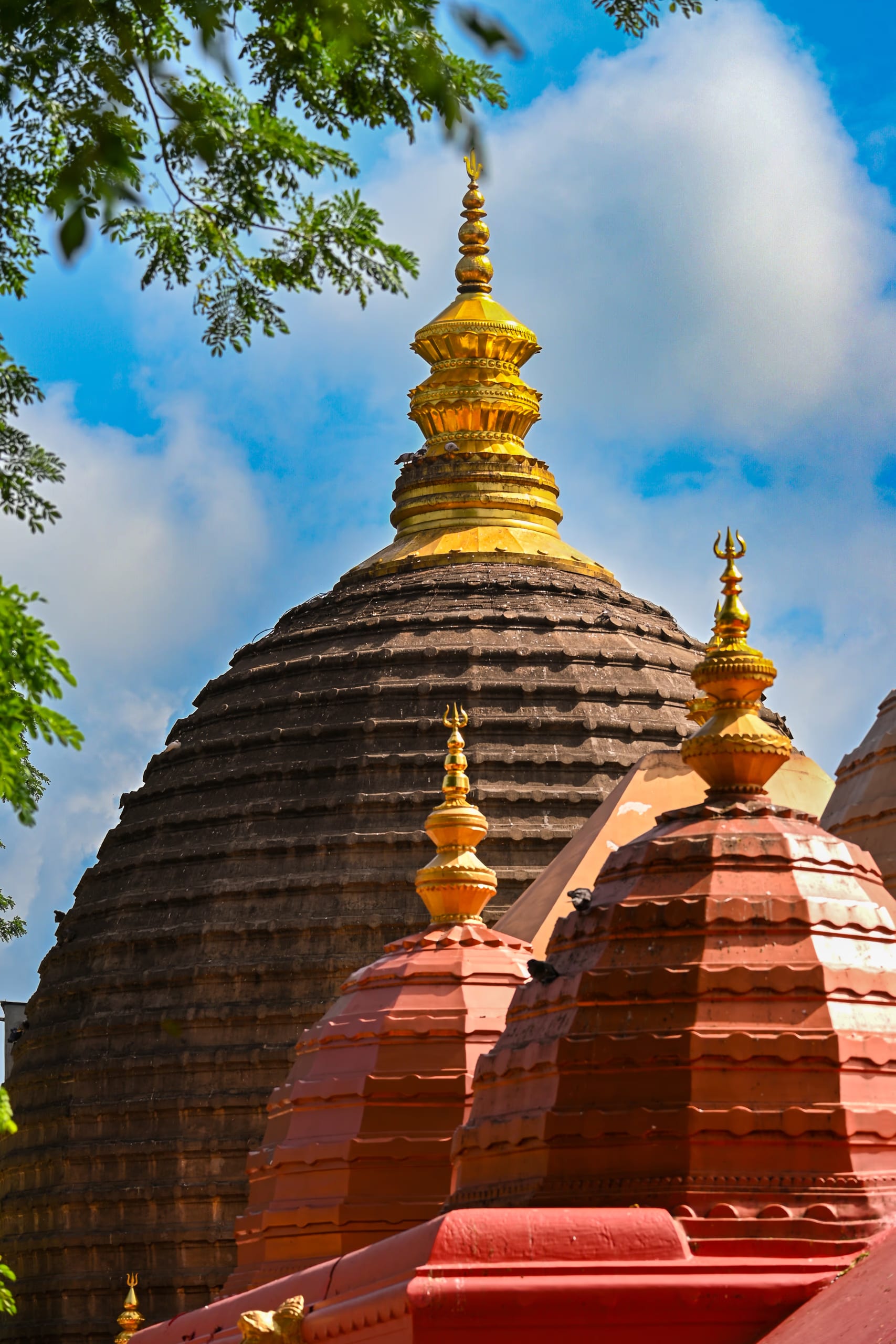
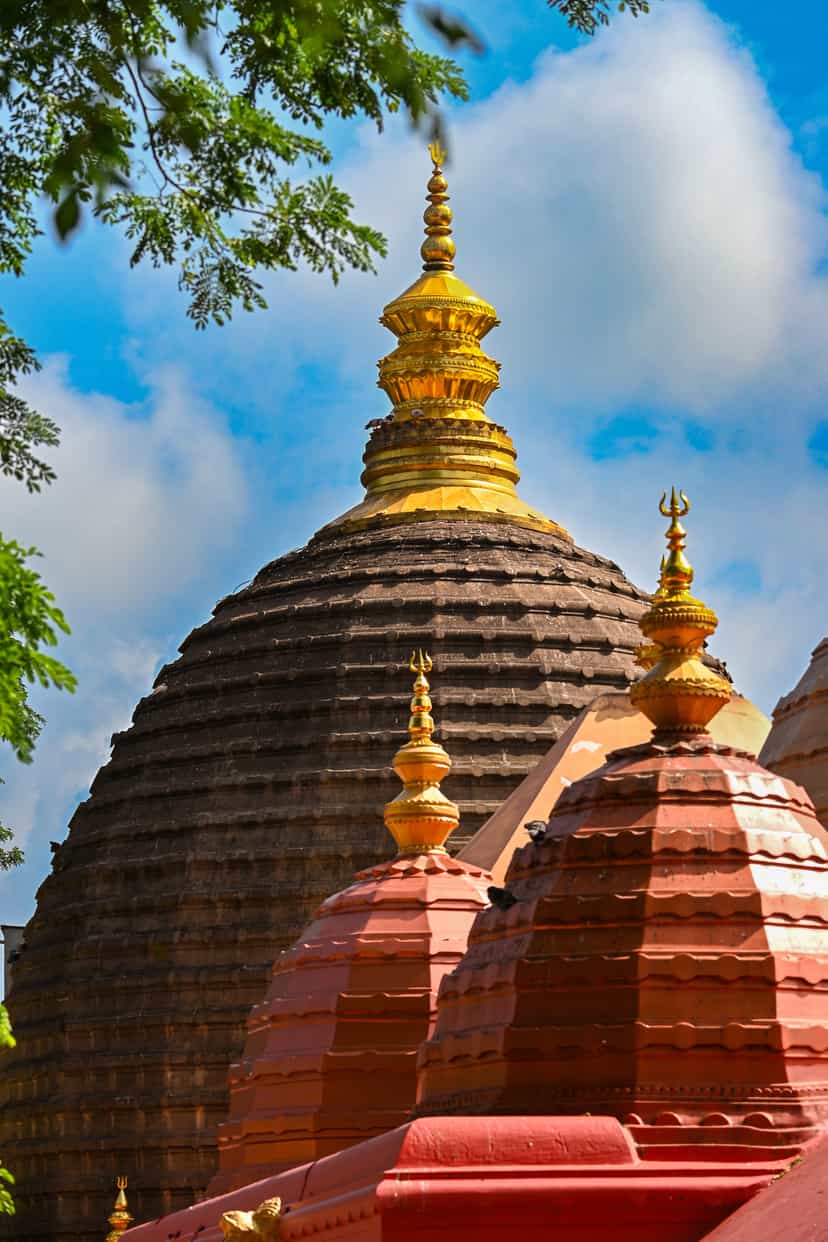
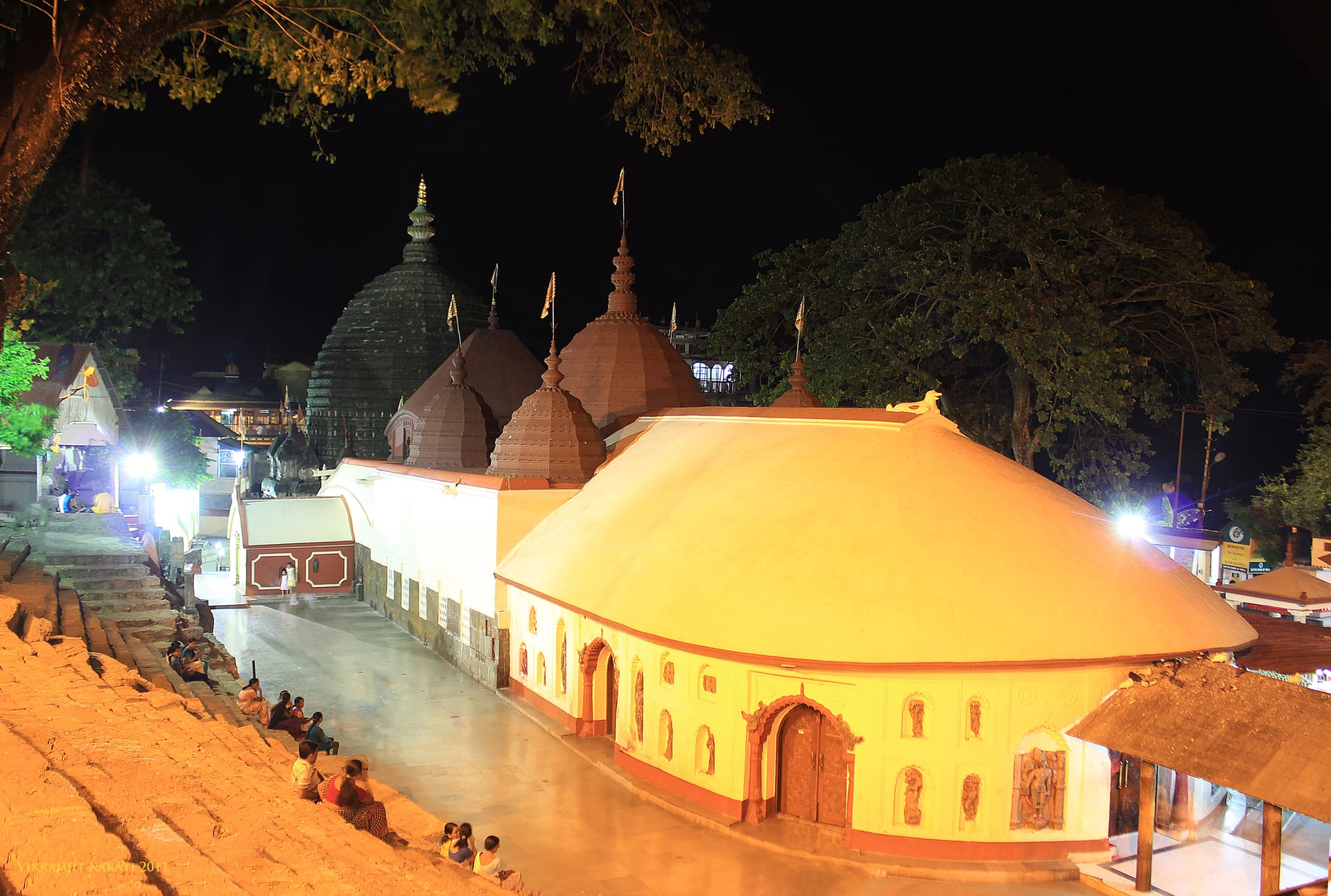
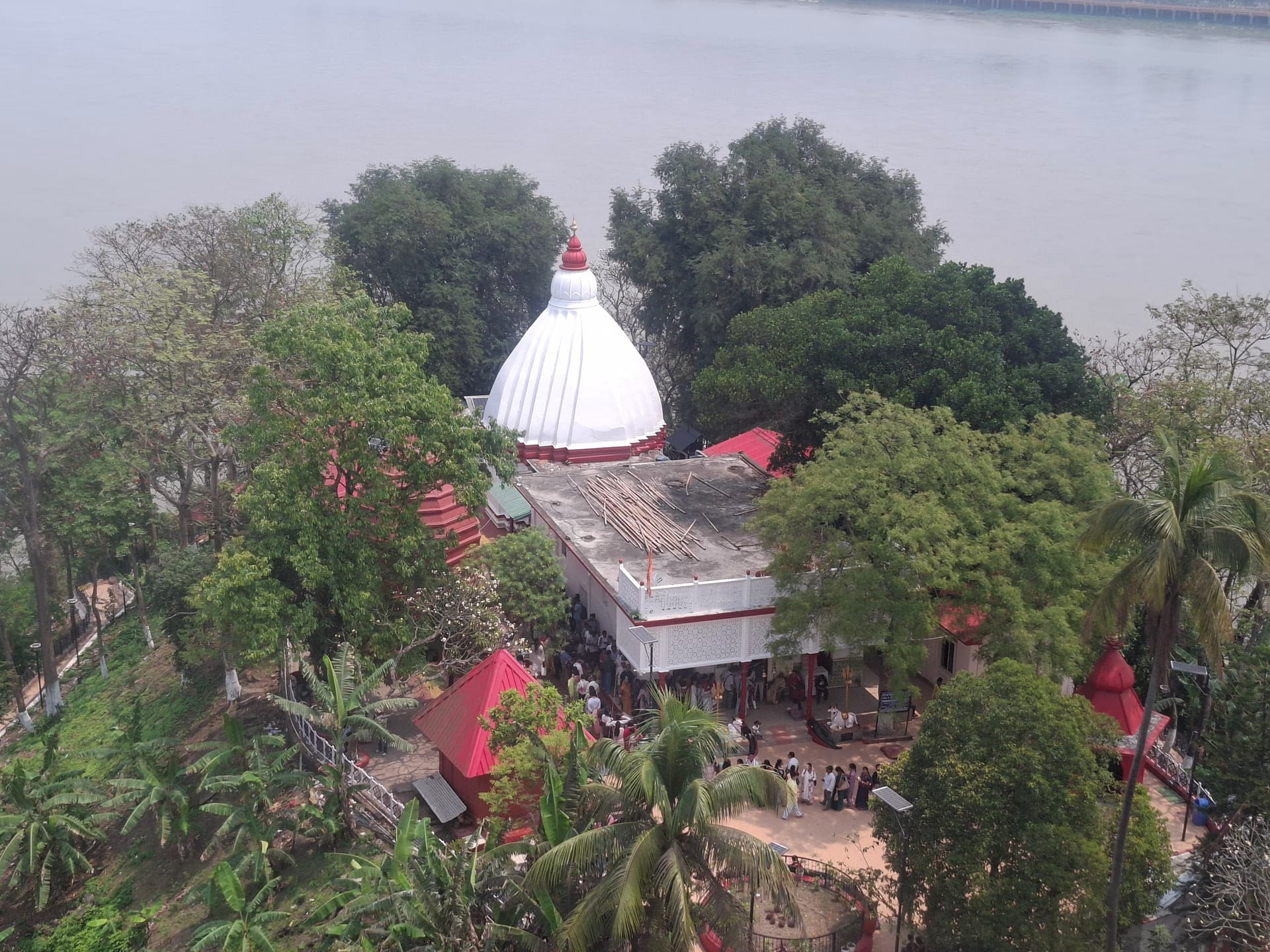
That instinct never left the valley. The scripture’s river-god collected shrines and stories along his whole length, from the pilgrim pools of the east to the goddess’s hill above Guwahati and the little island shrine of Umananda in midstream, and the habit of speaking to the river as a person passed from Sanskrit into Assamese, from priests into boatmen and farmers, and finally into the great modern songs that still address the water directly, reproaching it, pleading with it, praising it. The conversation the Kalika Purana opened has never really closed. The valley has argued with its river for a thousand years, and it began the day a scripture decided the water was somebody’s son.