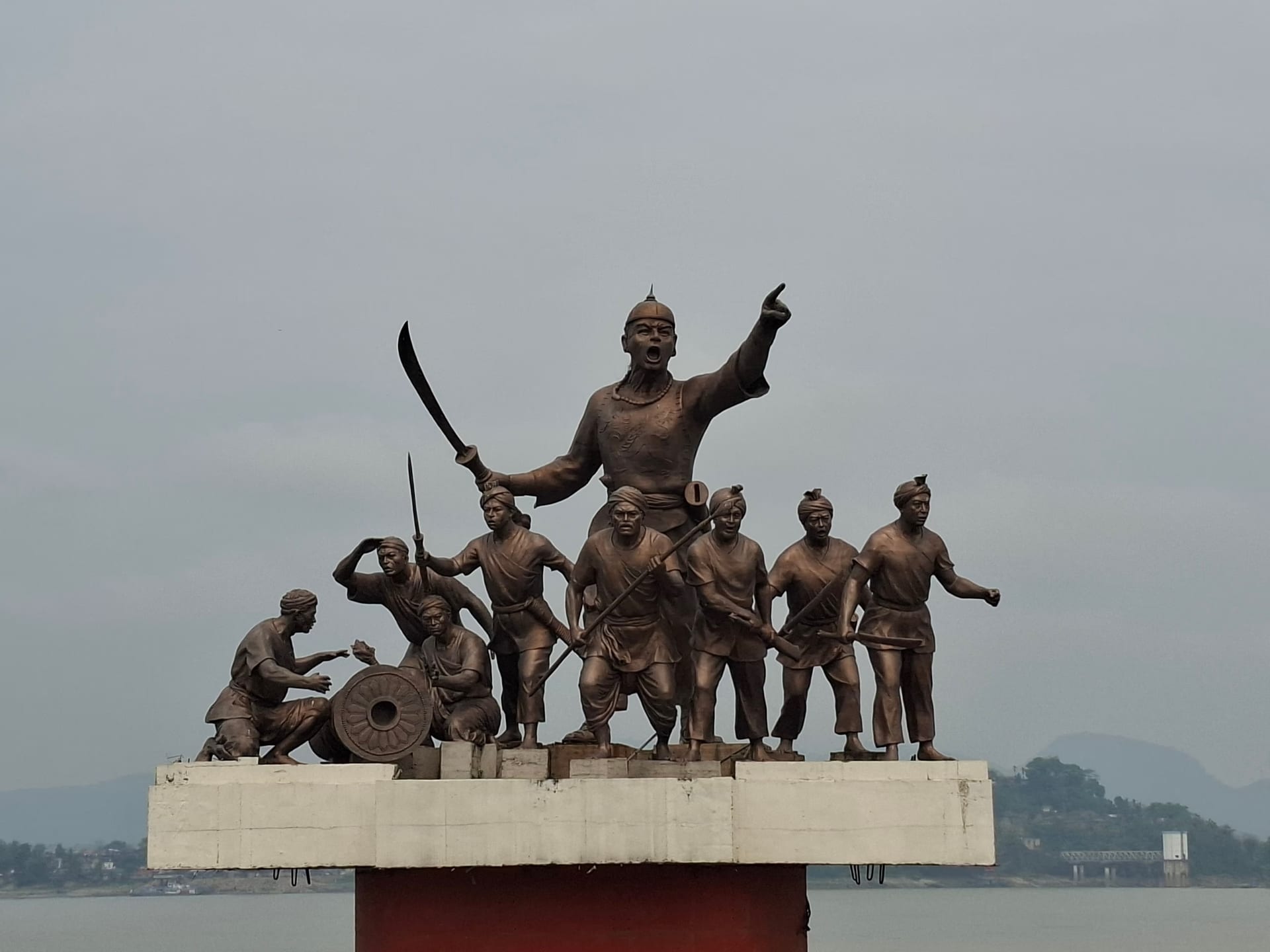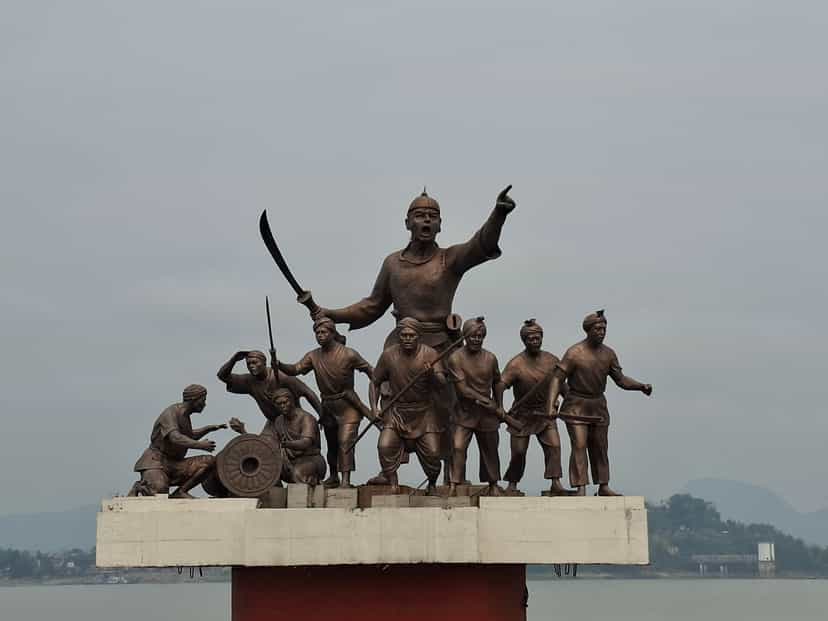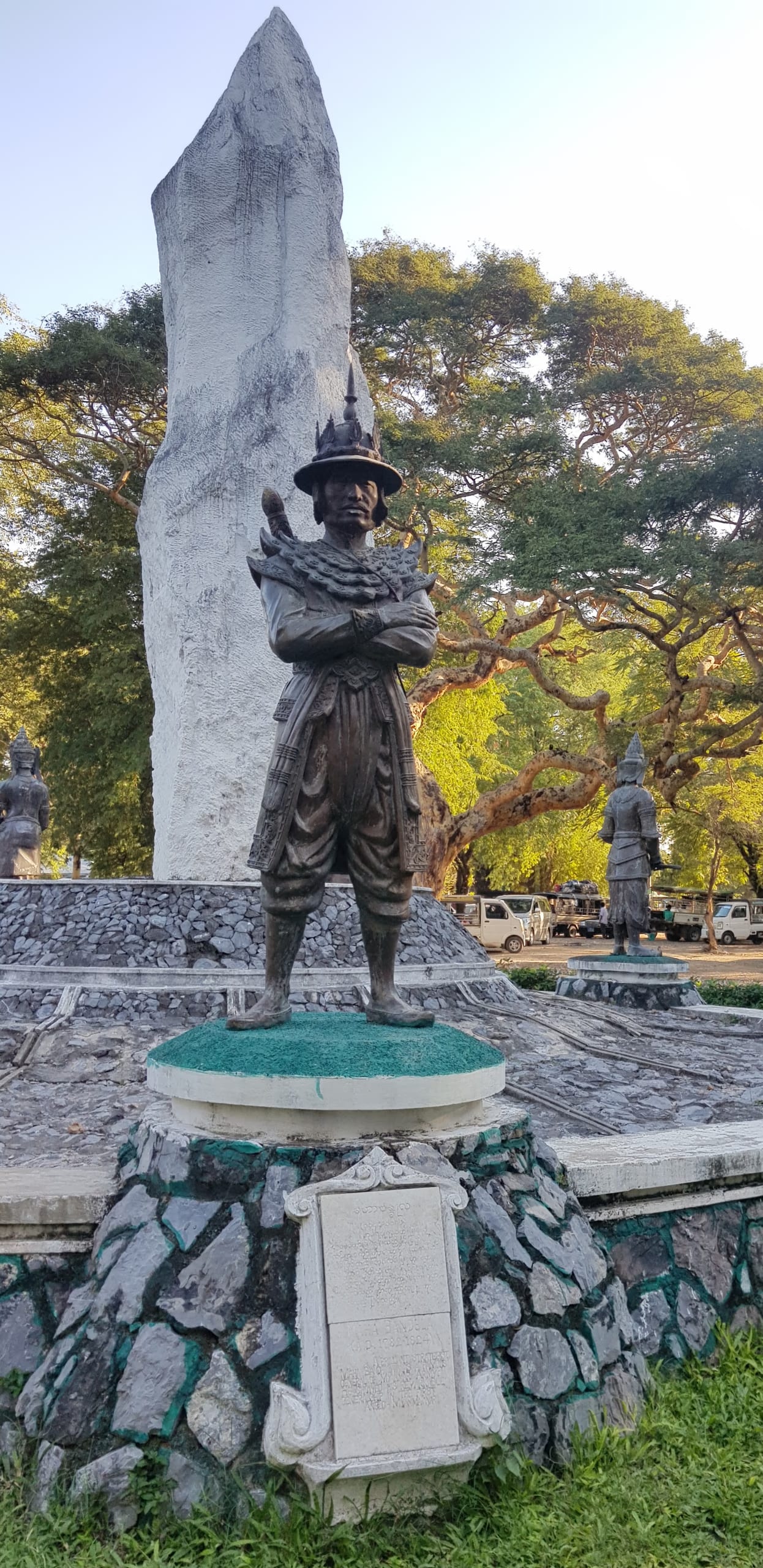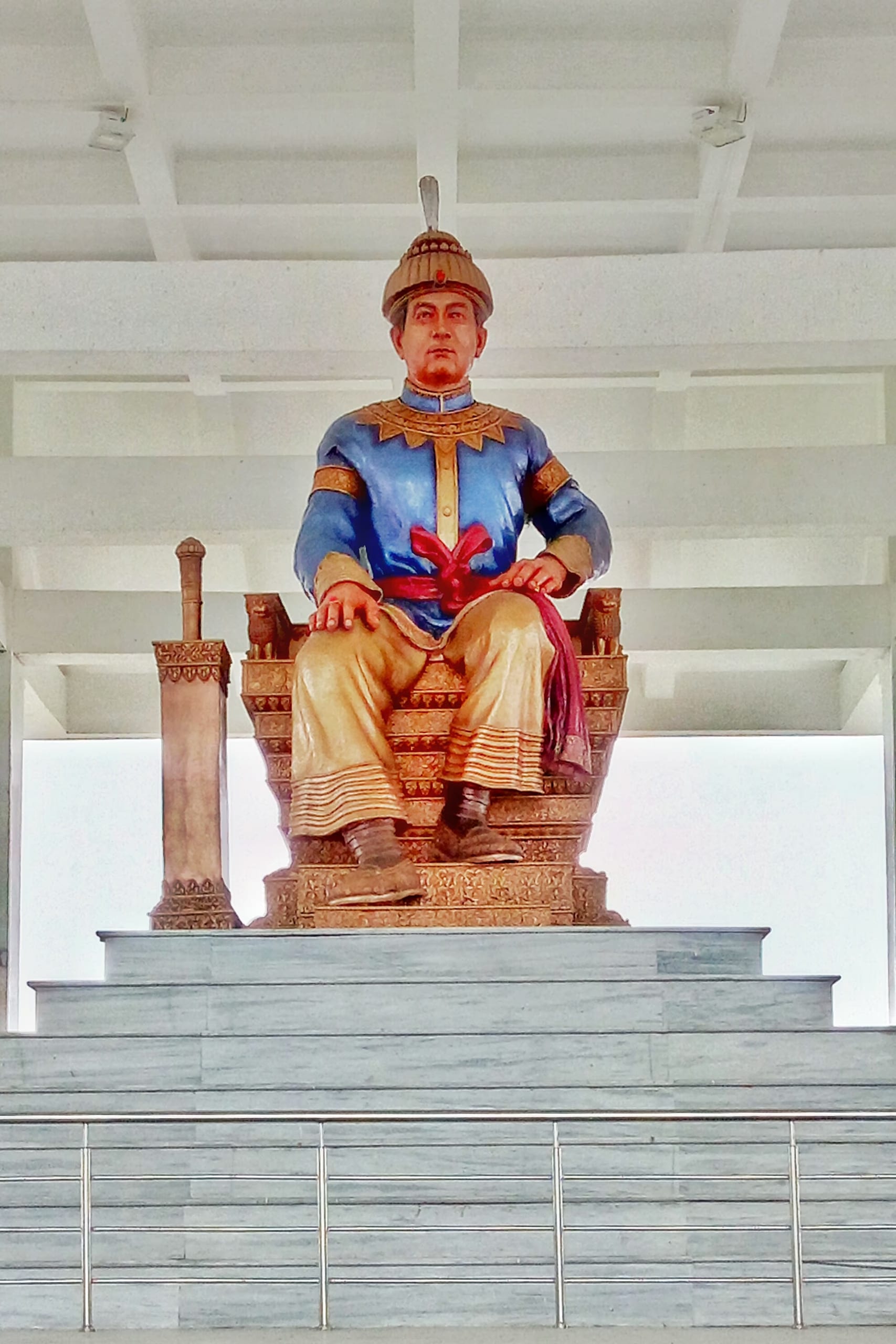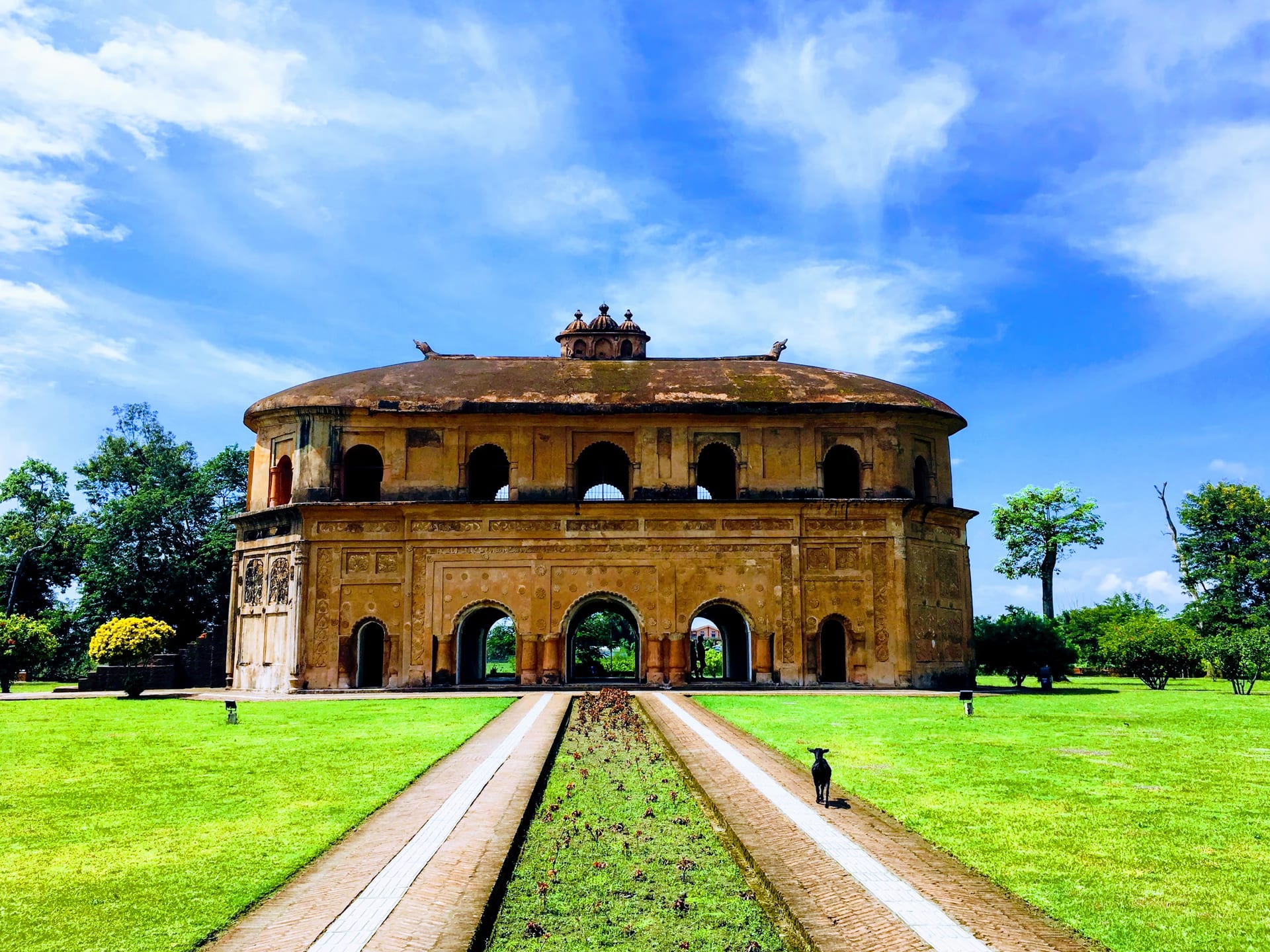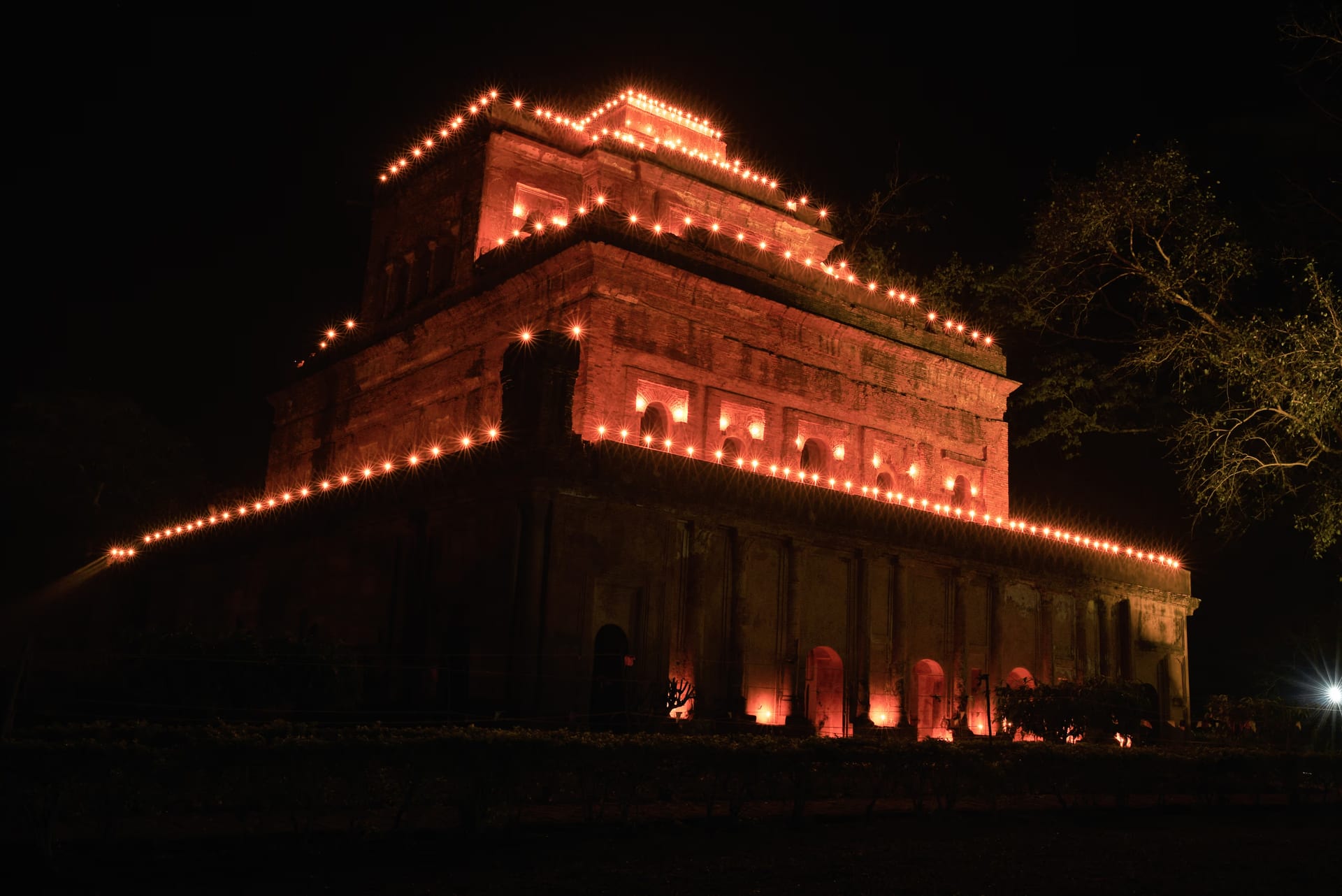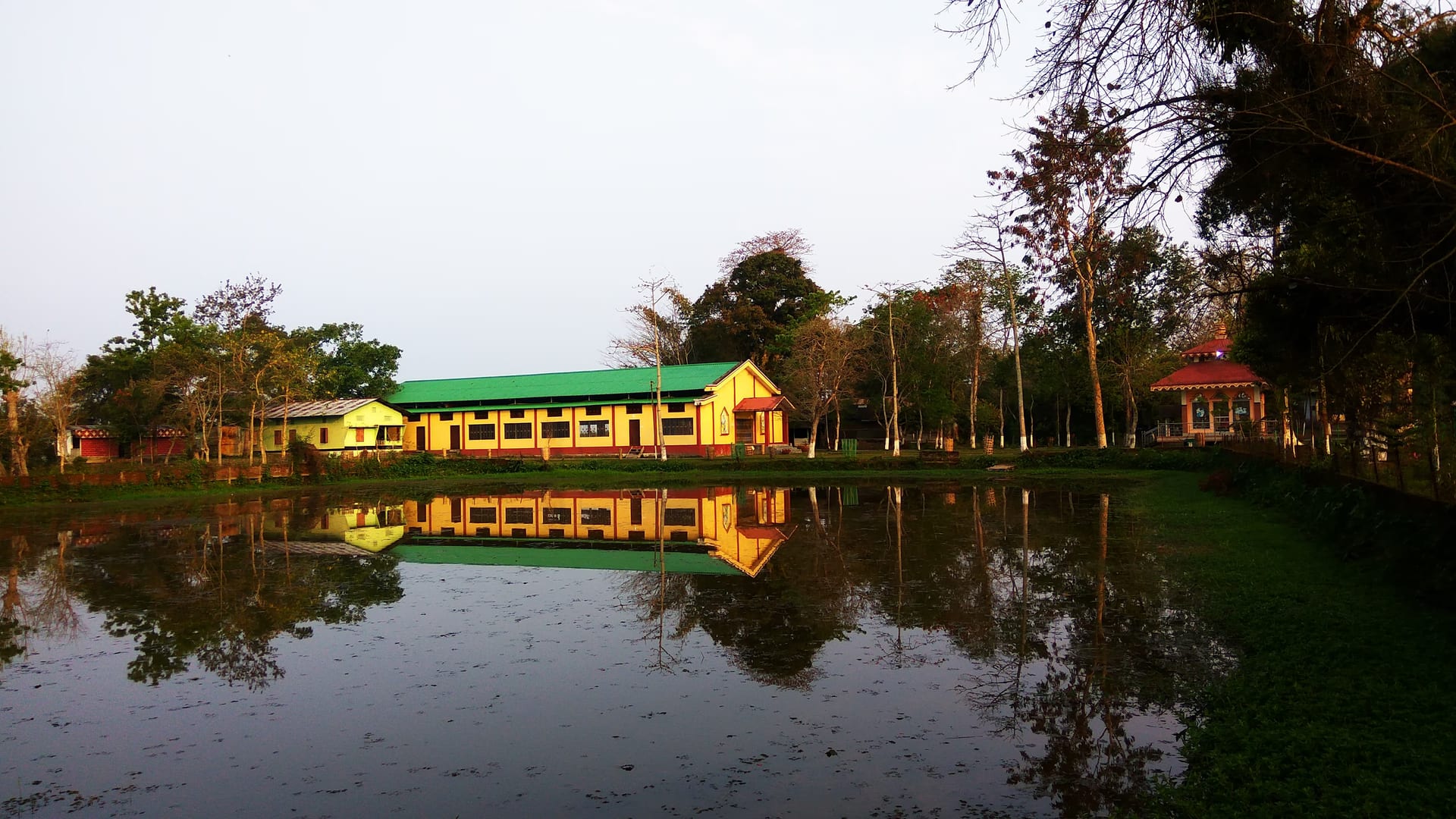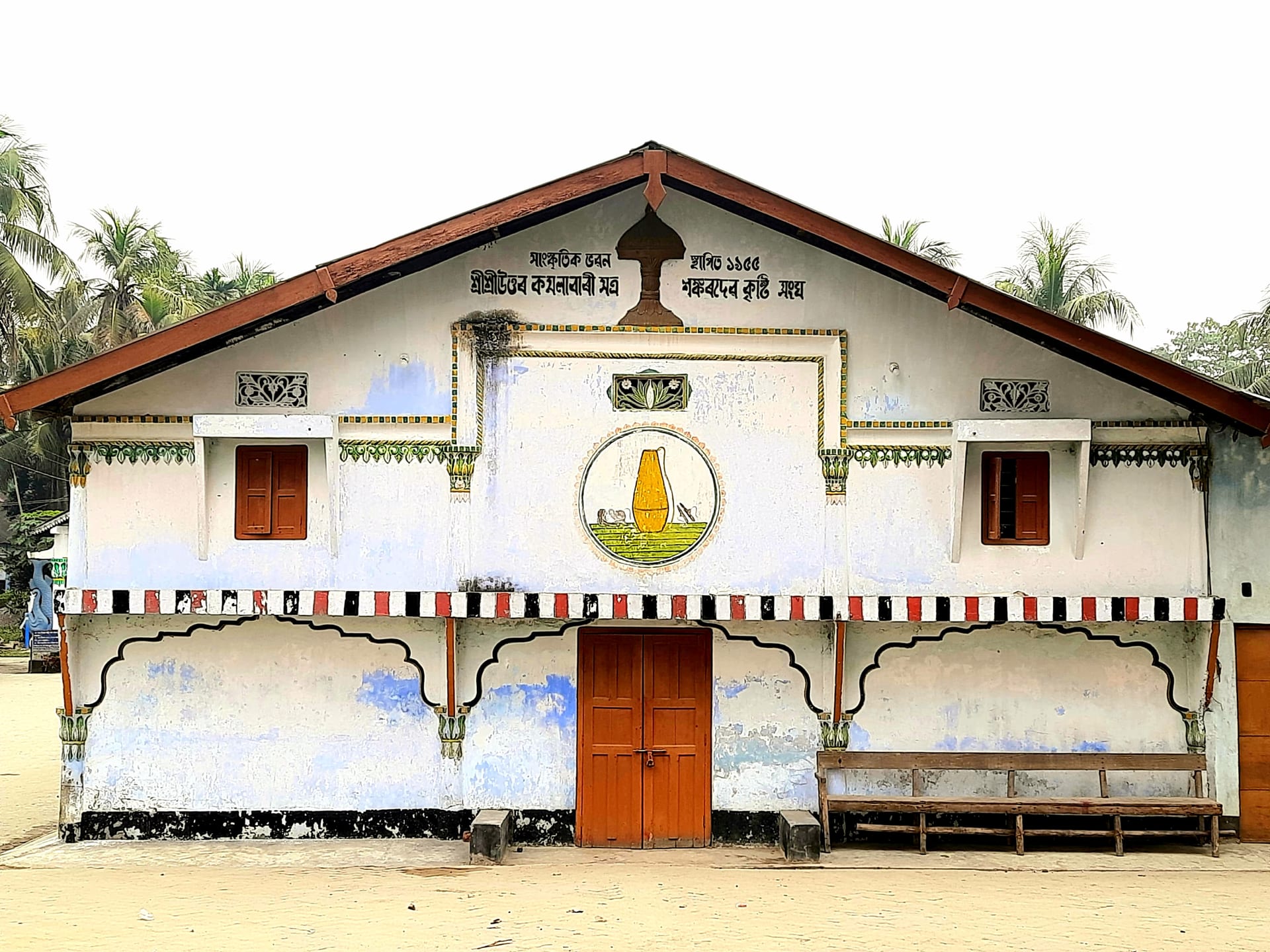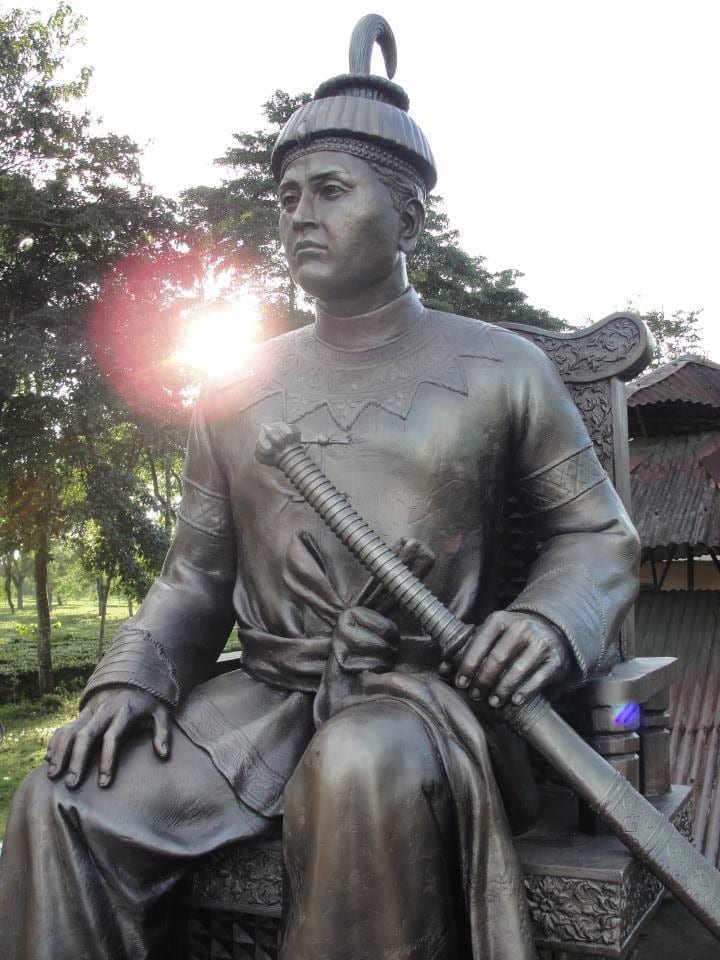
One of the longest-lived kingdoms in the recorded history of the Brahmaputra valley began as a war-band of a few thousand people coming down the wrong side of the mountains. Sukaphaa was a Tai prince of the Mong Mao country, on the present Yunnan-Myanmar border. By tradition he set out with a following of some nine thousand, with a few hundred horses and a couple of elephants. Around 1228 he brought them over the Patkai range at the Pangsau pass into the upper valley. The buranjis fix that date as the start of Ahom history. What he founded would last almost exactly six centuries, until 1826. What follows is not concerned with the man. His life is told in his own biography. It is concerned with the kind of state that the founding generation set in motion, between Sukaphaa’s crossing and his death around 1268.
A valley already full
Sukaphaa did not enter empty land. The upper plains he reached were already held by settled peoples: the Morans and the Borahis in the easternmost reaches, the Chutia kingdom on the northeastern flank around Sadiya, and the powerful Kachari kingdom to the south. The whole of early Ahom history is the story of how a small immigrant elite made and kept a place among them. For roughly the first decades after the crossing the band did not settle at all. It moved through the country between the Buridihing and the Dikhow, holding one temporary seat after another. The chronicles name a string of them, from Namrup near the hills to Tipam and Habung, before a lasting capital was chosen. The band tested ground and people at each stop before committing to a seat.
The model: absorption, not conquest
The decision that shaped everything afterward was not to rule as a closed conquering caste. The early Ahoms took wives from the Moran, Borahi and other local communities and drew them into the new polity. This was a deliberate policy of absorption rather than subjugation. A people who had crossed the Patkai in the low thousands could not have governed the valley any other way. The choice became a structural habit. Across six centuries the kingdom would repeatedly fold conquered or neighbouring peoples into its census and its labour rolls, rather than hold them at arm’s length. The band carried in a Tai language and a Tai religion. Over the same centuries these would slowly give way to Assamese and to the religions of the plains. That was the long price of its openness.
Charaideo and the first institutions
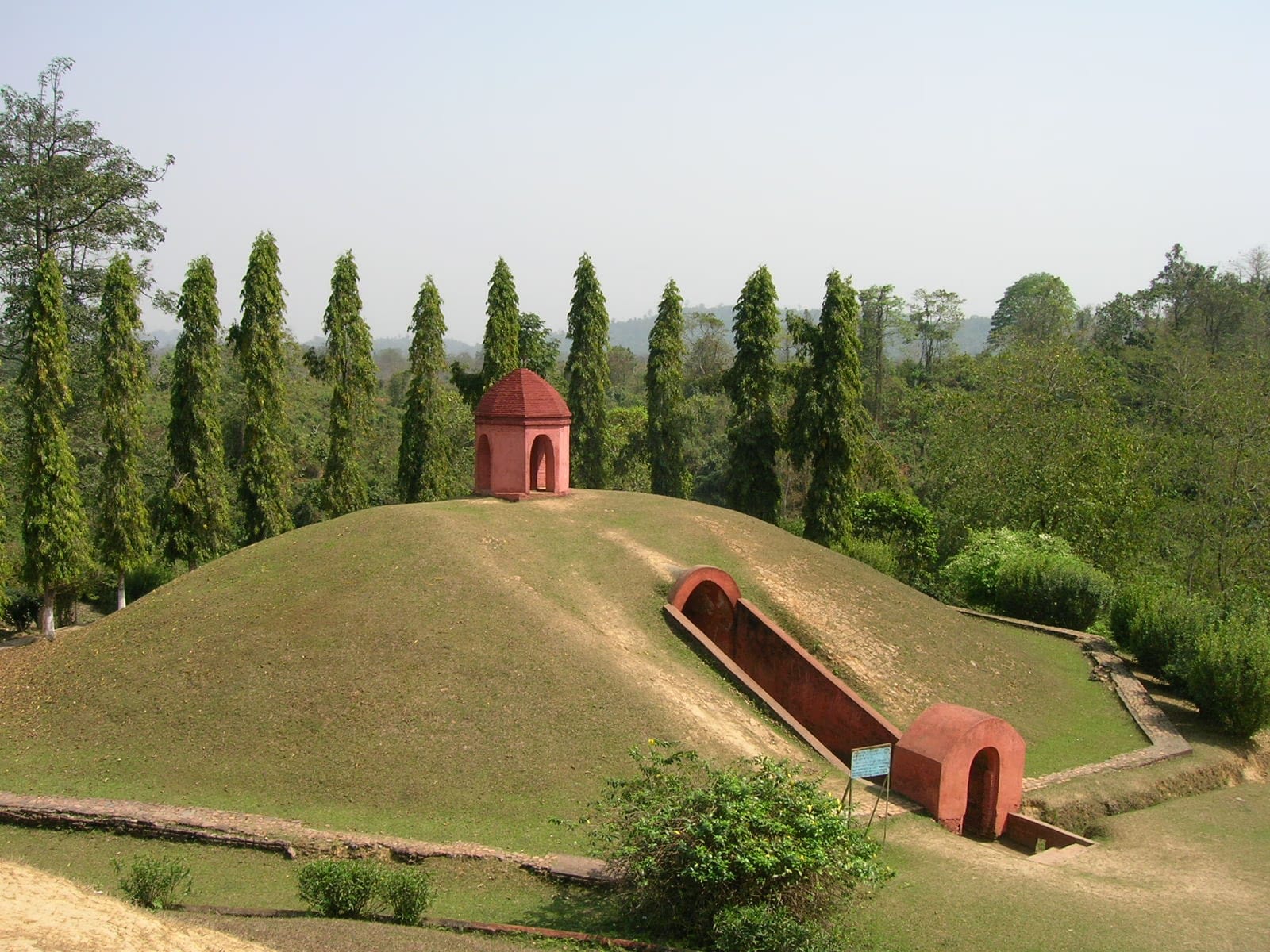
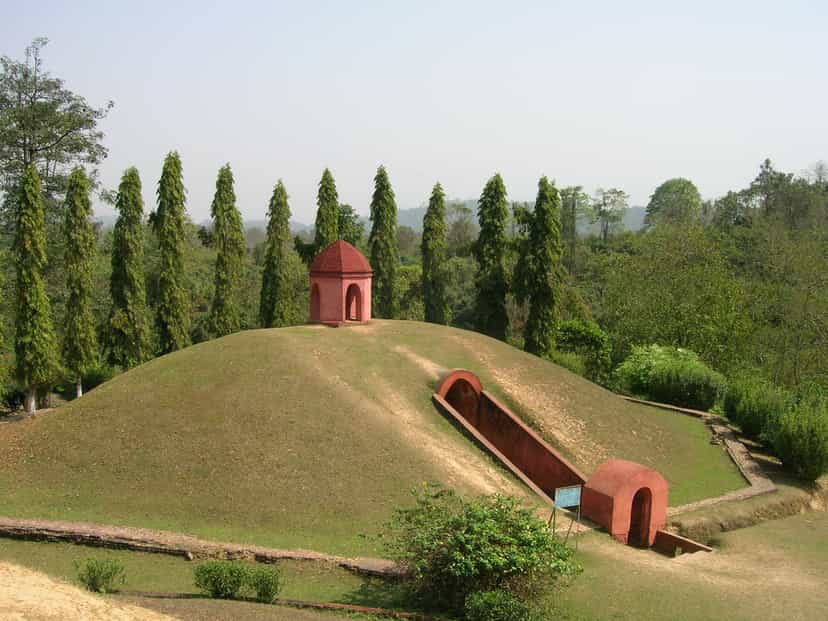
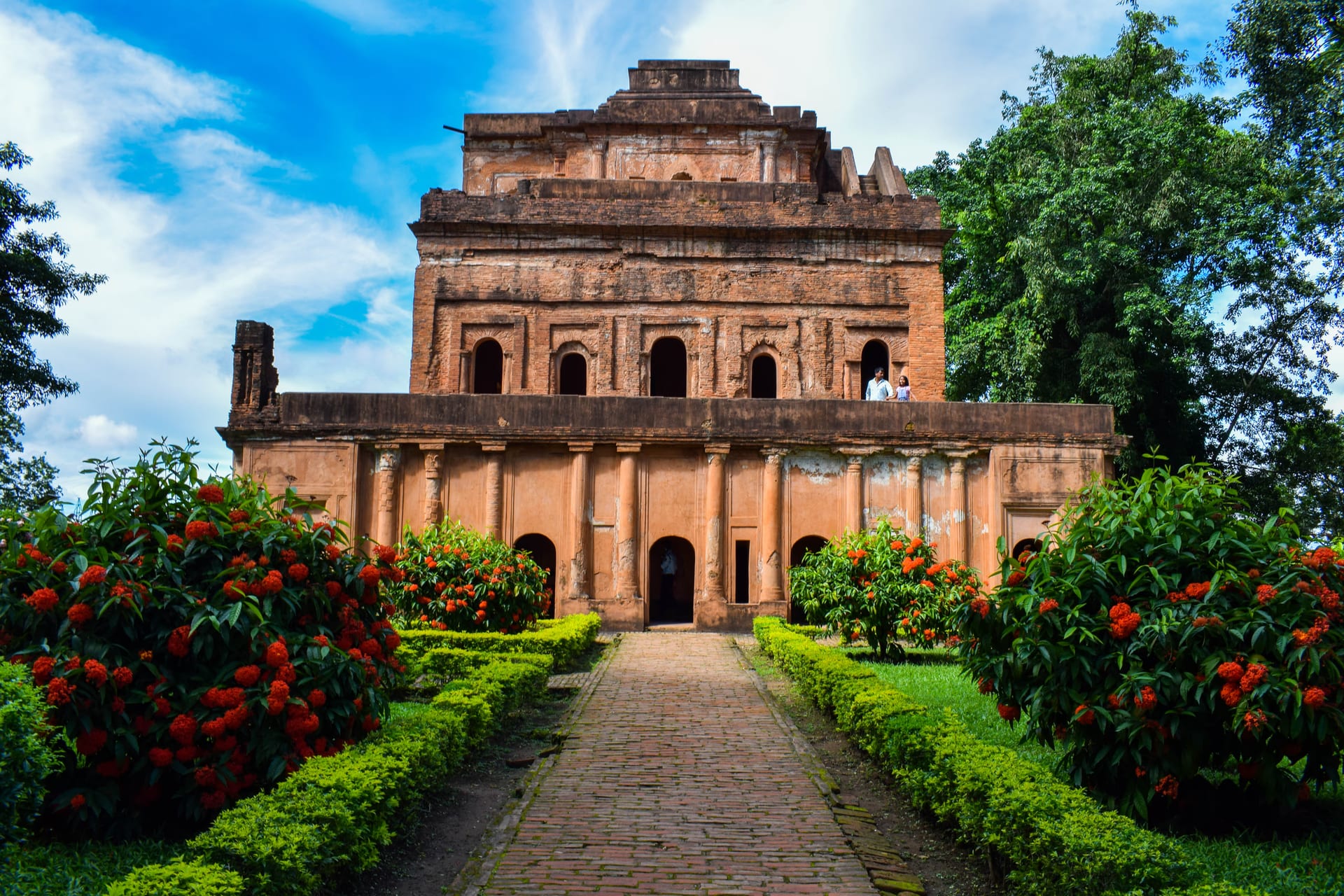
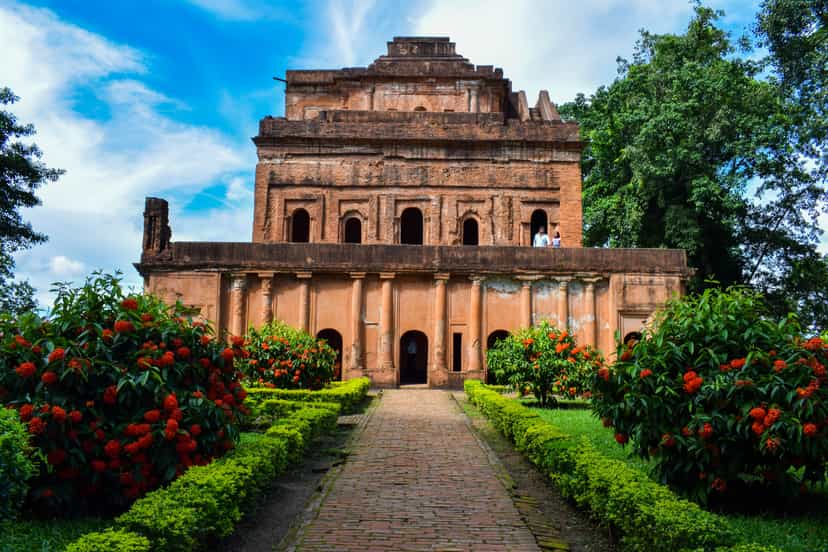
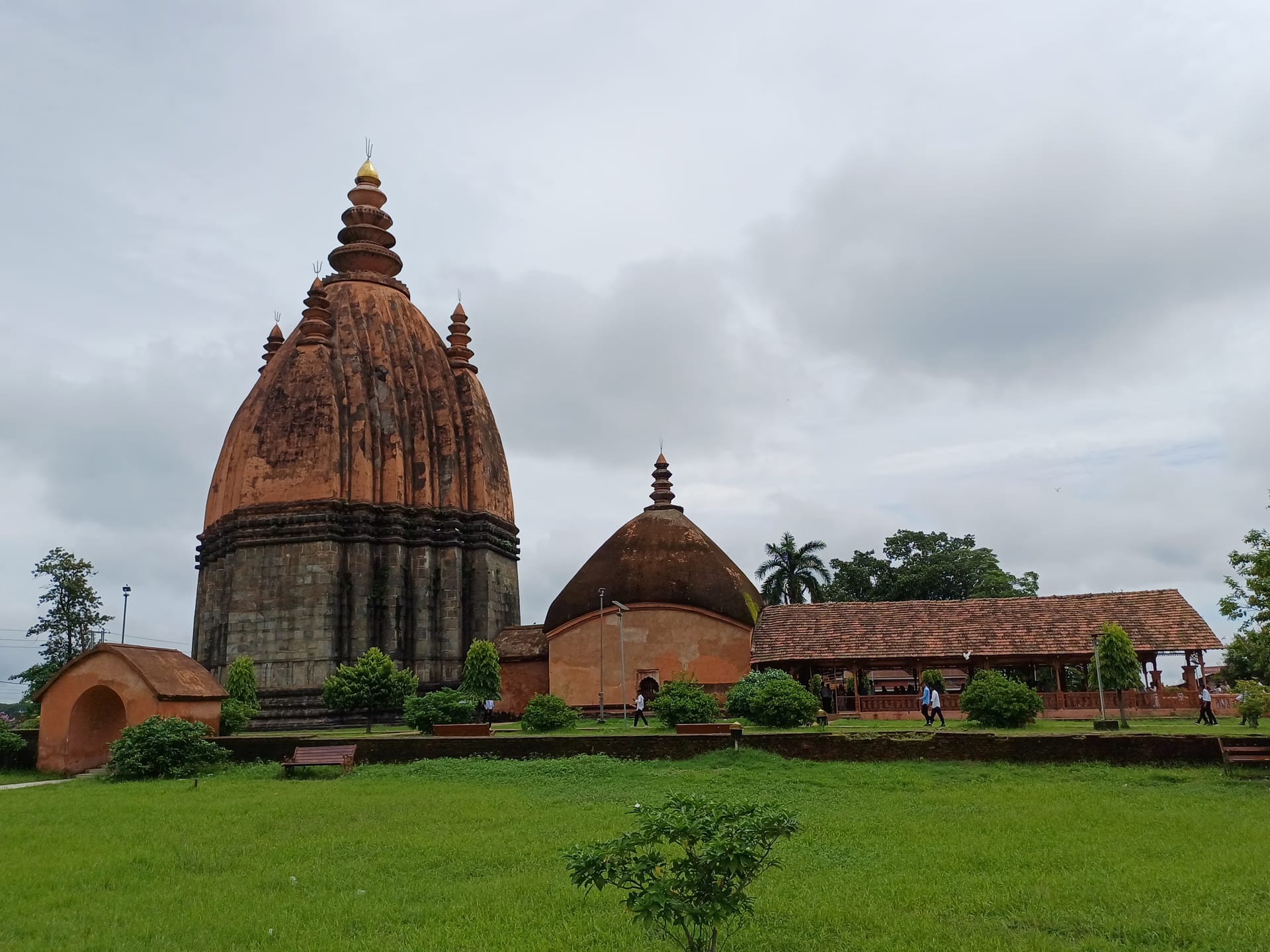
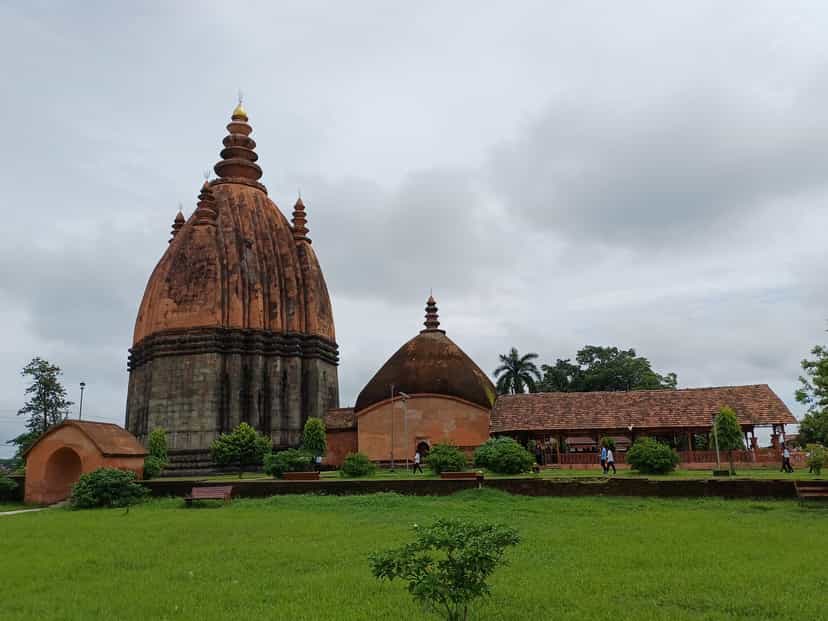
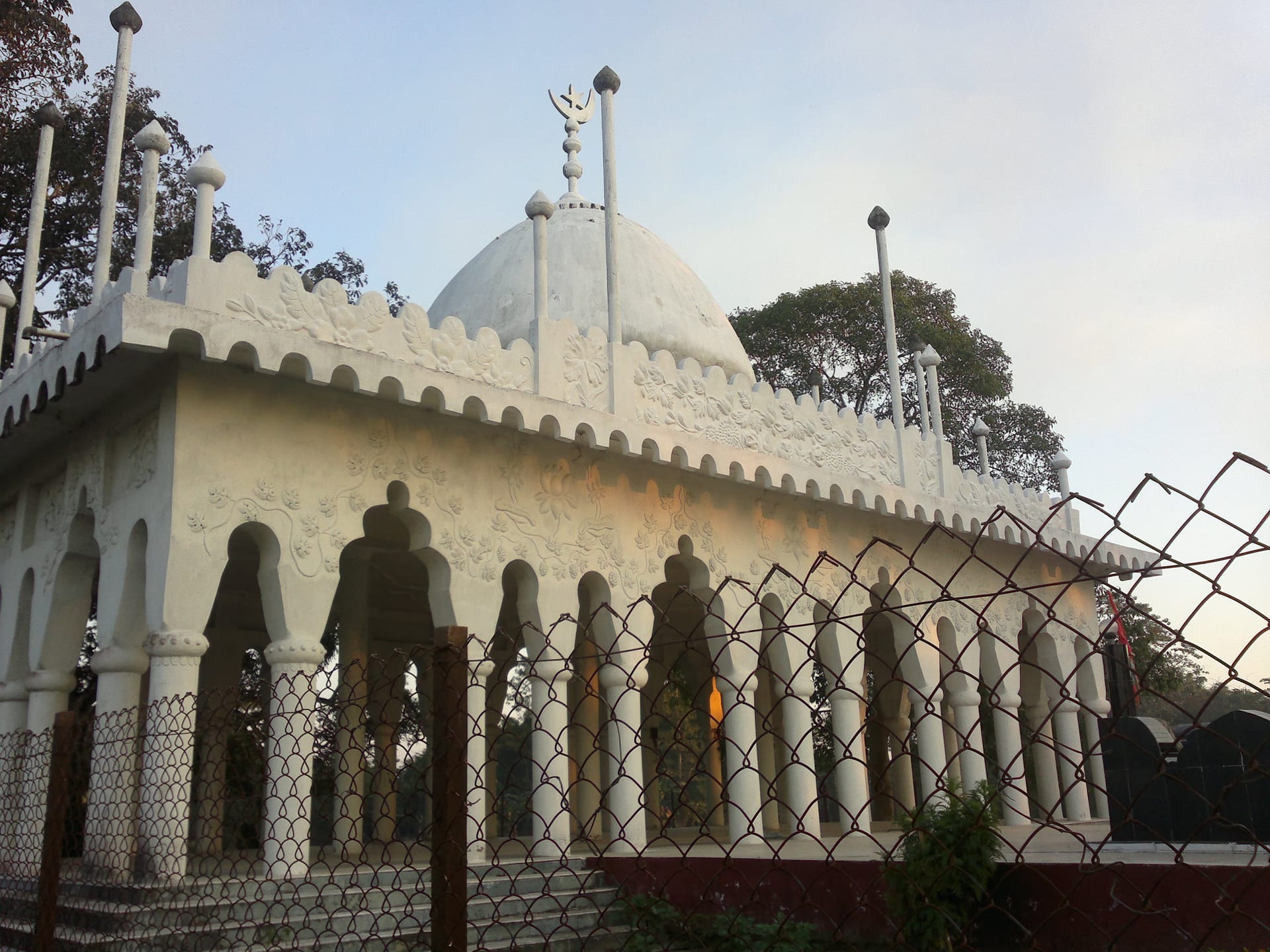
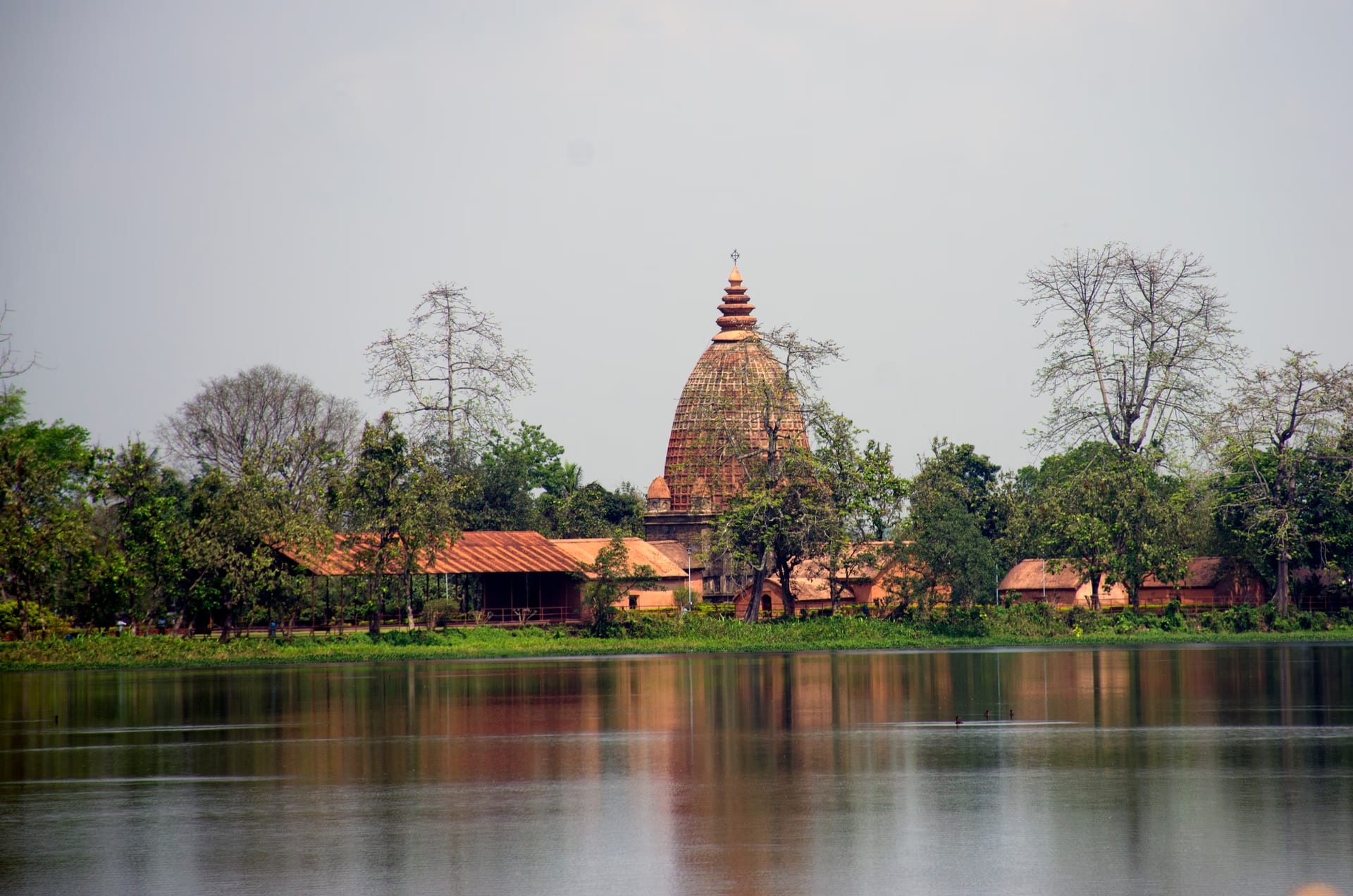
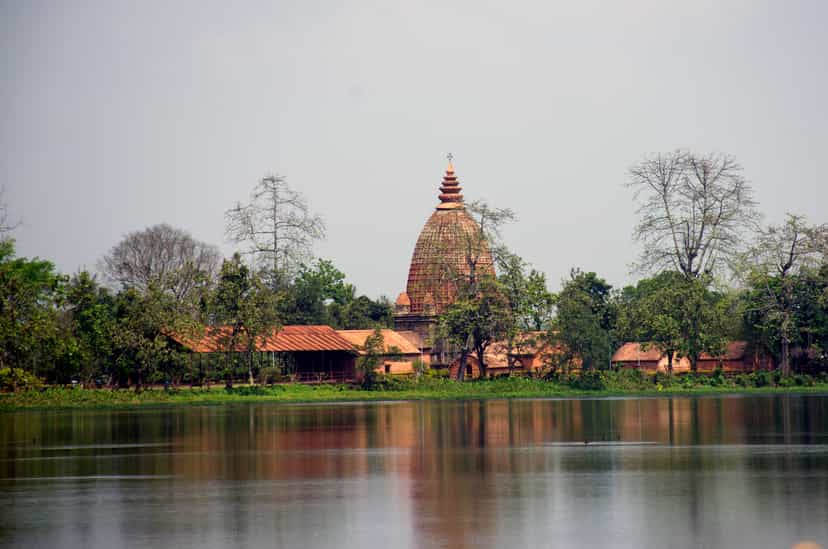
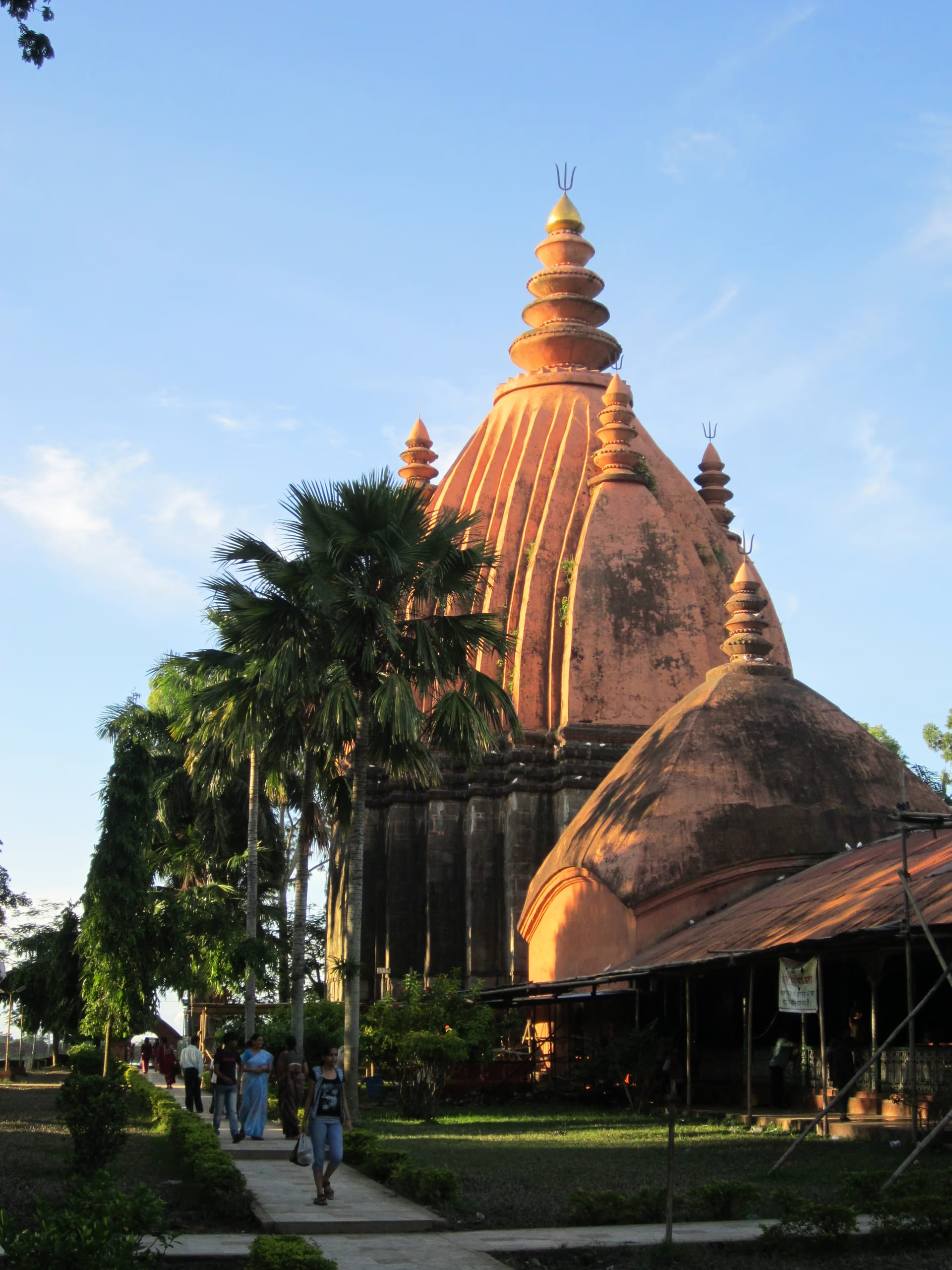
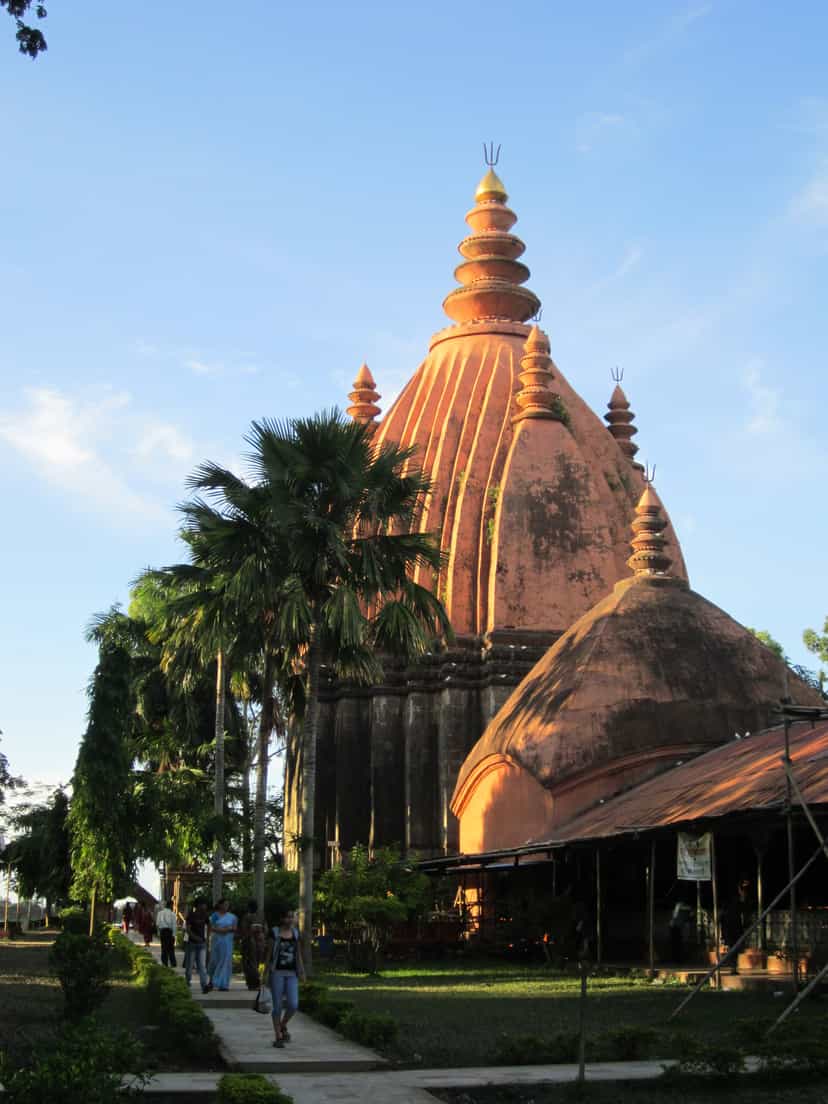
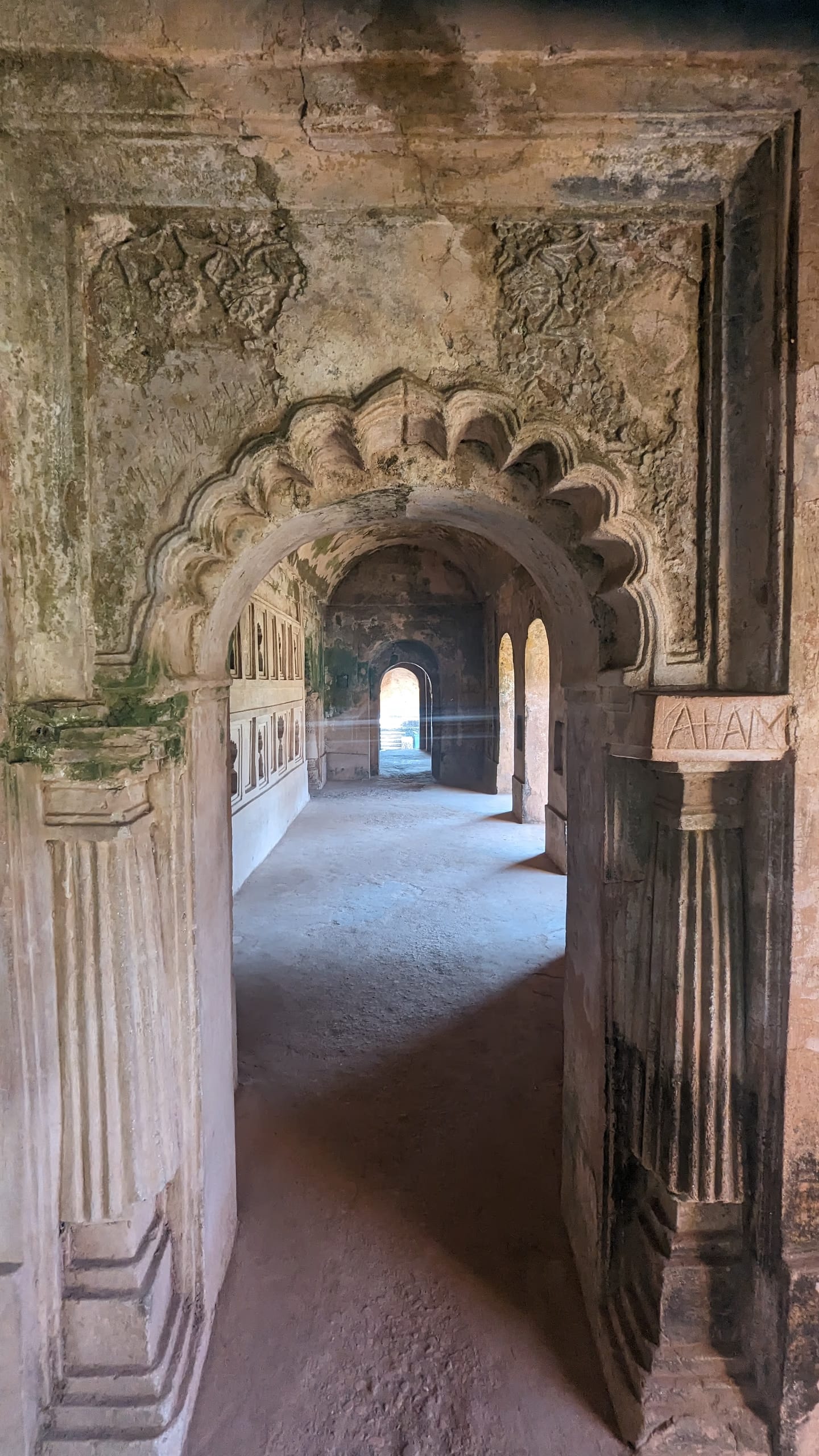
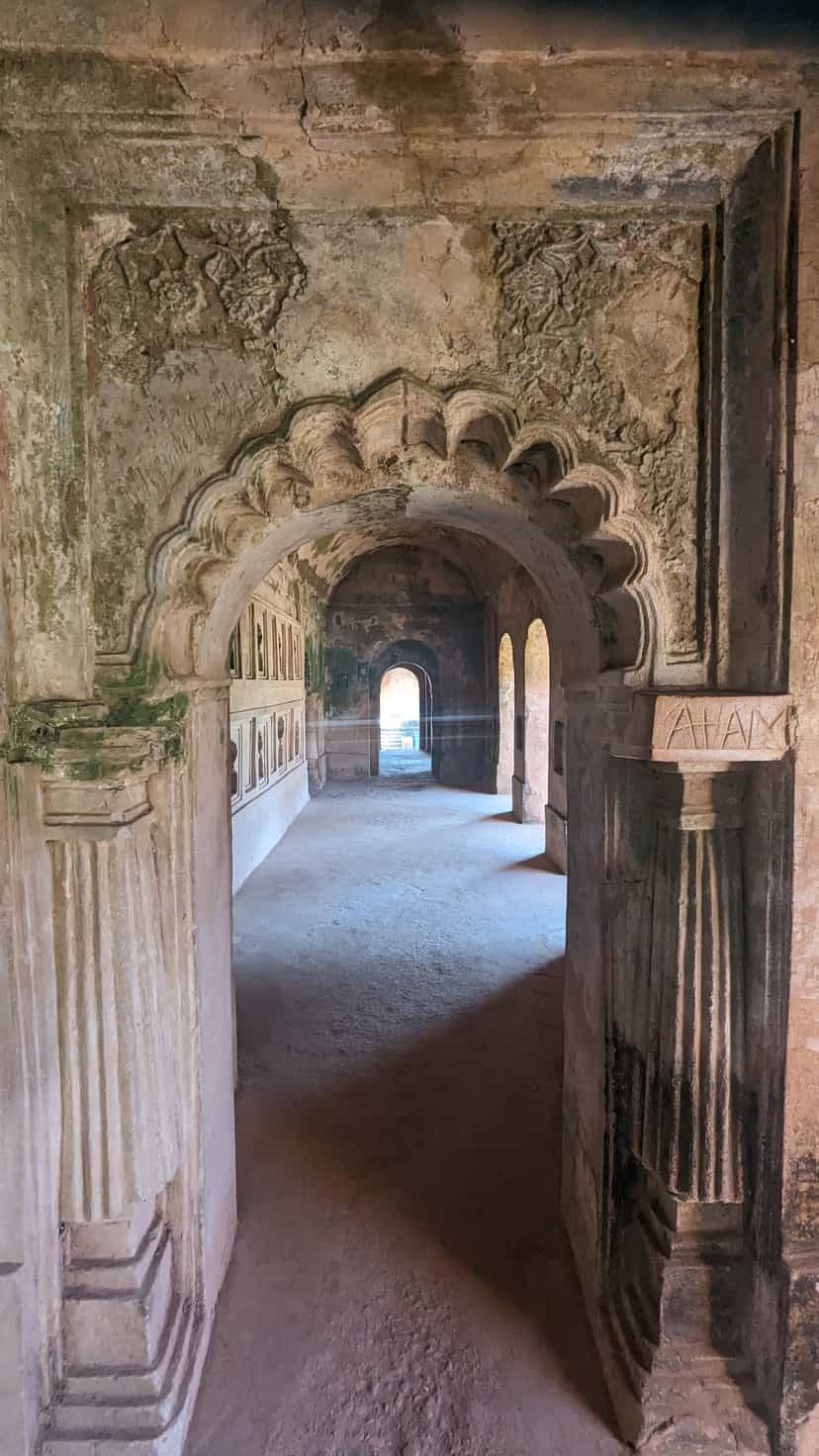
Around 1253 Sukaphaa fixed a capital at Charaideo, a low range of hills. It became the dynastic necropolis, where the royal maidams still stand. These are the burial mounds of the Ahom kings.
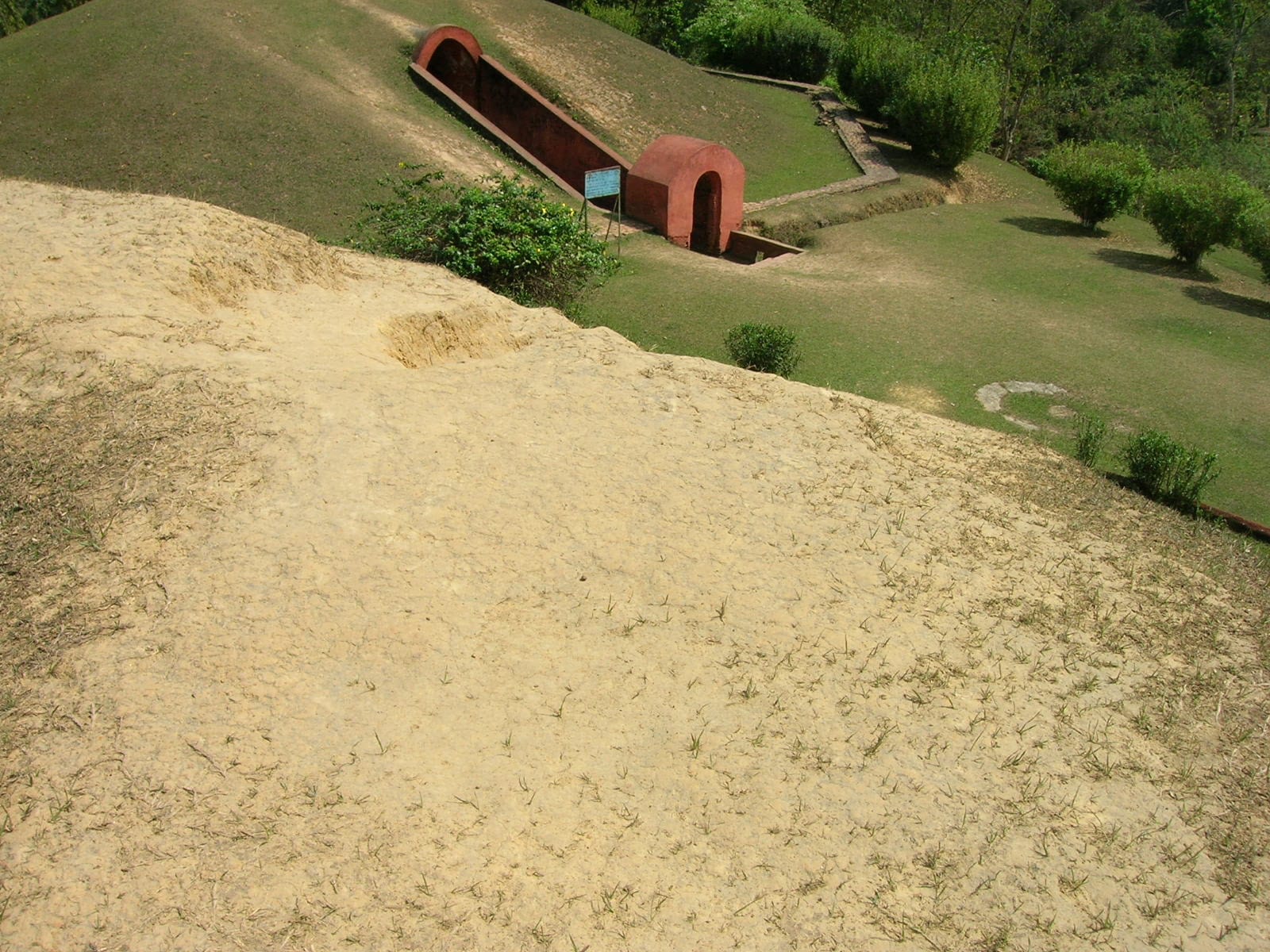
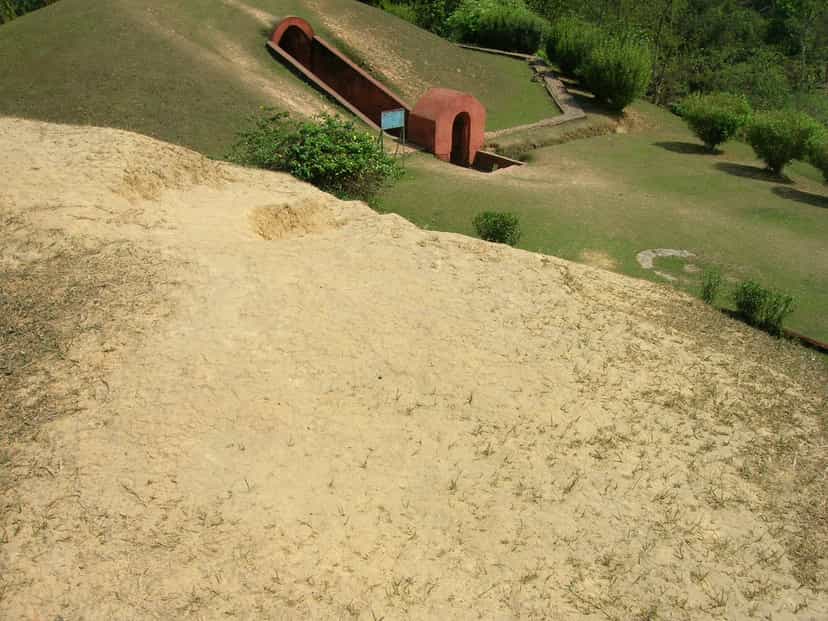
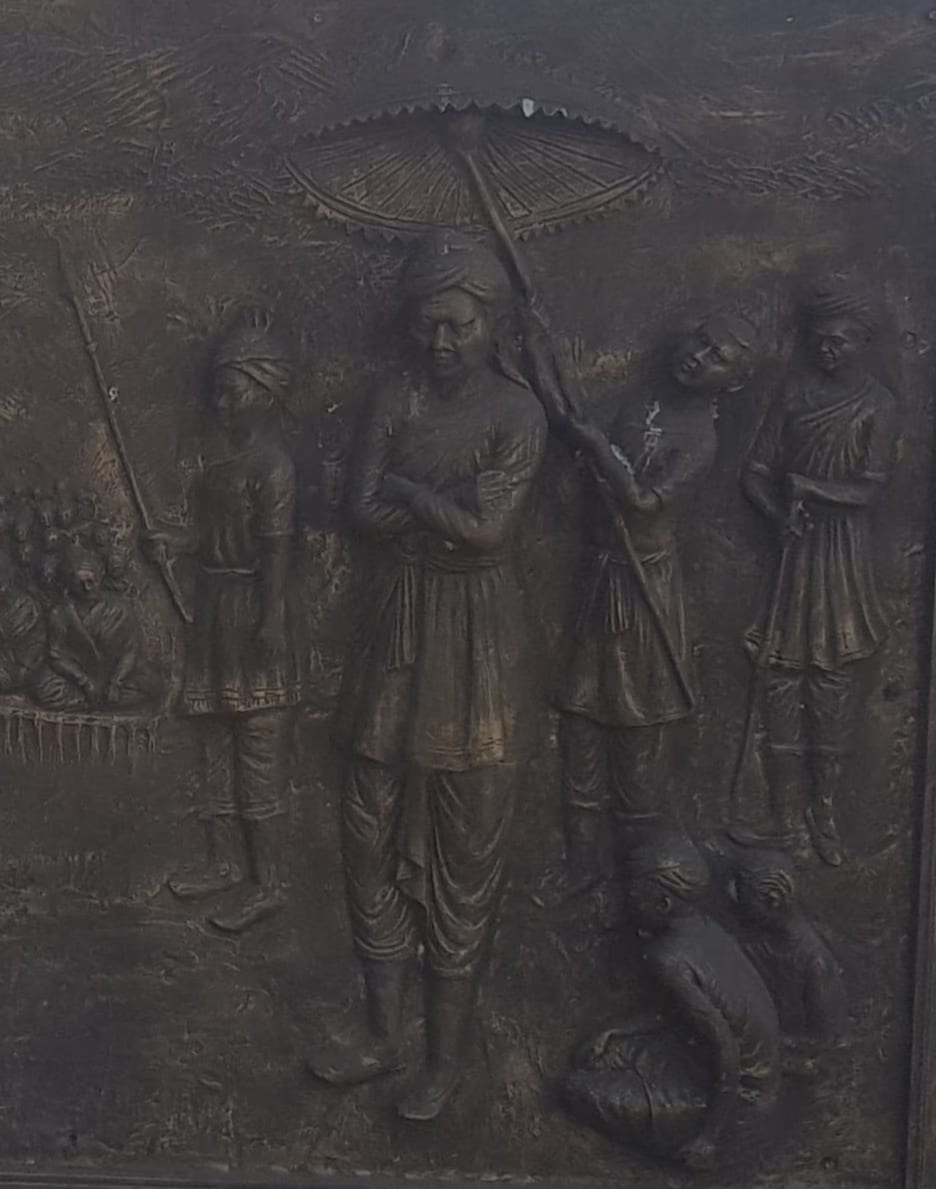
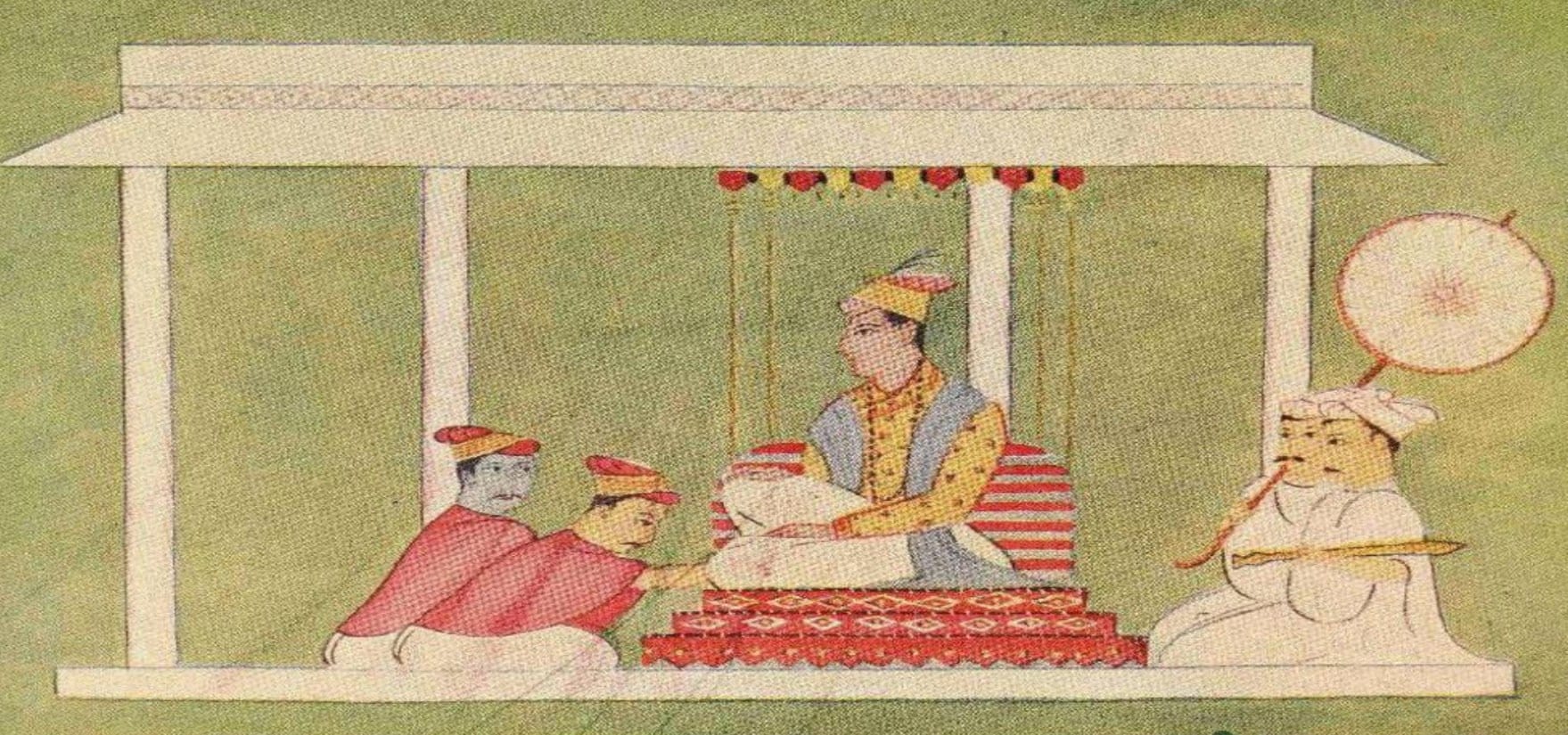
With a seat came the seeds of a state. Sukaphaa himself is remembered by the honorific Chaolung, from the Tai words for lord and great. The king ruled as the Swargadeo, the lord of the heavens. This was a sacral kingship that the Ahoms brought with them from the Tai world. Beneath him sat the great hereditary councillors. They would later crystallise into the offices of Burhagohain and Borgohain, the two original ministers of state. The administration of land and labour that would become the paik and khel system also traces its first form to these early reigns.
Sukaphaa died around 1268 having secured a foothold, not yet a kingdom. His immediate successors, Suteuphaa and then Subinphaa, held and slowly widened that foothold without dramatic expansion. For more than two centuries the Ahom state remained one upper-valley power among several. The transformation into the dominant kingdom of the valley belongs to a later reign, that of Suhungmung, with which the next chapter opens.