
Soldiers Dressed as Brahmins
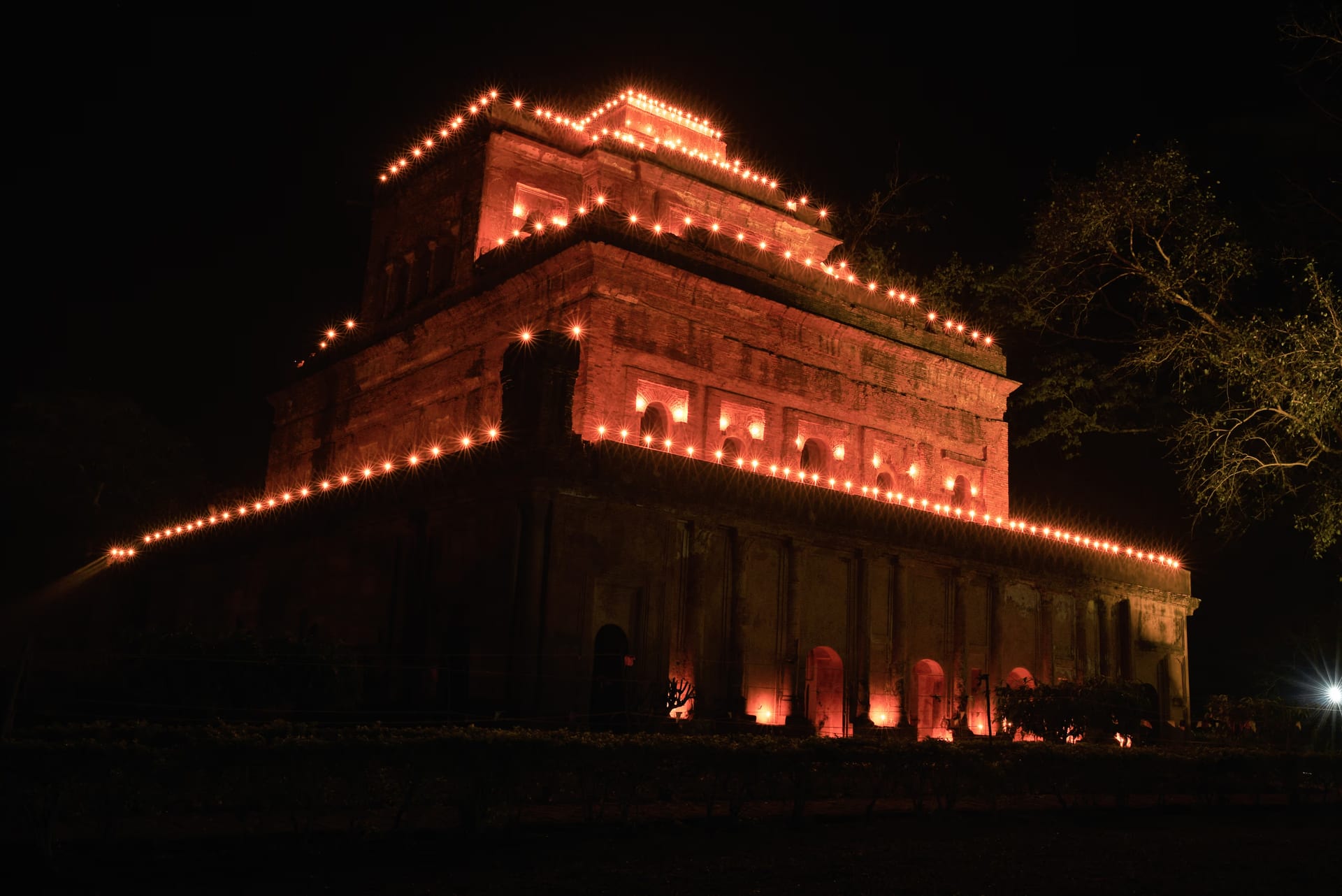
Losing a war to the Koch, the Ahoms dressed soldiers as Brahmans and sat them on cows, because a Hindu army could not strike either. It worked. Then the soldiers refused to give the thread back.
In the 1560s a Koch army came up the Brahmaputra and beat the Ahom kingdom badly enough to take its capital. Somewhere in that losing war an Ahom commander tried something that had nothing to do with weapons. It did not save the war, and the capital fell anyway, but on one stretch of ground it stopped the Koch advance where it stood. The trick then went on working for forty years after the war was over, long after anyone needed it to, until the kingdom had to send officers from village to village to undo what it had done. This is the story of a battlefield disguise that turned into a caste, and of the king who had to audit it back out of existence.
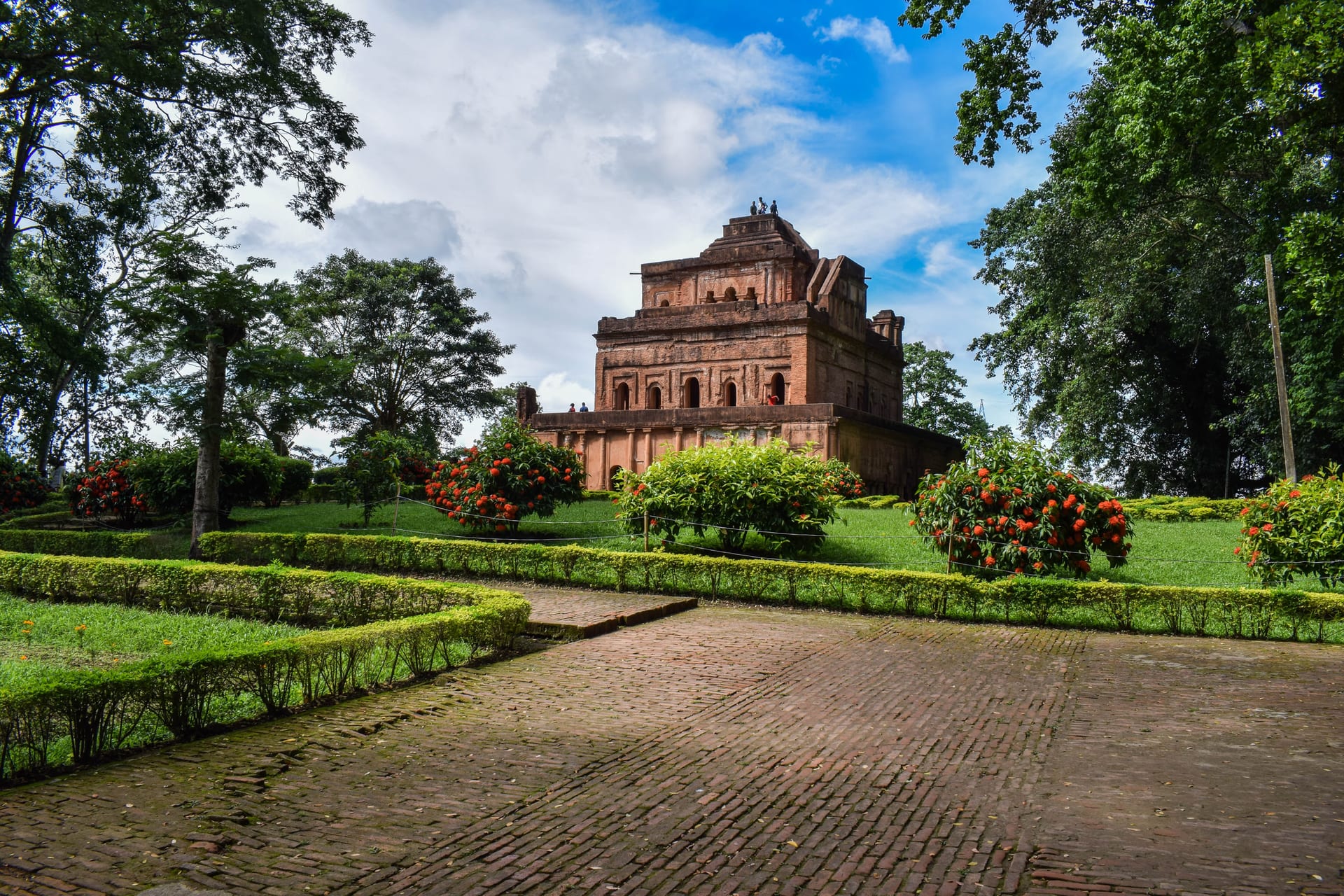
The trick
Koch power in the west stood at its height under Naranarayan, and its armies were led by his brother Sukladhvaja, whom everyone called Chilarai, the kite, for the speed with which he came down on the enemy. In 1562 a Koch force under one of Chilarai's commanders pushed as far east as the Dikhow. The year after, Chilarai came himself.
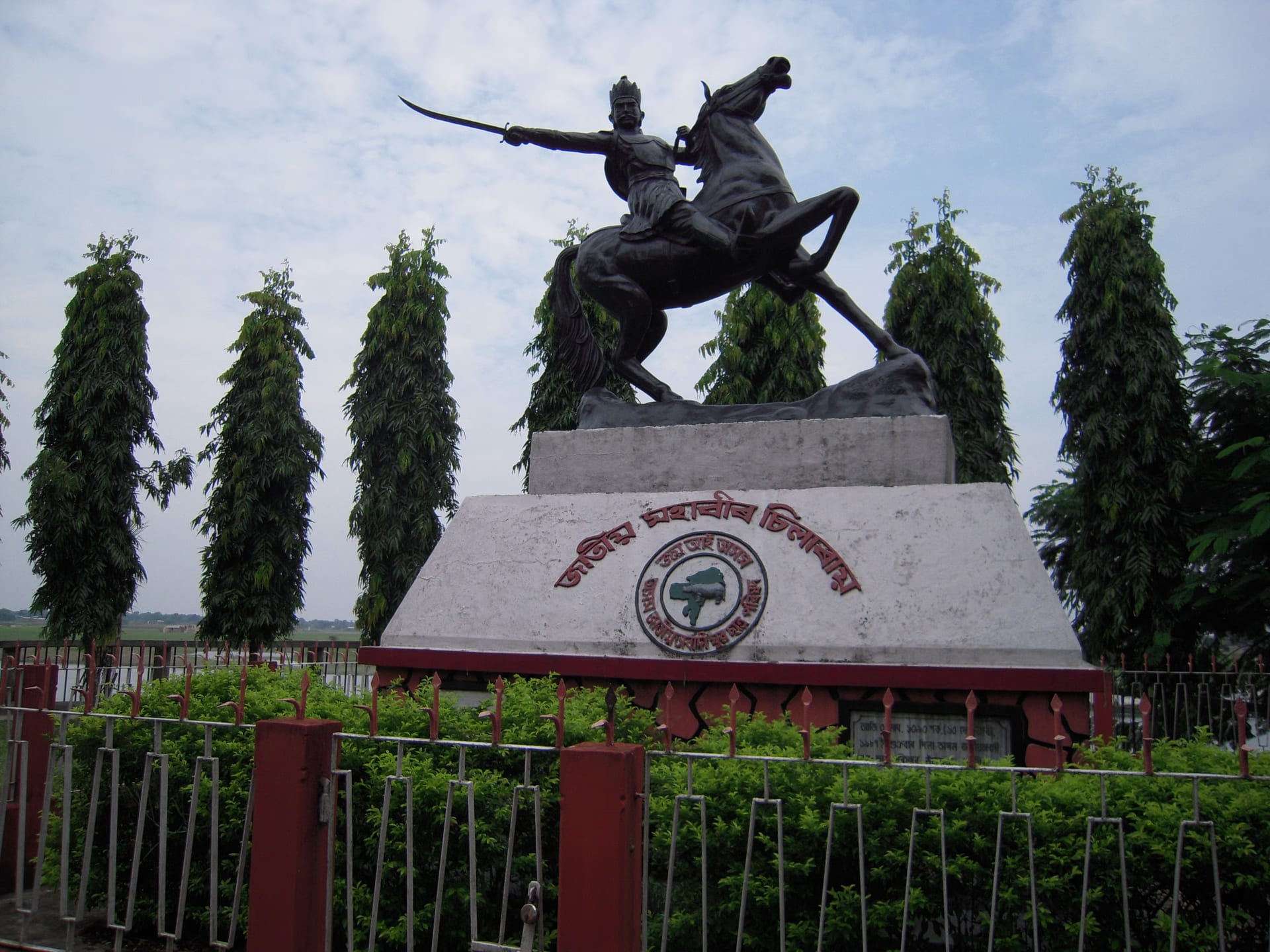
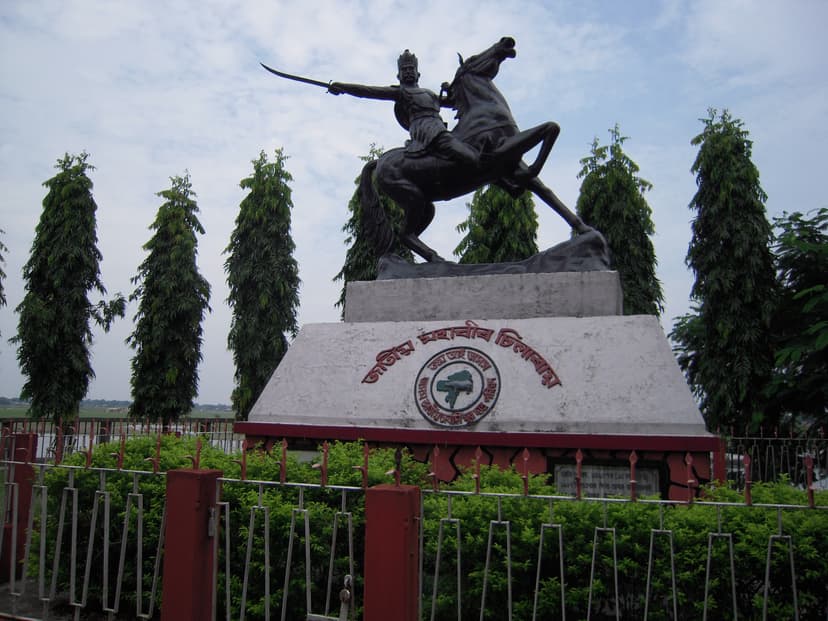
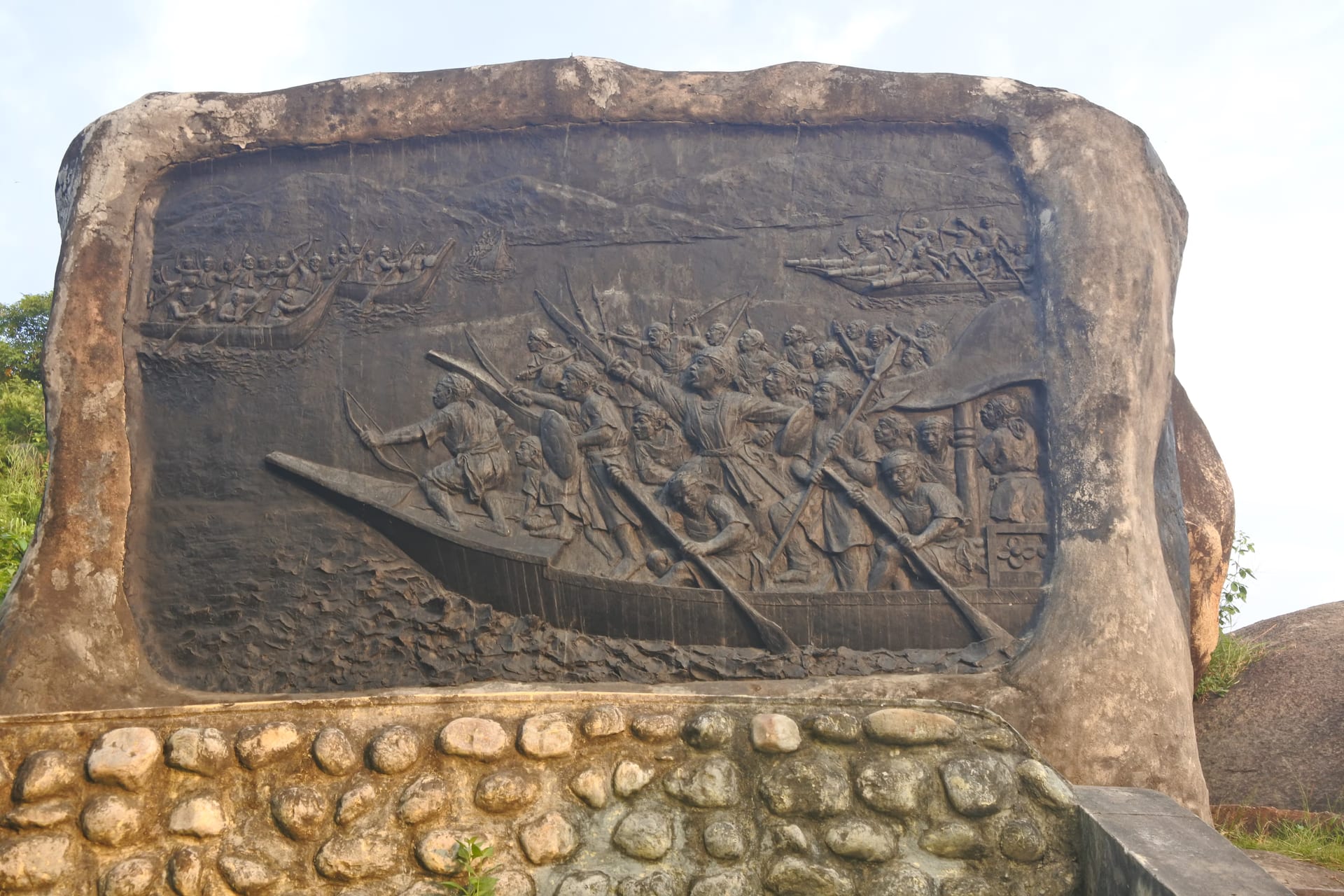
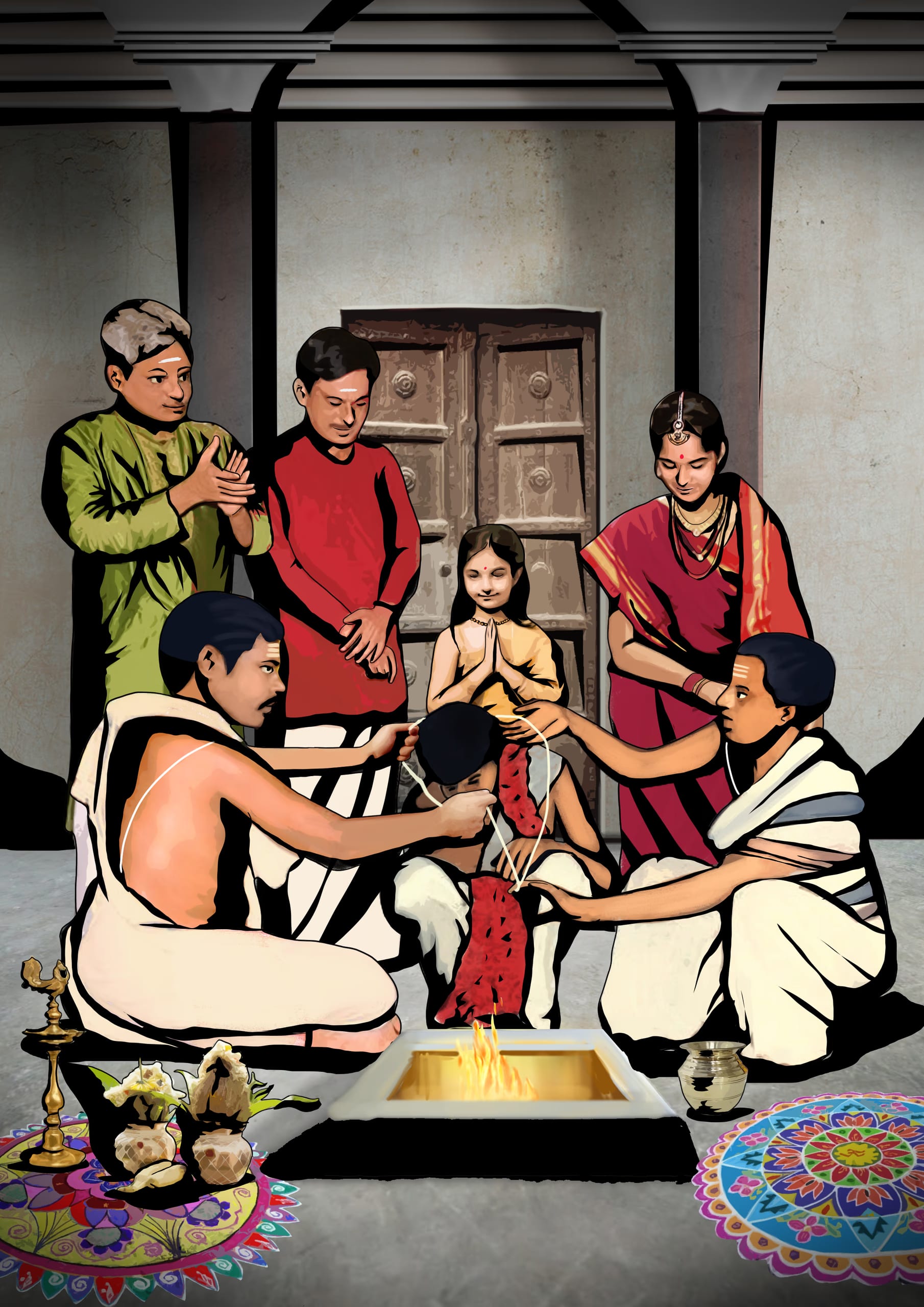
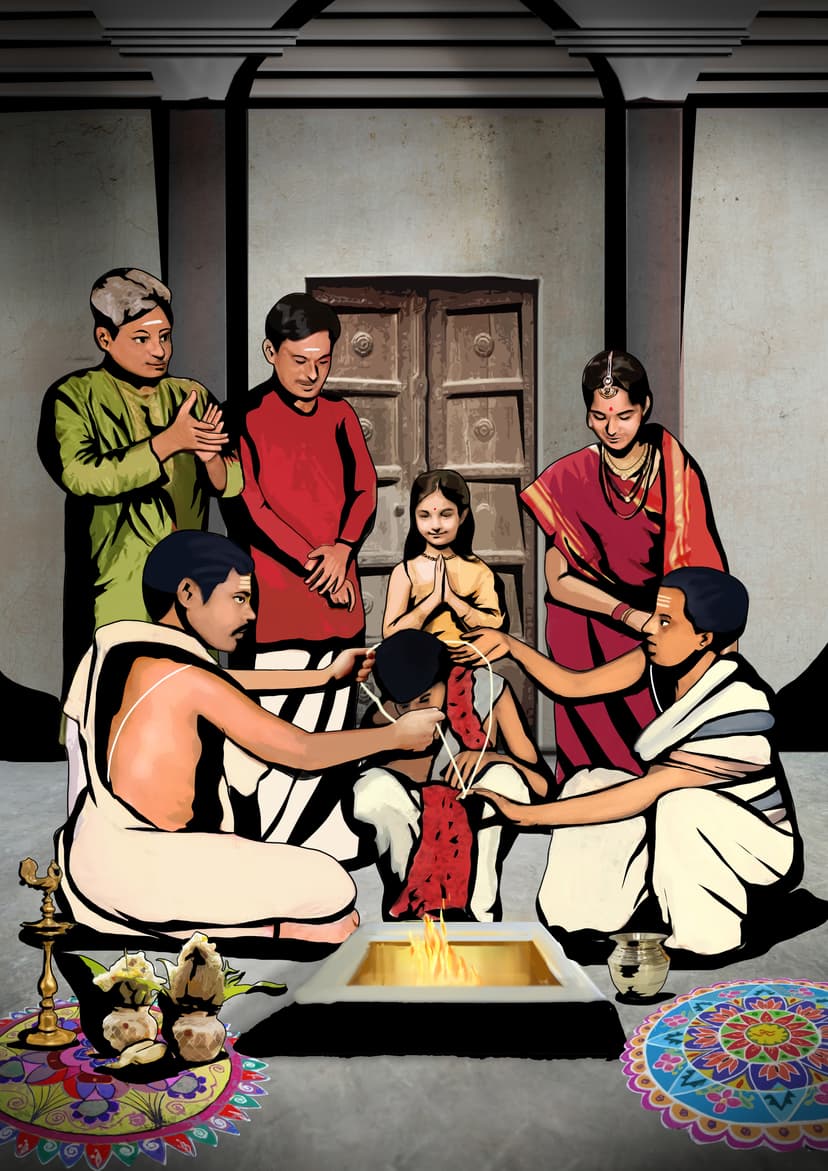
The Koch house was Hindu and took its Hinduism seriously, and for a devout Hindu army there were two things on a battlefield that could not be struck at any price, a Brahman and a cow. So the Ahoms dressed a body of their own soldiers as Brahmans, gave each man the sacred thread, seated each one on a cow, and placed them where the Koch advance would have to come through. Chilarai's men arrived in front of a line of Brahmans mounted on cattle and would not attack it. The Koch general desisted. Two kingdoms were contesting the valley with cannon, war-boats and tens of thousands of men, and on one piece of ground the stronger of them was halted by a costume. It is the same cast of mind that later fought the Mughals from behind mud walls and river narrows rather than in the open, a habit of finding the thing an enemy cannot do and standing in it.
What the trick could not undo
The Koch routed the Ahoms in the field, and rode into Garhgaon. The Ahom king Sukhaamphaa fled with his nobles into Namrup and bought his peace afterwards at a price that tells you how complete the defeat was. Sixty elephants, gold and silver, the acknowledgement of Koch supremacy, and the sons of his chief nobles handed over as hostages. However, the disguise of the soldiers did not end with the war. Most of the men who had been given the thread simply declined to take it off. They had been Brahmans for a day, had found the arrangement agreeable, and went on wearing it and living as Brahmans live and claiming the deference and the exemptions that went with it. A thread costs nothing, and nobody could easily prove a man had not been born to one. In a society where birth was supposed to be the single fixed thing about a person, a battlefield expedient had quietly manufactured a new set of Brahmans, and they were multiplying by the ordinary means, because their sons were born to fathers who were Brahmans as far as any neighbour could tell.
The audit
Nothing was done about it for a long time. By the time the kingdom turned its attention to the problem the men who had actually ridden the cows were old or dead, and it was their sons and grandsons making the claim. What had begun as a piece of tactical cunning against a foreign army had become a domestic question about who the priests of the country actually were. The state had no way of answering it except by going and finding out. It fell to Pratap Singha, who reigned from 1603 to 1641 and whose instinct in the face of any disorder was to count it and write it down. He is the king who put the population of the kingdom on registers, reorganised the labour rolls, and created the two great offices that governed the country for the next two centuries. He now turned the same machinery on the priesthood. He appointed a commission, put an Ahom officer named Lekai Chetia at its head, and sent it out.
The commission went from village to village, heard the claims, examined the descent behind each one, and separated the genuine Brahmans from the ones whose grandfathers had been infantry. What the commission did with the cases it could not settle is the most characteristic part of the whole episode. The doubtful were neither expelled nor confirmed. They were given a distinguishing appellation, a name to be carried and passed on, so that the uncertainty itself went into the record and stayed there. What the episode leaves behind is a small hole in a very large claim. Caste presented itself as fixed, given, and beyond the reach of any earthly authority. However, in the Ahom valley it turned out to be something a commander could hand out on a battlefield to solve a tactical problem, that its recipients could keep simply by refusing to give it back, and that a king could take away again two generations later with a commission.