Every Assamese child learns the name of Saraighat. On that day in March 1671 Lachit Borphukan rose from his sickbed and broke a Mughal armada in the narrows of the Brahmaputra. It is the battle the songs remember. But it did not end the war. Eight years later the river gate at Guwahati was opened to the empire again, not by an army but by Lachit’s own brother, who sold it for four lakhs of rupees. The man who took it back had spent his young manhood hiding in the hills while his wife was tortured to death rather than say where he was. He won it at a rock called Itakhuli in the summer of 1682. This is the battle the songs forgot, and it was the one that lasted.
The gate sold for a promise
The kingdom that broke an empire on the water proved less able to govern itself on land. Within a few years of Saraighat the court fell into a savage round of intrigue and prince-killing, the long struggle over the succession that is traced in The Golden Age. A king would sit a year, or a season, before a faction strangled him and set up another boy in his place. The hardest of those kingmakers was Laluksola Borphukan, and he was Lachit’s own brother. He held his dead brother’s old post, governor of the western frontier at Guwahati, the very gate Lachit had died to defend. In 1679 he had the old prime minister Atan Burhagohain murdered, the civilian architect of the long war against the empire, whose statesmanship is told in the Ahom-Mughal wars. He then put a boy of about fourteen on the throne, Sulikphaa, remembered as the Lora Raja, to reign while he ruled through him. With the one man who might have restrained him dead, Laluksola reached for the crown itself. He had the frontier, the fort and an army. What he lacked was a claim the court would accept, so he went looking for one outside.
To buy it he offered the empire his own country’s door, sending word to the Mughal governor of Bengal that Guwahati was his for the taking. That governor was Muhammad Azam Shah, a son of Aurangzeb. His wife was Rahmat Banu Begum, born Ramani Gabharu. She was the Ahom princess sent to the imperial court as a child of six, under the treaty that closed Mir Jumla’s war sixteen years before. The gate the kingdom had bled a generation for was to be handed to the house that already held its daughter. The price was four lakhs of rupees and support for his claim to be king.
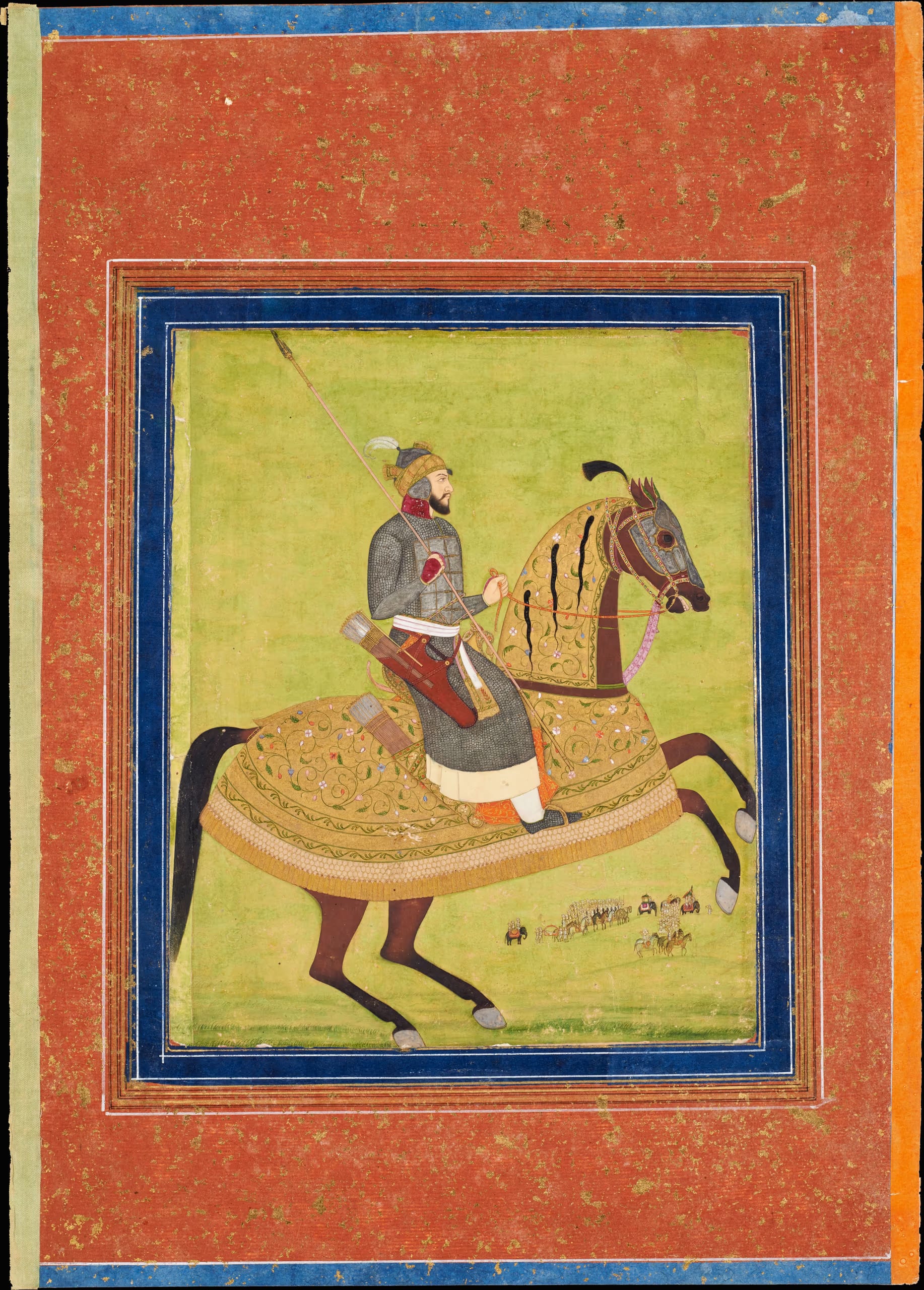
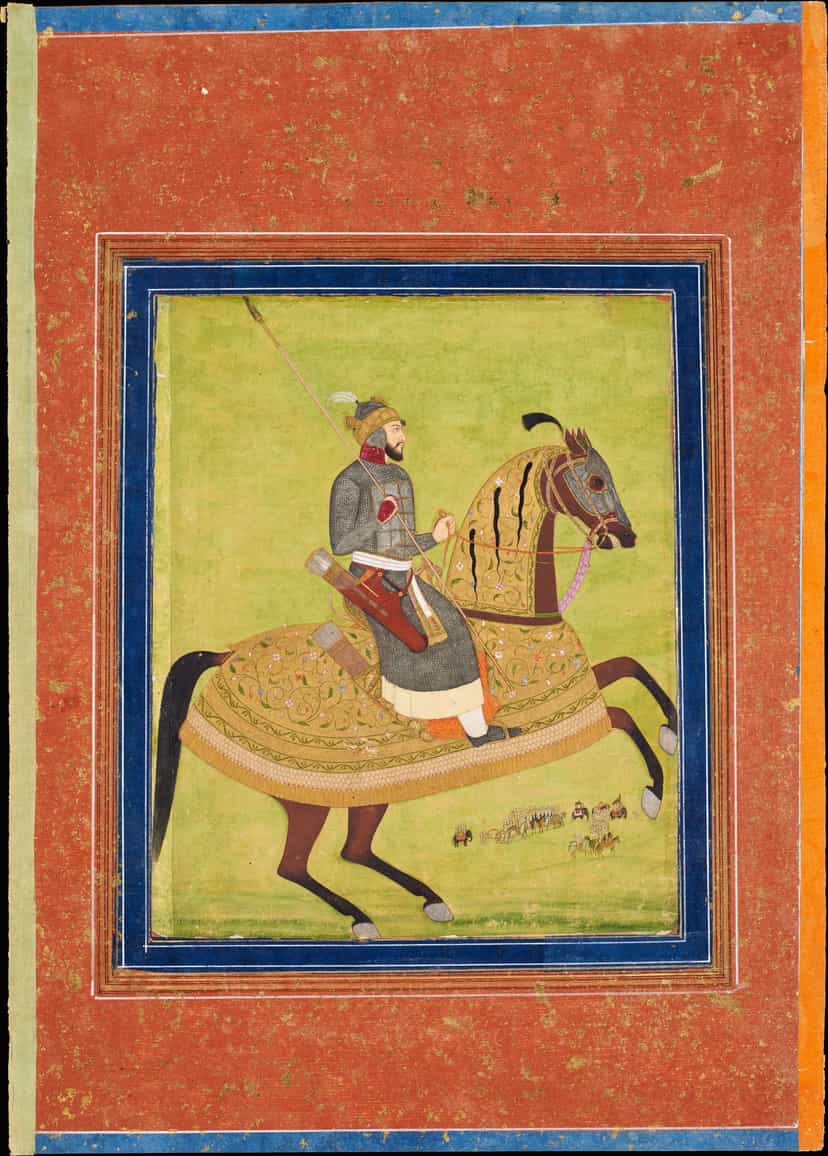
In March 1679 the Mughals walked back into Guwahati without a fight. There was no battle, no siege, no last stand on the ramparts. The narrows that the whole weight of an imperial army could not force were given away by Lachit’s brother in a signed understanding. Laluksola never enjoyed the bargain. The throne he schemed for stayed out of reach, and in 1680 he was assassinated, killed in his sleep as he had helped kill others.
The fugitive who became king
Out of that chaos came the unlikeliest of saviours. He was born Gadapani, a Tungkhungia prince of the royal line, and through the years of prince-killing he survived the only way an eligible heir could, by running. He hid in the hills and the frontier country for about two years while his enemies hunted the bloodline toward extinction. His wife Joymoti was seized by the henchmen of the puppet regime and taken to Jerenga Pothar, and there they tortured her for days to make her say where he was. She would not speak. She died of her wounds, and her silence kept him alive. He was somewhere in the hills when she died for him.
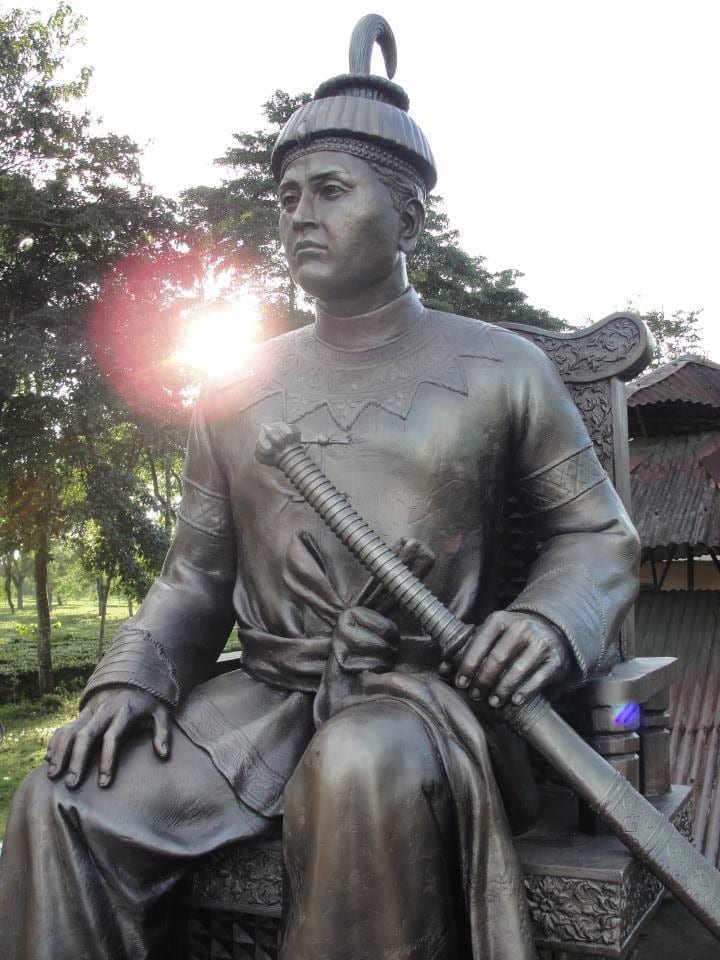
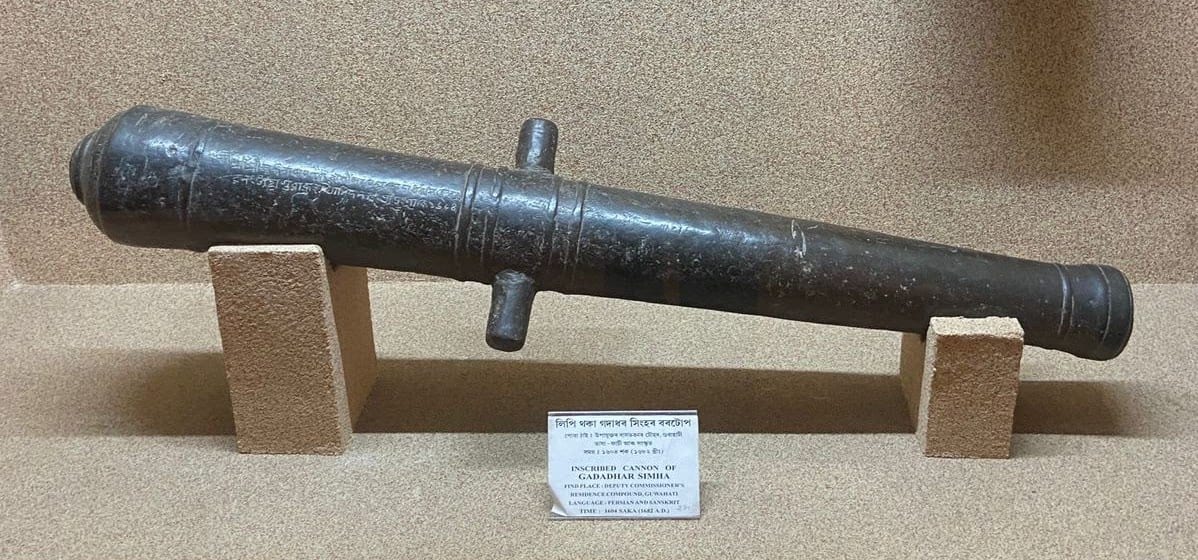
In 1681 the great nobles were desperate at last for a strong hand to end the ruin they had made. They found the fugitive, brought him down from the hills, and set him on the throne he had spent years fleeing. He took the Tai name Supatphaa and the Hindu name Gadadhar Singha, and was crowned the following year. He ruled, the chronicles say, by blood and iron. He broke the officers who had been making and unmaking kings, avenged the murdered Burhagohain and the wife who had died for him, and pulled the shattered state back into one hard fist. His first great object, before the kingdom was fully his, was the river gate his own frontier viceroy had sold.
The last battle on the river
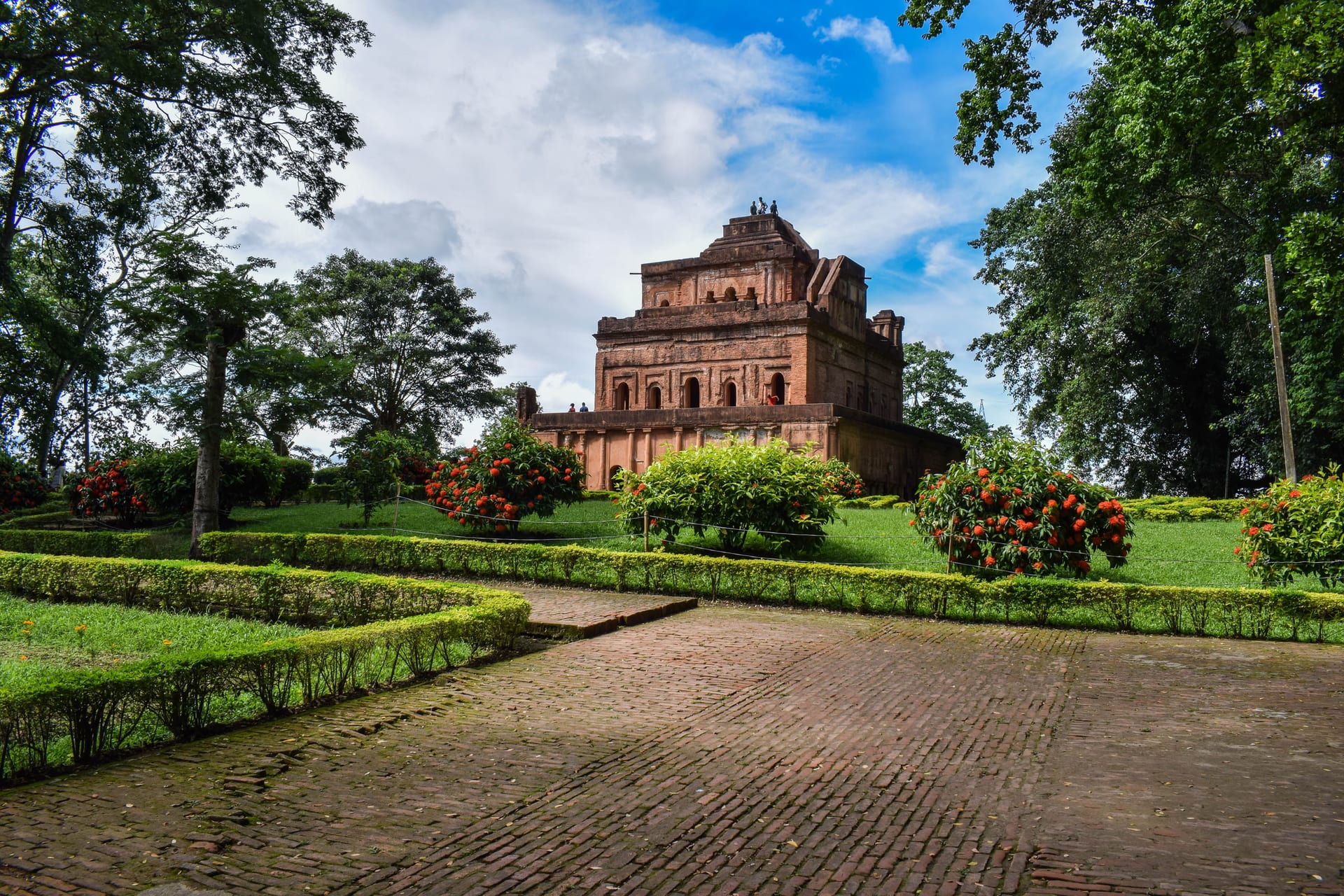
Through the spring of 1682 Gadadhar Singha turned the whole strength of the restored crown on the frontier, and the empire had little to spare for it. Aurangzeb had gone south into the Deccan to fight the Marathas, a war that would hold him for the rest of his life. His Bengal government was quarrelling with the English on the coast. At Guwahati the faujdar Mansur Khan lay ill and his soldiers were discontented. The rock of Itakhuli guarded the approach to the town. It was the same hill Lachit had stormed to open the war fifteen years earlier, and it carries the temple of Sukreswar today.
What came at it was not a charge but a squeeze. From March the army gathered under the Borbarua, Dihingia Alun. In June and July it came down in three columns. Holou Deka-Phukan and the Namdangiya Phukan took the north bank. Garhgayan Sanikoi Neog Phukan and Khamrak Charingiya Phukan took the south. The war-fleet came down the channel between them, under Bandar Barphukan and Champa Paniphukan. The forward posts fell one after another, Bahbari, Kurua, Kajali, Panikhaiti, until the Mughals had nothing left standing in front of the rock. The one real fight on land came at Sarania, where Ali Akbar, who commanded Itakhuli, came out to break the Ahom lines and was thrown back with heavy loss. That failure decided Mansur Khan, and on 17 July he quit his fort. Then the river closed the matter, as it always had. On 15 August the Ahom flotilla under the Dihingia Rajkhowa met the imperial boats at Paniduar and beat them, and the Mughal naval commander Jayanta Singha surrendered. Itakhuli was now a rock without boats. At dawn on the sixteenth Ali Akbar abandoned it without a fight, slipped down to Mansur Khan at Guwahati, and went secretly upriver to Rangamati. The cavalry under Indradaman, Dalan Singh and Kabir Khan ran for it overland. In the end nobody stormed the hill at all. Gadadhar Singha was not there and did not need to be. It was won in his name, on a restored authority that a year before had not existed, and it was won the way the Ahoms had always won, on the water.
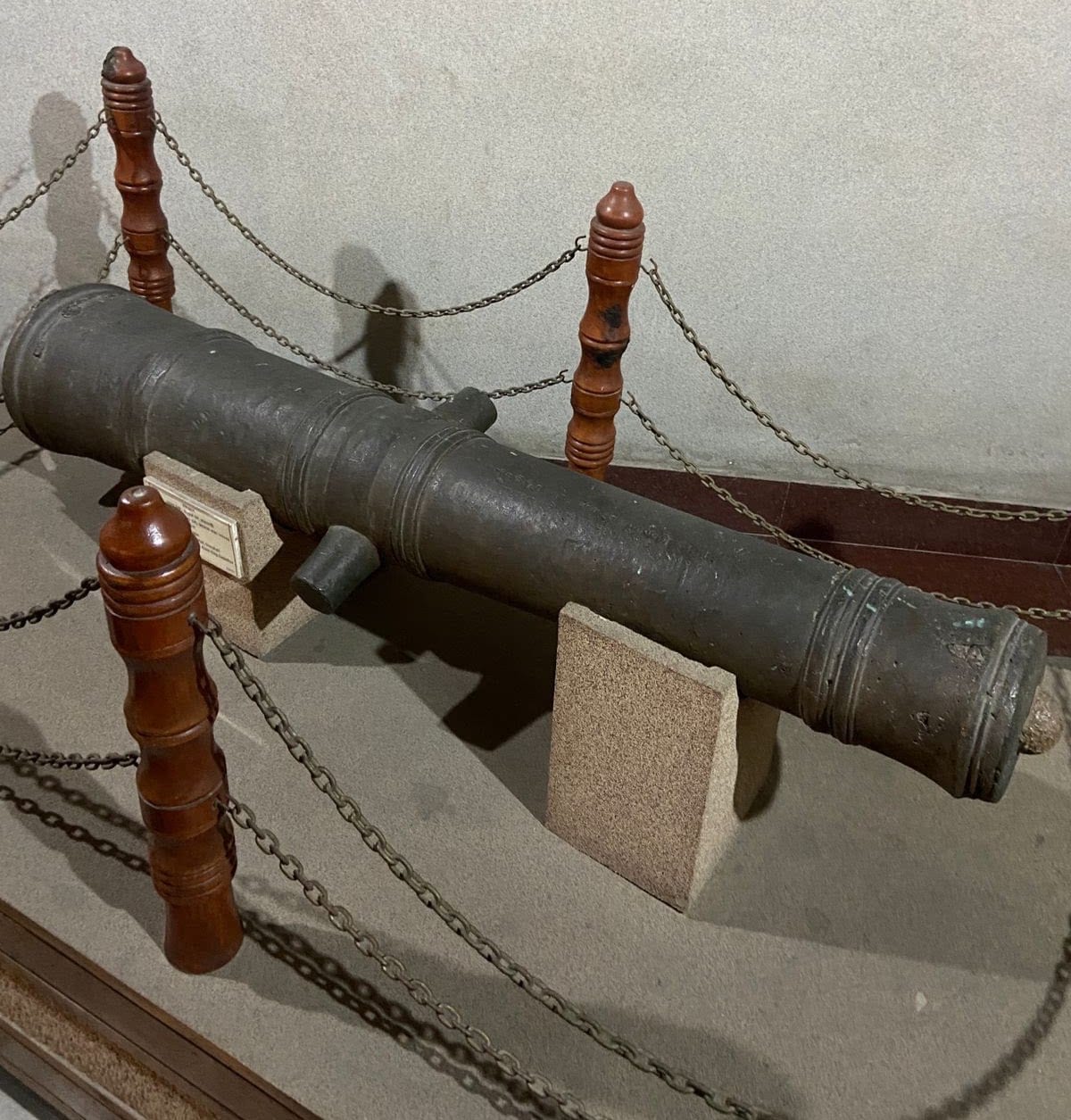
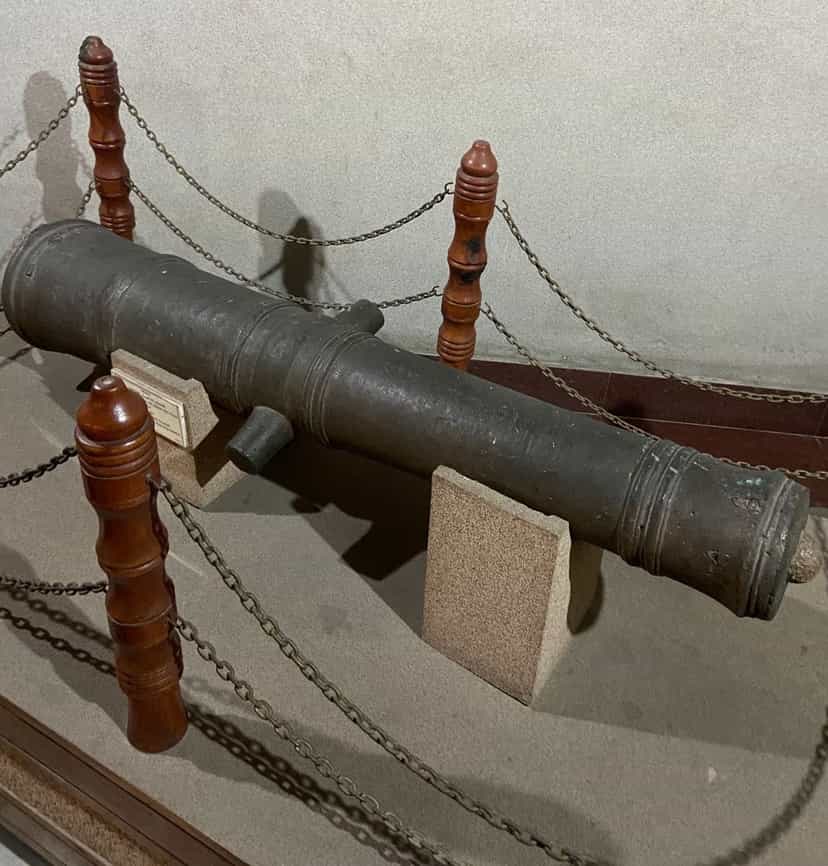
This time they did not stop at the gate. At Saraighat, mindful of the slaughter on the open plain at Alaboi, Lachit had refused to chase a beaten enemy onto dry ground. Now the mood was different. The Borbarua drove the broken Mughals westward by land and by water for nearly a hundred kilometres. He did not let up until he had run the empire clear back to the Manas, the river that comes down out of the Bhutan hills. The spoils, the chronicles record, were enormous, pearls and gold and silver, copper and brass and lead, weapons and the animals of war. Among the prisoners were kinsmen of Ram Singh, the Rajput prince who had failed on the same river eleven years before, and they were spared. From 1682 the Mughals made no further serious attempt on Assam, and the Manas stayed the western boundary for the rest of the Ahom period, more than a century. Gadadhar Singha ruled until his death in 1696 and founded the Tungkhungia line that carried the Tai-Ahom dynasty through its golden age. His son Rudra Singha inherited a restored and confident kingdom and raised it to its height. That was the age of temples and tanks and roads, built on the peace his father won on the river. The gate that Lachit defended with his dying strength, and that his brother sold for a promise, stayed shut for good after Itakhuli. Assam remained its own country until a different empire closed the long age of its independence, coming not up the river but over the eastern hills.