At the turn of the thirteenth century the most feared soldier in eastern India was a lean, long-armed Turkic adventurer named Ikhtiyar al-Din Muhammad Bakhtiyar Khalji. In the spring of 1206 he led ten thousand horsemen north toward Tibet, against every warning he was given, and crossed into the wet country at the edge of Kamarupa. A few months later about a hundred of them came back. What happened in between is told twice, once by the invader’s own chronicler and once in a single line cut into a boulder by the Brahmaputra, and the two accounts agree.
Taking Bengal with eighteen horsemen
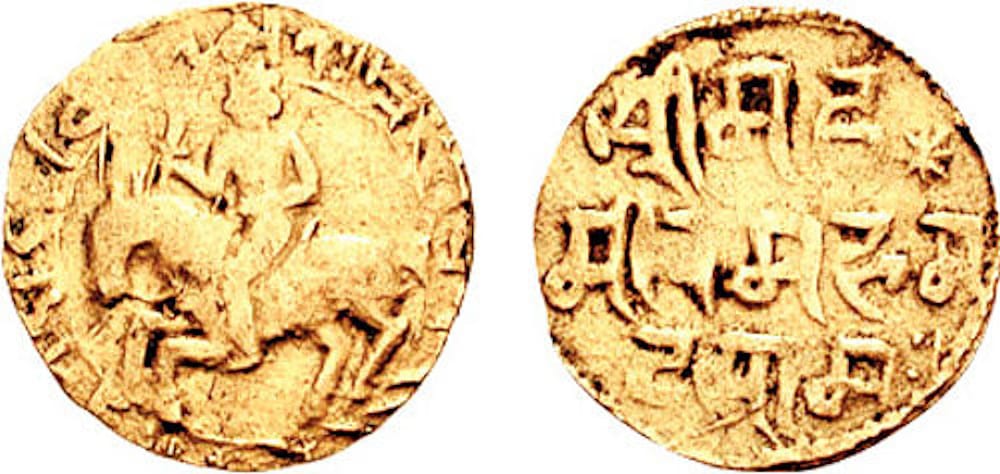
Bakhtiyar came out of the Ghurid wars as a freebooter with a gift for the impossible. Around 1200 he overran Bihar, storming a fortified monastery, and in the sack he is blamed for the ruin of the Buddhist seats of learning there. Then, about 1203, he did the thing that made his name. He rode so hard on the old Sena capital of Nadia that only eighteen horsemen kept pace with him to the gates, and the aged king Lakshmana Sena fled his own dinner table. Bakhtiyar made his seat at Lakhnauti, struck coin in his own name and had the Friday sermon read in it, the two acts by which a commander declared himself a sovereign. He was now lord of the newest frontier of the Muslim world, and he was a man whose every reckless gamble had so far paid off. That was the habit of mind he carried north.
North against every warning
Tibet drew him with the trans-Himalayan trade in warhorses and musk, and with the plain appetite of a soldier who had never been stopped. His guide was Ali Mech, a chief of the Mech people of the foothills who had lately accepted Islam, and the road he showed ran up along the rivers at the northern edge of the Kamarupa country. The king of that country, remembered in the valley’s tradition as Prithu, sent word to the Turk as the column approached. The chronicle records his message. He advised Bakhtiyar to put the expedition off to the next year and offered, when the season was right, to join it with his own army. Bakhtiyar refused to wait.
That refusal decided the shape of the whole campaign, because the road north ran through three peoples and Bakhtiyar had made a friend of none of them. His declared enemy, Tibet, waited at the top. The middle miles climbed through the country of the hill tribes, who owed him nothing. And the foot of the road rested in the land of a king whose alliance he had just brushed aside. Going up, the column passed unmolested. But every one of those miles would have to be marched again coming down, and how the men along it treated a beaten army would be a different matter from how they treated a fresh one. Deep in the hills the road crossed a mountain river on an old stone bridge of some twenty arches. Bakhtiyar understood exactly what it was worth, for it was the one door home. He stationed two of his amirs there with a garrison and orders to hold the crossing until the army returned, then led the column up into the gorges.
The battle and the long road back
For fifteen days the army climbed through country that gave it nothing, and on the sixteenth it came down into open, cultivated land, the southern edge of the Tibetan plateau. There, in front of a fortified town, it finally met the enemy it had come for. The Tibetan defenders came out on foot behind bamboo shields, in armour of lacquered cane, carrying long bamboo spears, and they fought the cavalry from morning until the day failed. The Turks held the field and took prisoners, but the cost appalled them. From the prisoners they learned what stood behind the town: a great city further on, and a force the captives put at fifty thousand horsemen, mustering to meet the invaders by morning. Bakhtiyar had ridden a mauled army to the edge of a war it could not fight. That night he gave the order to turn back.
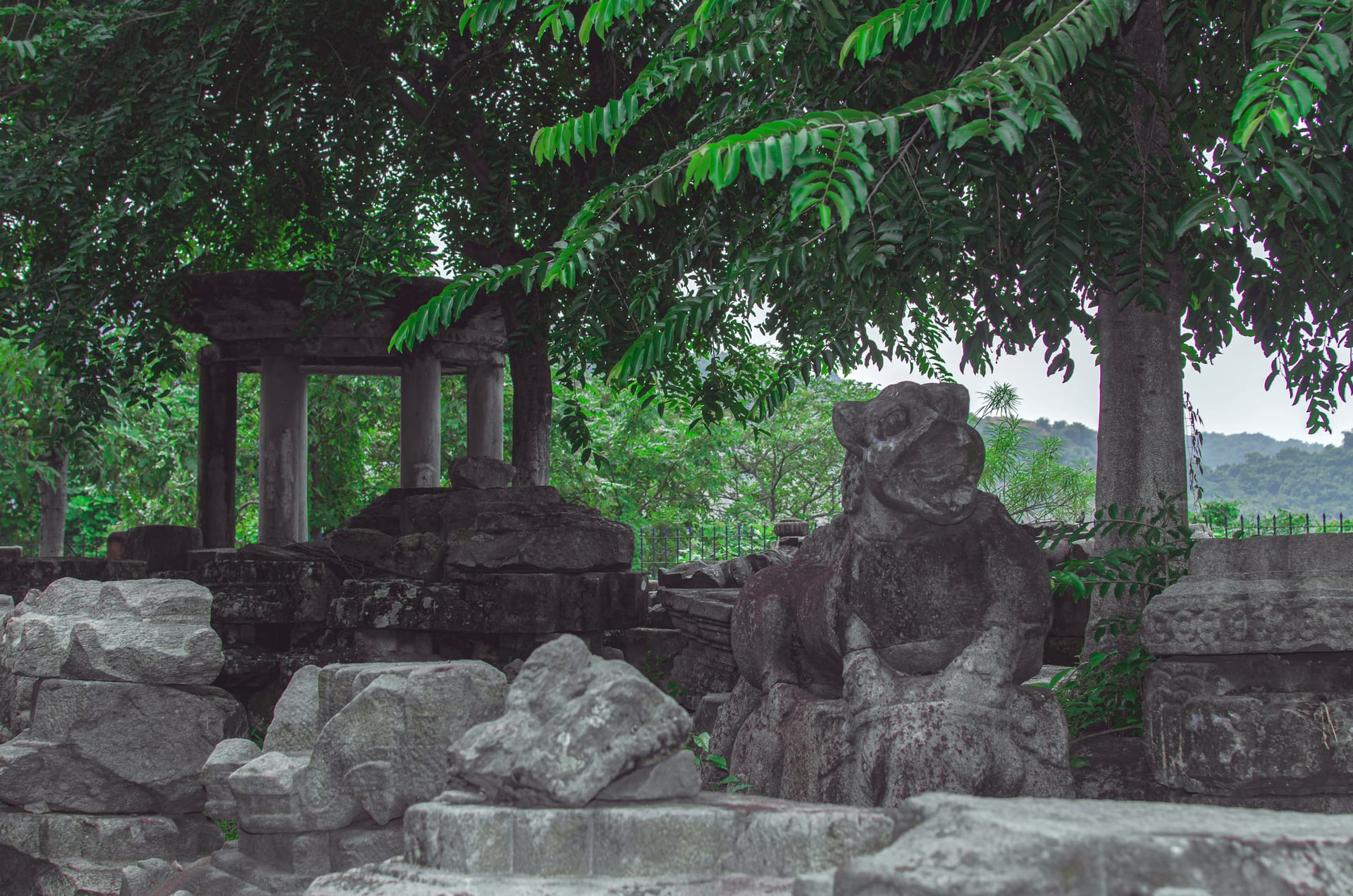
A beaten column now had to march back through the same mountain country it had climbed in fifteen days, and the hill tribes had already prepared for that return. They had burned the villages, driven off the herds and carried away the grain, so that the retreat found neither forage nor firewood in the whole breadth of the mountains. The horses starved first. The chronicle records without flinching what came next: the troopers killed their own mounts and ate them, cavalry consuming itself as it marched. Behind and above, the hillmen cut at the column on the narrow tracks, where a horse is a burden and not a weapon. The survivors came down at last to the river crossing, and the bridge was gone. The two amirs left to guard it had quarrelled, the garrison had broken up, and the hill people had pulled down the arches into the water. The one door home had been closed from the inside. Trapped on the wrong bank with the flood in front and the enemy behind, the army took shelter in a tall temple that stood near the crossing, and by one local tradition that refuge was the ruined shrine country of Madan Kamdev.
Word of the trapped column reached the Kamarupa king, and this is the moment his kingdom entered the war. The chronicle is explicit that what followed was done on his order. His forces did not storm the temple. Instead every man of the country was set to planting bamboo stakes, and a stockade began to rise in a ring around the invaders, a fence growing hour by hour, the army being walled in alive by the people of the king whose counsel it had refused. Bakhtiyar watched the palisade close and chose the river. He broke out through the unfinished fence and made for the bank, and someone told him the water could be forded. The column went in, and the ford was not a ford. The riverbed fell away beneath the horses, the current took the mass of men in mid-channel. The army of the Tibet campaign drowned almost entire, in sight of the enemy on the shore. Bakhtiyar got across with about a hundred horsemen. Nothing else came out of the water.
The line cut in the rock
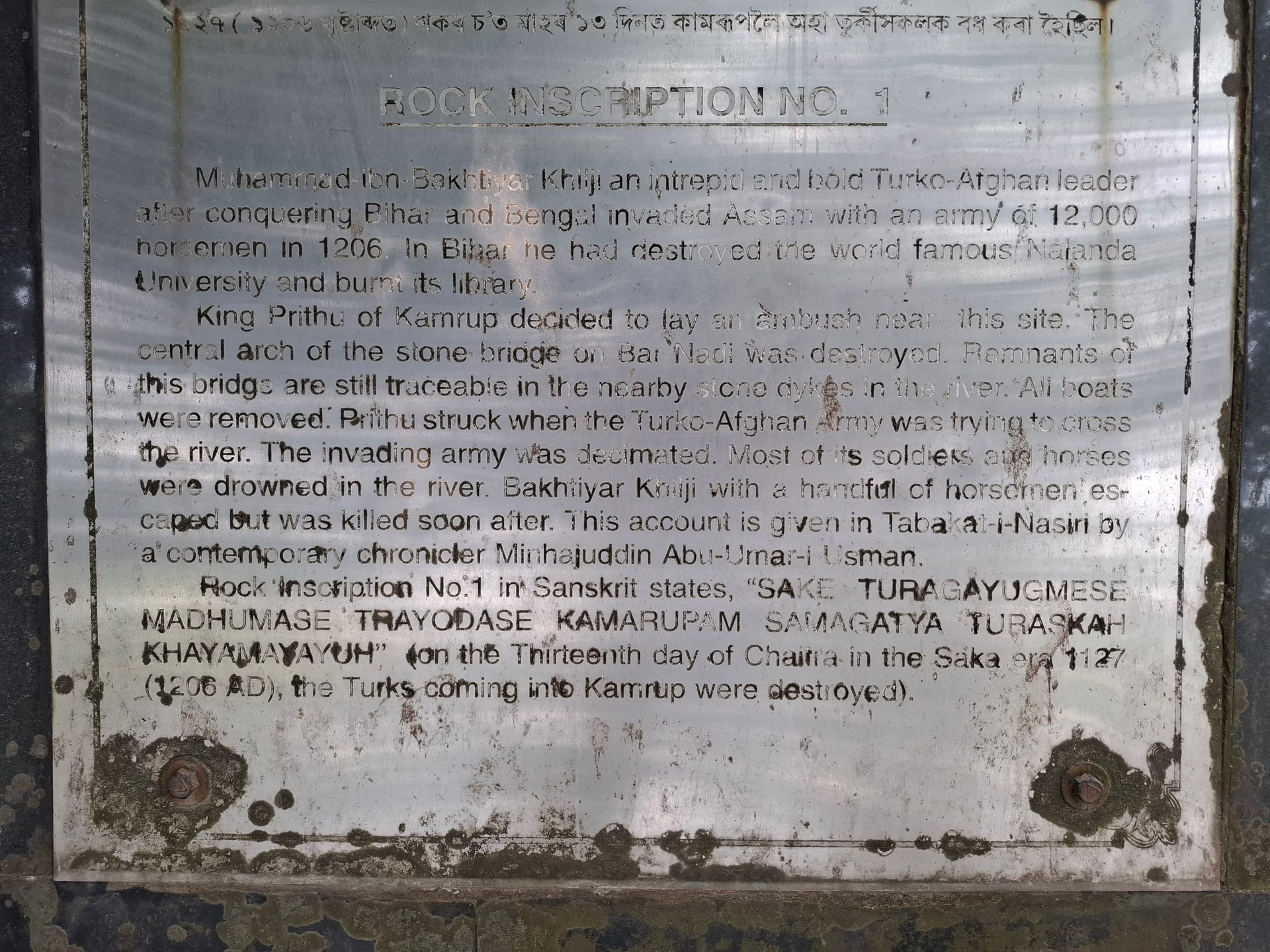
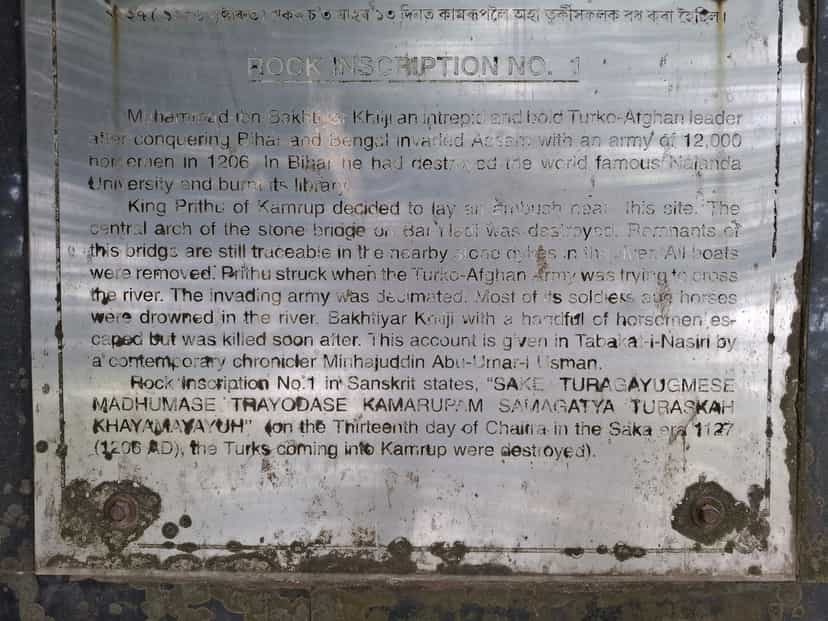
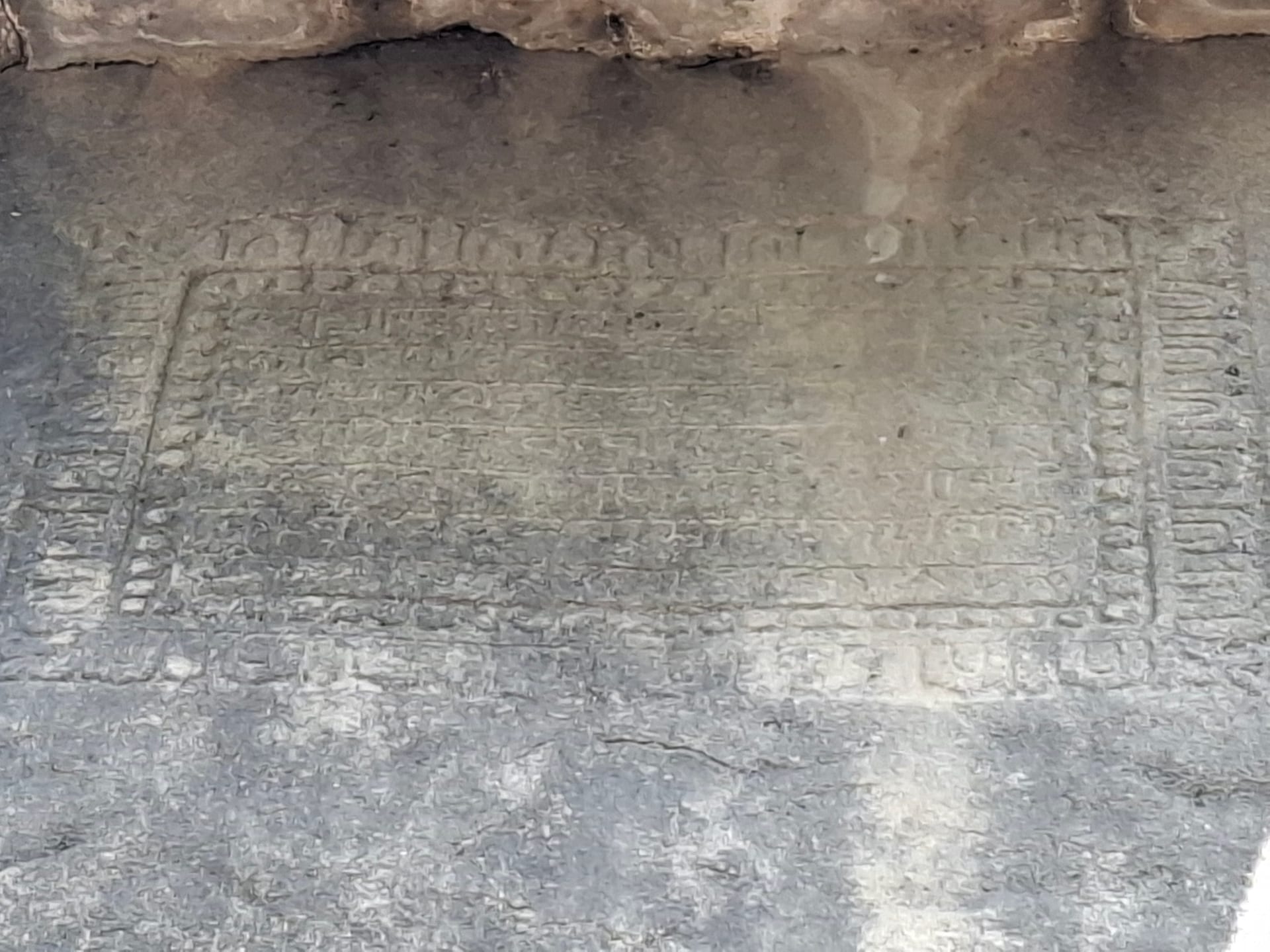
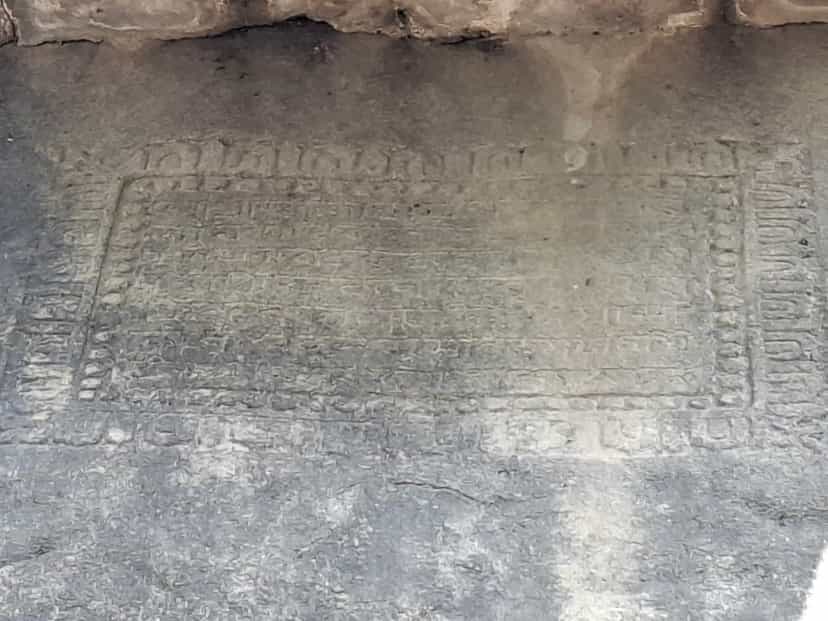
Of all the medieval clashes in the valley, this one is rare, because it can be dated from both sides. On a granite boulder by the Brahmaputra at North Guwahati, a short Sanskrit line was cut in the characters of the age. The language is the Sanskrit of the learned, but the letters belong to the valley’s own eastern script, by this date within reach of the hand that would write Assamese. It records that in the Saka year 1127, which answers to 1206 of the common era, the Turks who came into Kamarupa met their destruction. The finer reading, an exact day in the spring month of Chaitra, is debated, and a stone weathered for eight centuries does not give up its letters easily. But the year, the fact and the pride in them are not in doubt. The rock takes its later name, Kanai-boroxi-bowa, from a carving nearby of the boy Krishna with a fishing rod, which has nothing to do with the battle at all. Invader and defender wrote down the same disaster in the same year, the one as the worst defeat of a great career, the other as a victory worth cutting into stone.
What the river kept
Bakhtiyar reached Devkot in the Bengal plains a broken man. The chronicle preserves the measure of his shame: when he rode out, the women and children of the town would point at him from the rooftops and jeer, and he stopped riding out. He sickened, and in that same year of 1206 he died, by the common account stabbed on his sickbed by his own officer Ali Mardan Khalji, who wanted the frontier for himself. The fullest record of the whole affair is the Tabaqat-i-Nasiri of Minhaj-i-Siraj, set down around 1260 by an author who had governed in Lakhnauti himself and gathered the story where its memory was still raw. The frontier Bakhtiyar had carried so far east stopped at the rivers of the valley. For Kamarupa the victory was the last great act of a kingdom already dissolving into the smaller houses of the medieval age, and the memory outlasted the kingdom that made it. More than four centuries later the Mughals of Aurangzeb would come up the same Brahmaputra with the weight of an empire behind them and learn the same lesson.