
The Manipuri Queen
A Manipuri princess sent to seal a treaty, widowed and taken by the rebel who seized the Ahom kingdom. From inside his household she helped engineer his killing.
Kuranganayani came to the Ahom court as the seal of a treaty. She was a princess of the Meitei royal house of Manipur, sent across the eastern hills to bind two kingdoms together after an Ahom army had put her kinsman back on his throne. Within two years the king who married her was dead, the palace she had come to was in the hands of rebels, and she had been taken by force into the household of the man who had seized the Ahom kingdom. The chronicles remember her for what she did from inside that captivity, and for the fact that a foreign-born queen turned out to be the last piece of the Ahom court still working.
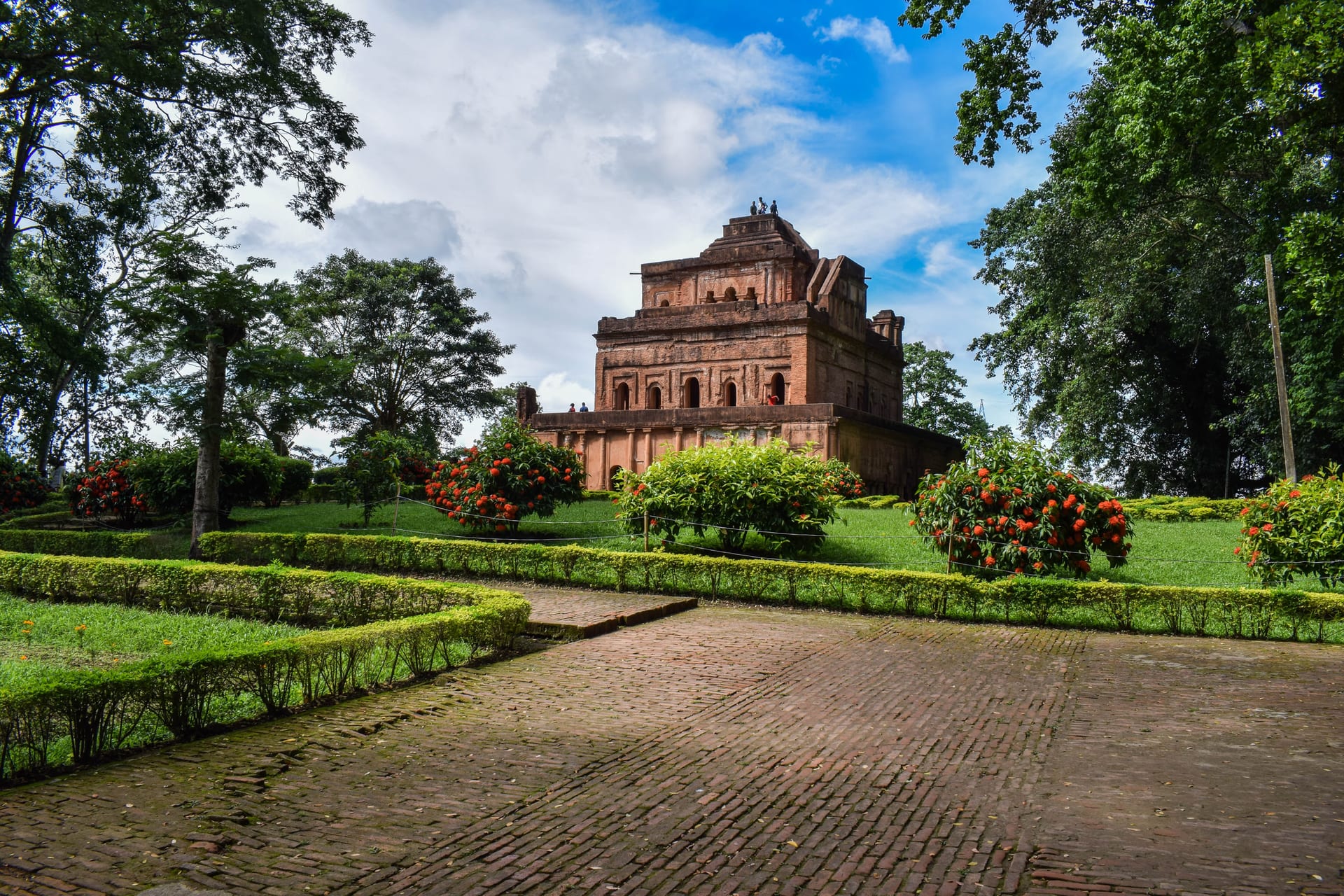
A marriage across the hills
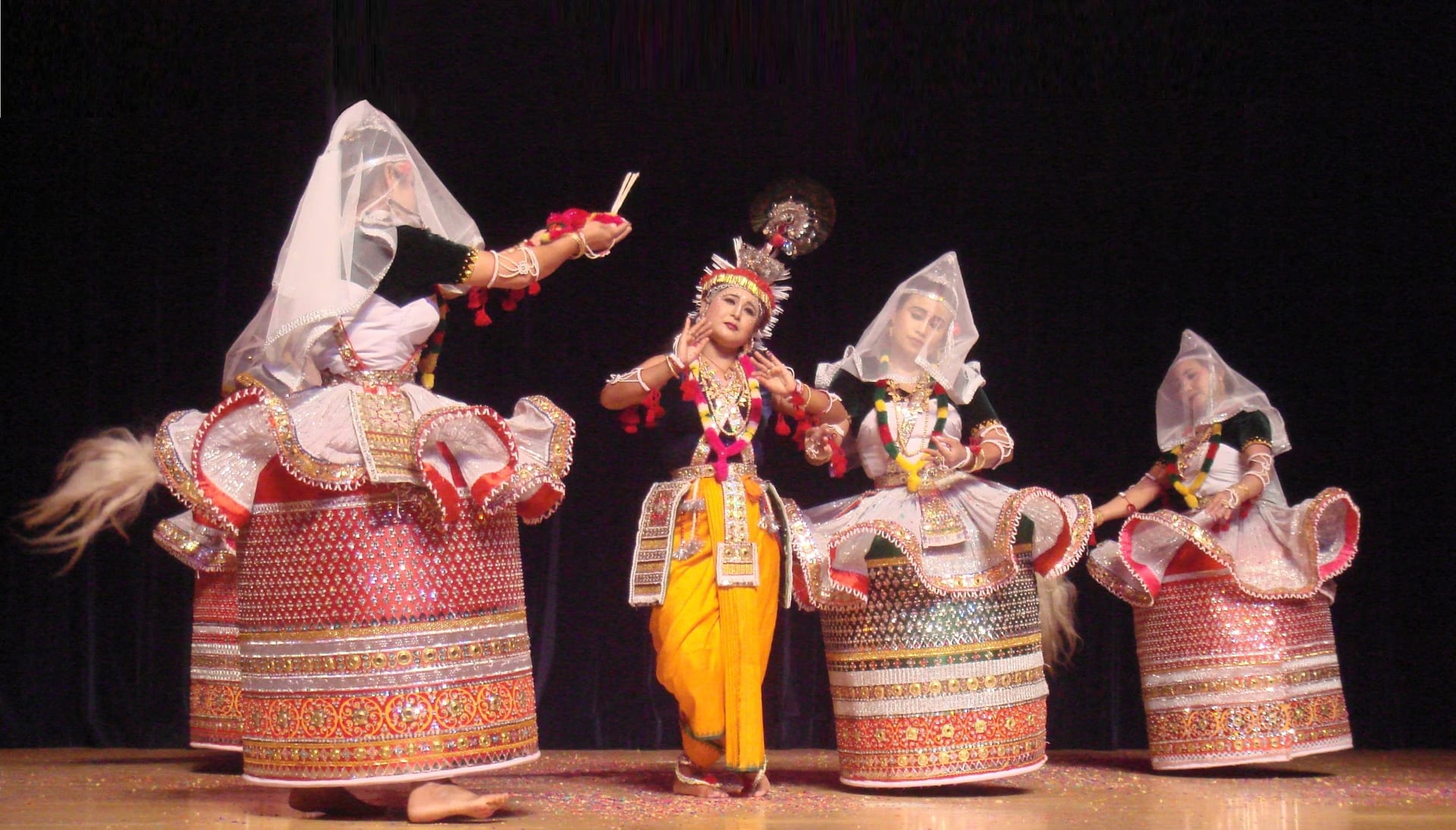
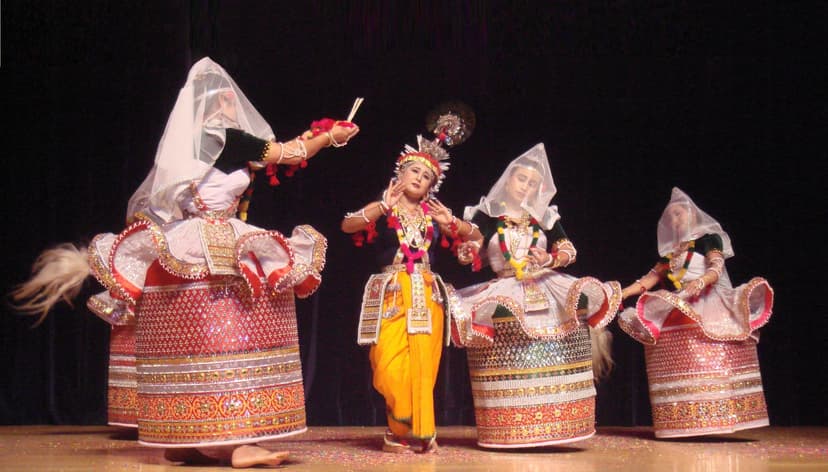
The bond began with a debt. In the middle of the eighteenth century the ruler of Manipur was driven off his throne by the Burmese. The Assamese chronicles call him Jai Singh, and Manipur remembers him as Ching-Thang Khomba, or Bhagyachandra. He is the king credited with shaping the Ras Lila that the Manipur valley still dances. Bhagyachandra came to Assam for help, and the Ahom king Rajeswar Singha offered it. In 1765 an Ahom army went over the mountains to restore him, and that first attempt was a disaster of jungle and hunger that the chronicles remember as the Lotakota ron, the War of the Creepers. A second force got through in 1767 by the southern route through the Kachari country, and Bhagyachandra was put back on the throne.
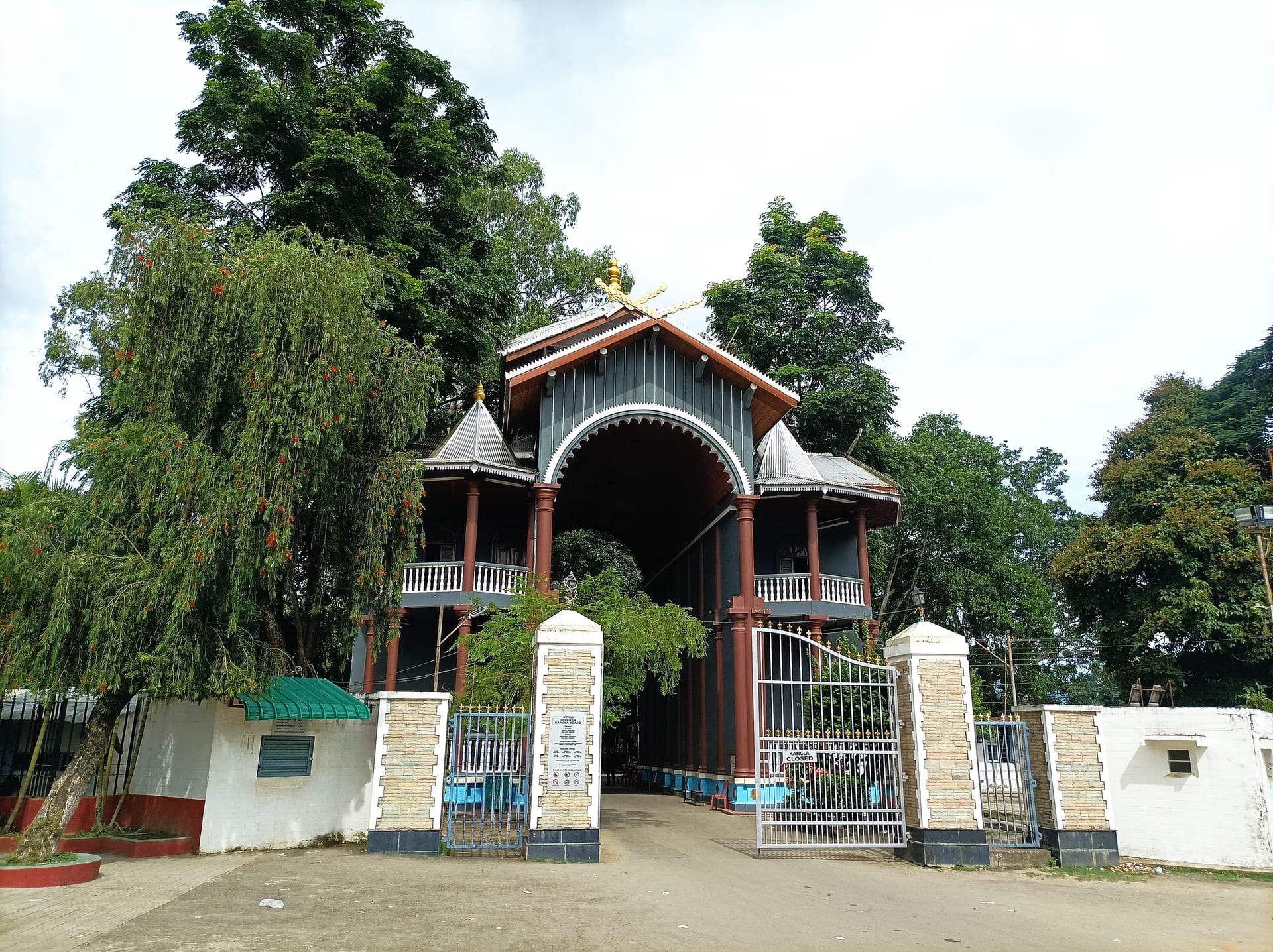
The alliance was then sealed in the old way. Out of Manipur came Kuranganayani, a daughter of the royal house, to enter the Ahom palace in 1768 as a queen of Rajeswar Singha, and the Manipuris who travelled with her were settled near the mouth of the Desoi river at a place that is still called Magaluhat, the Manipuri market. It was an ordinary piece of eighteenth-century statecraft, a woman moved between courts to hold a treaty in place, and nothing about it suggested she would matter to anyone but her husband.
The court falls
She had very little time as the wife of the king who brought her. Rajeswar Singha died in 1769 and the throne passed to his brother Lakshmi Singha, and by the custom of the court she passed with it and became the new king’s queen. Within months the kingdom she had married into came apart. That autumn the followers of the Moamara sattra rose. Theirs was a Vaishnav order of the upper valley whose disciples, most of them Moran cultivators, took no life in sacrifice and bowed to their own Guru before any king. Around 1720 a queen of the court, Phuleswari, had their Mahanta, the head of the order, marked on the forehead with the blood of a sacrifice he had refused to make. To an order that killed nothing, being smeared with it was defilement, and nothing was done about it for fifty years. Then in 1769 two insults from the judicial officer of the Ahom state, Borbarua Kirti Chandra, lit the rising. He abused that Mahanta’s successor in public over a matter of precedence and had the Moran chief Nahar beaten. Out of those two acts came the Moamoria rebellion that would take forty years to burn out. That November, on the twenty-first, the rebels took the Ahom capital at Rangpur, and what followed was the thing the Ahom state had never imagined, the throne itself in the hands of the men it had despised.
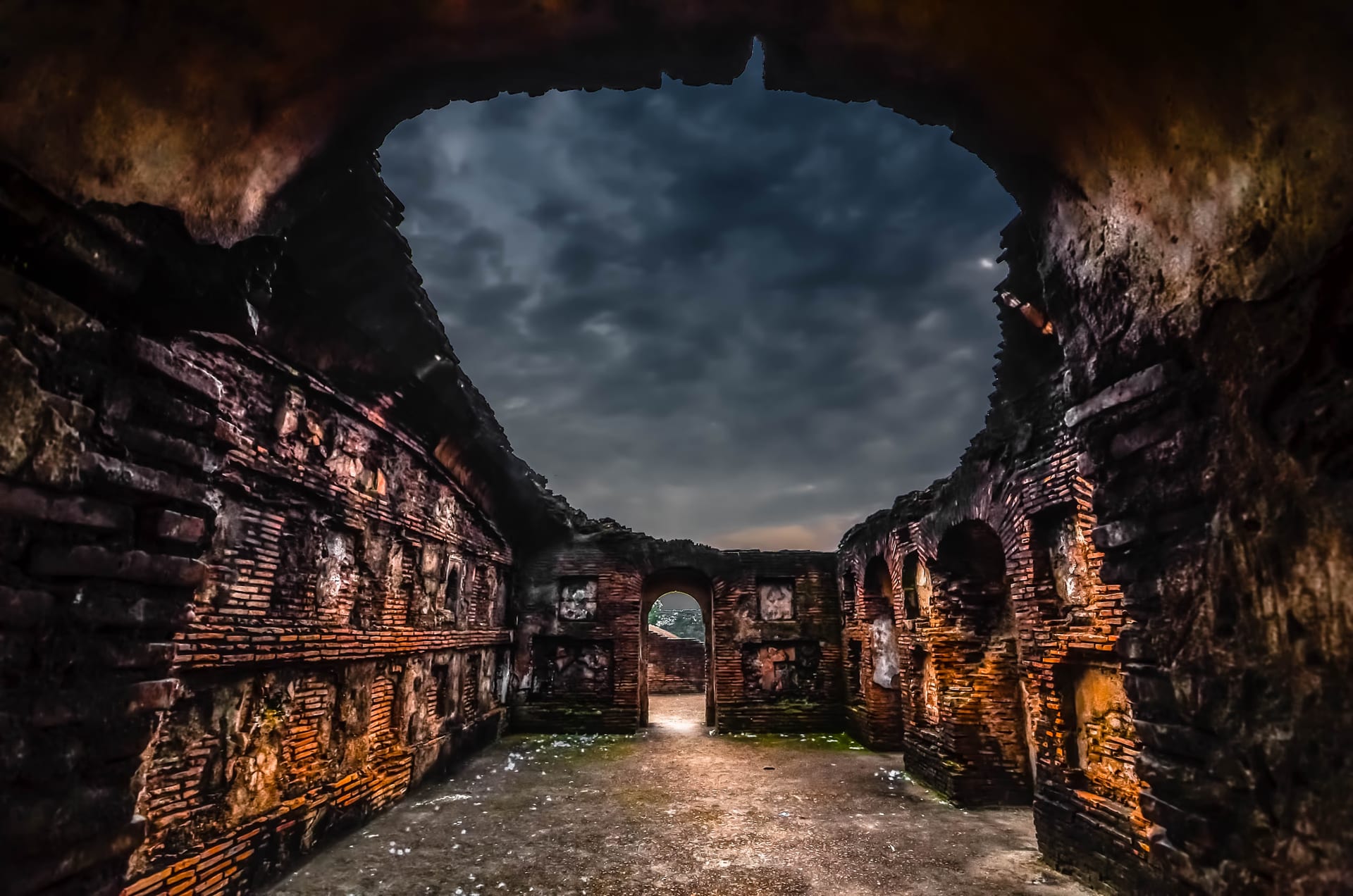
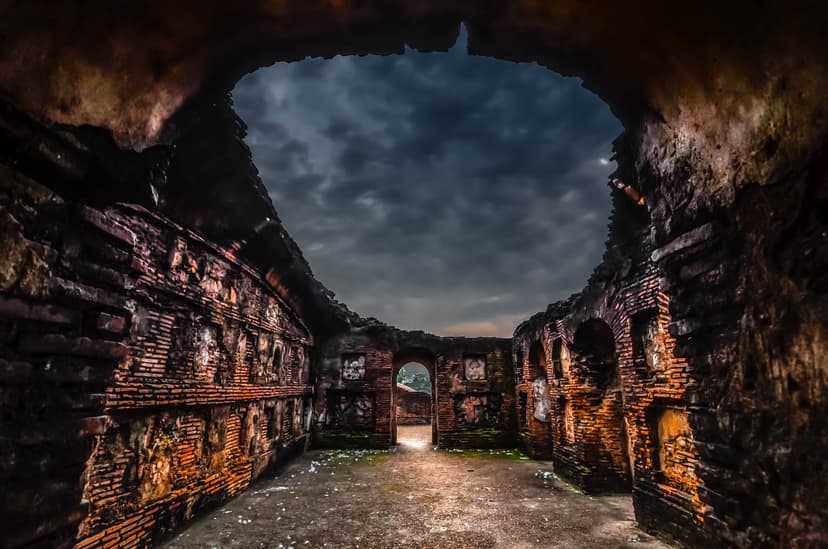
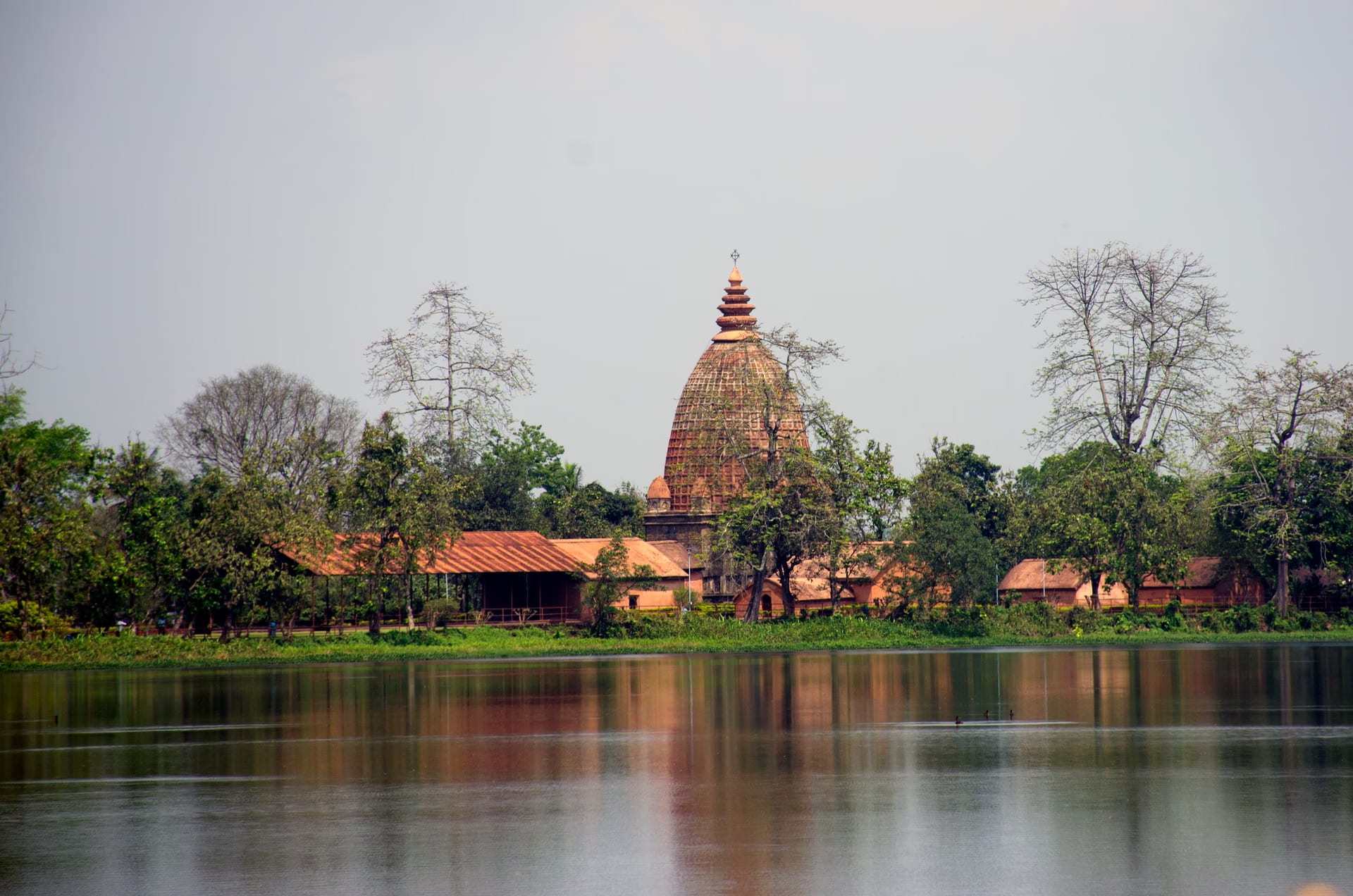
Lakshmi Singha was seized and shut up in the temple at Joysagar, and he kept his life only because the Mayamara Mahanta asked that it be spared. Many of his nobles were killed. The rebels crowned a king of their own, Ramakanta, a son of the beaten Nahar, and struck coins in the new king’s name. Real power stayed with a Moran named Ragha, who had led their advance up the north bank and now took the office of Borbarua for himself, the very office whose holder had provoked the rising. The women of the captured palace were treated as spoils of the victory, and the new Borbarua took the queens of the royal household into his own, Kuranganayani among them. The queen who had been sent as the seal of an alliance was now bound to the man who had destroyed the house she was sent to join.
The night before Bihu
Kuranganayani made herself agreeable, played the compliant consort, and waited. From inside the household of the man who held the kingdom, she kept a line open to the surviving royalists who were plotting in hiding to take the capital back. The opening, when it came, came out of the rebels’ own strength. Their army was an army of cultivators, and when Bihu arrived in April, the fighters went home to their villages for the festival and the planting, leaving the capital thinly held.
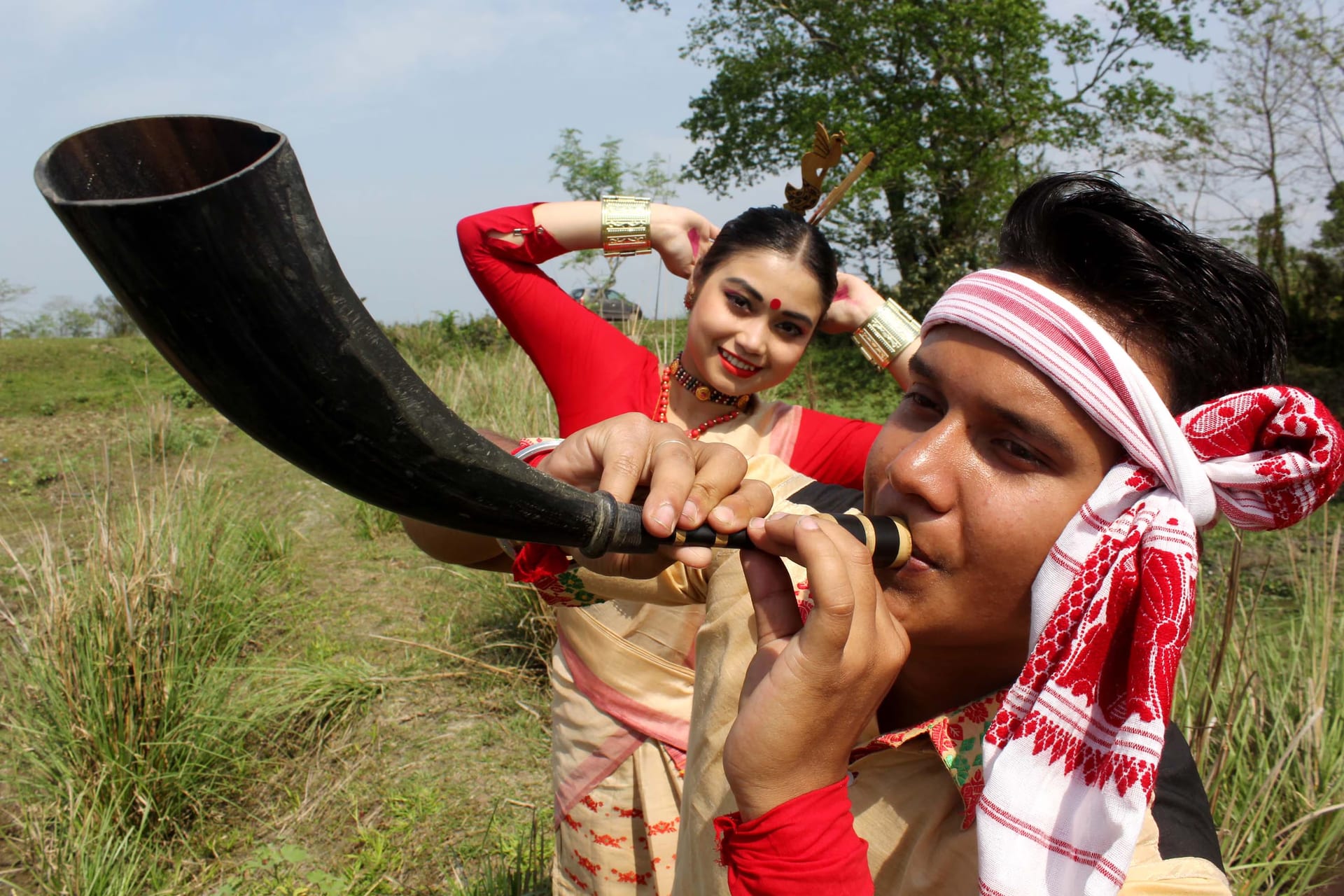
On the night before Bihu the royalists struck. The firmer accounts say they got into the capital and cut the Borbarua down. It was Kuranganayani’s knowledge of the household and her place at its centre that made the blow possible at all. The version the storytellers prefer has her lure him herself, coaxing him to receive a band of loyalists who had come disguised as festival dancers, and striking the first blow from behind as he bent to greet them. The date is given as the eleventh, or by other reckonings the fourteenth, of April 1770. Ragha was dead, the rebel order collapsed with him, and the royalists retook Rangpur and freed Lakshmi Singha from the temple.
The reprieve was not long. The Moamaria war flared again within a decade and burned, in the end, down to the foundations of the Ahom state, so that what she saved lasted a generation rather than an age. Her own end is a silence. The buranjis that made her a heroine of the recovery do not follow her past it, and her death goes unrecorded.