Joysagar is a vast artificial tank at old Rangpur, in today's Sivasagar. It is one of the largest man-made tanks in India, often called Asia's second-largest, with a cluster of temples along its banks. The Ahom king Rudra Singha excavated it in memory of his mother, the martyred princess Joymoti. It is one of the great works of Ahom hydraulic and religious building.
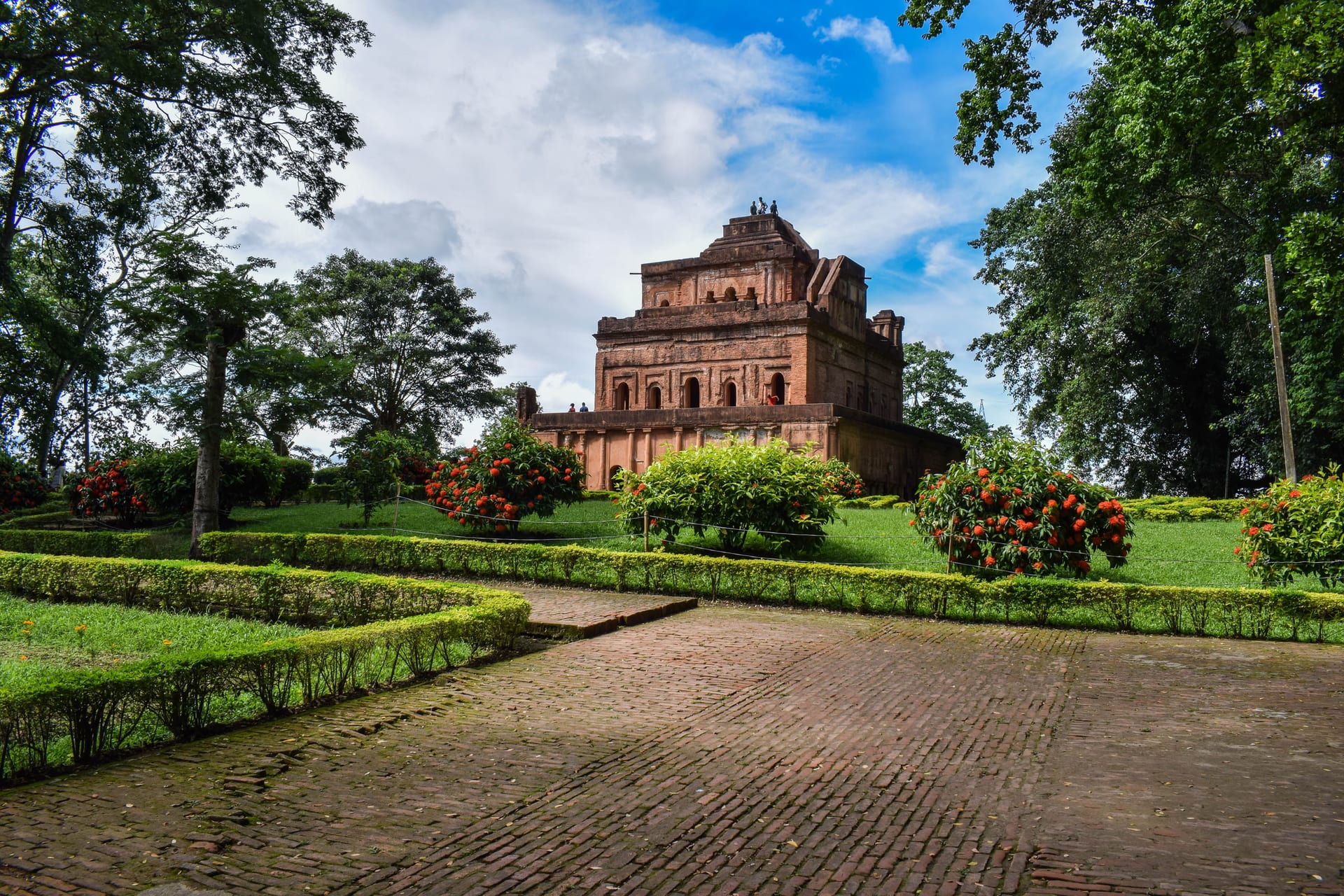
A tank for Joymoti
Rudra Singha was born to Gadadhar Singha and Joymoti. He named the tank Joysagar at the very start of his reign, honouring a mother he had lost as a child. Her story belonged to the most violent phase of Ahom court history. In the years before Gadadhar Singha took the throne, princes of the royal line were hunted down, killed, or mutilated so that they could never rule. Then still a fugitive prince, he went into hiding to escape this purge.
Joymoti stayed behind. By tradition, the reigning powers seized her to force her to reveal where her husband was. She refused, and endured prolonged torture rather than betray him. She died of her injuries, and her sacrifice let Gadadhar Singha survive to seize the throne and found the line that Rudra Singha continued. She is remembered as Sati Joymoti, a byword in Assam for loyalty and endurance. The great tank is thus a monument of dynastic memory as much as of public works: a son's tribute, carved into the land itself, to the mother whose death made his kingship possible.
The great tank and the temples on its bank
The tank is a sheet of water of about three hundred and eighteen acres, though the figure is disputed. By tradition it was dug in just about forty-five days around 1697, at the command of Rudra Singha. It was raised by the labour of the paik levies the kingdom could call up under its system of service. Its embankments were built so high that the water stands above the level of the surrounding plain, an engineering feat that still impresses.
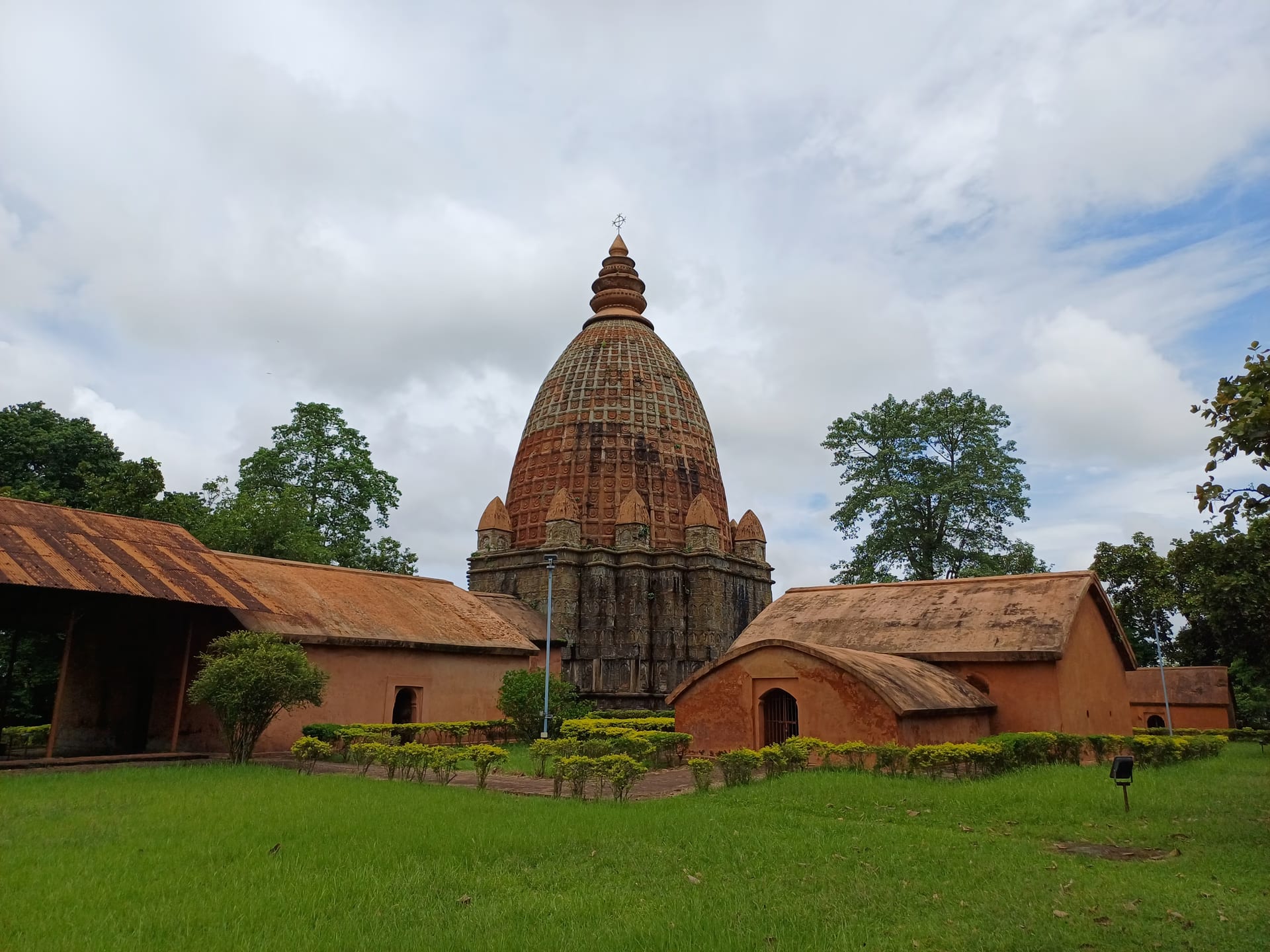
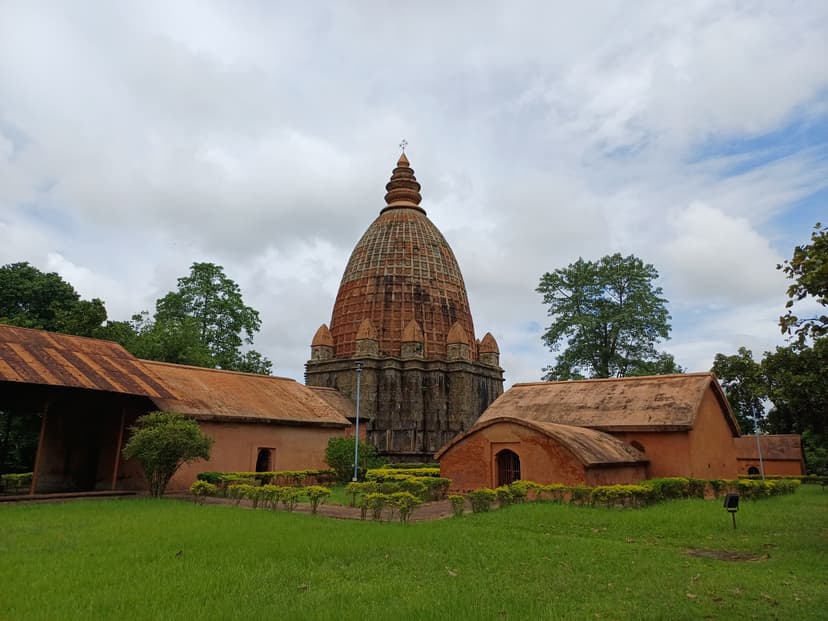
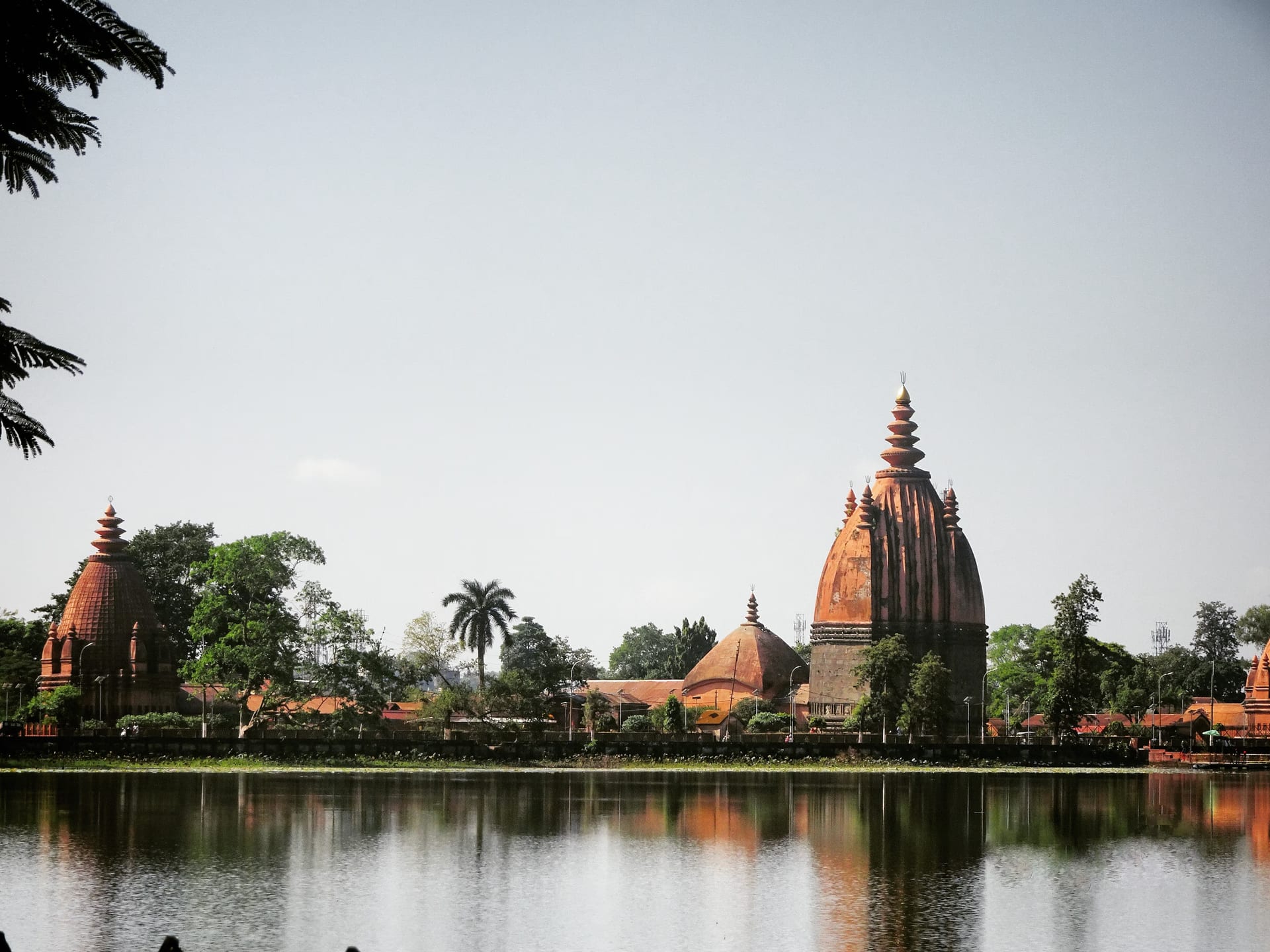
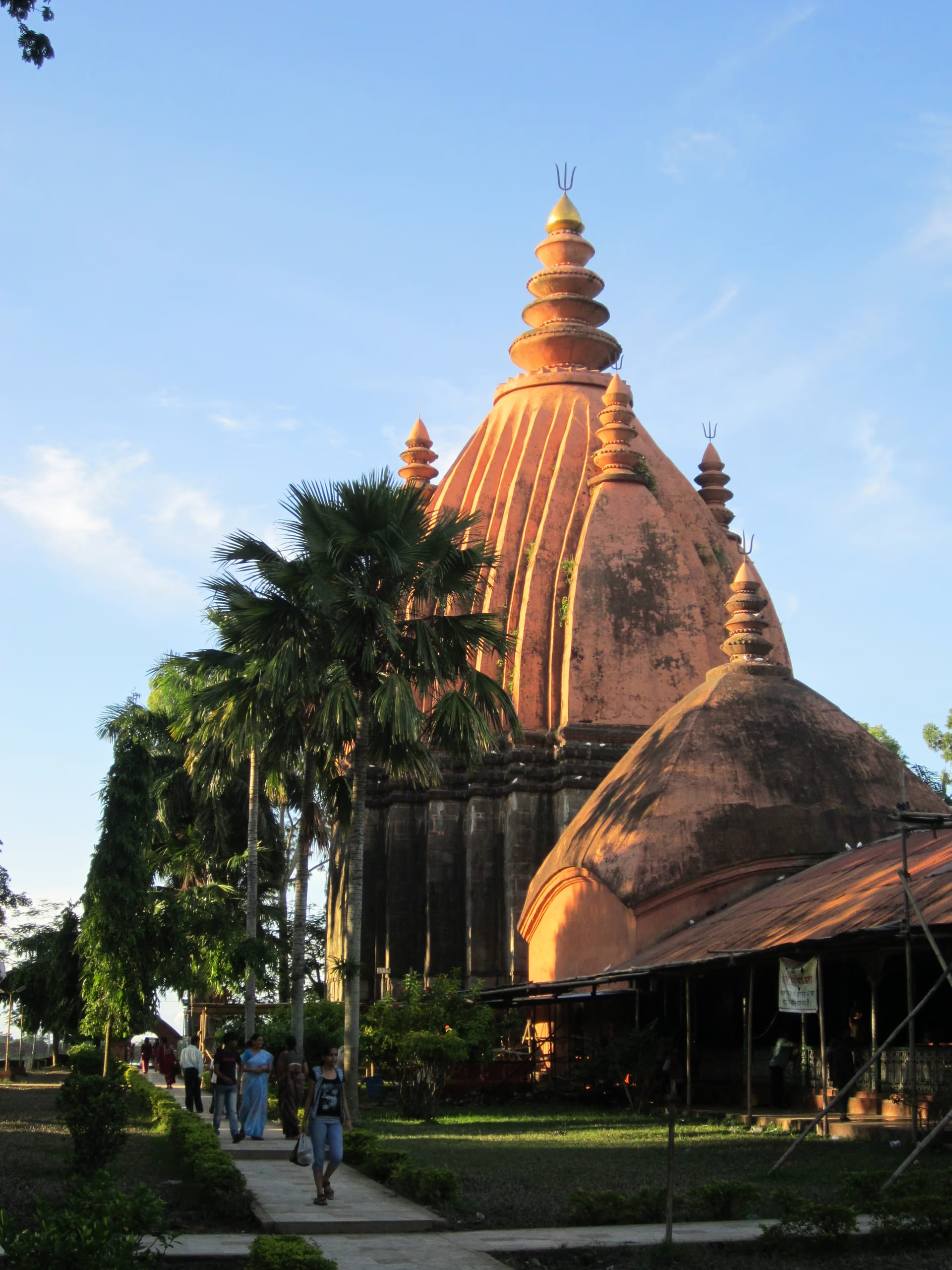
Along the high embankments stand several temples raised in the same period. The Joydol, the Vishnu temple, is the principal shrine. The presiding form is Kesavaraya, also called Keshabrai in Assamese usage. With it above the water stand its own smaller Shiva temple, the Baidyanath Dol, and a Devighar for the goddess. They are built in the distinctive Ahom dol form: a high curvilinear tower over a square sanctum. They belong to the wave of temple-building that Rudra Singha began and his sons carried on, the same wave that raised the towering Sivadol on the town's Sivasagar tank a few decades later, the work of the Bar Raja Ambika, queen of Siva Singha. The walls of the Joydol carry a sculptural program of celestial beings and scenes of Ahom court life and royal pastimes.
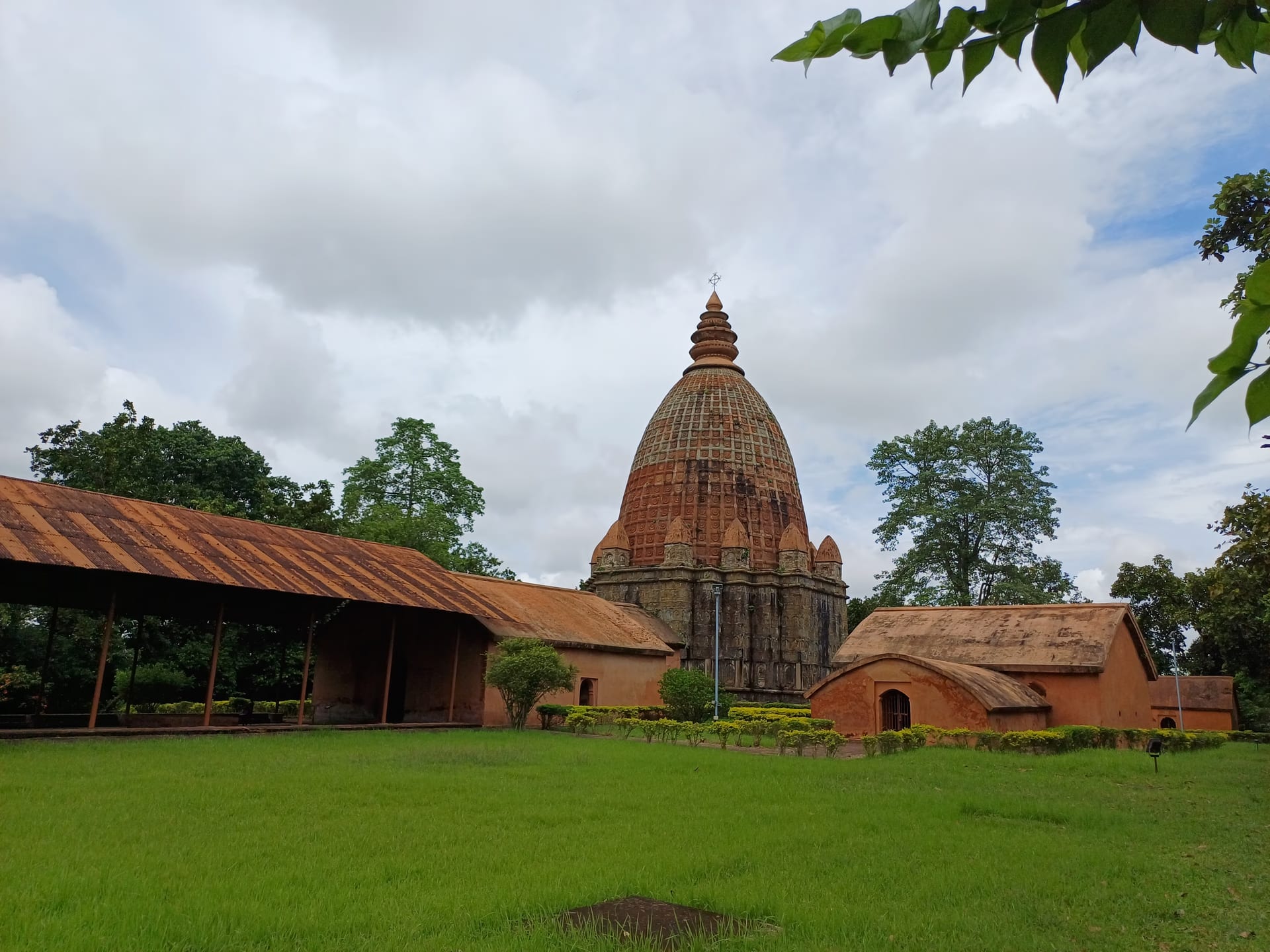
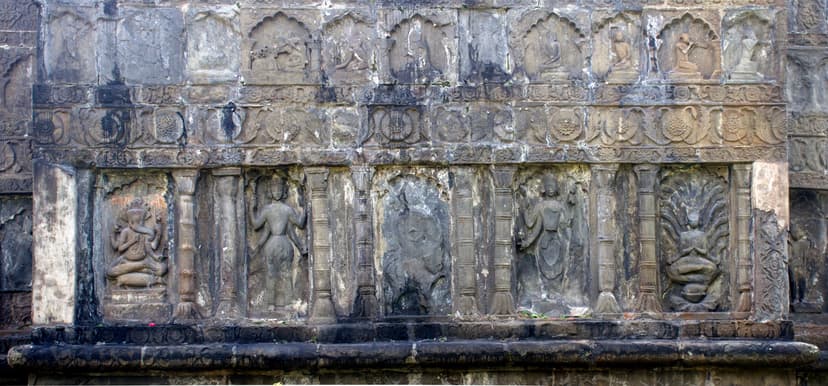
Close by stands the building remembered as the Ghanashyam house, named for the master builder of Rangpur.
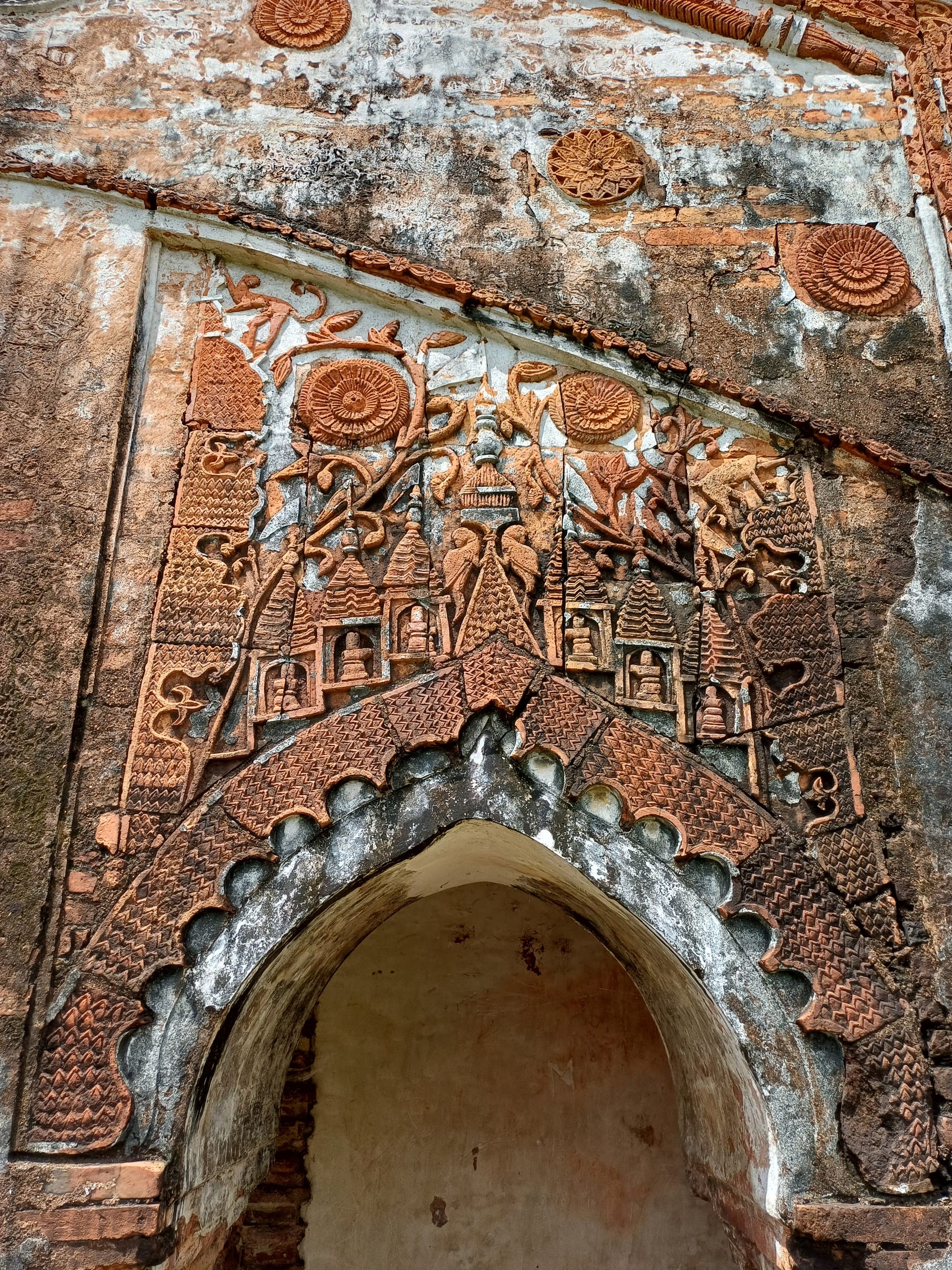
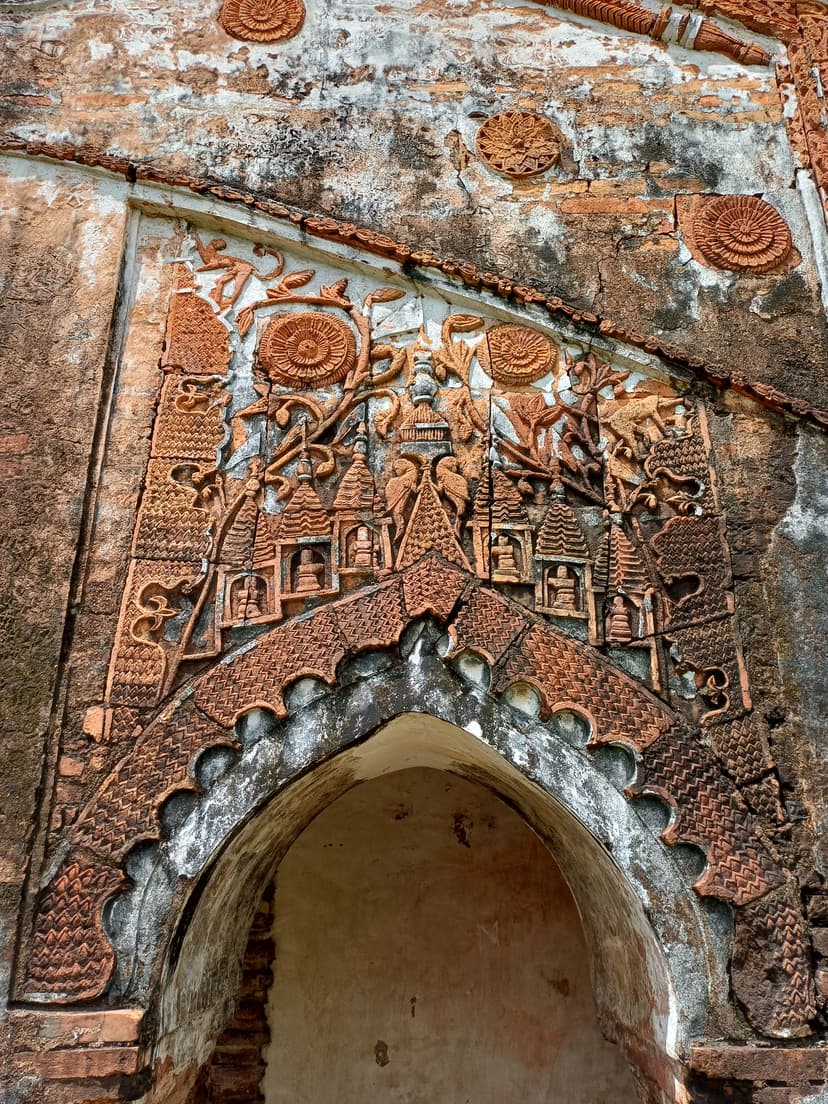
The bankside group and the broad sheet of water below it make a single composition of worship and waterworks. The visitor sees, in one prospect, the piety and the engineering that the Ahom court so often joined. Such tanks were never only reservoirs. They gave the country water through the dry months. They displayed the reach of a king who could move earth on this scale. They also earned religious merit for the ruler who dug them. Joysagar is thus at once a work of public utility, of royal propaganda, and of piety, the three motives of Ahom building joined in one. It belongs to a family of great tanks. Joysagar, Sivasagar and Gaurisagar together remain the defining feature of the Sivasagar landscape.
Visiting
Joysagar lies a short way south of the Sivasagar town centre, on the ground of old Rangpur. It is easily combined with the Talatal Ghar, Rang Ghar and the Sivasagar tank and temples on a tour of the Ahom capital. The tank is worth the stop for more than its scale. The light on the water at dawn and dusk is among the finest in upper Assam. From here the natural onward step is east to Charaideo, the first capital and dynastic necropolis. Its maidams hold the very kings, Rudra Singha among them, who dug these tanks and raised these temples. The cooler, drier months from November to March are the best time for the visit.