
There is a kind of forest the world agrees is too precious to lose, and there is a kind of forest that loses everything anyway. Manas was both at once. In 1985 it was inscribed as a UNESCO World Heritage Site, a great sweep of country rising from alluvial grassland into the Bhutan foothills, running unbroken across the international line into Royal Manas on the far side. It was named a treasure of the whole planet. Then the years of unrest came down on it like weather, and the place the world had honoured was quietly stripped of almost everything that made it worth honouring.
The story of how it came back is not, at heart, a story about an animal. It is a story about the men who did the stripping, and about what it took for the same hands to fill the forest again. It is one of the strangest and most hopeful turns in the history of conservation anywhere, and it happened twice, on the same ground, in the same way.
What was at stake
To understand the loss, you have to know what Manas is. It is not one habitat but a stack of them, climbing in a few kilometres from the hot wet grassland of the plain, through tropical forest, up into the cooler broadleaf woods against the Bhutan hills. That range is why the park holds so much. Well over four hundred kinds of bird have been recorded here, where the birds of the Indian plains meet the birds of the Eastern Himalaya. Tigers move through the grass. Wild elephants cross between Manas and Bhutan along corridors older than any border.
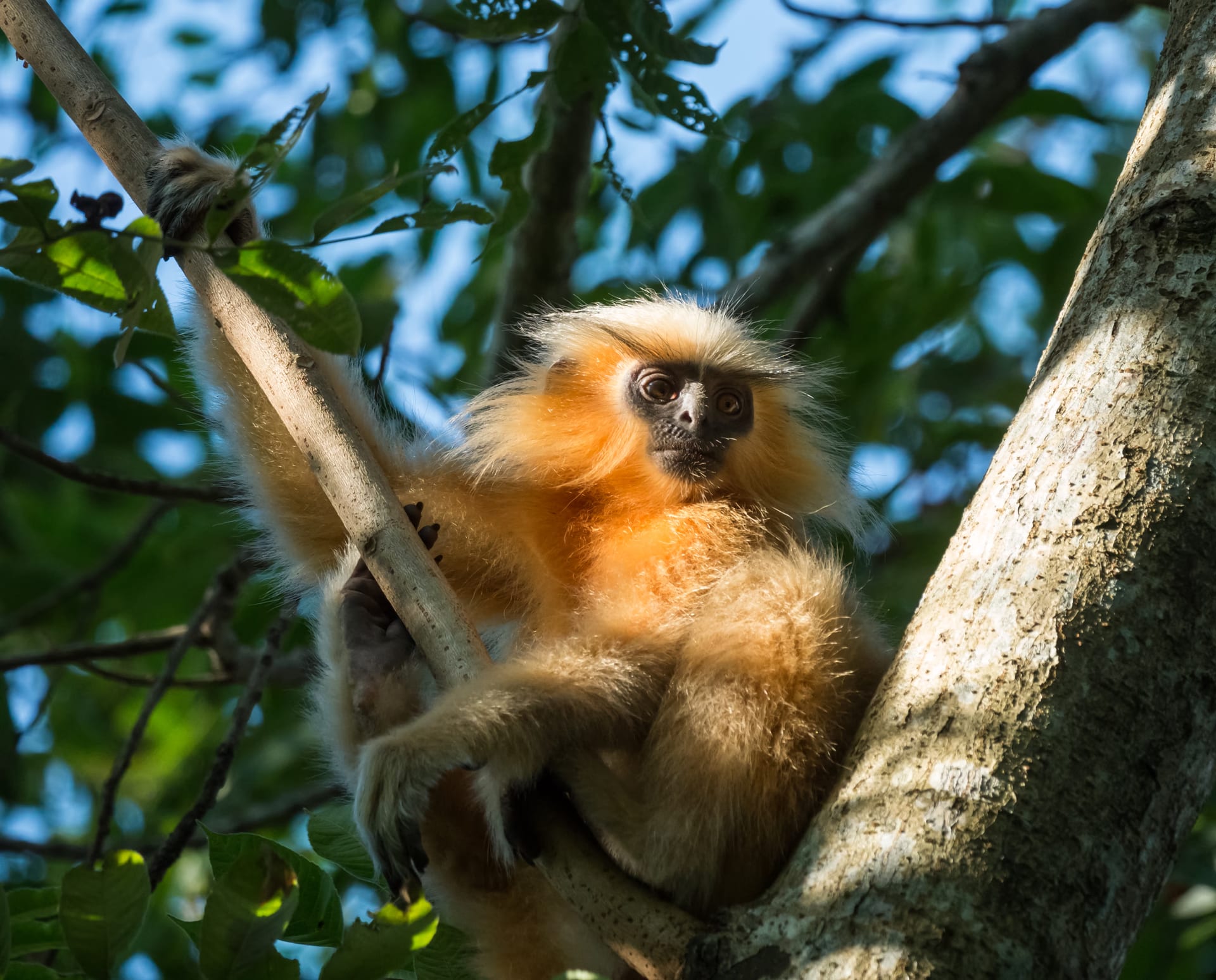
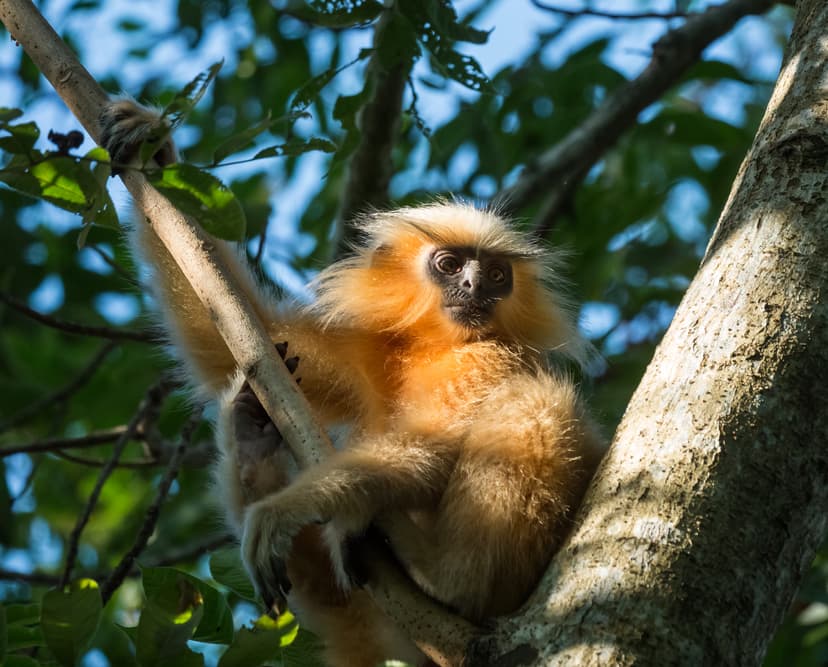
Above all, Manas is the home of the golden langur, a slender, endangered monkey with a coat the colour of pale honey and a long tail curved like a question mark. It lives only in a narrow belt of forest between the Manas and Sankosh rivers and the Bhutan foothills, and almost nowhere else on earth. The park was, in large part, created to keep it safe. When the guns came into the forest, all of this stood exposed at once. It was not a single rare animal in danger. It was one of the richest assemblies of life in Asia, left open to whoever chose to take a piece of it.
A treasure emptied
Through the late 1980s and into the 1990s, the armed phase of the struggle for a Bodo homeland turned Manas into a battleground, and a national park is a fragile thing to fight over. The state’s grip loosened. The guard camps stood empty or burned. The forest lay open to anyone with a gun and a reason, and there were many of both. What followed was not a war on the wildlife so much as a slow bleeding of it under cover of the larger conflict.
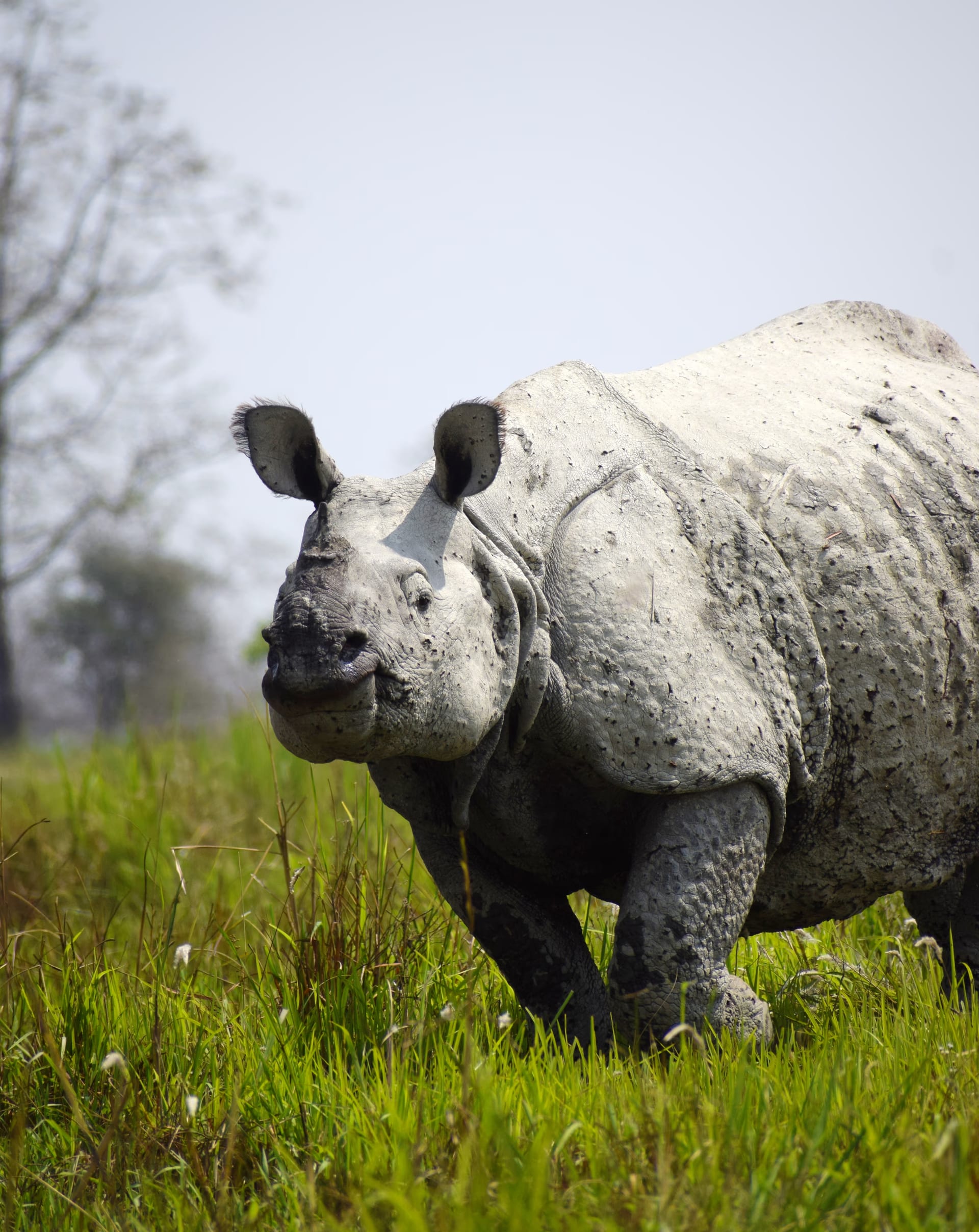
The rhinos went first, and they went completely. One by one, across two decades, the whole population was shot out, until effectively none were left in a park that had been famous for them. The swamp deer thinned. The tiger numbers fell. The elephants were harried. Bridges, bungalows and patrol posts were burned where they stood, so that even the bones of protection were gone. By the time the fighting slackened, the western range of the park was a shell. The roads were broken, the rest-houses gutted, the grass grown wild over the tracks. A visitor from the 1980s would have found the same hills and the same rivers, and almost none of the animals that had made the place a wonder. In 1992 UNESCO placed Manas on its List of World Heritage in Danger, a public admission that one of the planet’s recognised treasures was being lost in real time, and that no one seemed able to stop it.
The wider story of the valley’s rhino, how the species came so near to vanishing everywhere and what it cost to hold it, belongs to a different telling, the one centred on Kaziranga’s flooded grass.
Here the point is narrower and harder. The men in the trees with the rifles were not strangers shipped in from somewhere else. They were local. Many of them were young, out of work, and swept up in a cause. And the forest they were emptying was their own, the country they had grown up in, the ground their people had lived on for generations.
The men who laid down the guns
The turn, when it came, came from inside that same world. In December 2003, as the long conflict was winding toward the political settlement that would create the Bodoland Territorial Council, a group of local youth from the fringe villages founded the Manas Maozigendri Ecotourism Society. What they proposed was almost unbelievable on its face.
They went to the poachers. These were not distant criminals but men they had grown up beside, men many of them had been. And instead of hunting them down or handing them to the police, they asked them to come over. To lay down the guns. To walk into the forest from the other side of the work, not to strip it but to guard it. Dozens did. The society helped collect their weapons, which were surrendered through the new Bodoland administration, and put the men on the payroll of protection instead. Today most of its field staff are former poachers, patrolling the very ground they once plundered.
The logic of it is deceptively simple, and it is the heart of the whole story. A poacher’s knowledge of a forest is total and intimate. He knows every game trail, every grass island, every water hole where an animal will come to drink at dusk. That knowledge does not evaporate when he changes sides. It simply points the other way. The best guardian of a forest, it turns out, is often the person who knew best how to destroy it.
It matters, too, that this was done by the community and not to it. The society grew out of the Bodo villages on the park’s southern fringe, the same people whose homeland the long struggle had been fought over. For them the forest was never an abstraction on a map. It was the land their festivals and their gods and their weaving all came out of, and its ruin during the fighting was a wound to them before it was a loss to the world.
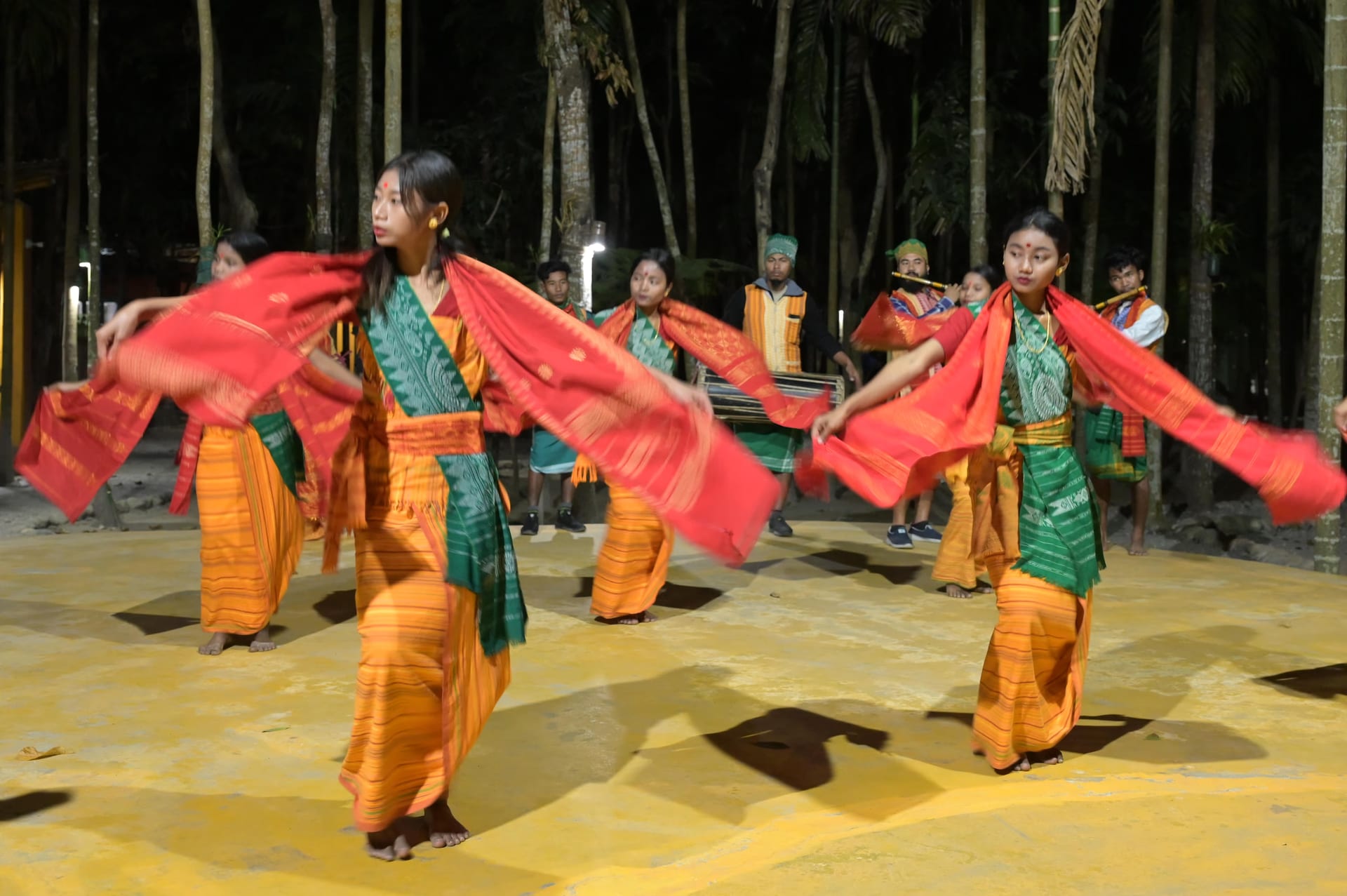

So when the young men set up the ecotourism society and began to bring the poachers over, they were not policing outsiders. They were mending something in their own house. That is why it held where a policy imposed from far away would almost certainly have failed. The people at the edge of the park had decided, for their own reasons, that the forest was worth keeping, and a forest its own people have chosen to keep is very hard to empty again.
The man who turned back
The human face of that turn is Budheswar Boro, a Bodo of the Manas country who spent the years of unrest as one of the men stripping it. Then the work itself marked him. On his own hunting ground, a wounded animal turned on him, and he came away from the forest maimed, carrying the cost of the killing in his own body for the rest of his life. A man can read a thing like that in more than one way. He can curse his luck and go back to it. Boro chose the harder reading.
When the violence ebbed and the society formed, he was among the first of the local men to walk out of poaching and give the whole of his knowledge of the place to guarding it instead. There is no neat redemption in the story, only a hard exchange. The forest that had once paid him in skins had taken part of him in payment, and he gave it back the rest of his life. His full story is his own, and it stands as the clearest single measure of what the recovery of Manas actually asked of the people who carried it out.
The forest comes back
On that foundation, stability first and trust second, the rebuilding could finally begin. It was run now in close partnership with the Bodo communities around the park rather than against them, which changed everything. A park defended by the people who live at its edge holds. A park defended against them does not.
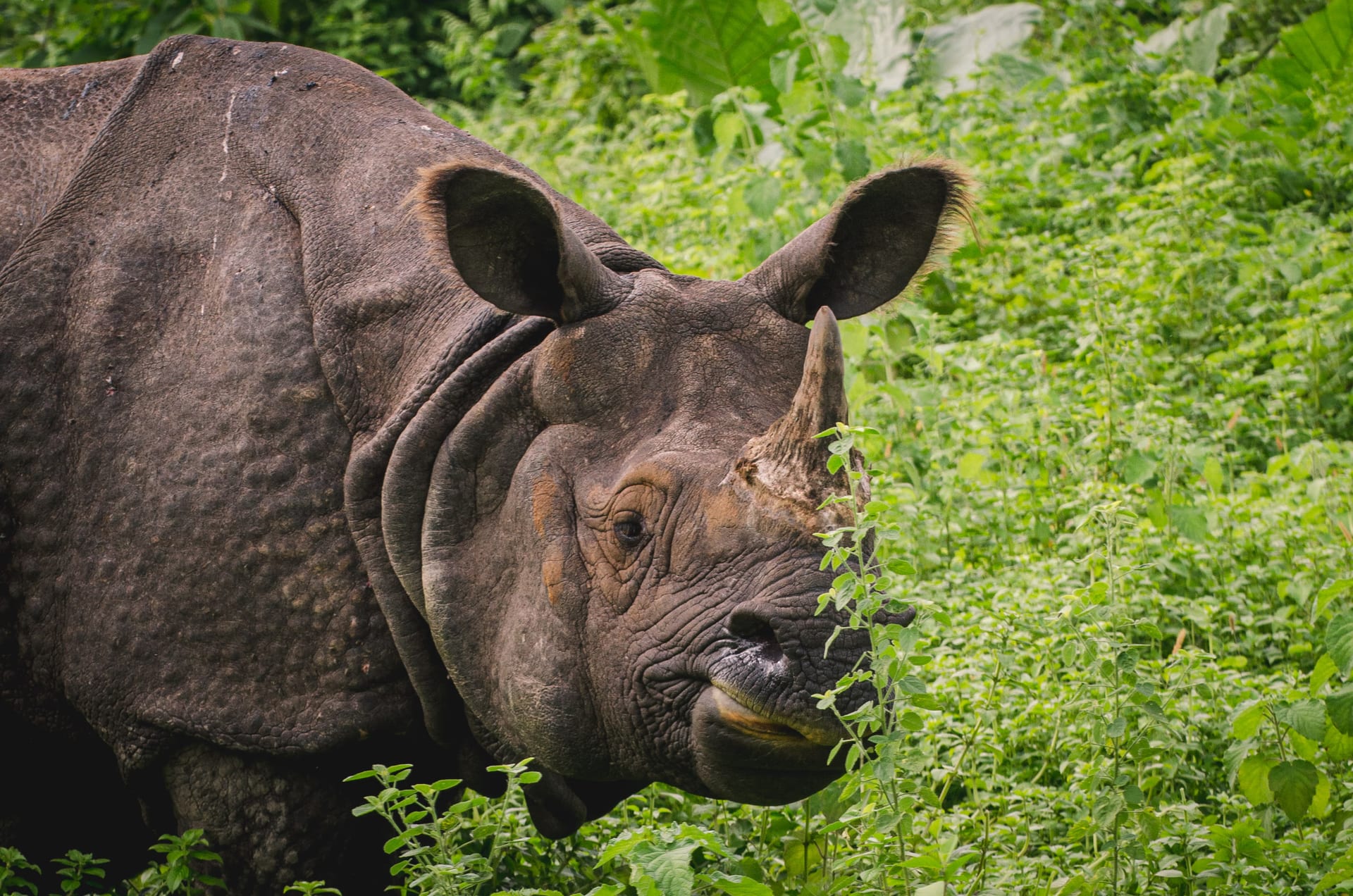
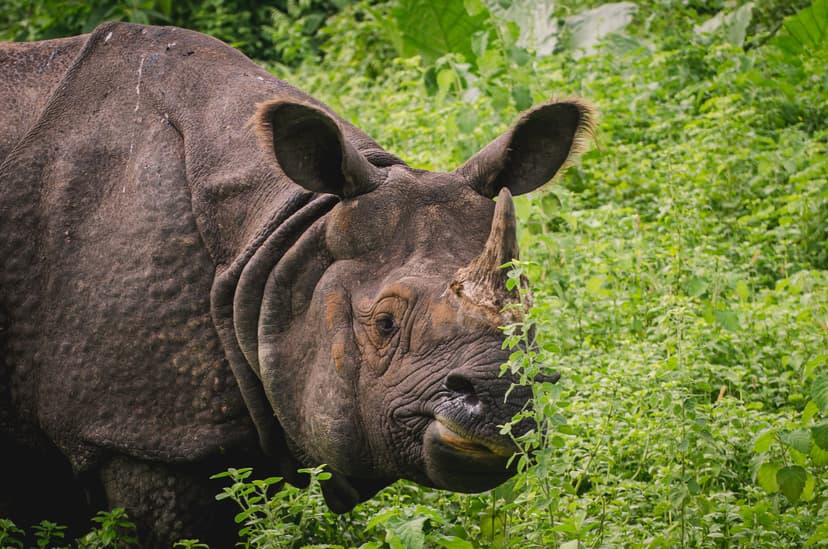
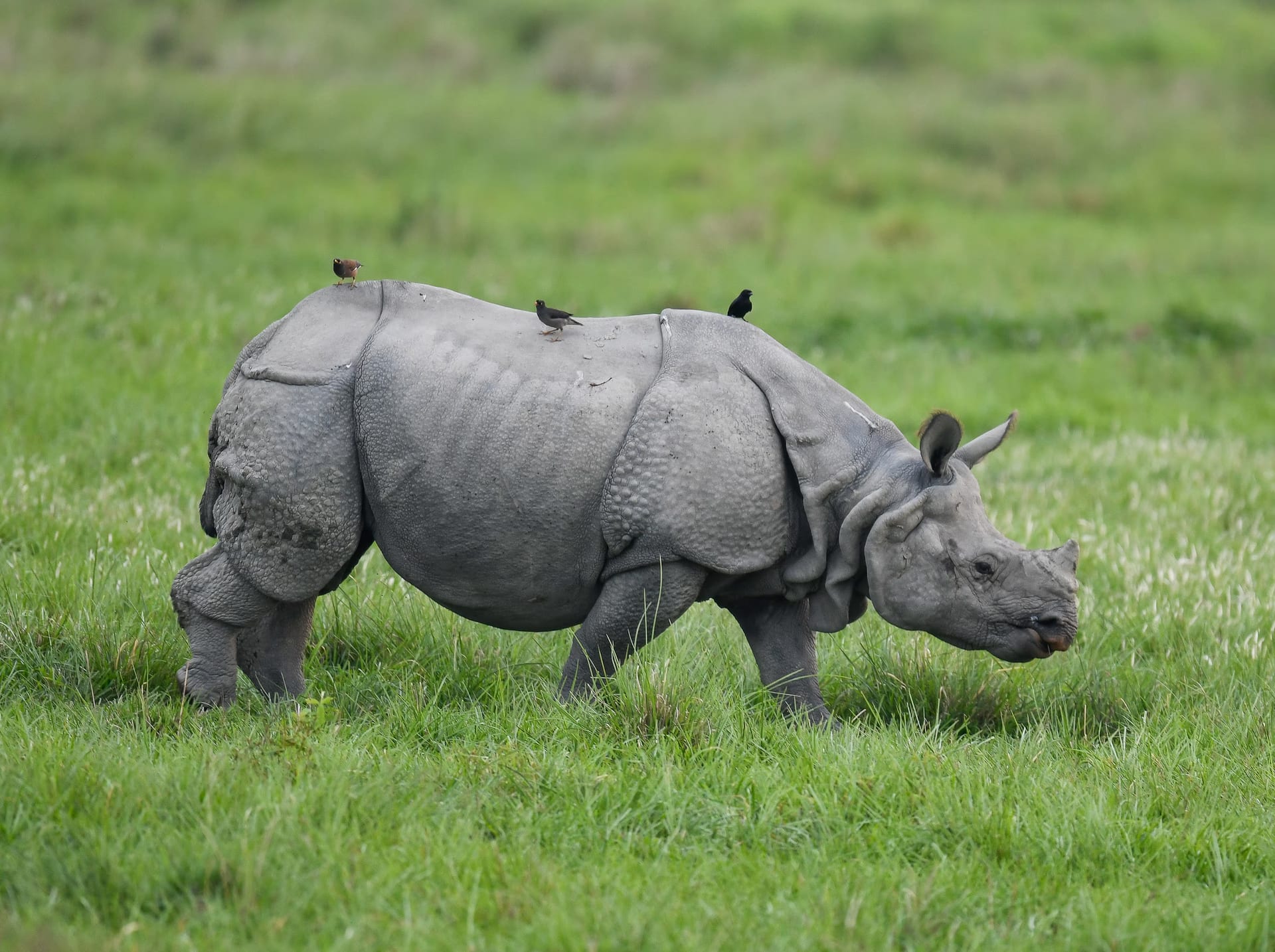
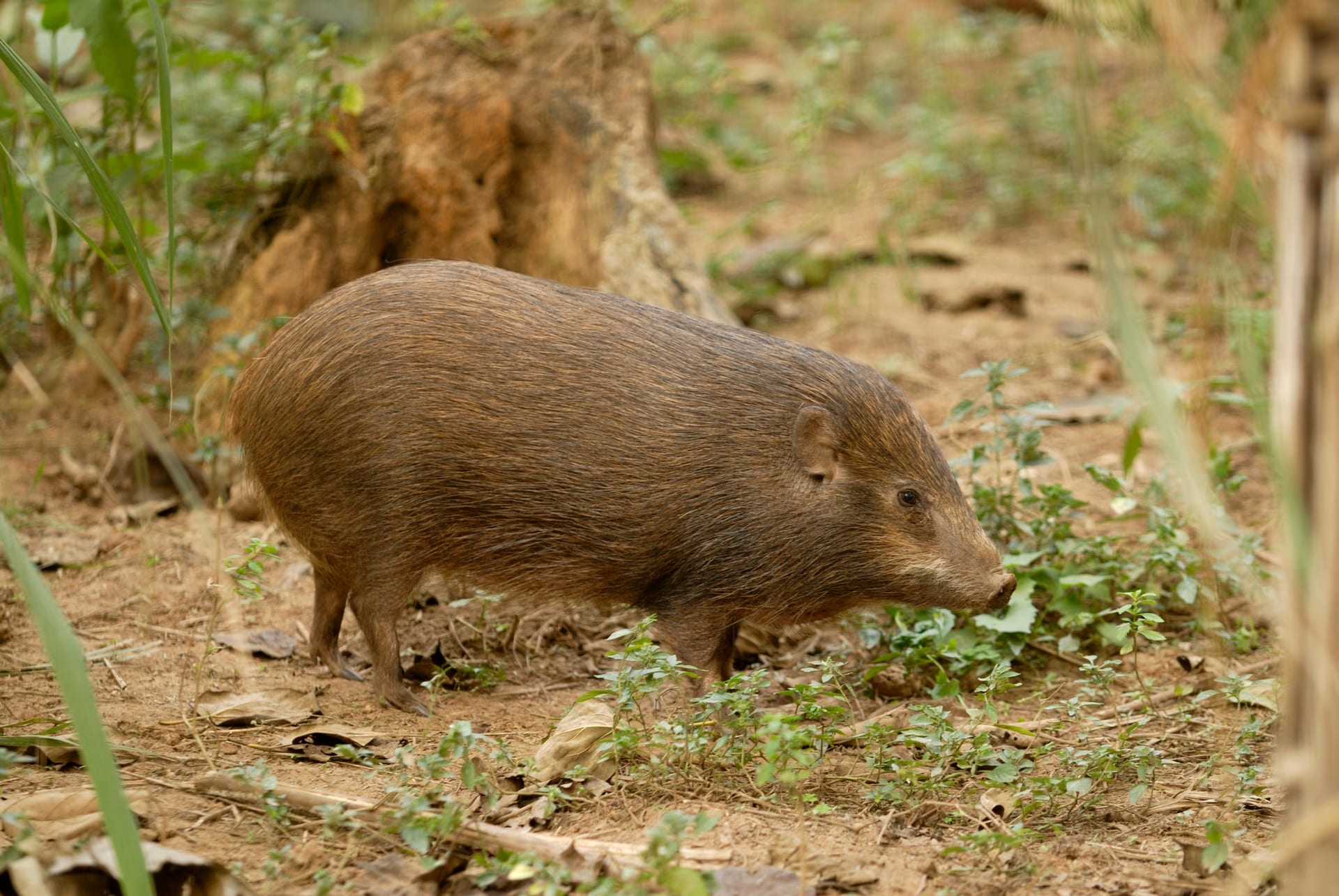
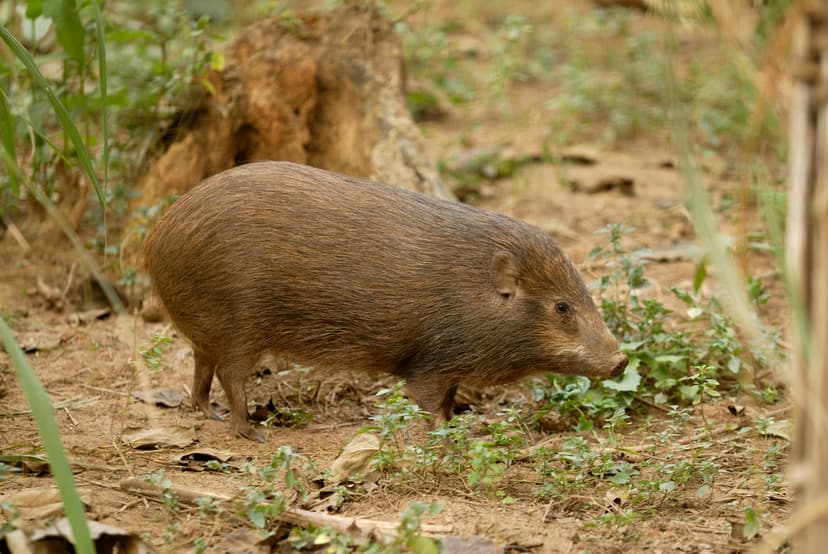
From 2006 the greater one-horned rhinoceros was brought back, rebuilding from absolute zero a population the killing had wiped out completely. It began with orphaned calves hand-raised at the rescue centre near Kaziranga and released into a fenced enclosure inside the park. Wild adults followed from April 2008, twenty-two of them in all, twelve from Pobitora and ten from Kaziranga. Each animal was a statement that the forest was safe enough, at last, to be trusted with something so valuable. The pygmy hog, the world’s smallest wild pig, was bred up from a handful of animals that had been taken out of Manas itself in the worst years, and released back into the grassland it had nearly vanished from. Slowly the grass filled again with the things that belonged in it. The tiger came back to numbers worth counting. The golden langur, the luminous, endangered monkey of these foothills, moved again through a canopy that was no longer full of gunfire. And the patrols, walked by the men who had once done the poaching, held.
On the twenty-first of June 2011, UNESCO removed Manas from the Danger list and commended the recovery. It was an official line drawn under a turnaround that almost nobody watching in 1992 would have bet a single rupee on. A World Heritage Site had been carried back from the edge, and the people who carried it were, in good and honest part, the same people who had brought it there.
Where the peace map and the wild map meet
What makes Manas more than a single rescue is that it became a template, and the template held a second time. After the 2020 Bodo Accord settled the politics once more, a new national park, Raimona, was notified in June 2021 over the former Ripu-Chirang forest against the Bhutan border. It was country that had served for years as a militant corridor, more than four hundred square kilometres of foothill jungle that few outsiders had dared to enter.
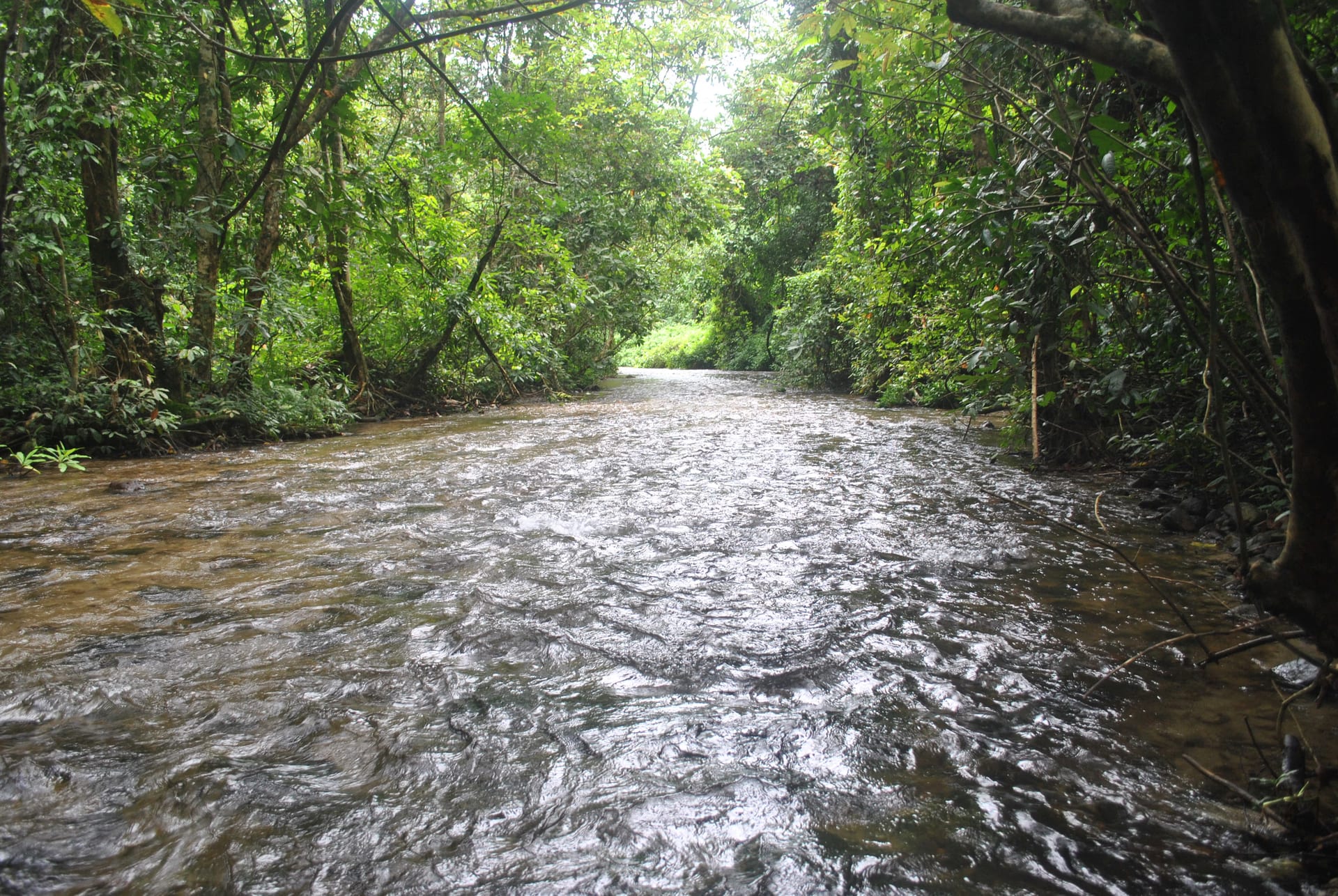
And in a scene that rhymed almost exactly with December 2003, dozens of active poachers in that same landscape came forward. They handed over their guns and their trophies. They pledged themselves to the park being raised over their old hunting ground. It was the same logic working a second time on the same kind of soil. Where the fighting stops, the forest can be defended, and the men with the deepest knowledge of how to gut a place turn out to be the ones best equipped to keep it whole.
This is the quiet heart of modern conservation in Bodoland. The most exact thing that can be said about it is that the peace map and the conservation map are being drawn over the same ground, in the same hand, at the same time. The one made the other possible. A land at war cannot keep a forest, and a land at peace suddenly can. The forest they brought back stands in the grass under the Bhutan hills as the proof of it, living evidence that a country which loses everything can sometimes be filled again by the very people who emptied it.