
Temples & Sacred Sites
The temples, monasteries and shrines of the valley, where ritual, devotion and architecture meet.
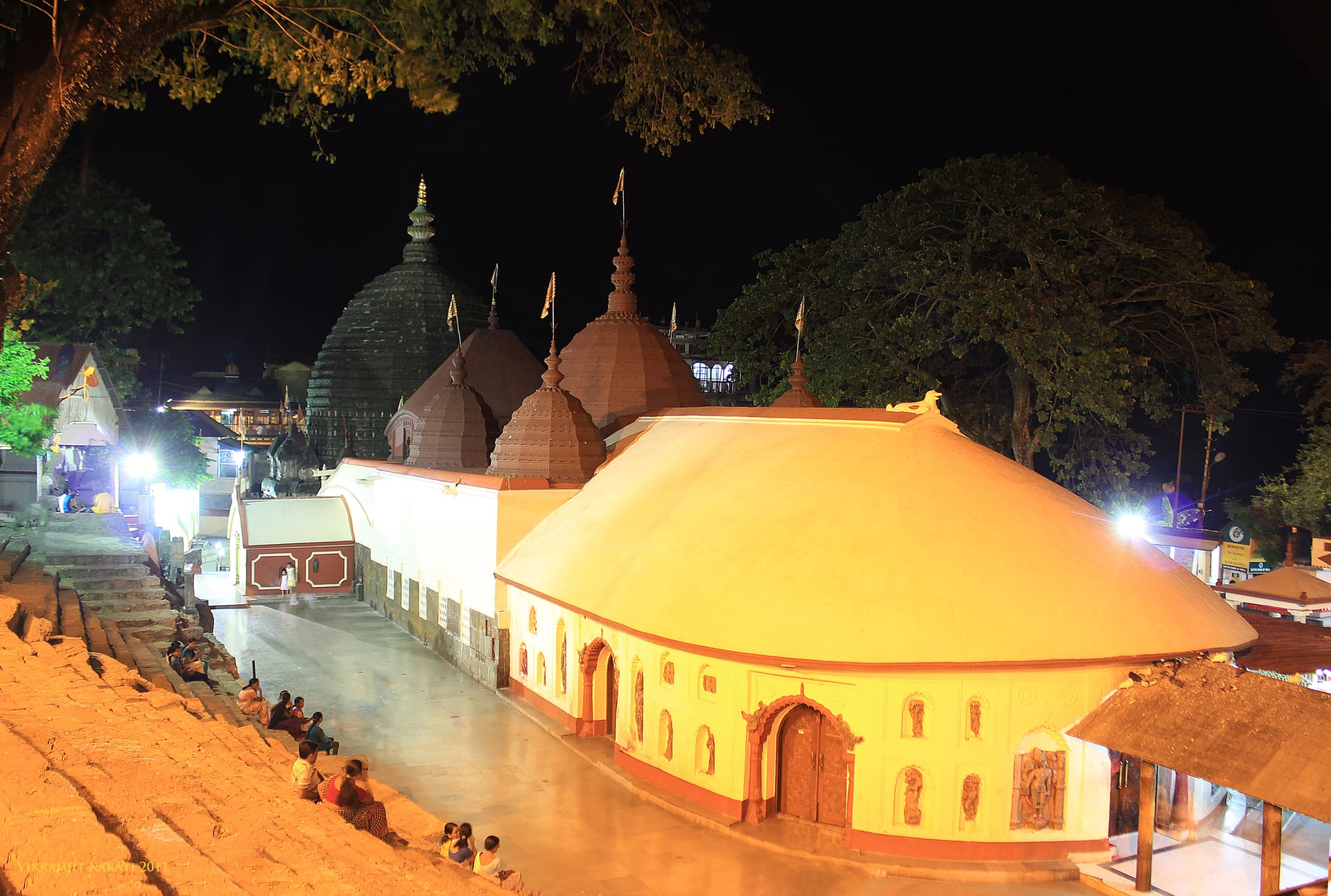
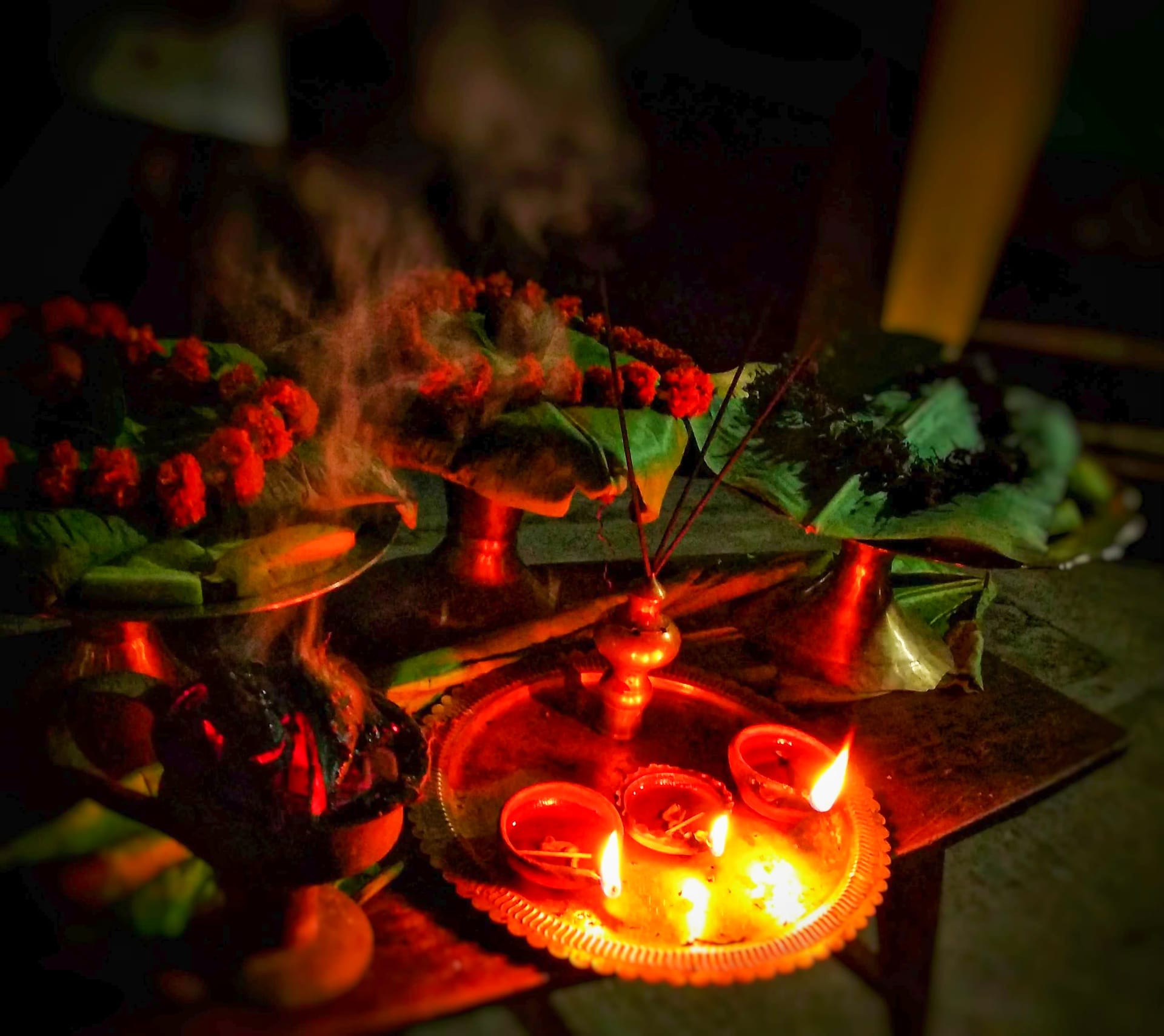
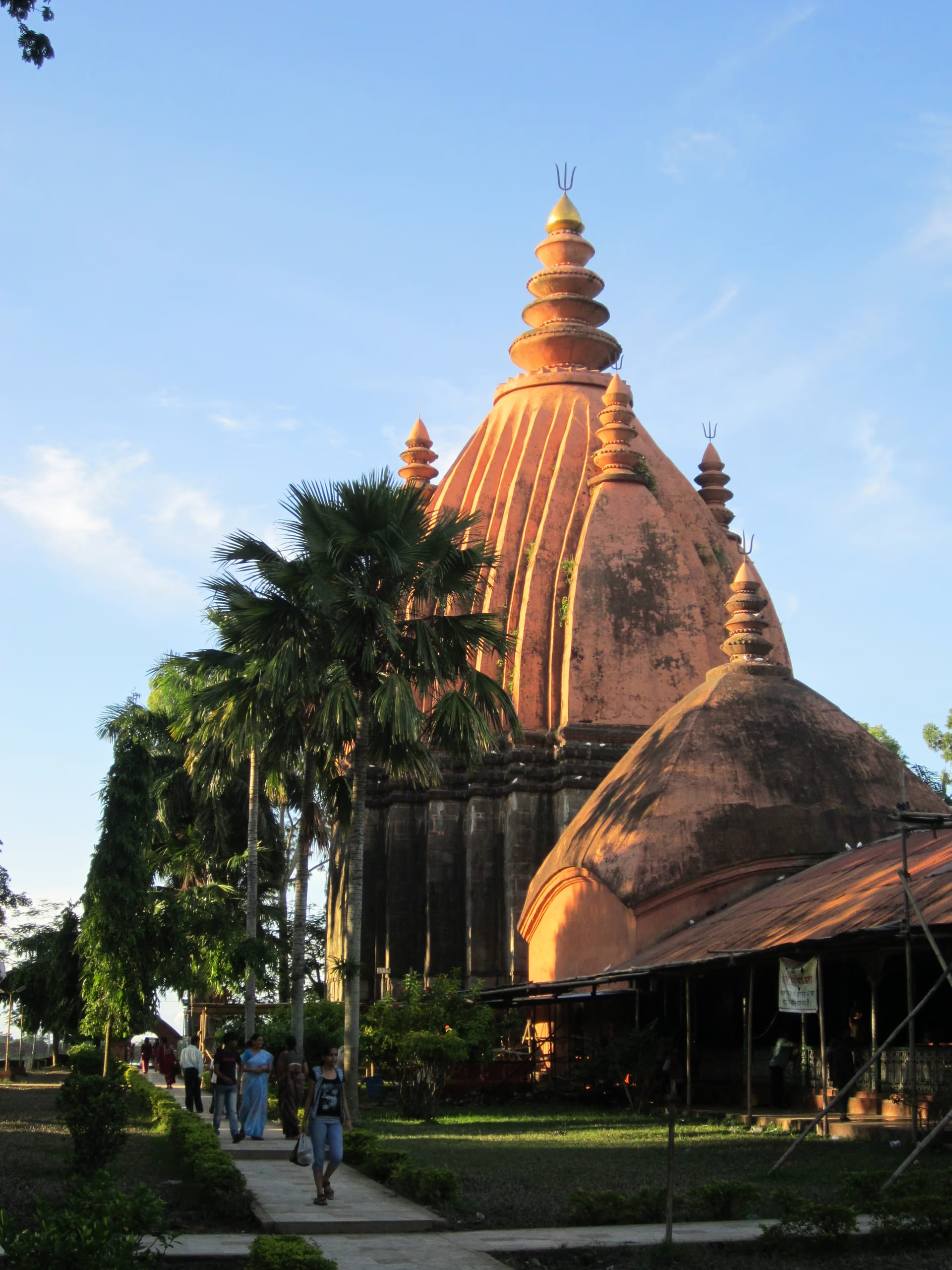
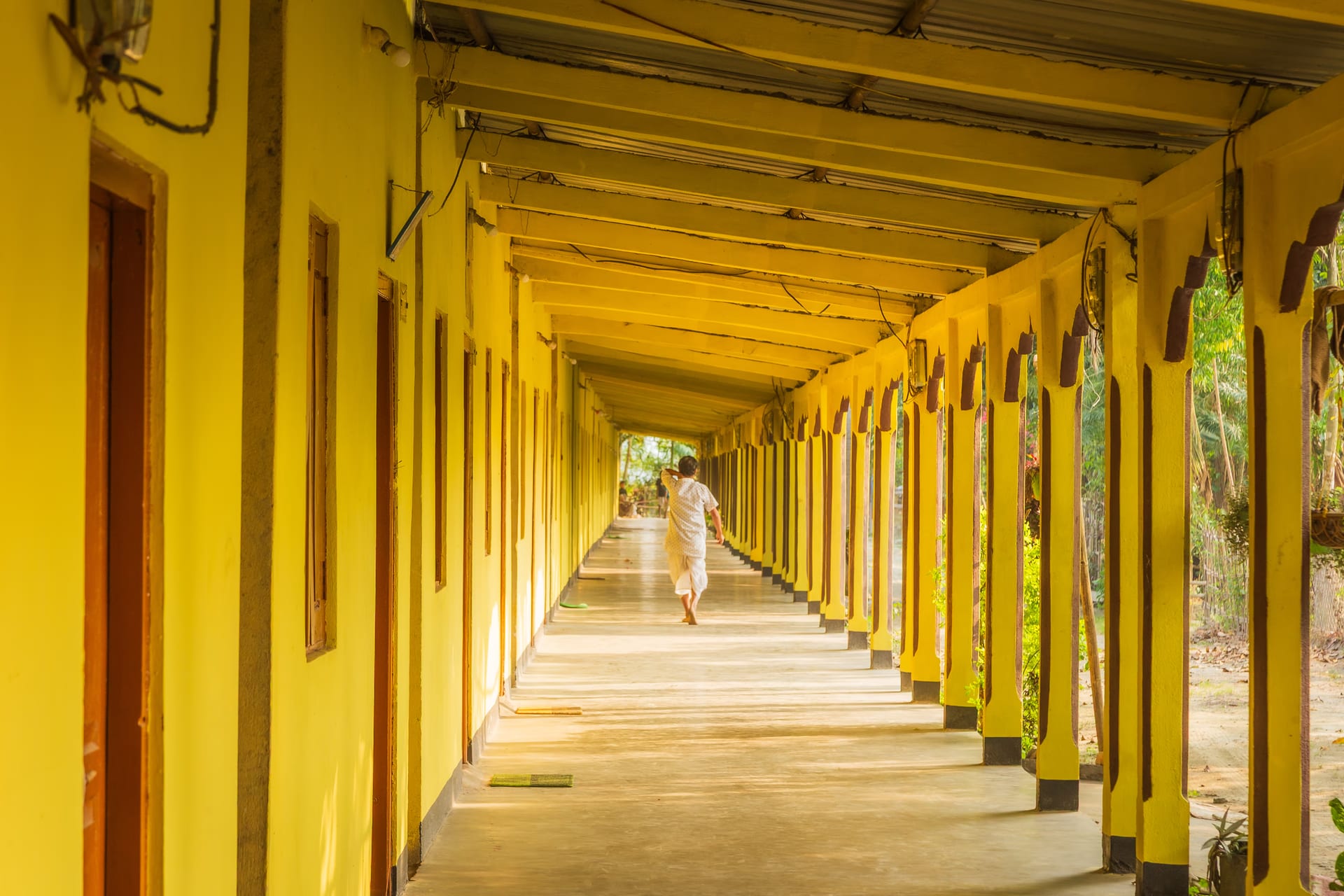
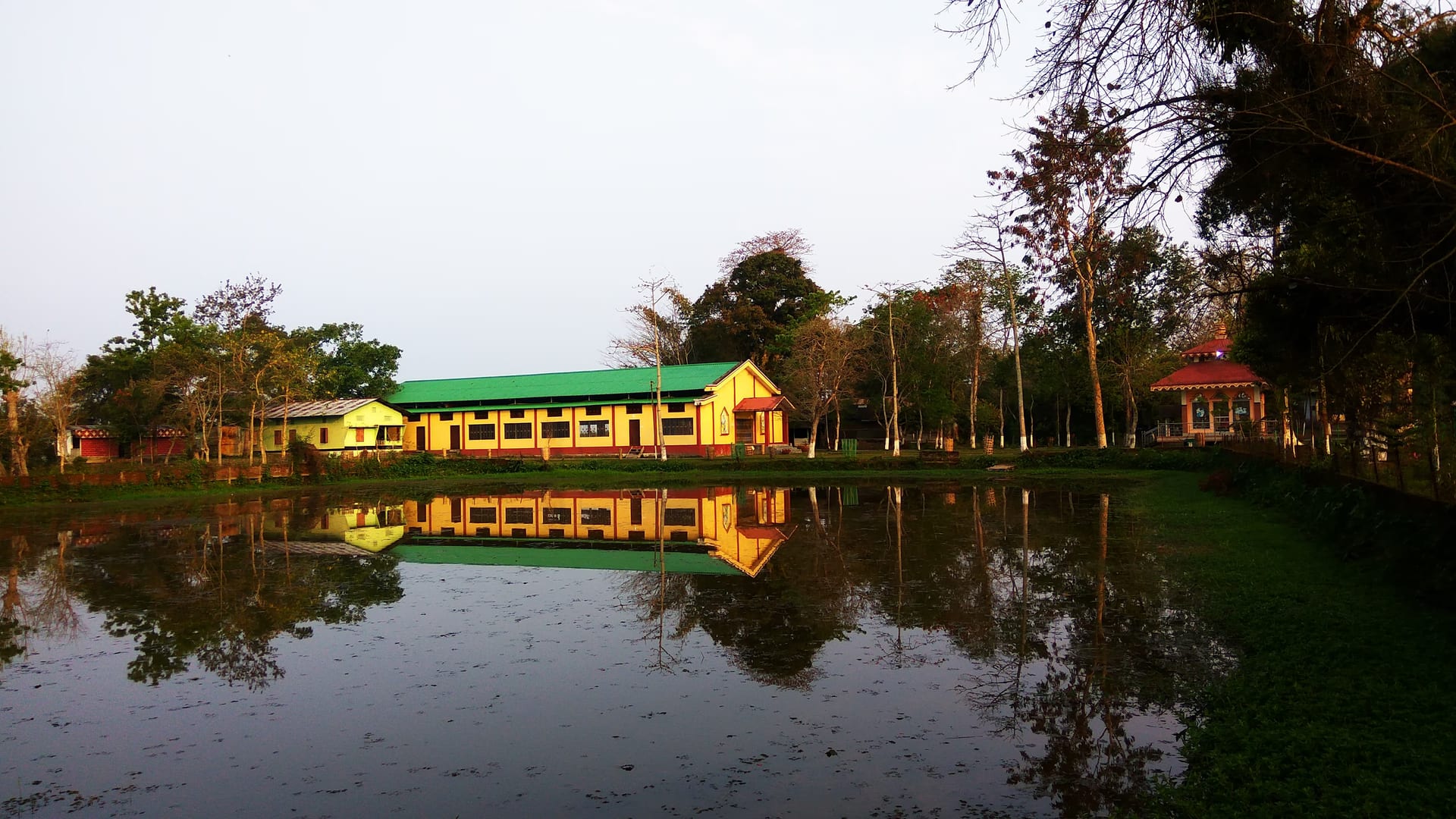
Dakhinpat Sattra
One of Majuli's great sattras, founded by Banamalidev under Ahom patronage and known across Assam for its grand Raas Mahotsav.
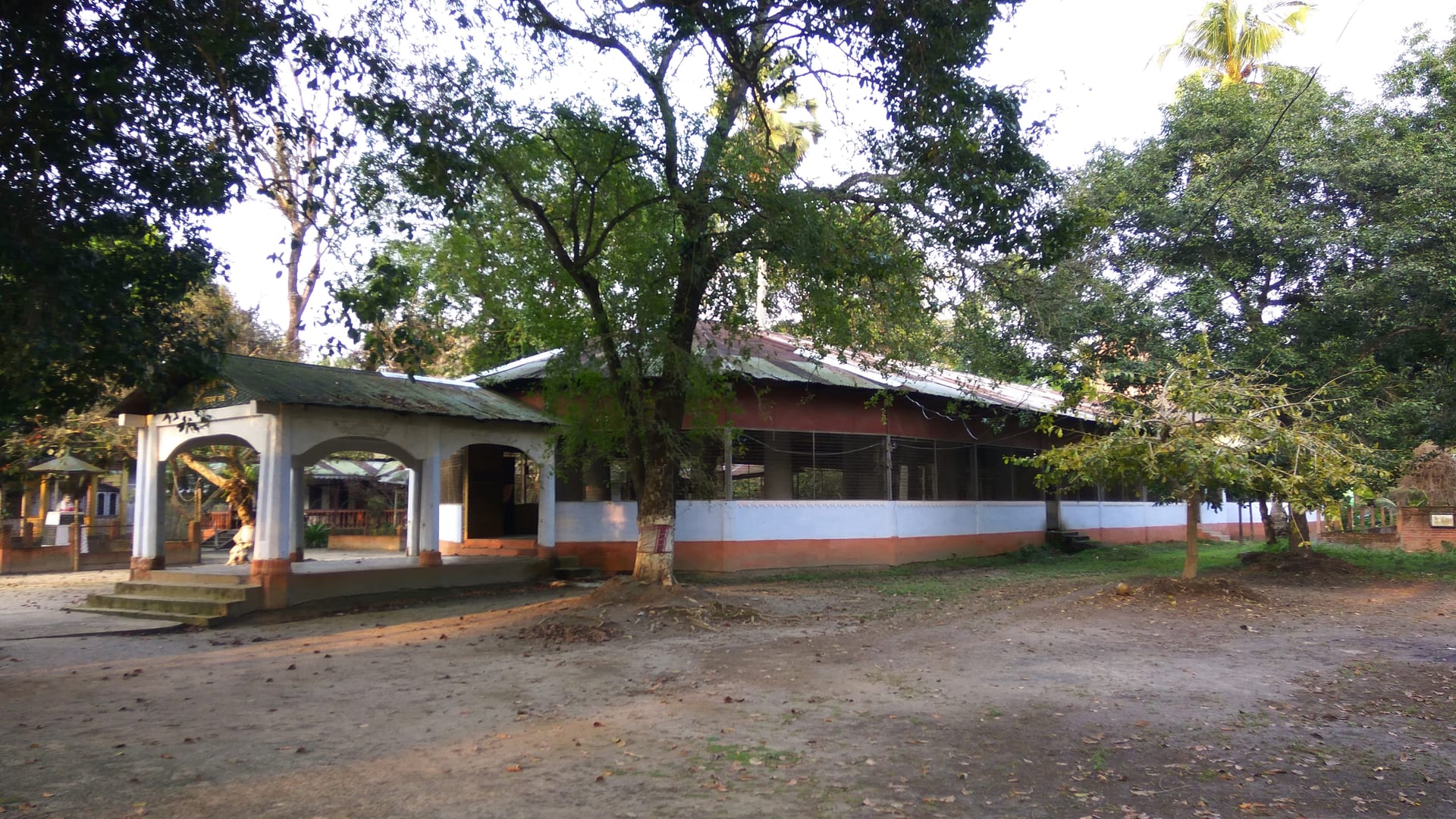
Garamur Sattra
One of Majuli's four principal royal sattras, a centre of Raas and of a notable collection of antique weapons and ceremonial objects.
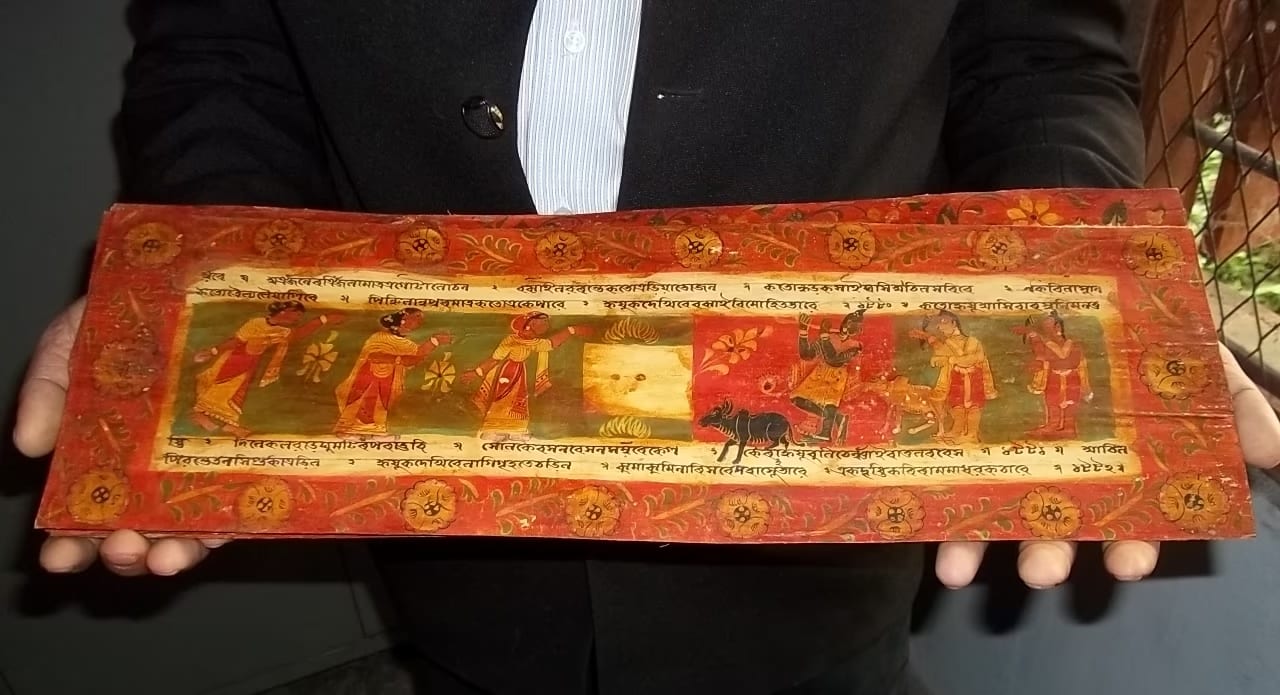
Bengenaati Sattra
An early-seventeenth-century sattra holding a remarkable treasury of antiquities, including possessions of Ahom royalty and rare manuscripts.
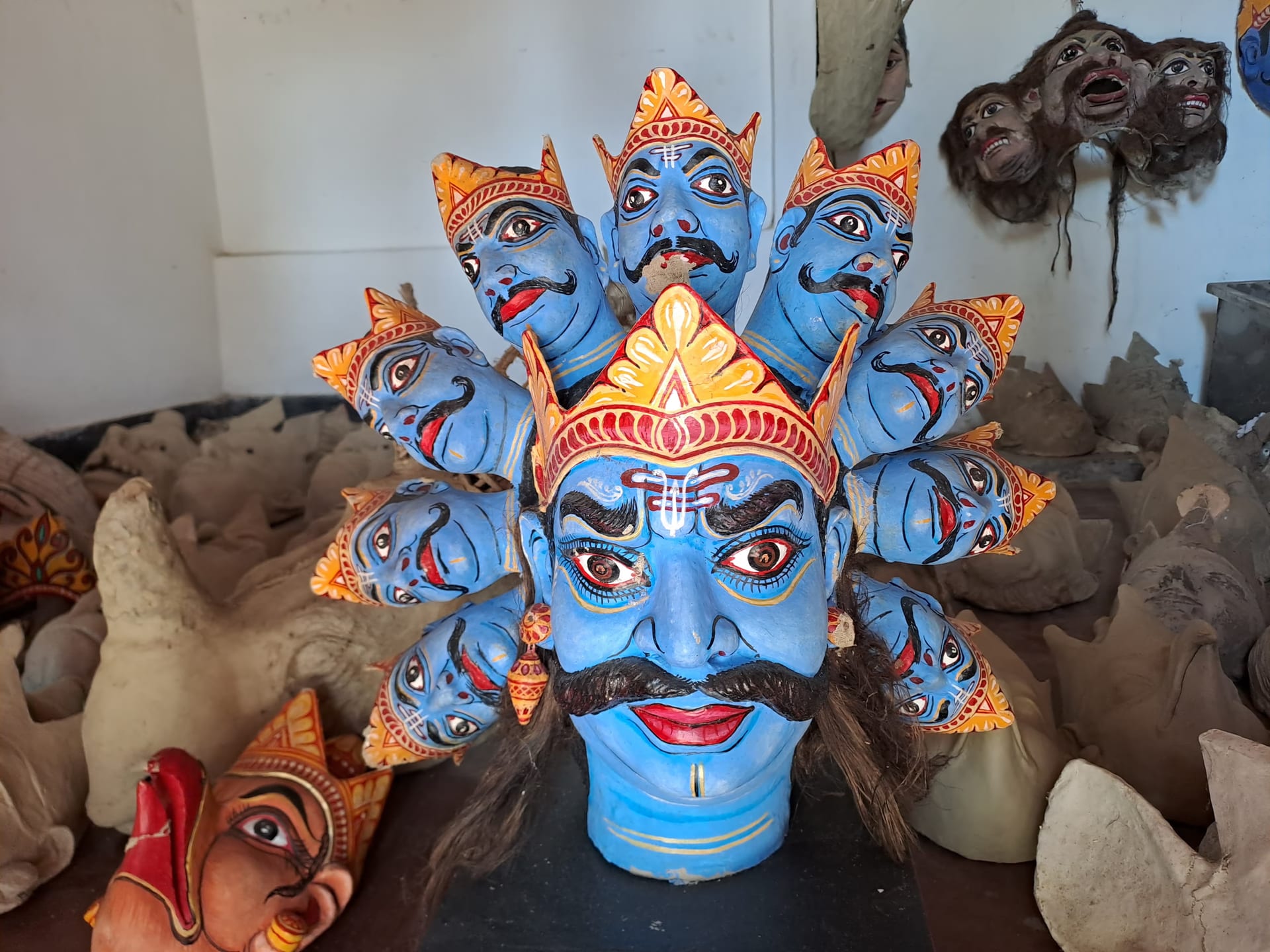
Samaguri Sattra
The sattra that has kept alive mukha-shilpa, the bamboo-and-clay mask-making for bhaona theatre, now carried to galleries and stages well beyond the island.
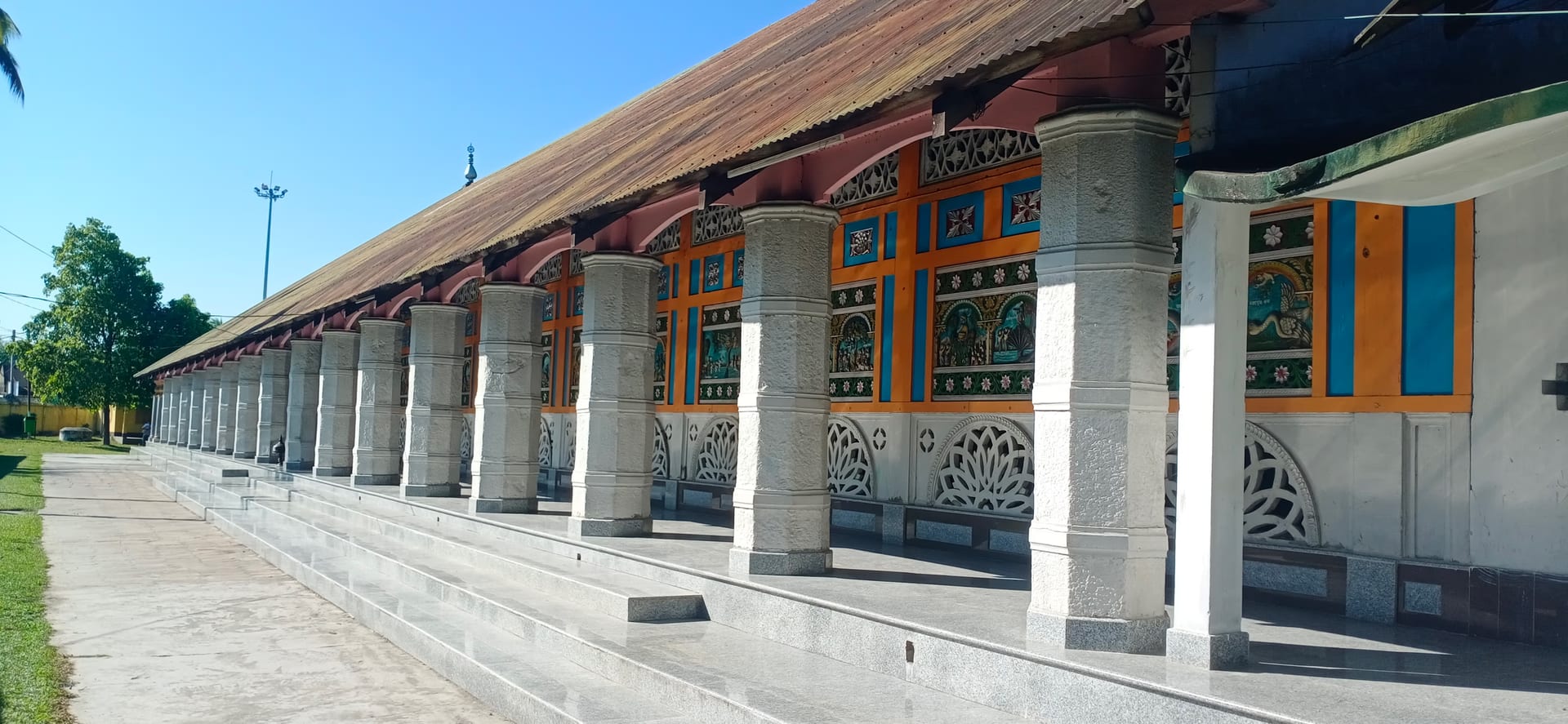
Barpeta Sattra
Founded by Madhavdev in 1583. Among the largest and most influential sattras of Assam, with continuous neo-Vaishnava observance for more than four centuries.
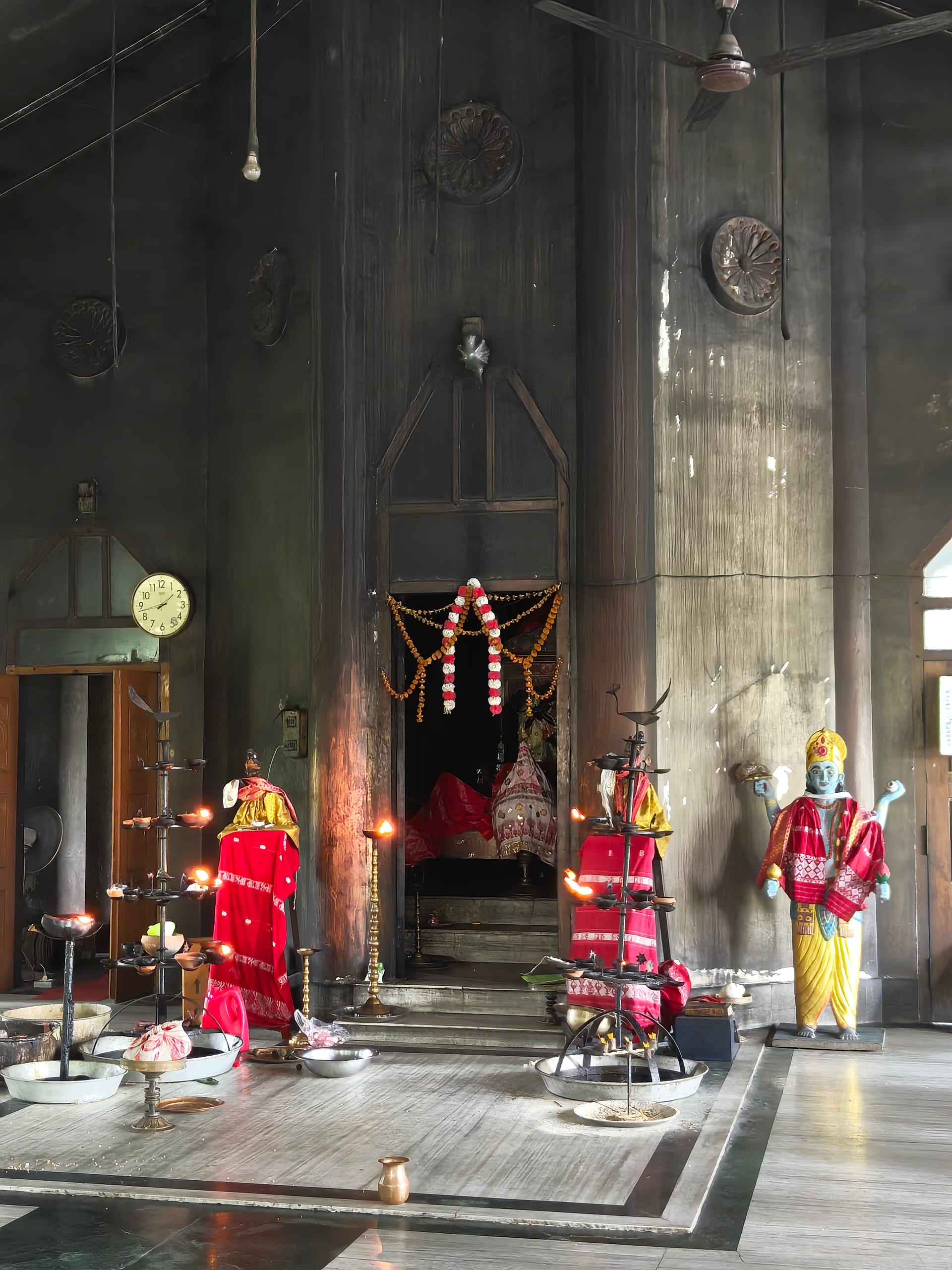
Bardowa Than
The Bhuyan family land where Srimanta Sankardev was born in 1449 and established the first kirtan ghar. The principal pilgrimage site of Assamese neo-Vaishnavism alongside the Majuli sattras.
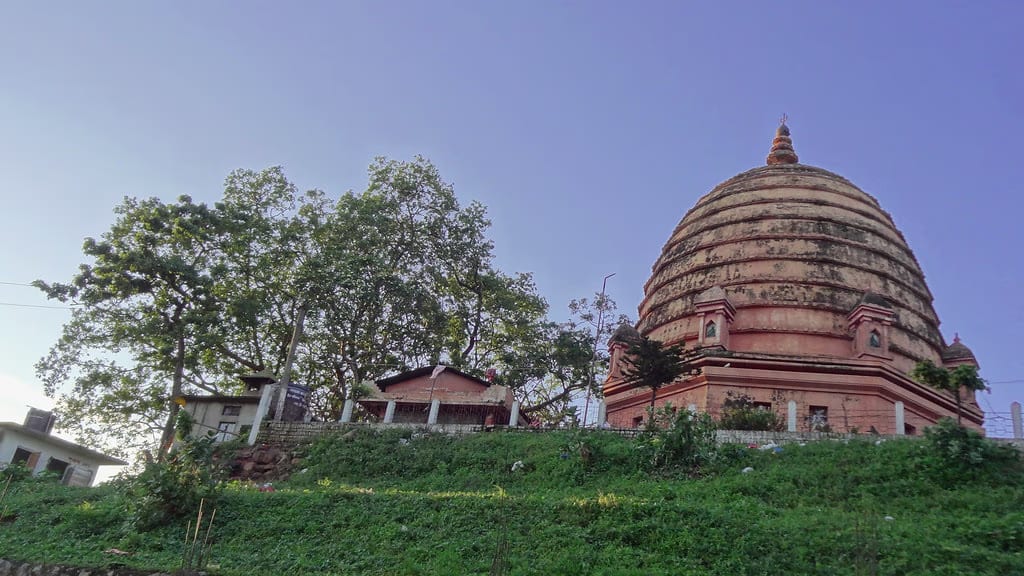
Navagraha Temple
A Saiva-Sakta temple of the nine celestial bodies on Chitrachal hill, long held to be the seat of astronomy that gave Guwahati its old name, Pragjyotishpura.
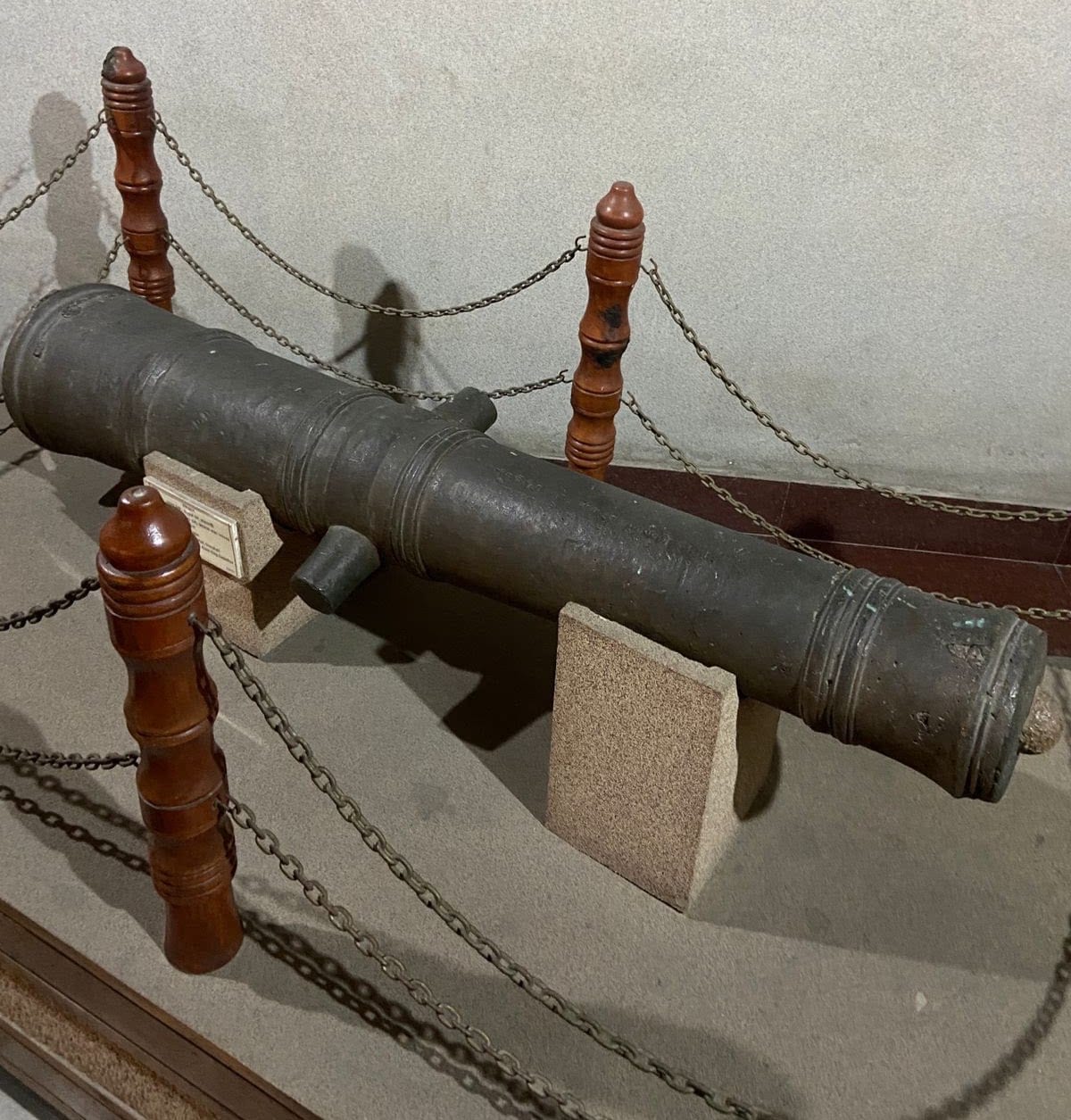
Sukreswar Temple
Ancient Saiva site on Itakhuli hill, Guwahati. Rebuilt by Ahom king Pramatta Singha in 1744. The principal Sivaratri congregation in the city.
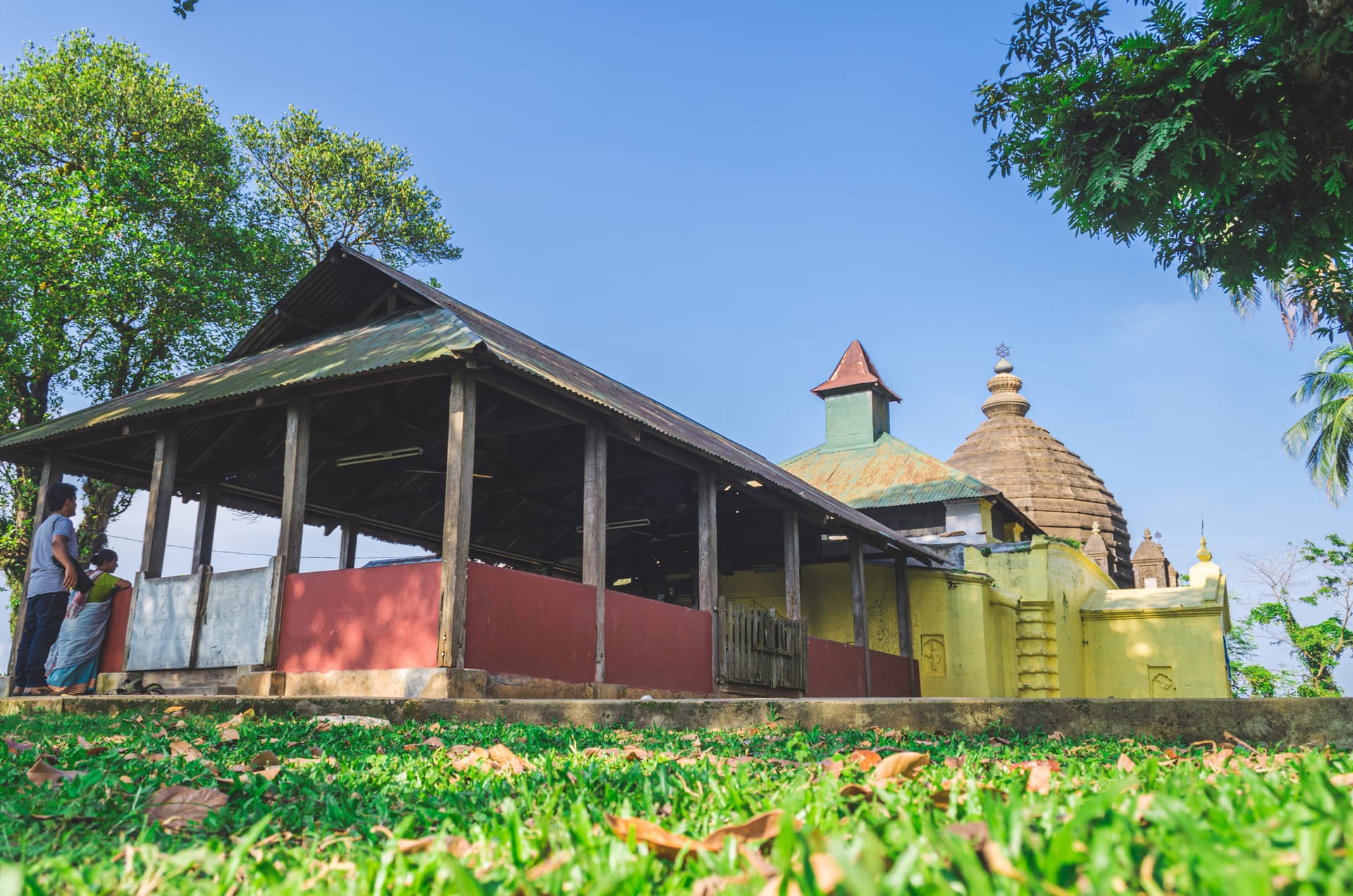
Aswaklanta
On the Brahmaputra's north bank opposite Guwahati. The temple, ascribed to Krishna's pursuit of Banasura, was rebuilt by Ahom king Siva Singha in the eighteenth century.
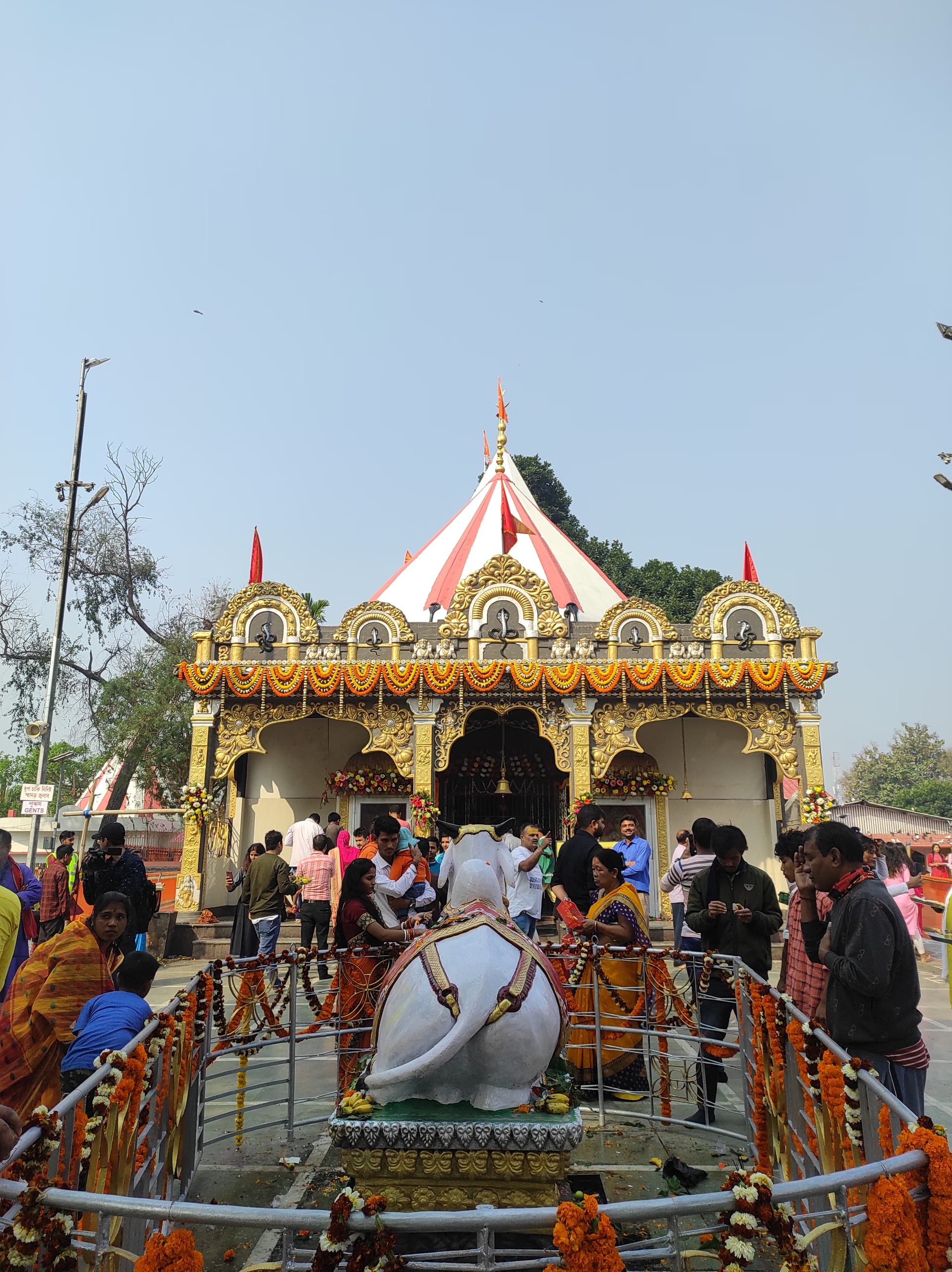
Mahabhairab Temple
One of the largest Shiva-lingams in eastern India, on a low hill in central Tezpur. Mythologically attributed to Banasura; historically rebuilt many times.
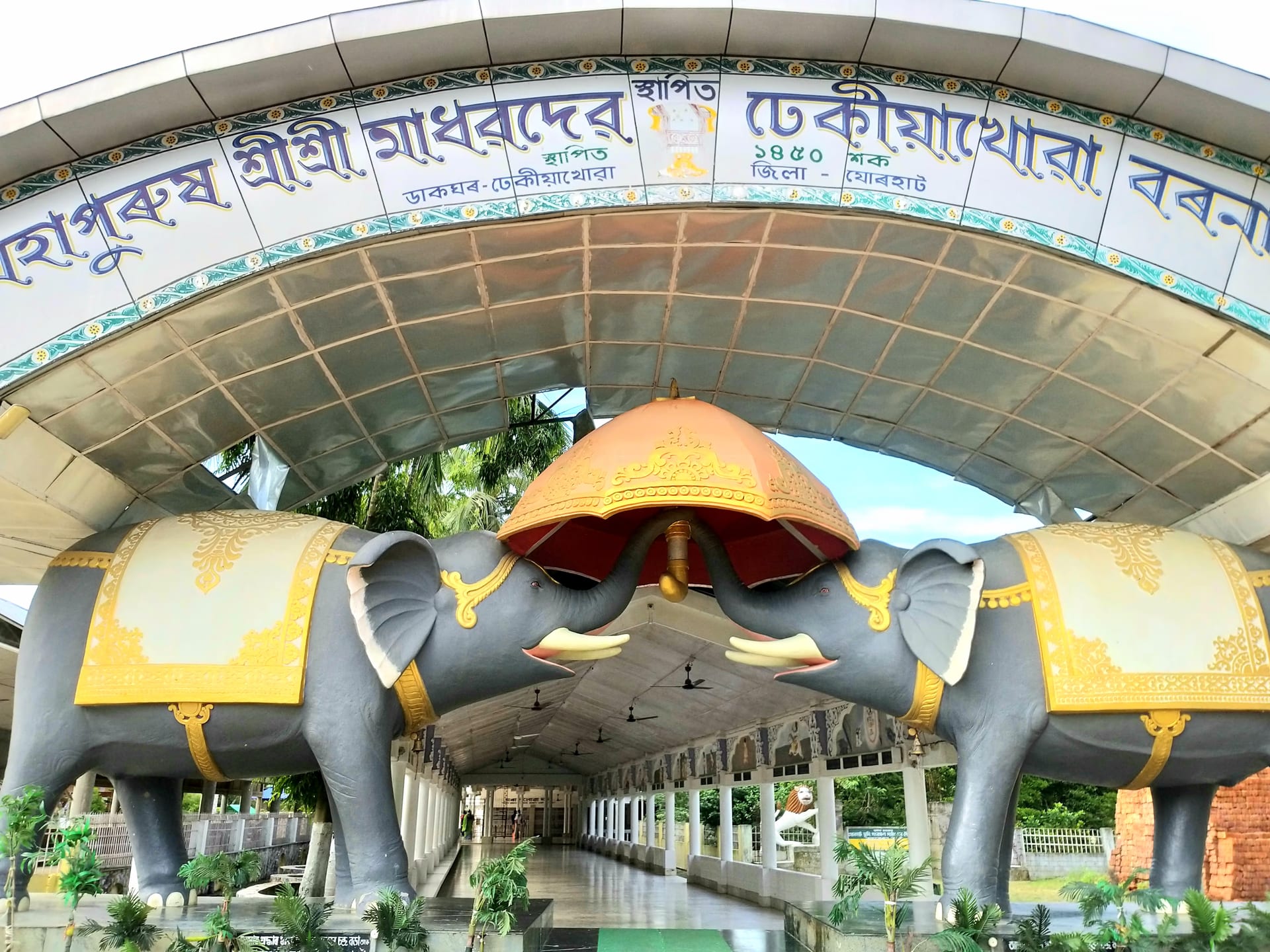
Dhekiakhowa Bornamghar
A great prayer-hall founded by Madhavdev in 1528, famous for an earthen lamp said to have burned without interruption for nearly five centuries.
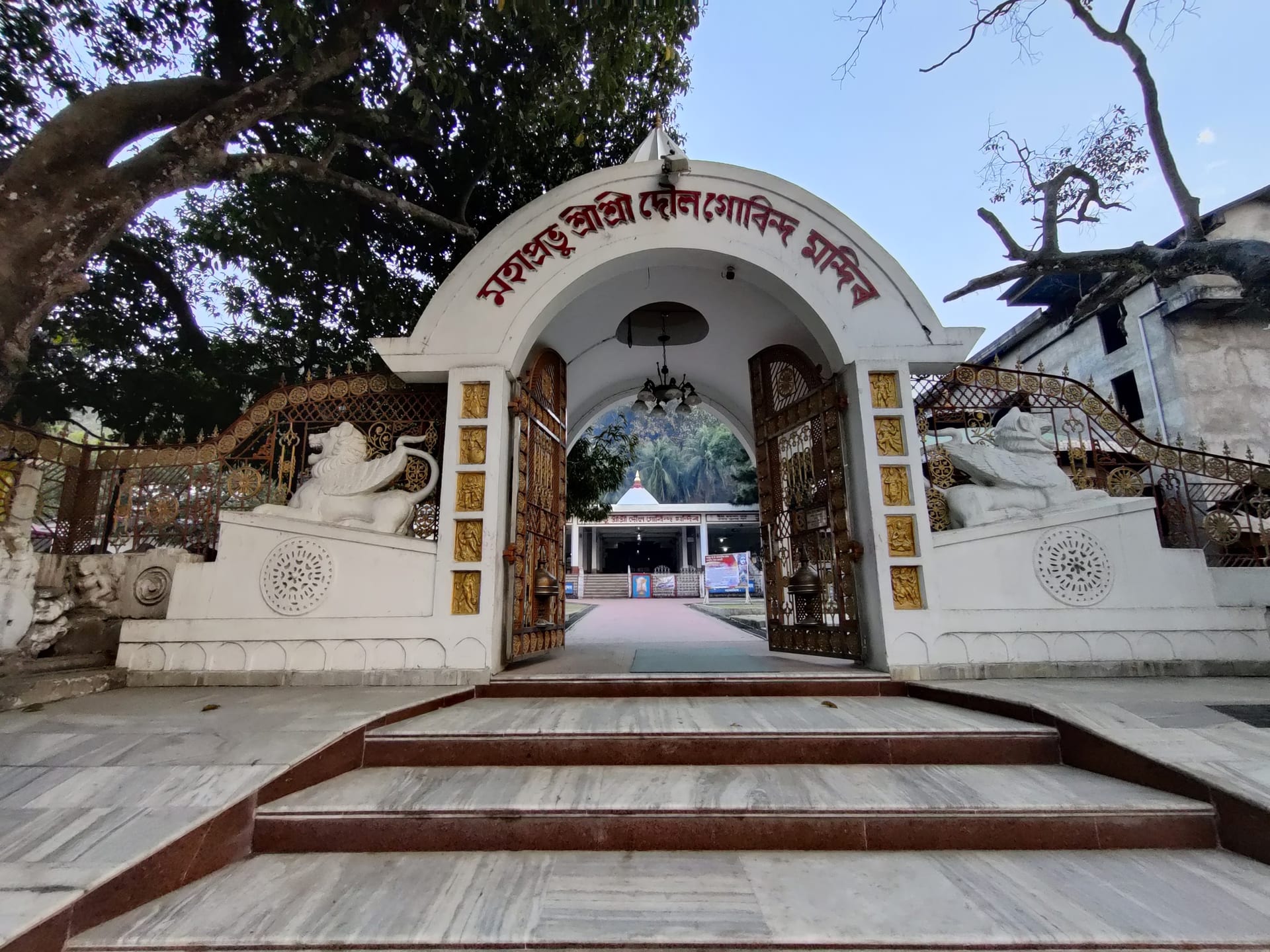
Doul Govinda Temple
On the Brahmaputra's north bank in North Guwahati. The Krishna image is said to have been brought from Sandhyasarobar in Coochbehar; the modern temple dates to 1745.
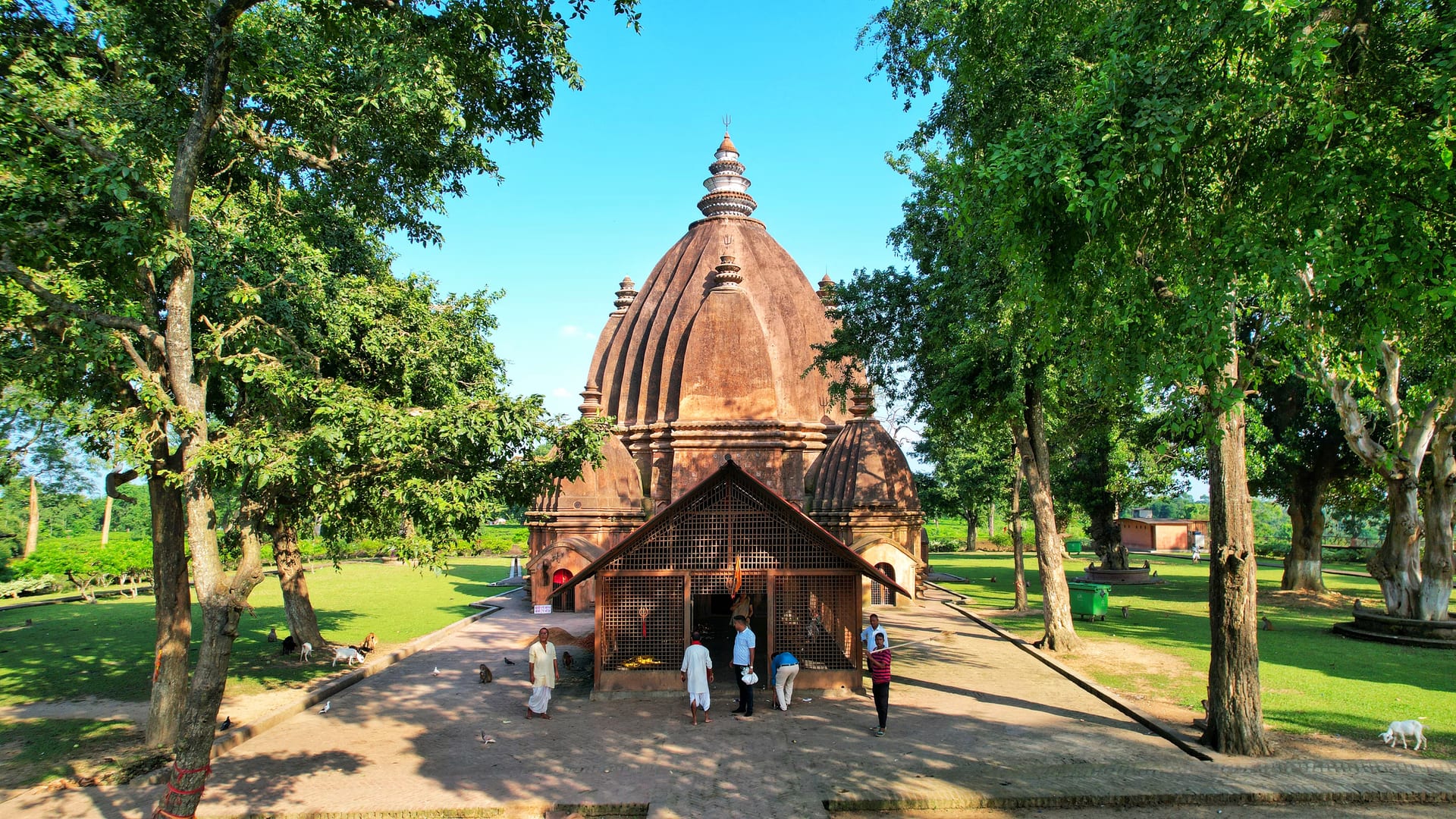
Negheriting Sivadol
Built by Ahom king Rajeswar Singha after consolidating earlier shrines on Negheriting hill. The principal Shiva-lingam is housed in the central tower with subsidiary shrines around it.
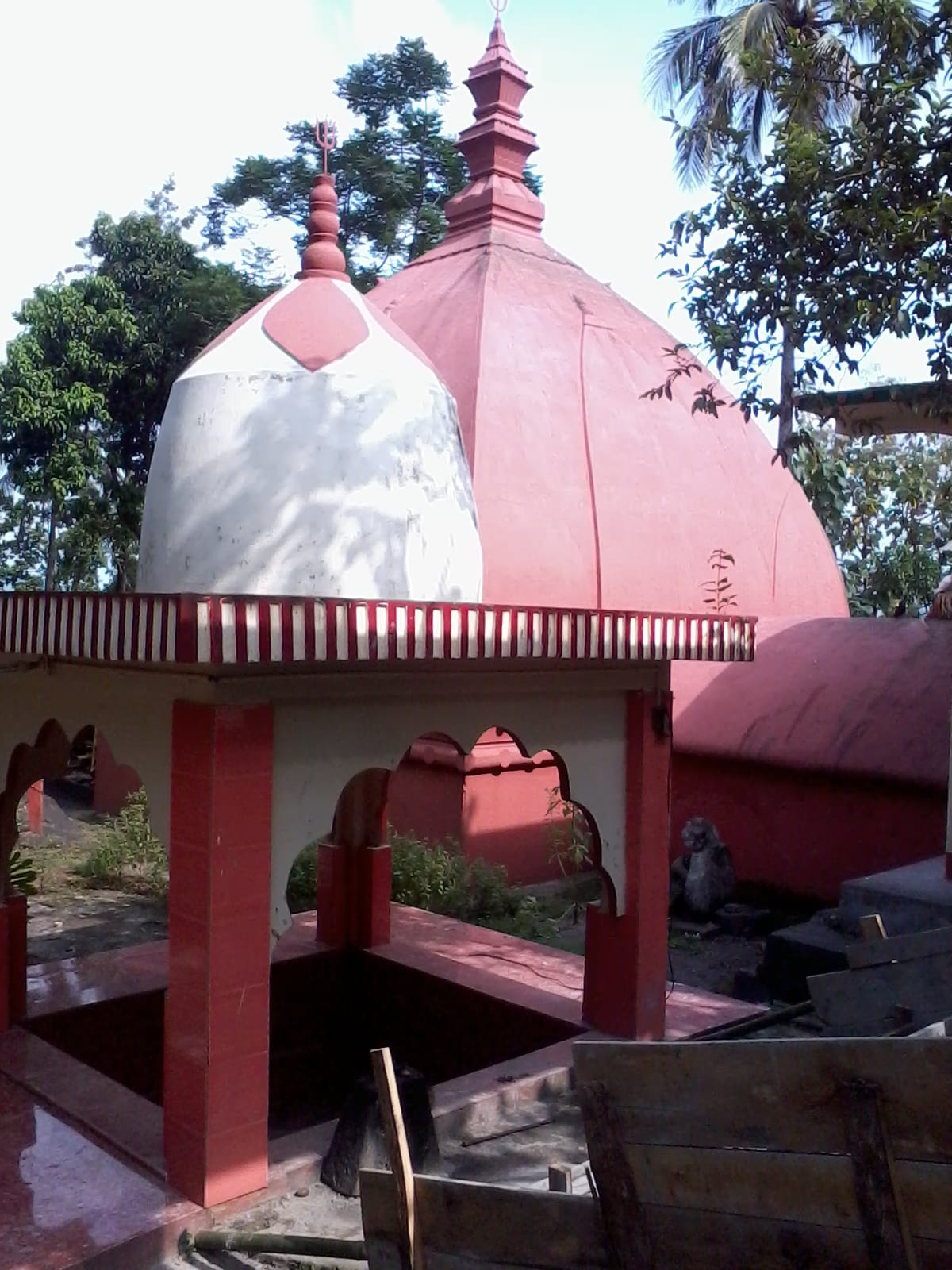
Dirgheswari Temple
A hilltop Sakta temple in North Guwahati set among rock-cut images of the eleventh and twelfth centuries, a quieter Shakti shrine across the river from Kamakhya.
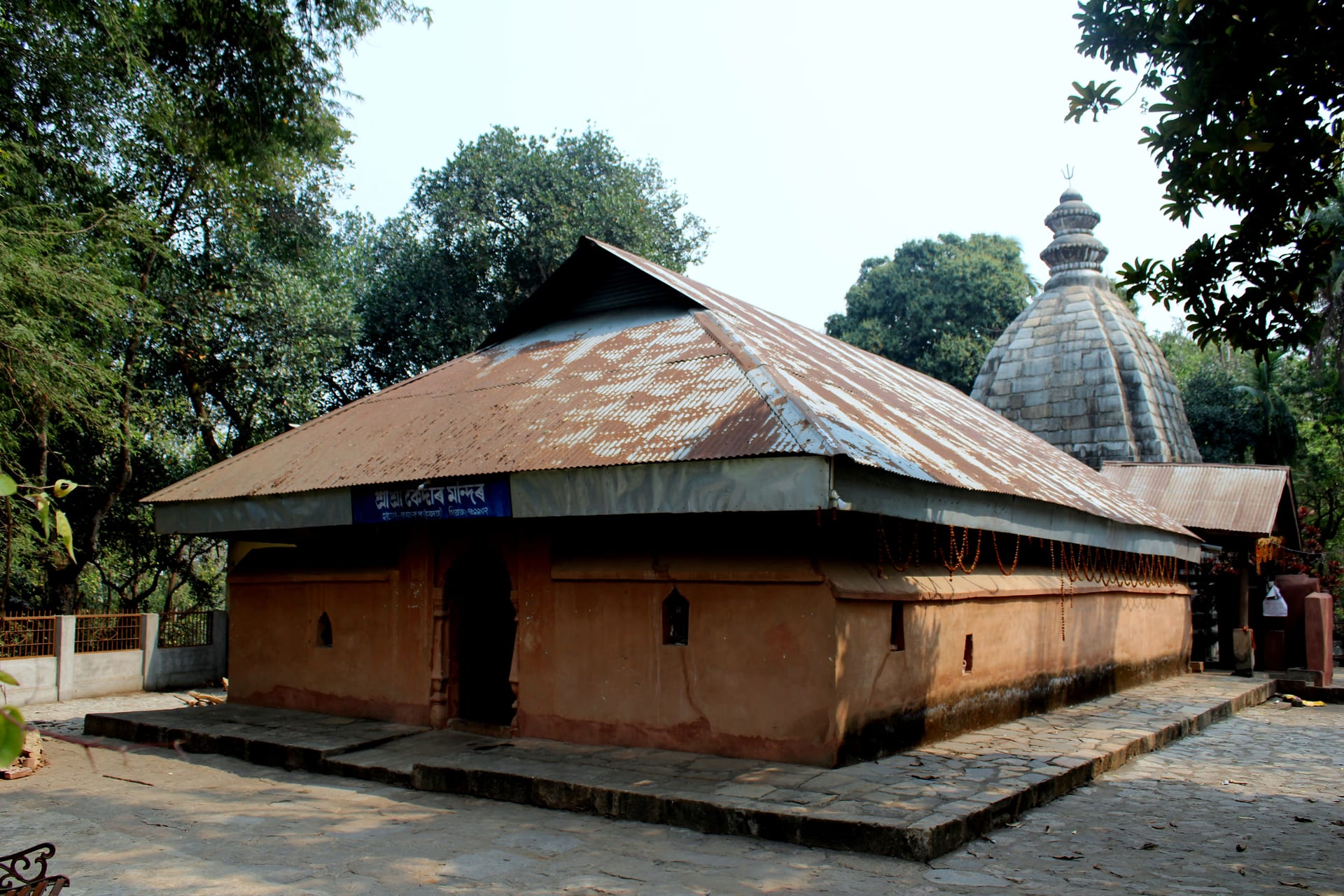
Kedar Temple
The Saiva temple on Madanachala hill at Hajo, housing a large self-manifested lingam and completing the ridge's gathering of Vaishnava, Saiva, and Islamic devotion.
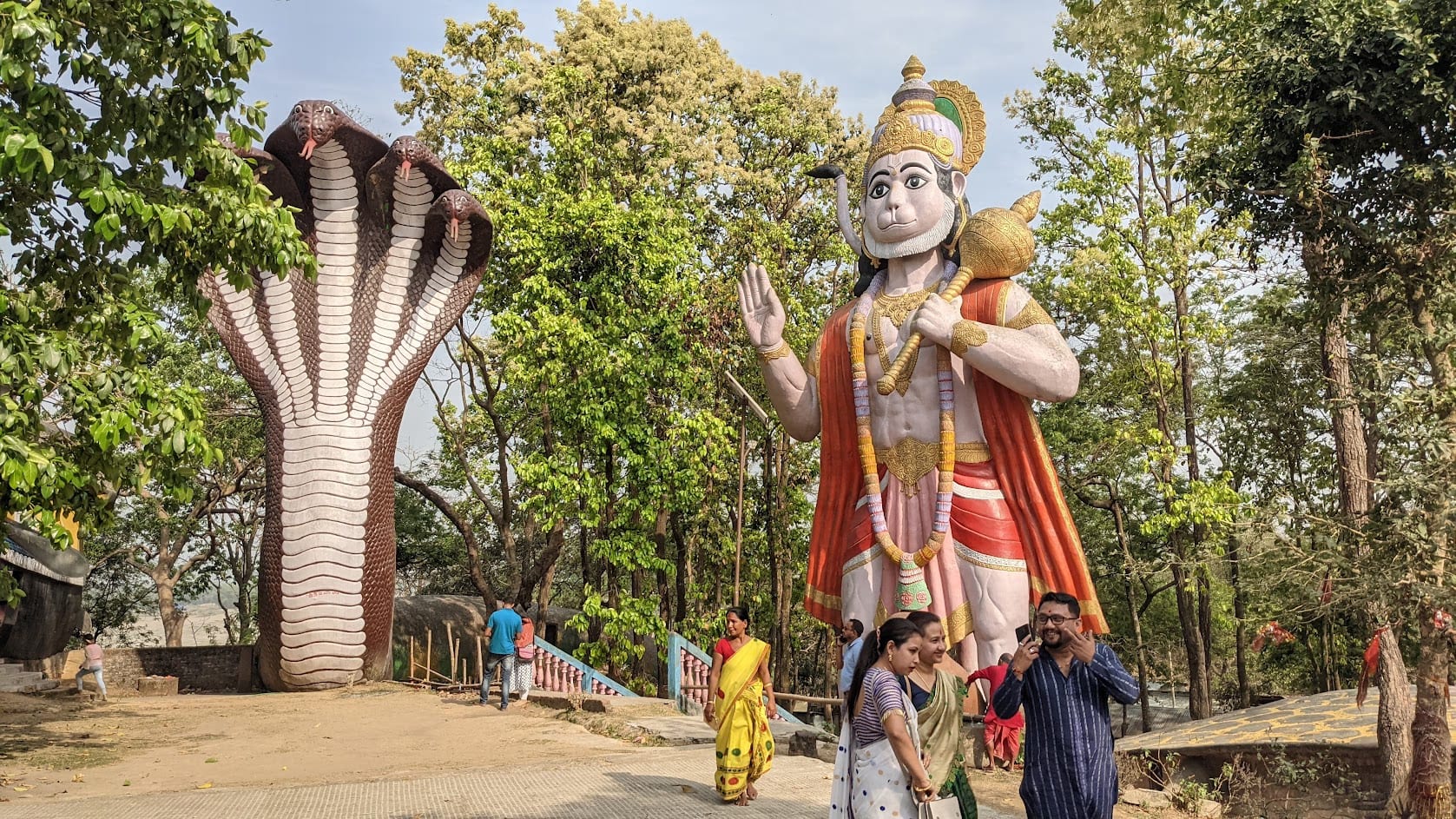
Mahamaya Dham
A major Sakta pilgrimage temple of lower Assam at Bogribari, drawing worshippers of the goddess Mahamaya from across the Koch country and Bengal.
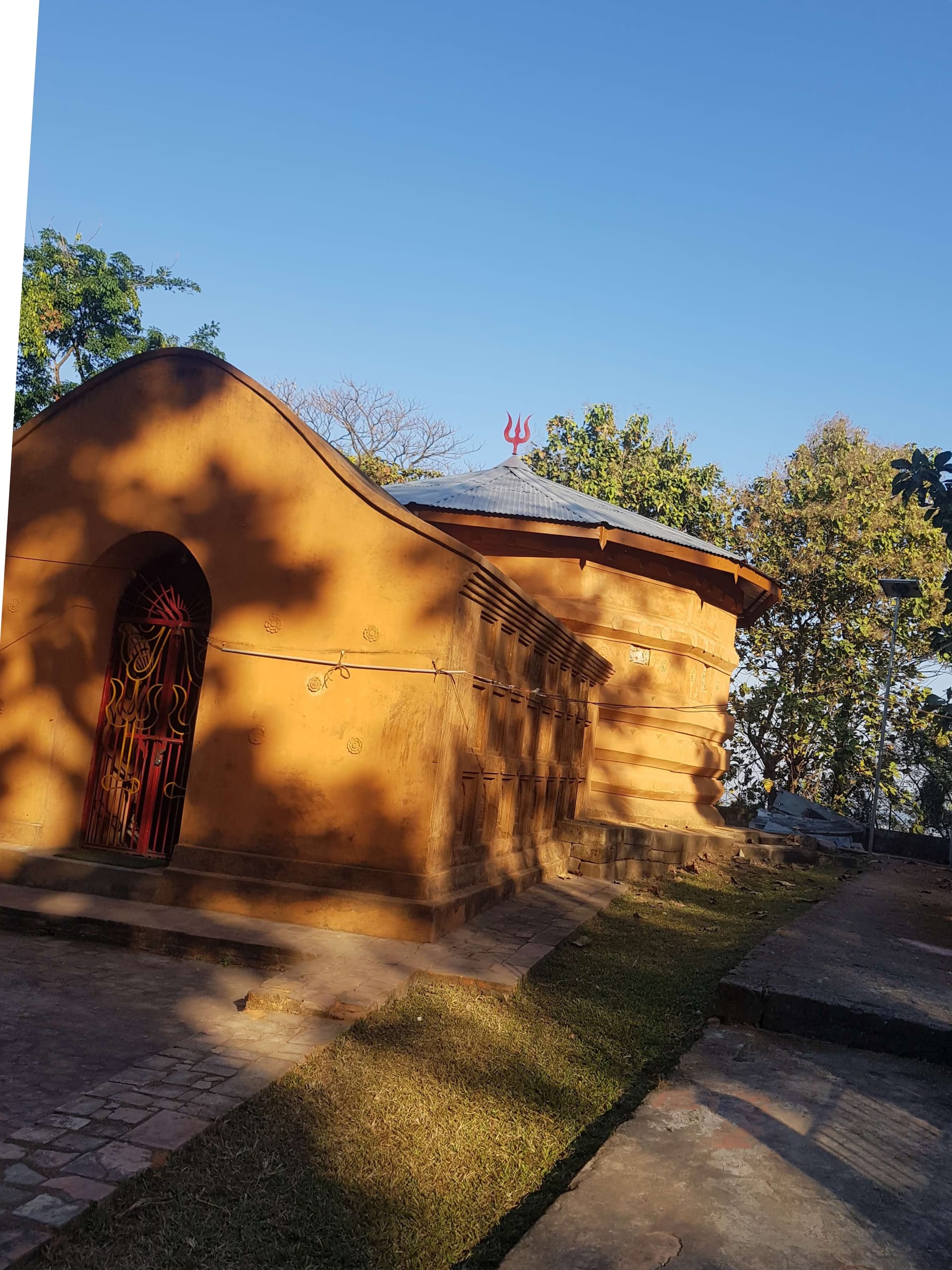
Manikarneswar Temple
A hilltop Siva temple in North Guwahati, an Ahom brick shrine raised on the star-shaped stone plan of a Pala-era temple of the tenth to eleventh century.
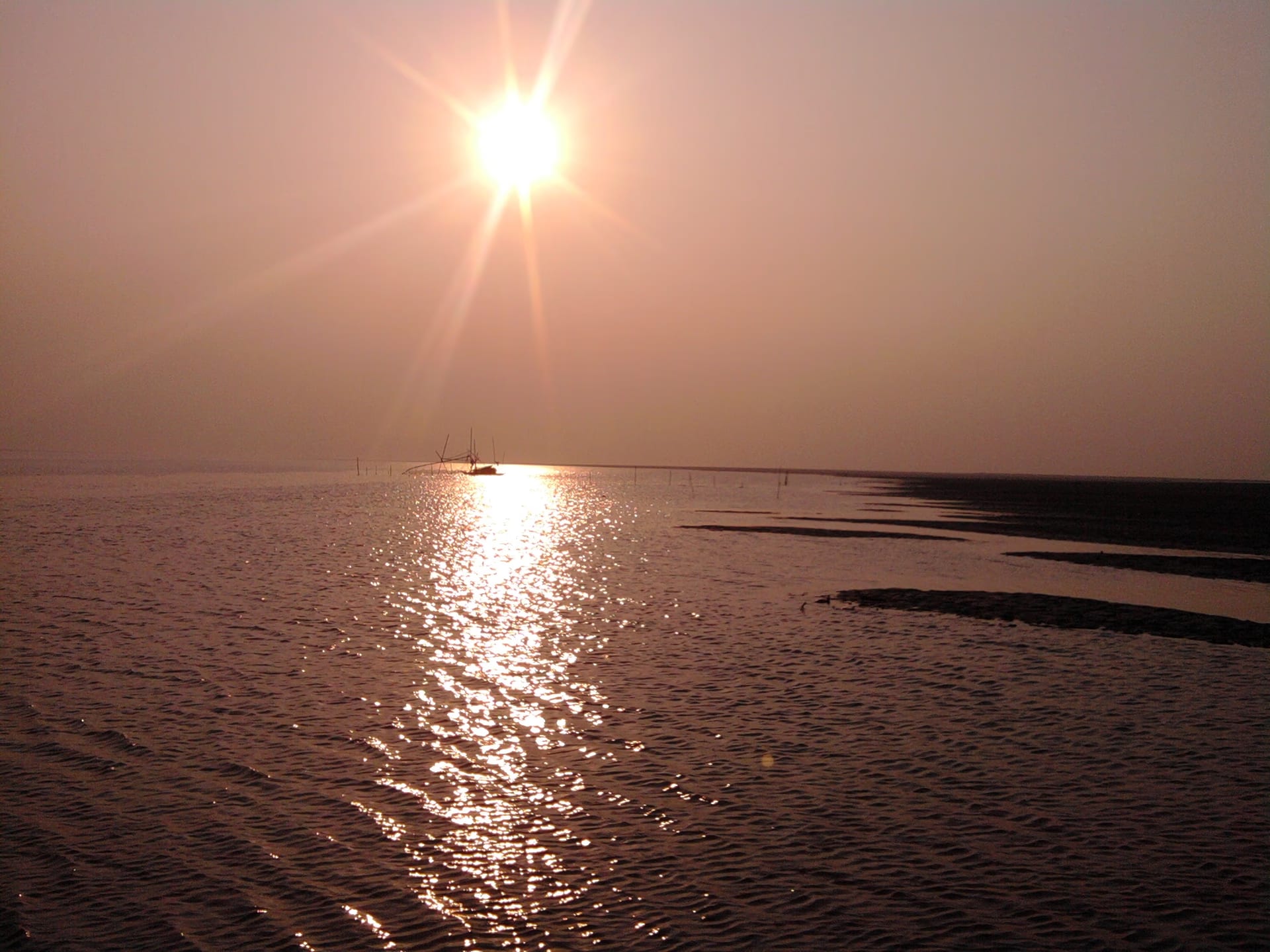
Biswanath Ghat
A serene river village on the Brahmaputra, scattered with old Siva temples and winter sandbars, named India's Best Tourism Village in 2023 yet still little known.
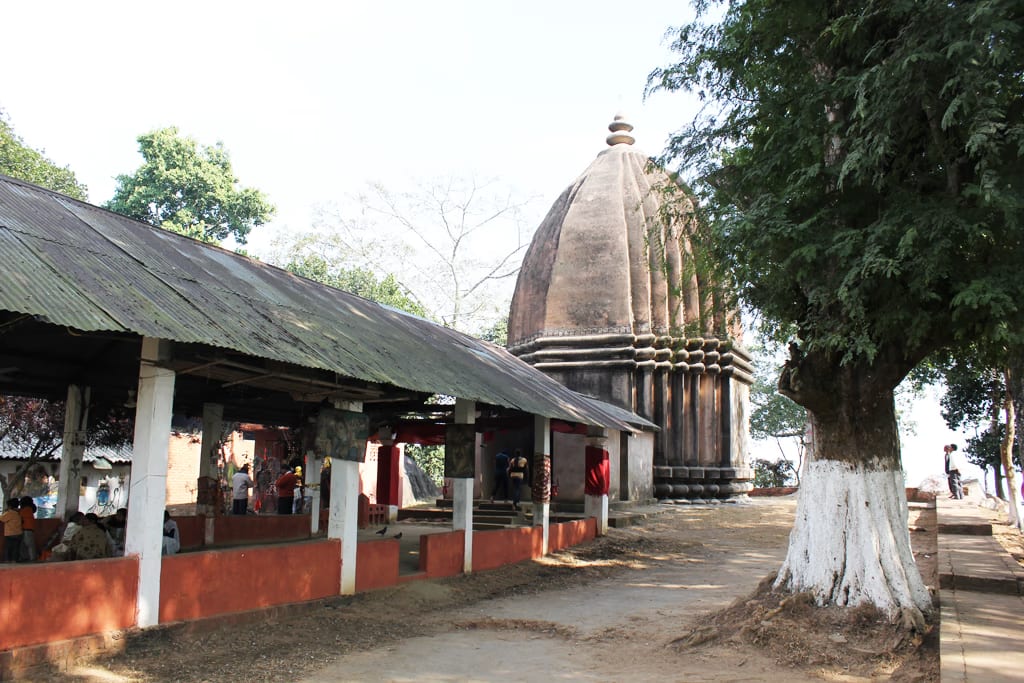
Hatimura Temple
An Ahom-built Sakta temple to Durga on a hillock at Silghat in Nagaon, raised over an older centre of goddess worship, with wide views over the river.
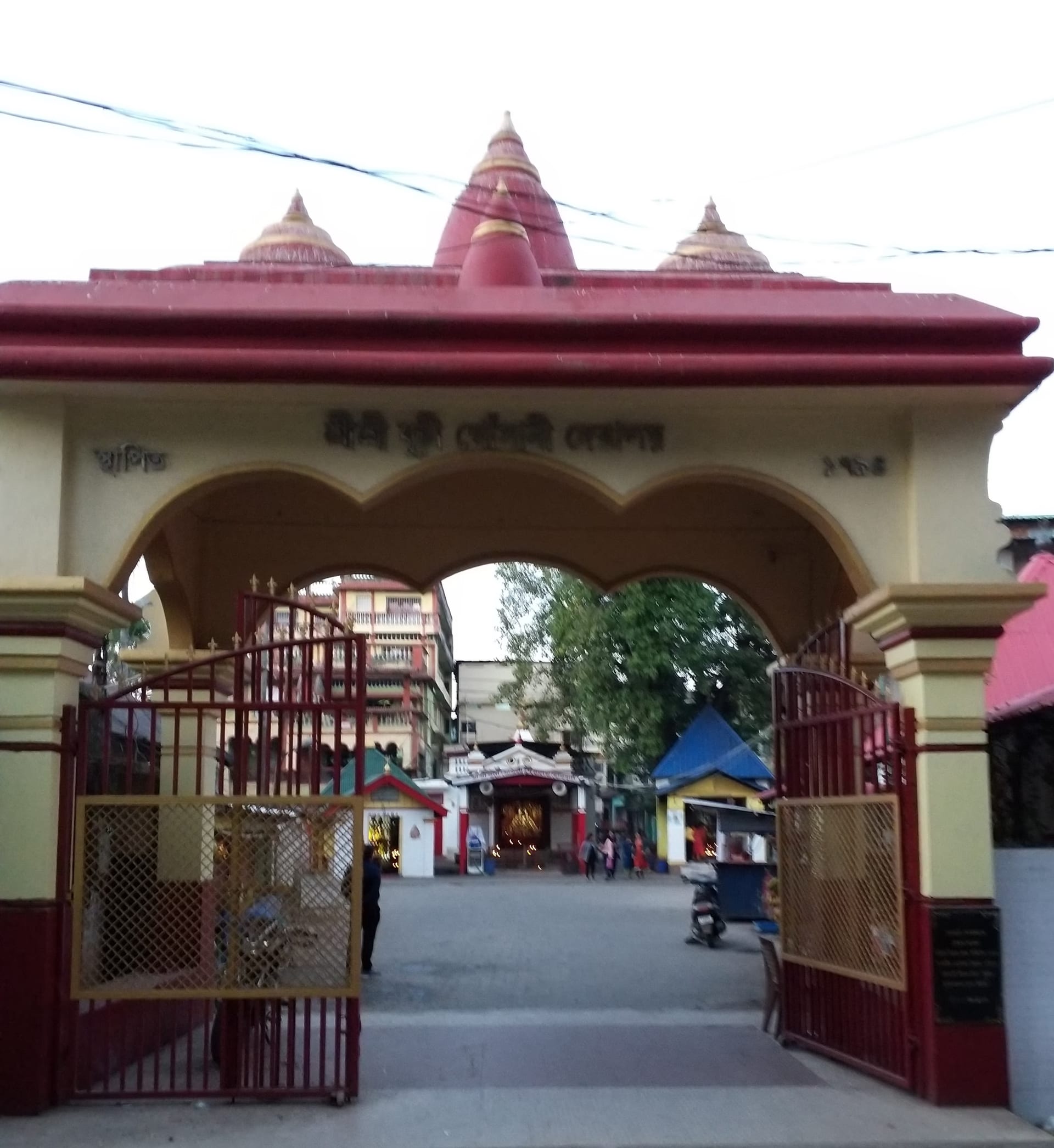
Burhi Gosani Devalaya
The principal Shakta temple of Jorhat town, established around 1794 as the Ahom capital moved here, its Durga Puja the great festival of the city.
Moiramora Doul and Sattra
An old stone temple site and an active neo-Vaishnavite sattra at Khamtighat on the Burhi Dihing, layering early archaeology with living faith.
Parks & Wildlife
The valley's national parks and wildlife sanctuaries.
Manas National Park
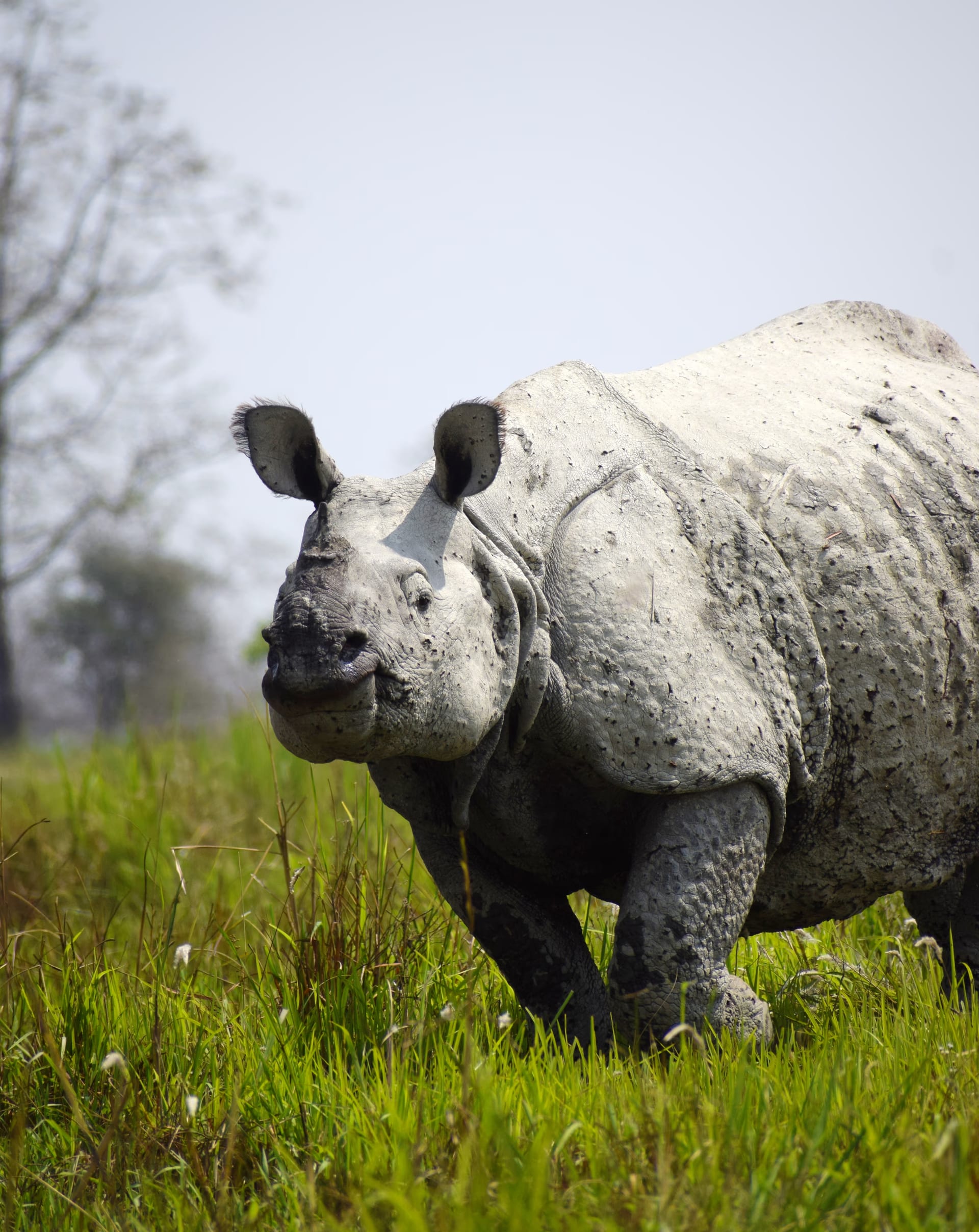
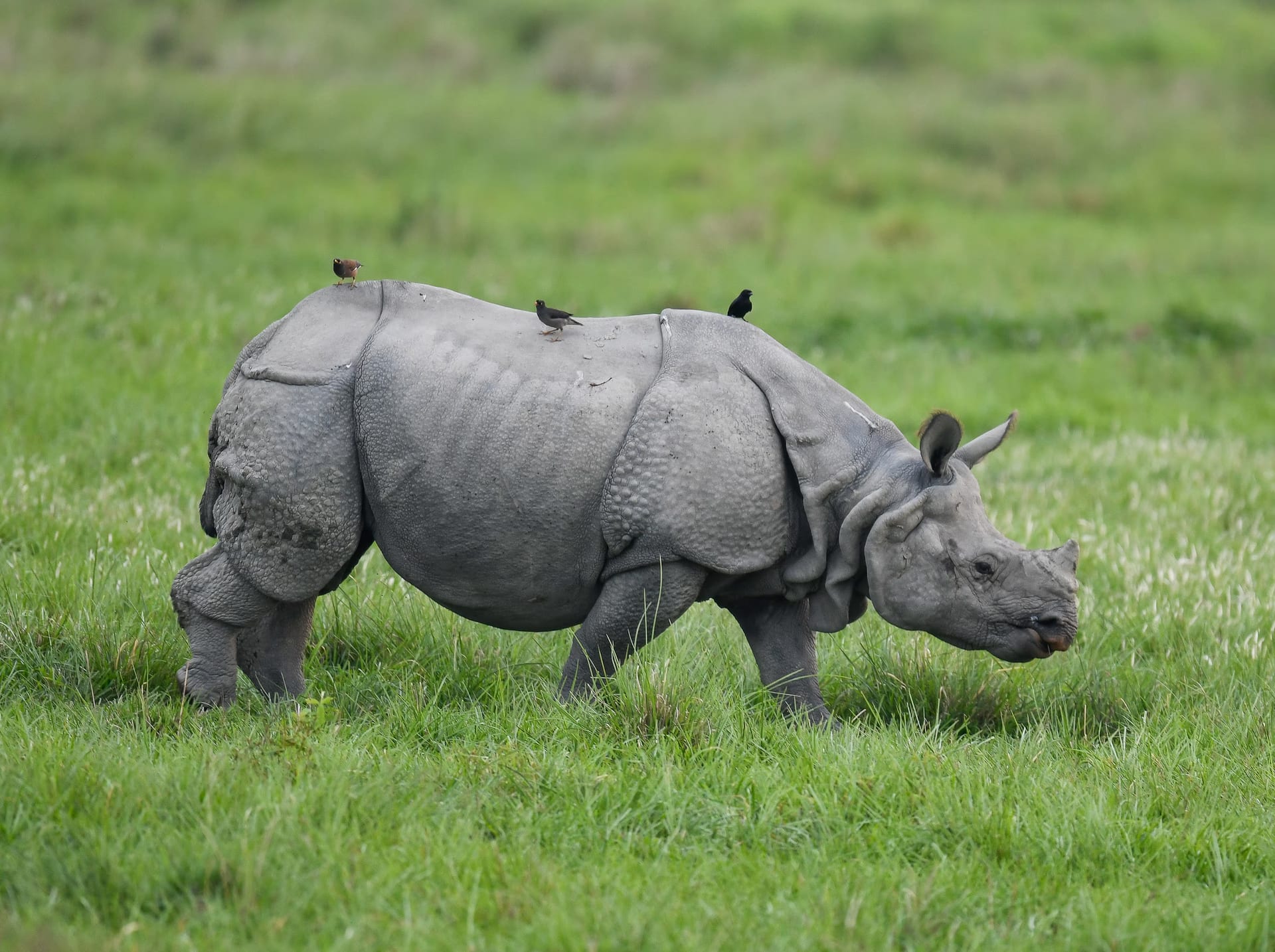
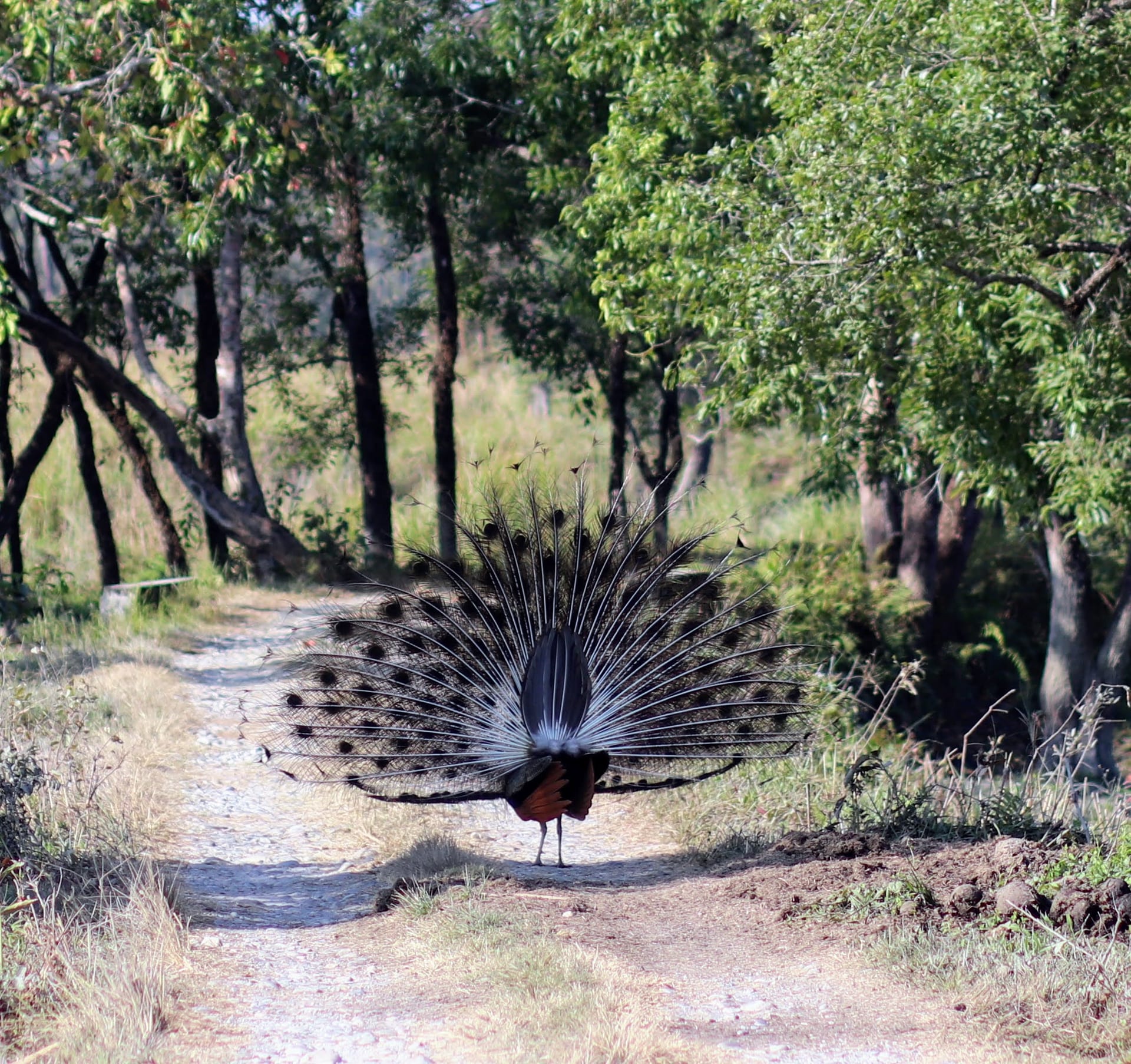
At the foot of the Bhutan Himalaya, Manas combines a Tiger Reserve, a Biosphere Reserve and a UNESCO Heritage site.
Nameri National Park
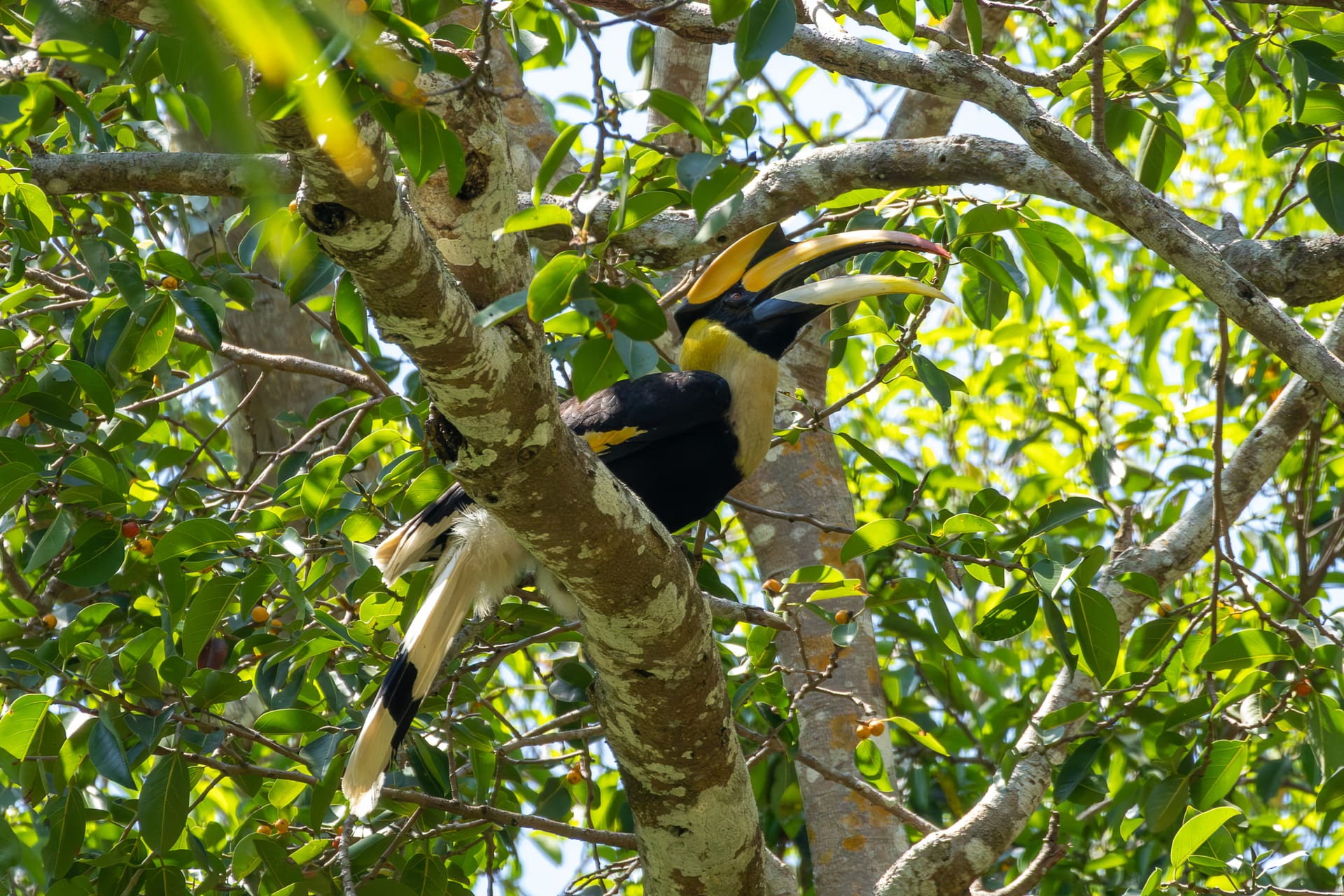
Riverine forest on the Jia Bhoroli, contiguous with Pakke Tiger Reserve across the Arunachal border. Famous for rafting and hornbills.
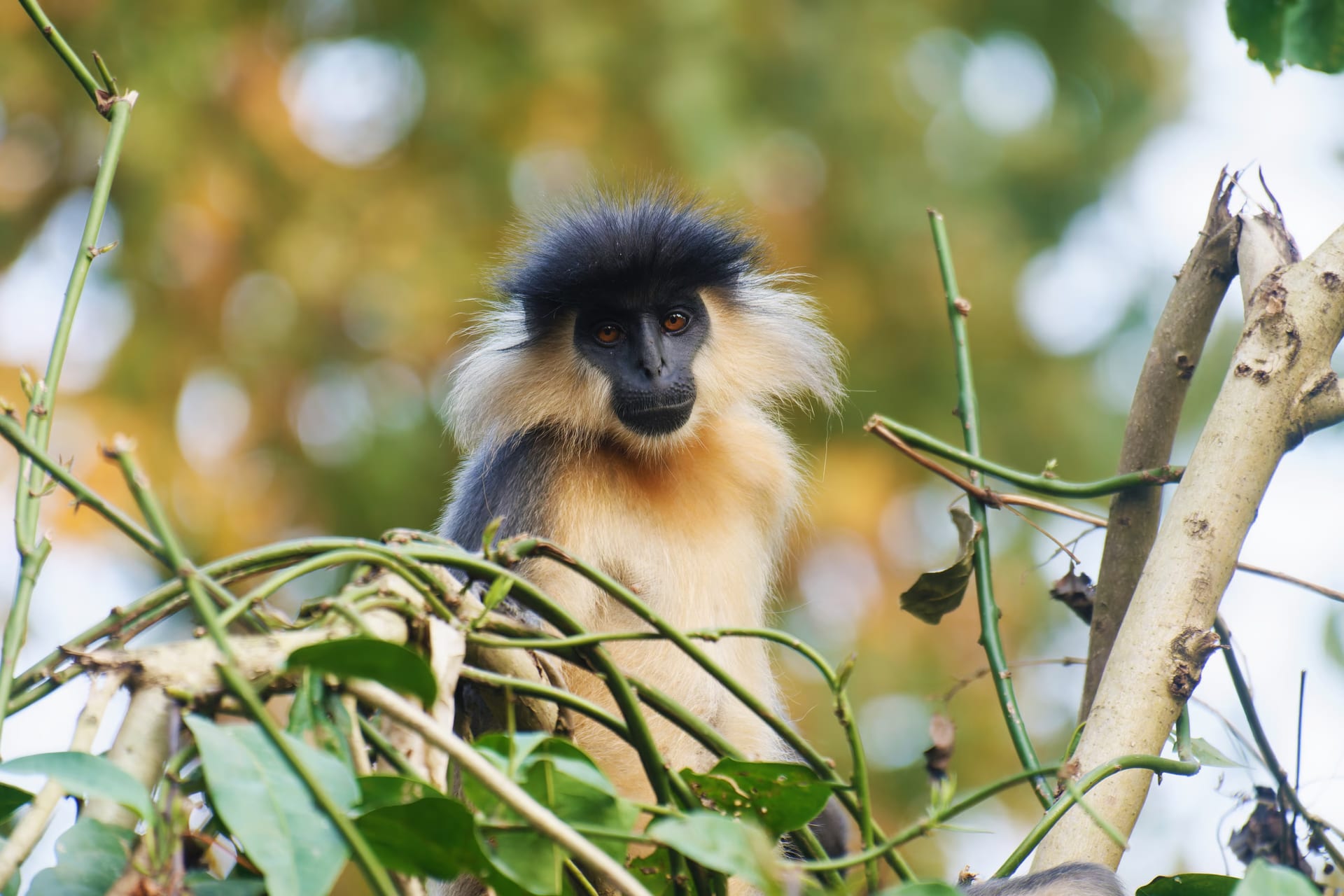
Dihing Patkai National Park
One of the largest stretches of lowland rainforest in India, hornbills, gibbons, and the unique flat-bottomed Dihing river system.
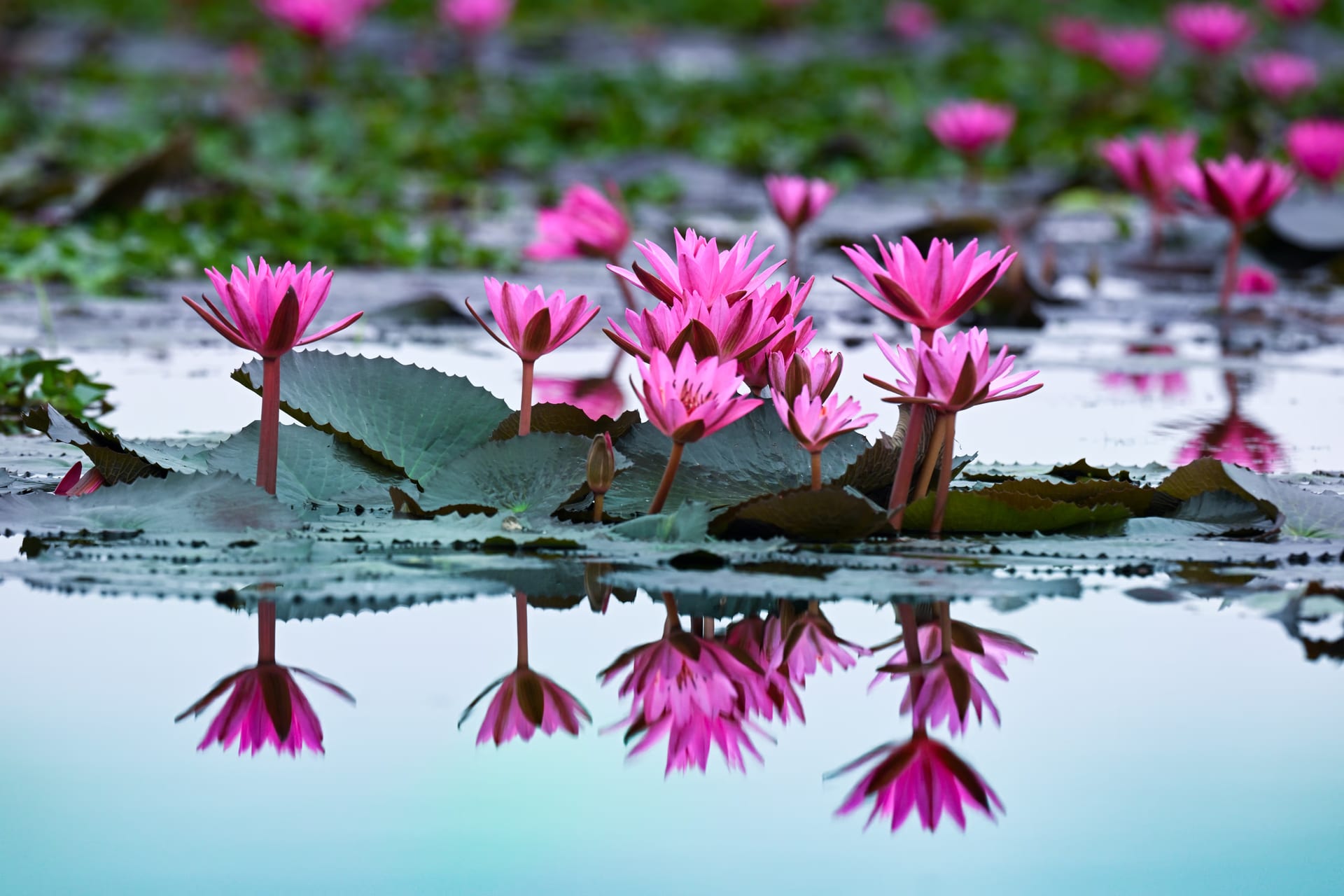
Dibru-Saikhowa Biosphere
A biosphere reserve at the confluence of the Brahmaputra, Lohit and Dibru. Wetlands, grasslands, and a rare population of feral horses.
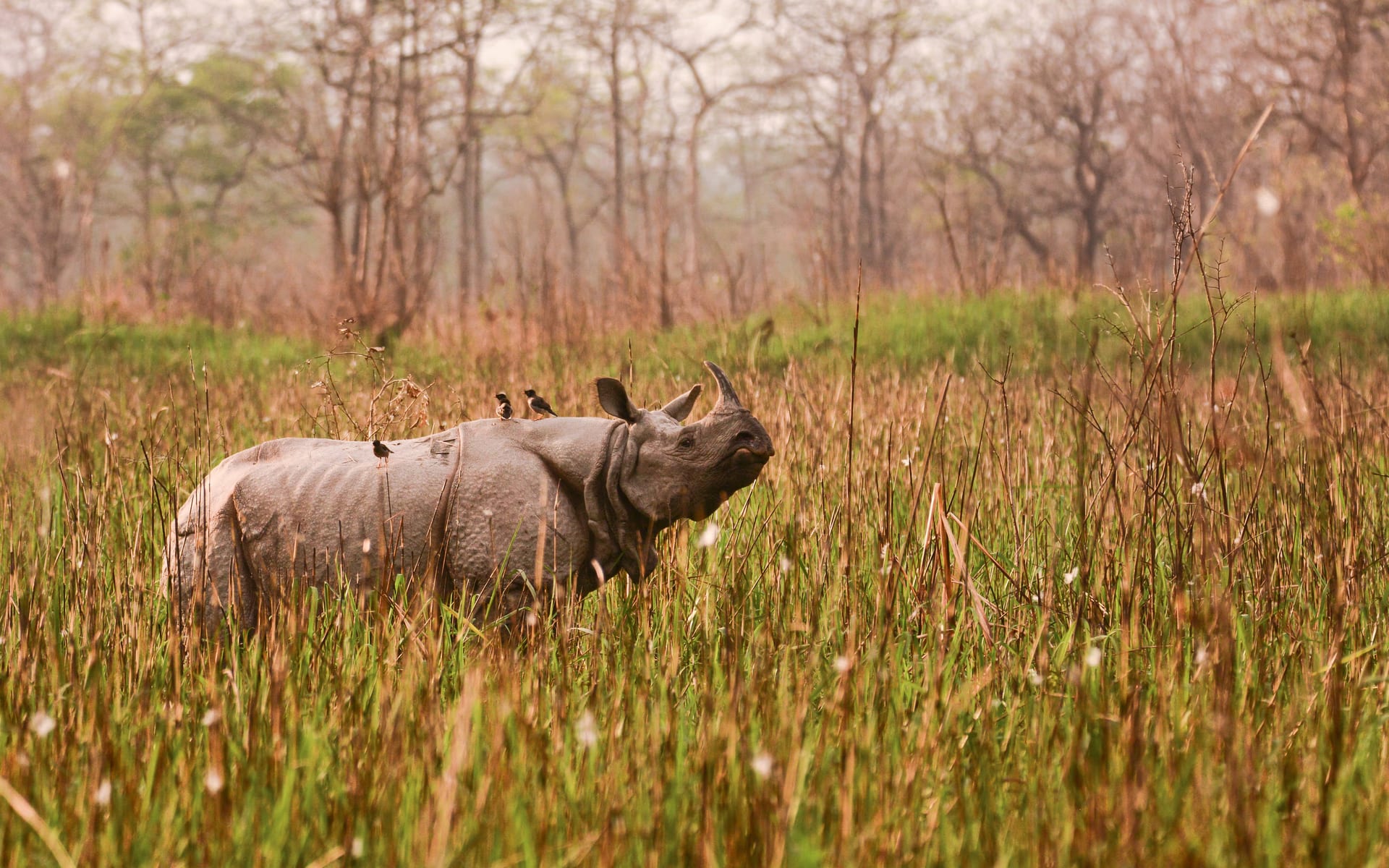
Orang National Park
The only national park on the north bank of the Brahmaputra. Rhino, tiger, elephant, and the great floodplain wetlands of the Pachnoi confluence.
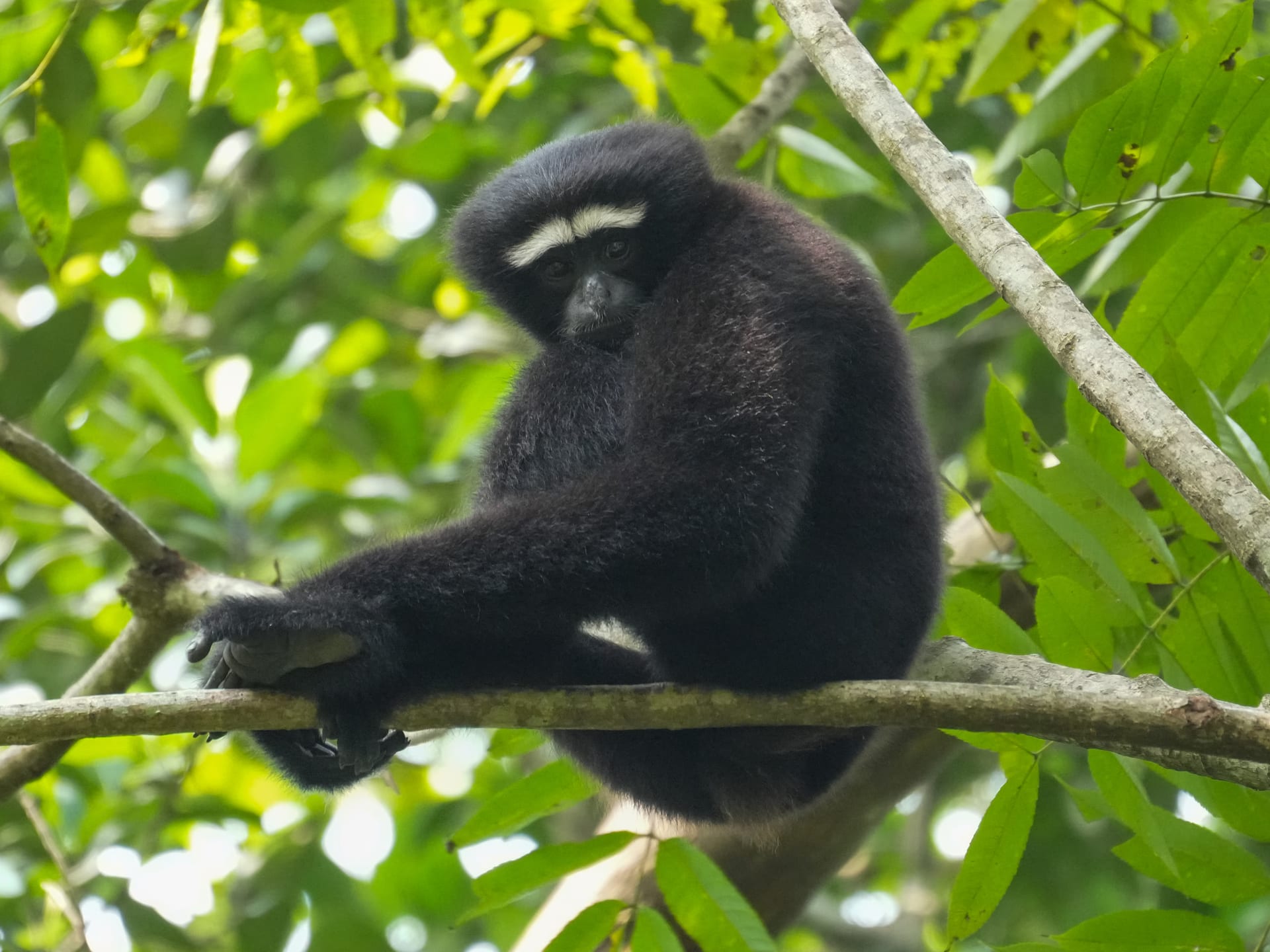
Hoollongapar Gibbon Sanctuary
A small evergreen reserve near Jorhat that is the last refuge of the western hoolock gibbon, India's only ape, and one of the most primate-rich forests in the country.
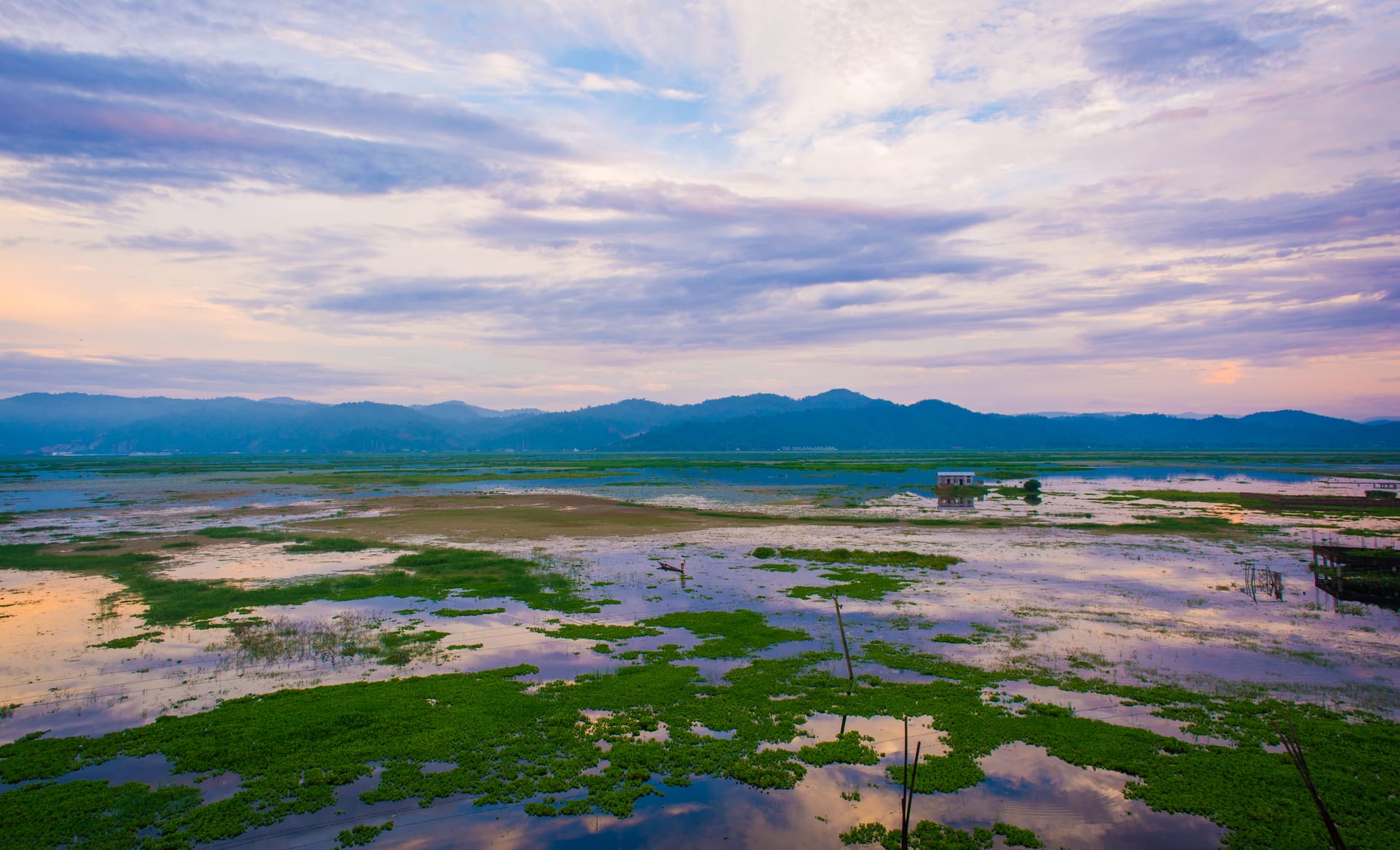
Deepor Beel
A permanent freshwater lake and the only Ramsar wetland in Assam, a stormwater basin for Guwahati and a wintering ground for tens of thousands of waterbirds.
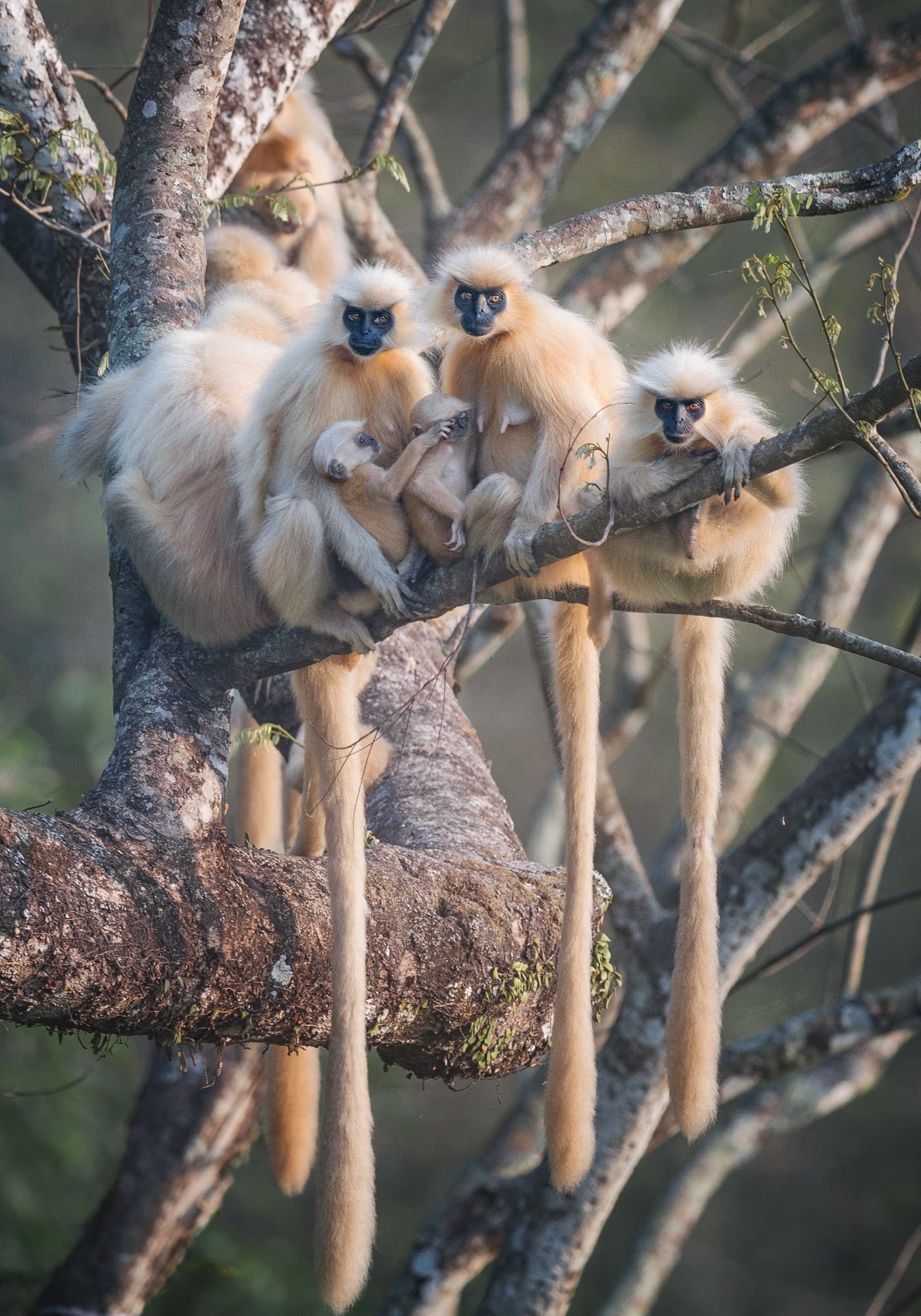
Raimona National Park
A large contiguous forest in western Bodoland against the Bhutan frontier, declared Assam's sixth national park in 2021, a stronghold of the golden langur and the elephant.
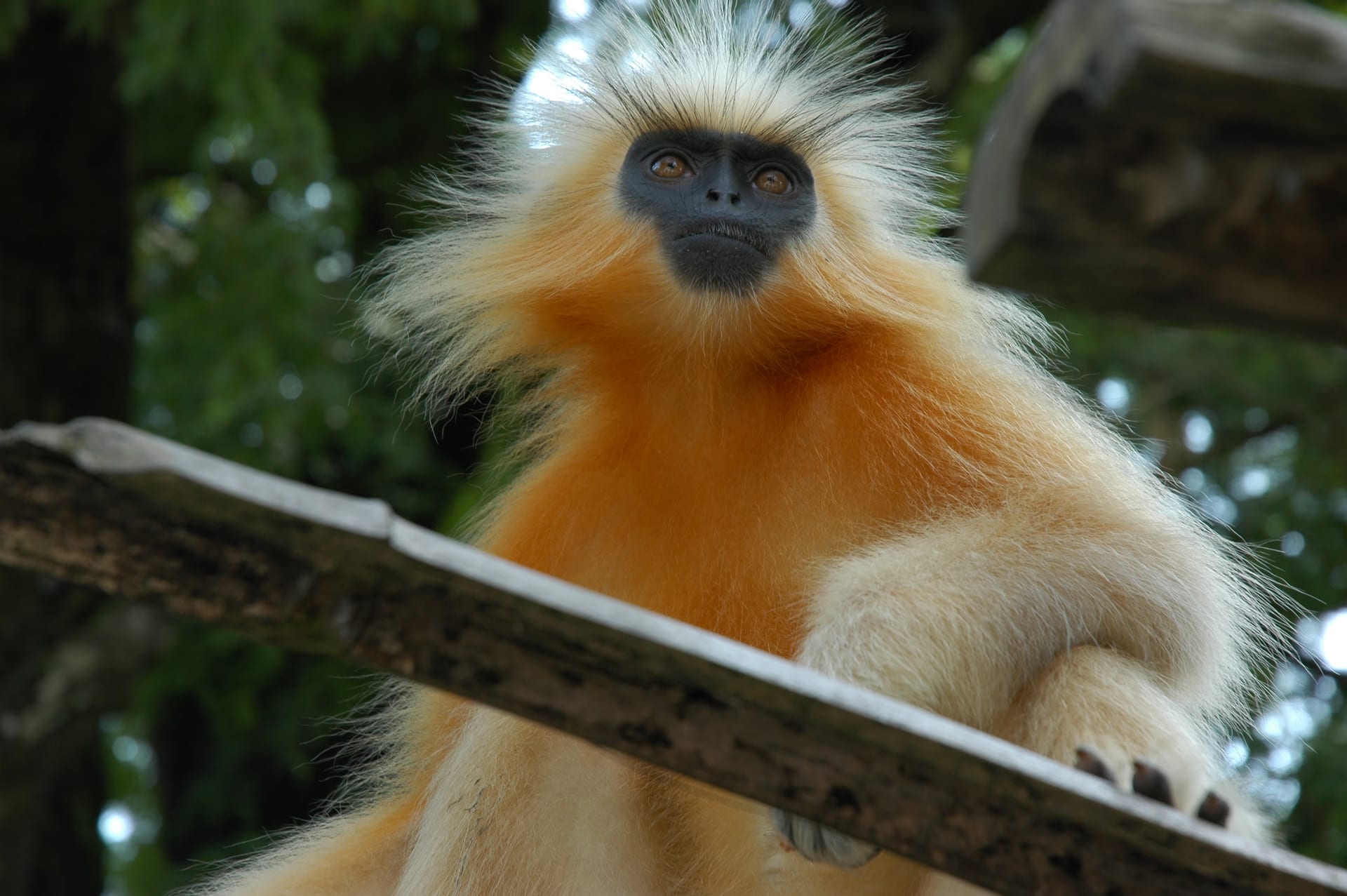
Chakrashila
A hill sanctuary in Bodoland and one of only two protected homes of the rare golden langur, brought back from the edge by the villages around it.
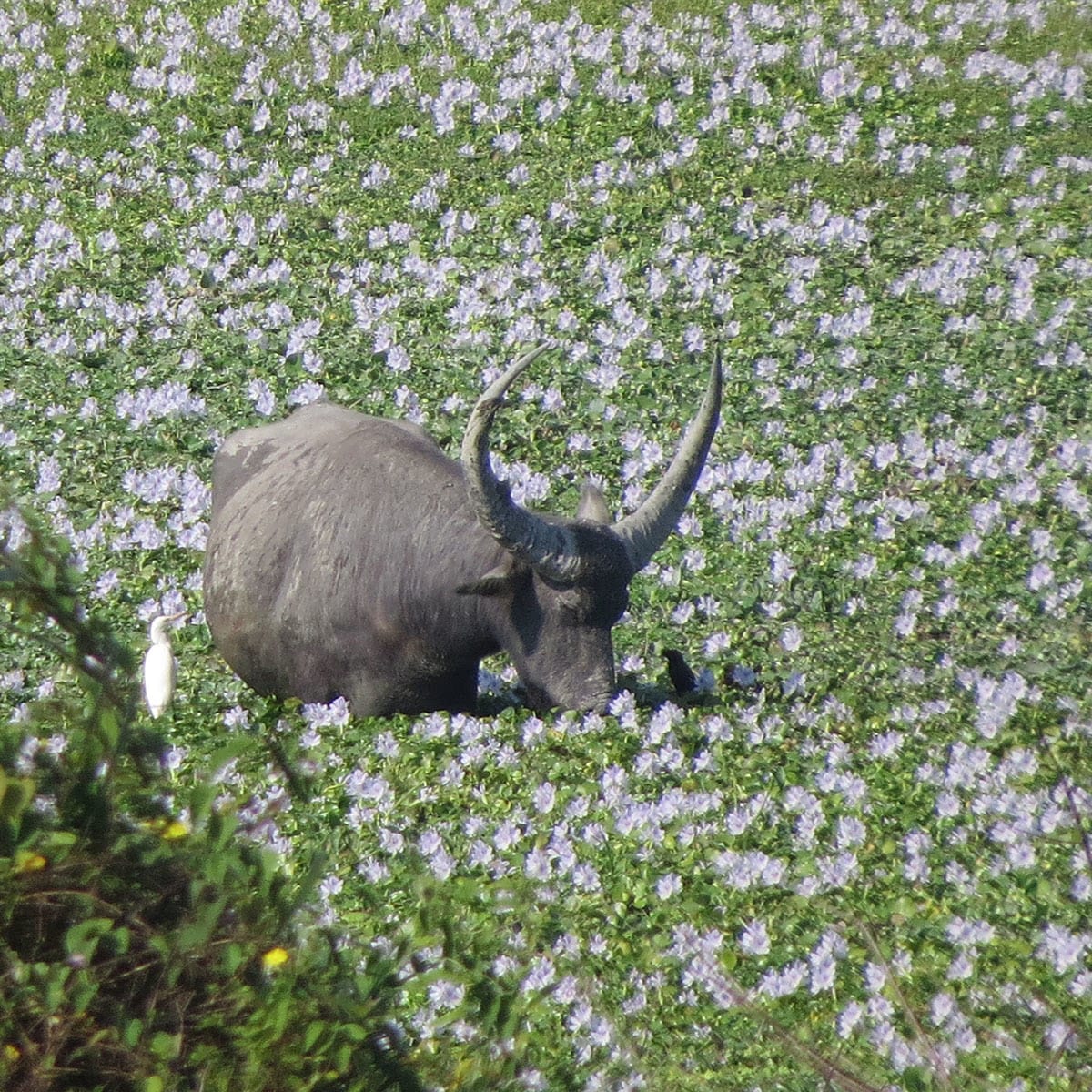
Laokhowa
A grassland-and-wetland sanctuary on the south bank of the Brahmaputra in Nagaon, part of the Laokhowa-Burhachapori belt, a recovering home for buffalo, rhino and birds.
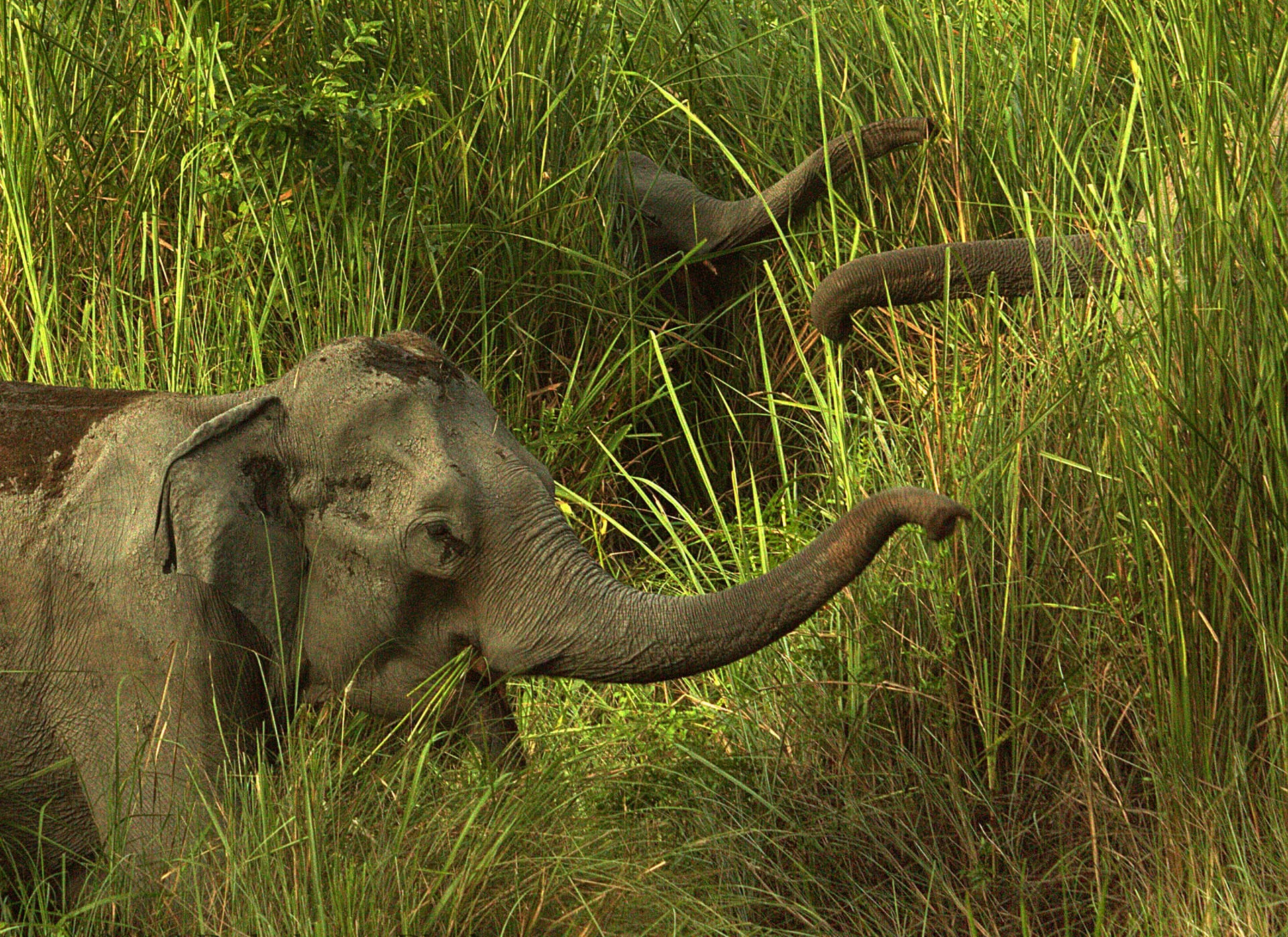
Sonai-Rupai
A foothill sanctuary north of Tezpur against the Arunachal line, grassland and forest known for elephants, bison and the rare white-winged wood duck.
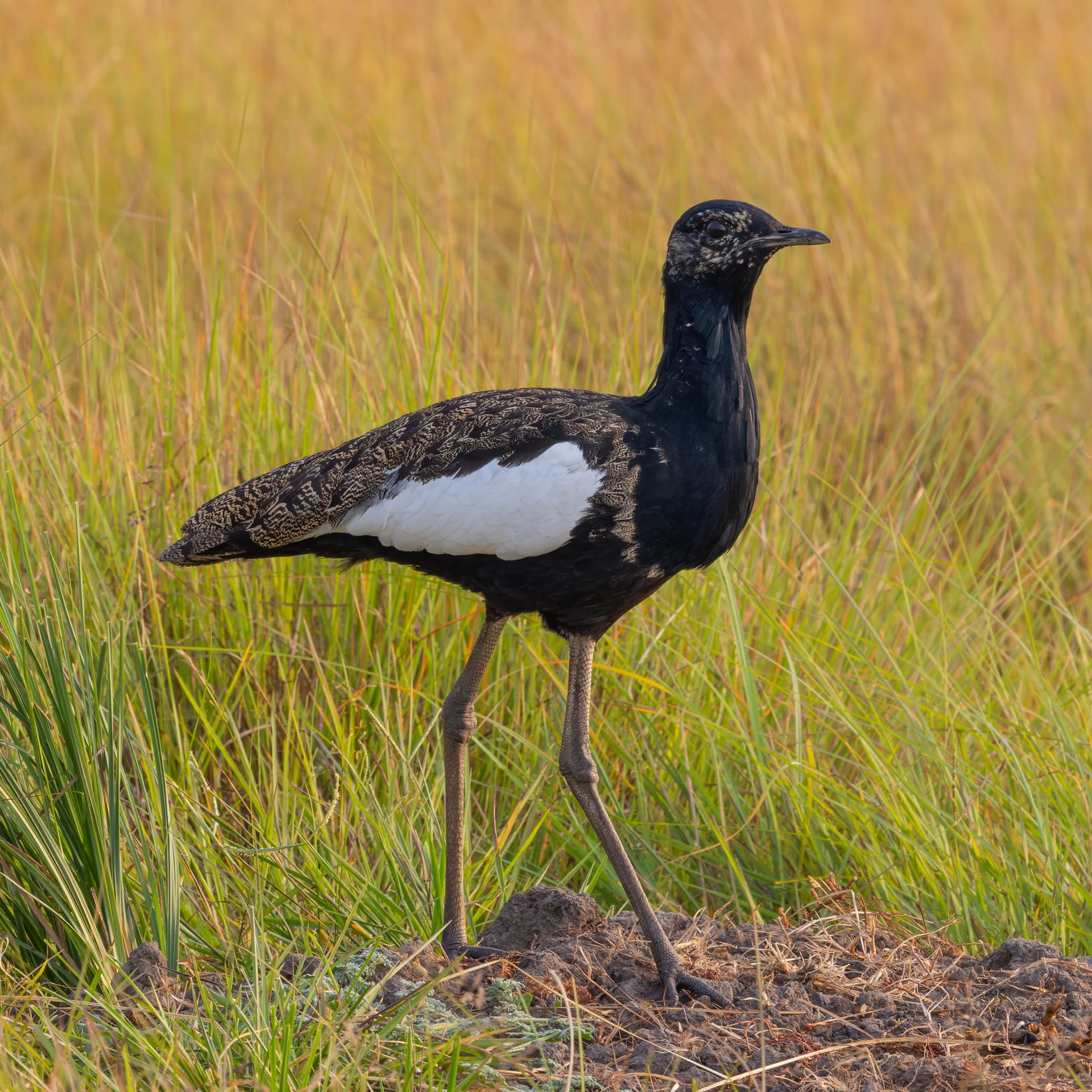
Bura Chapori
A grassland and riverine sanctuary on the north bank of the Brahmaputra, a stronghold of the endangered Bengal florican and a winter haunt of migratory ducks.
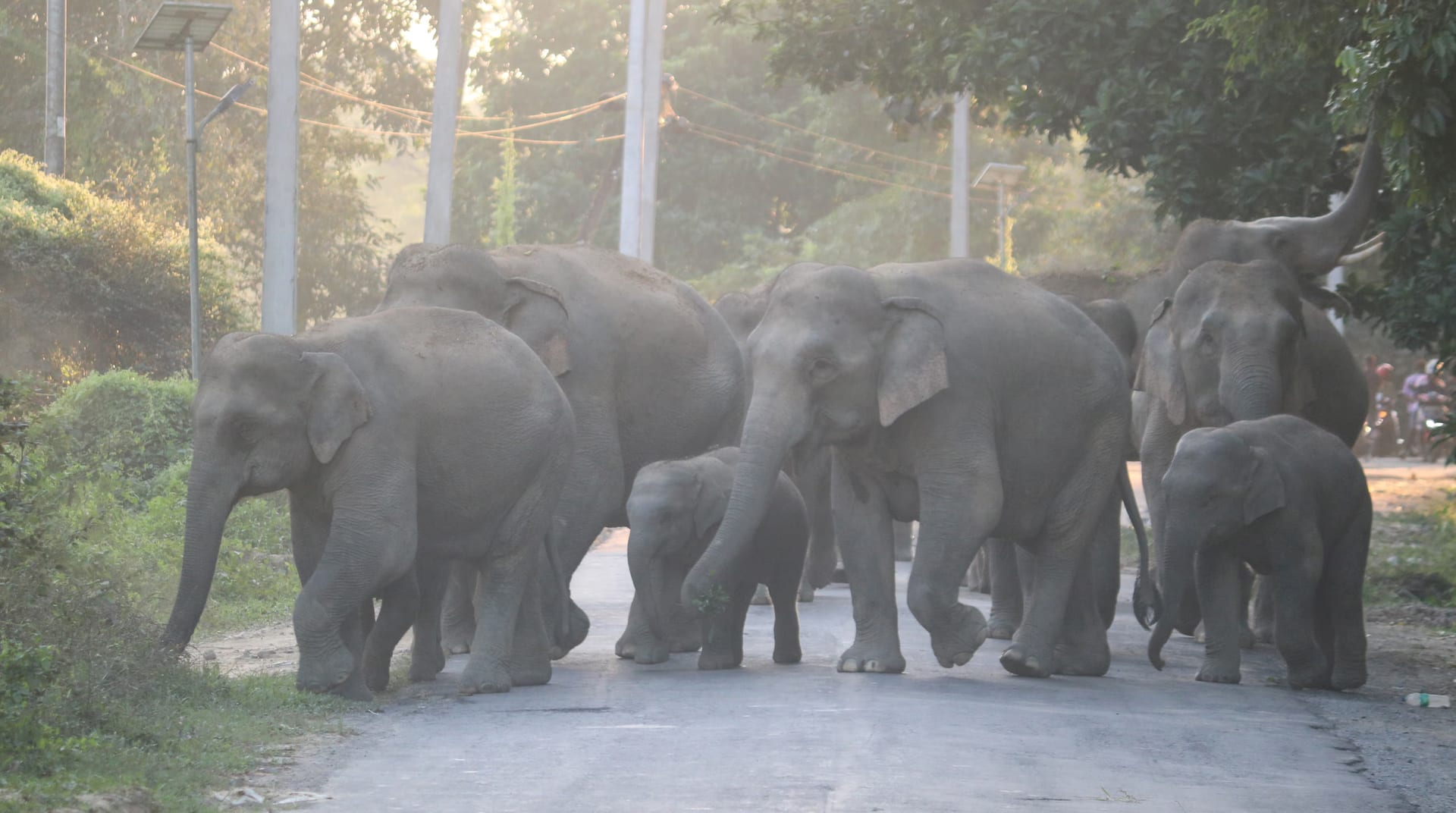
Amchang
A hill-and-forest sanctuary on the eastern fringe of Guwahati, the city's green shield, home to elephants, rare birds and primates within sight of the suburbs.
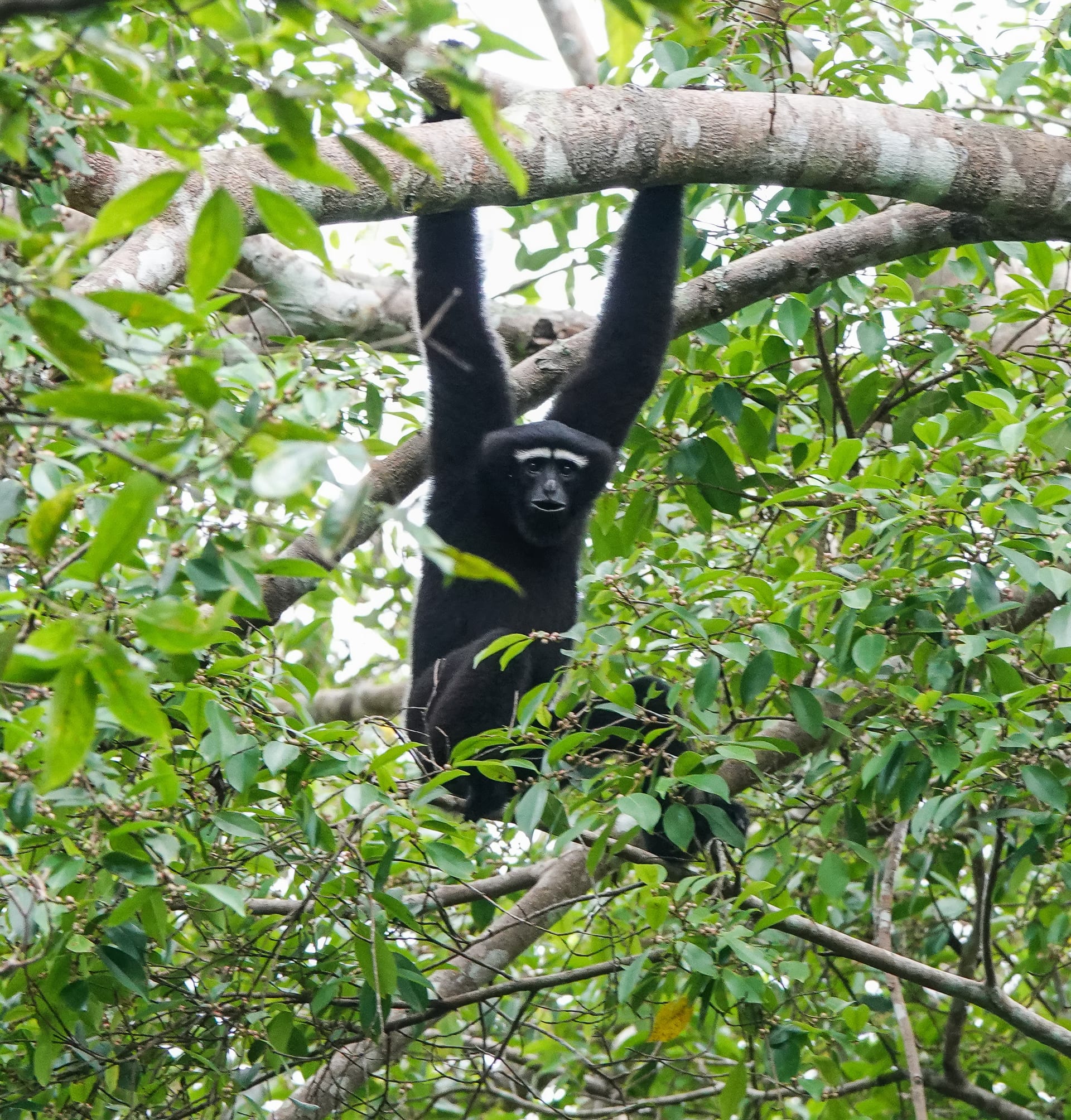
Garampani Sanctuary
One of India's oldest wildlife sanctuaries, in the Karbi hills, known for its hot springs, waterfalls and orchids, and joined to the wider Nambor forest complex.
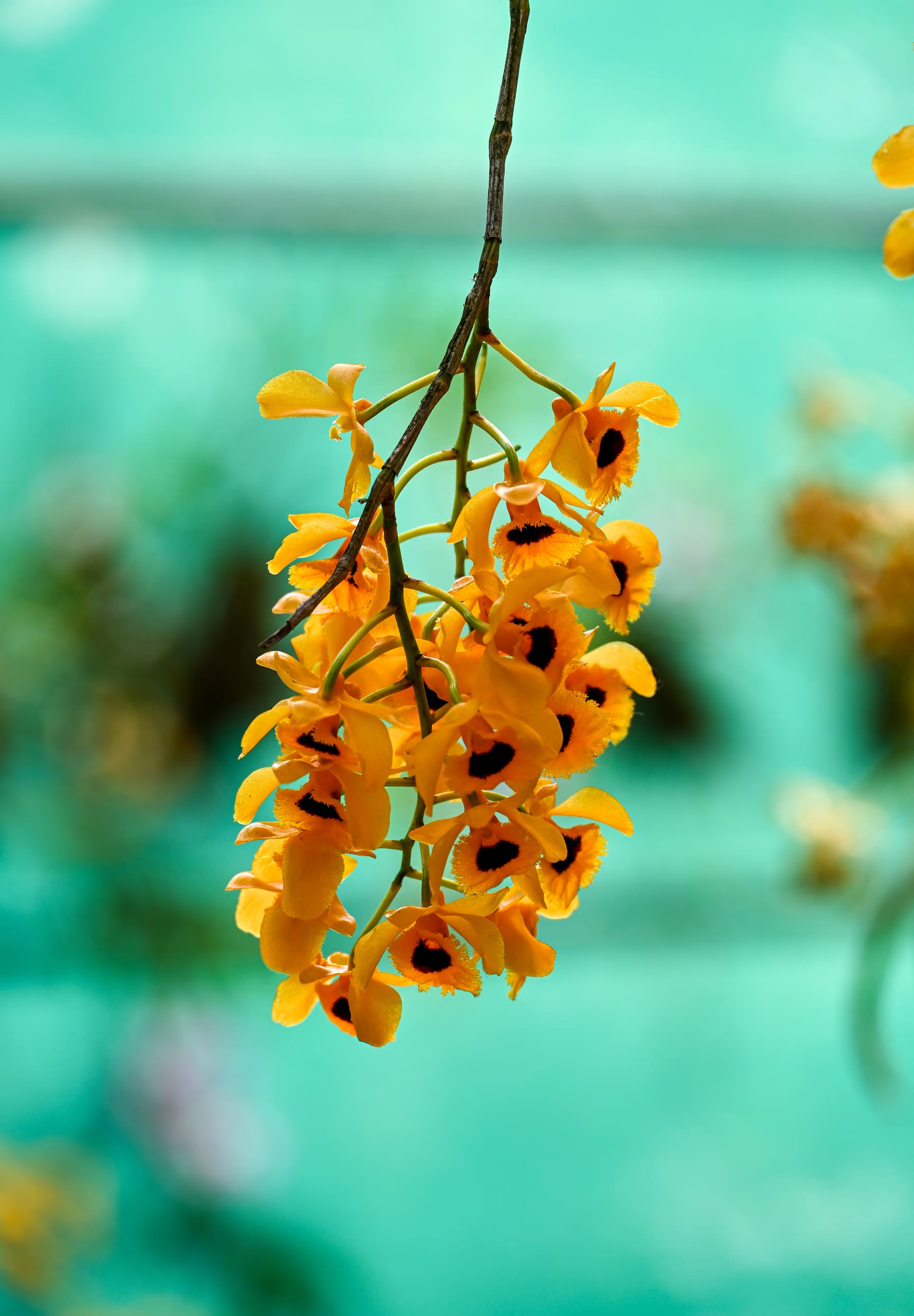
Nambor Sanctuary
A patch of lowland rainforest in Karbi Anglong holding dozens of wild orchid species and a rich bird and mammal life, among the last of its forest type in the plains belt.
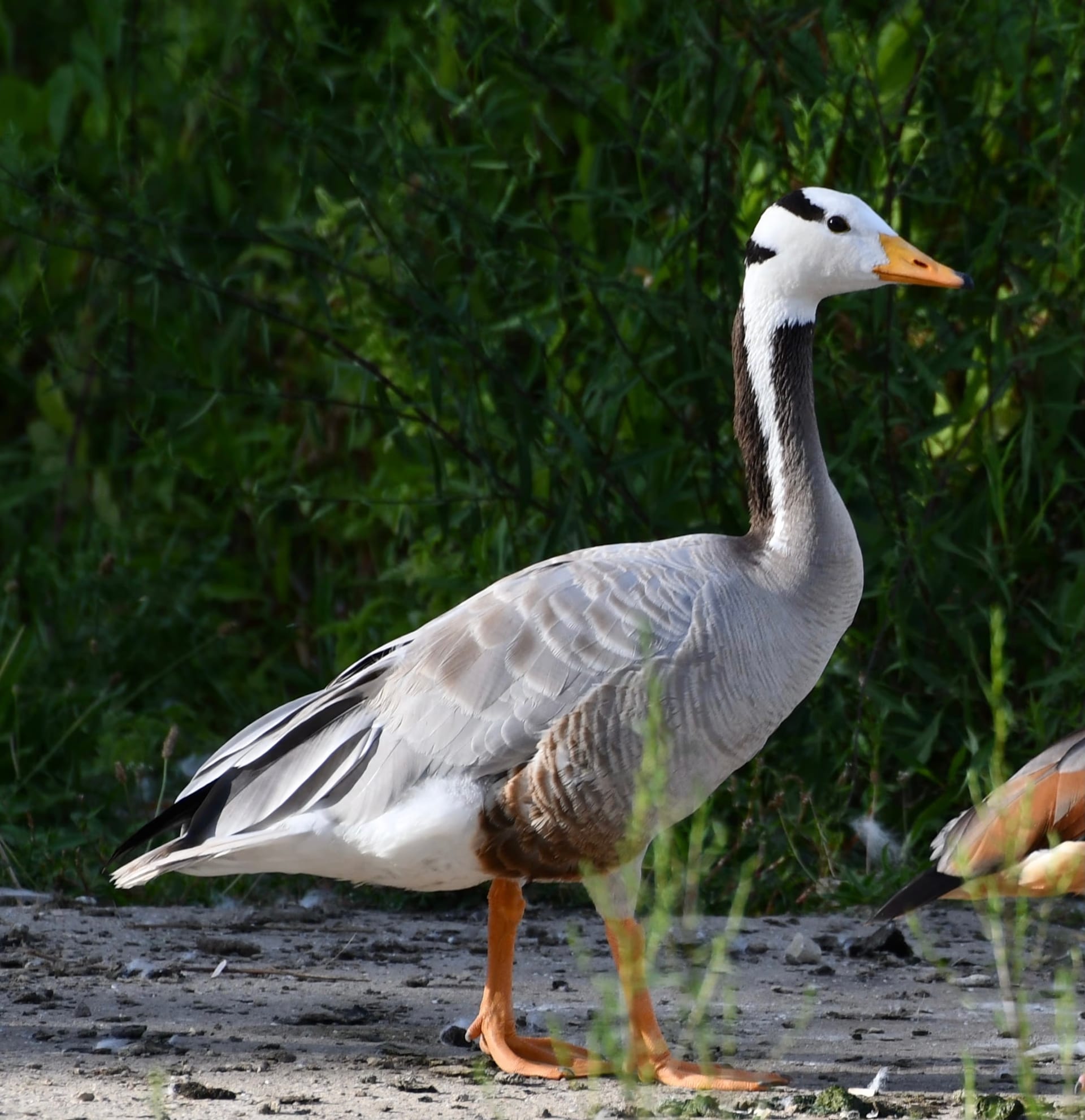
Panidihing
A wetland bird sanctuary in the Brahmaputra floodplain of Sivasagar district, a winter gathering ground for tens of thousands of ducks, storks and waders.
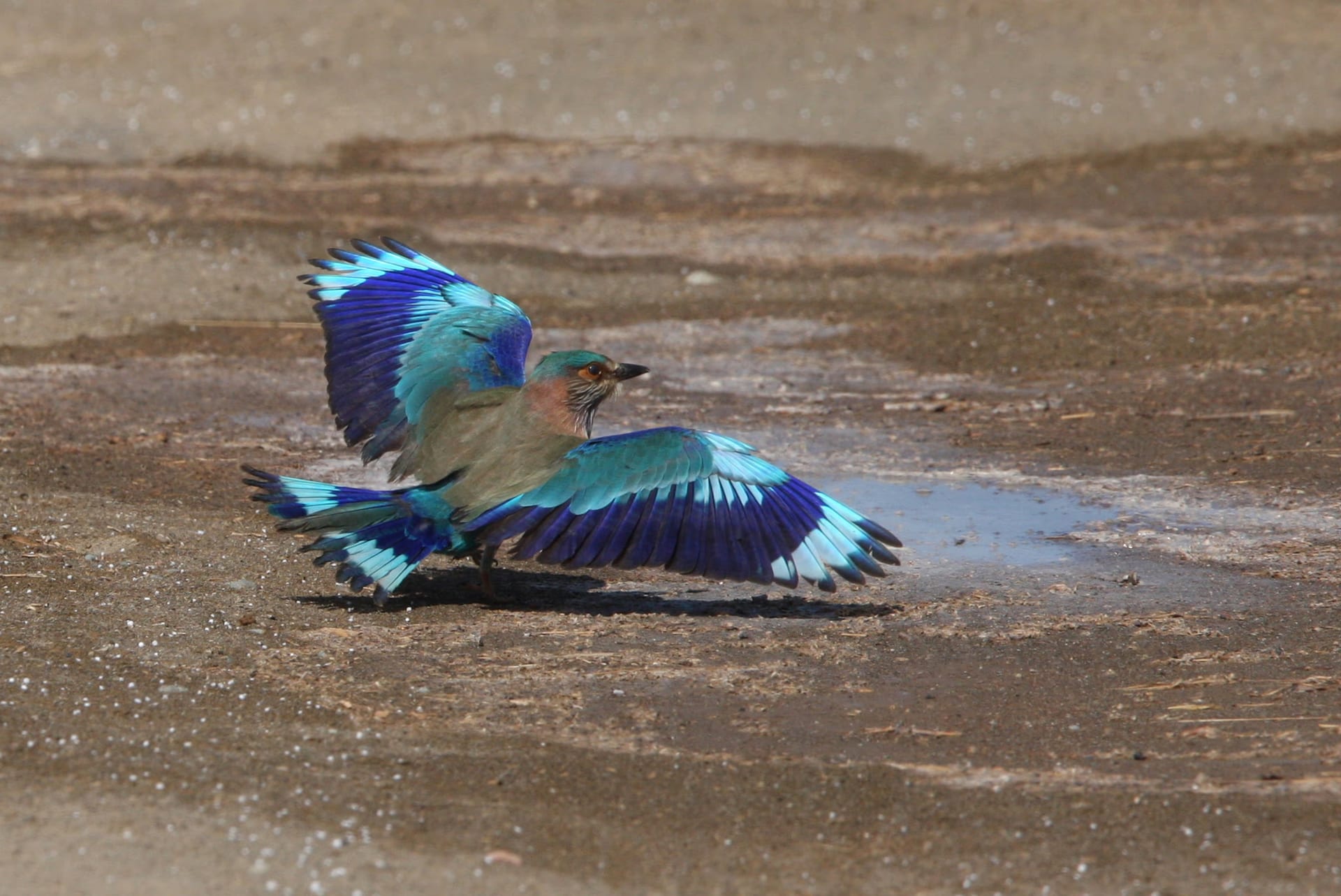
Bordoibam Bilmukh
A bird sanctuary on a wetland near the Subansiri river in upper Assam, a breeding ground for the lesser whistling teal and a winter stop for many migratory species.
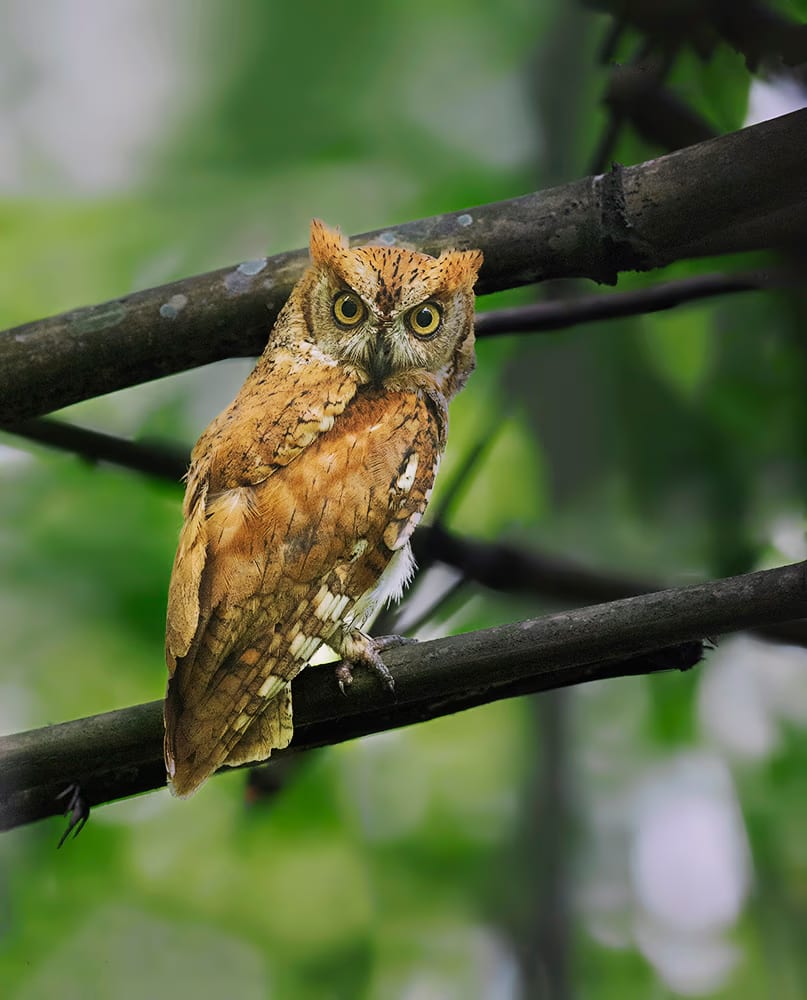
Garbhanga
A reserve forest on the southern edge of Guwahati against the Meghalaya border, with trekking trails, hidden waterfalls like Theopani, and rich birdlife minutes from the city.
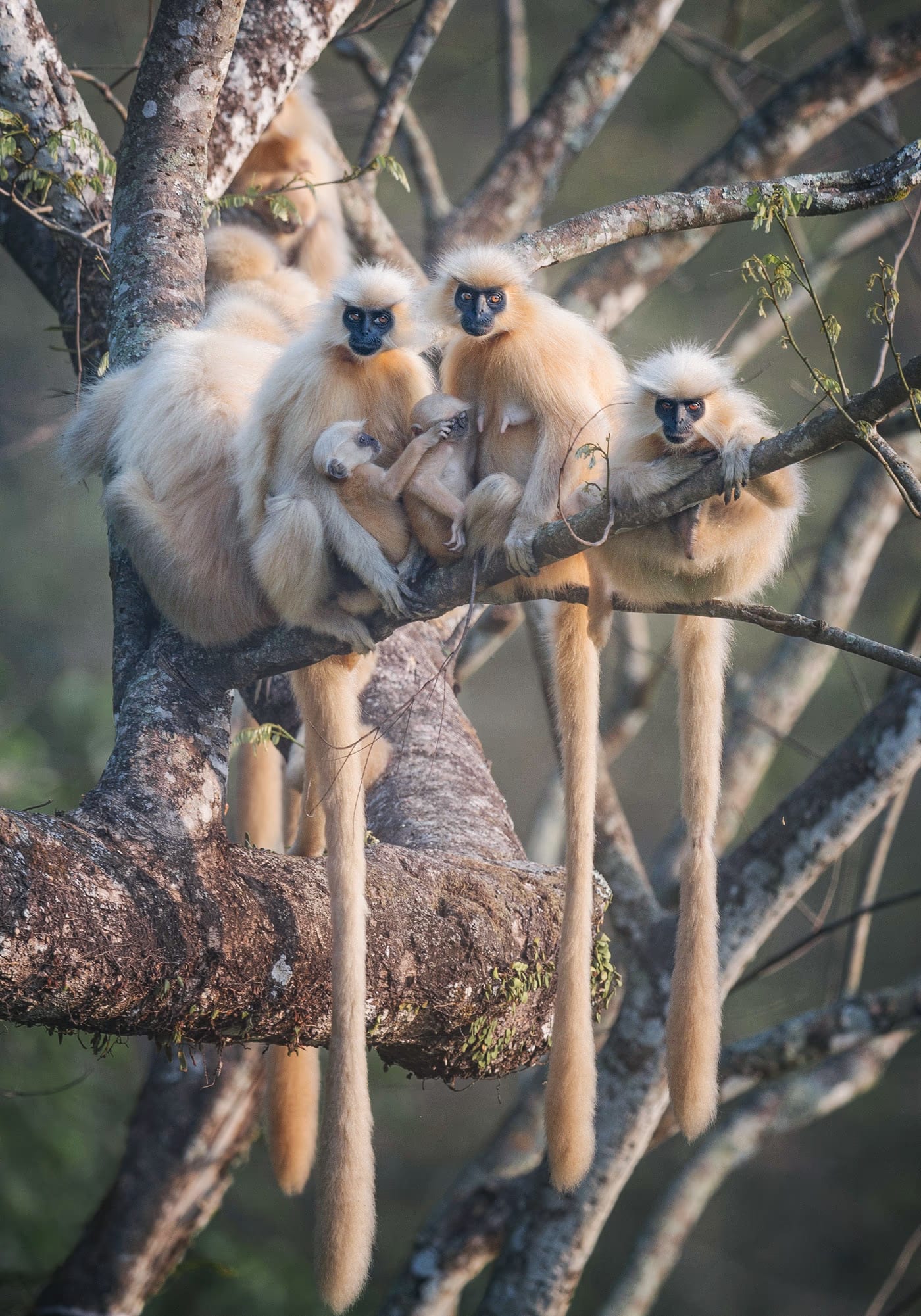
Sikhna Jwhwlao National Park
Declared in 2025 across the Chirang and Kokrajhar hills against the Bhutan border, Assam's eighth and newest national park, named for the Bodo warrior who fought the British in the Duar War, and a stronghold of the golden langur.
Natural Wonders
Waterfalls, hill pools, lagoons and river islands. The valley's landscapes beyond the parks.
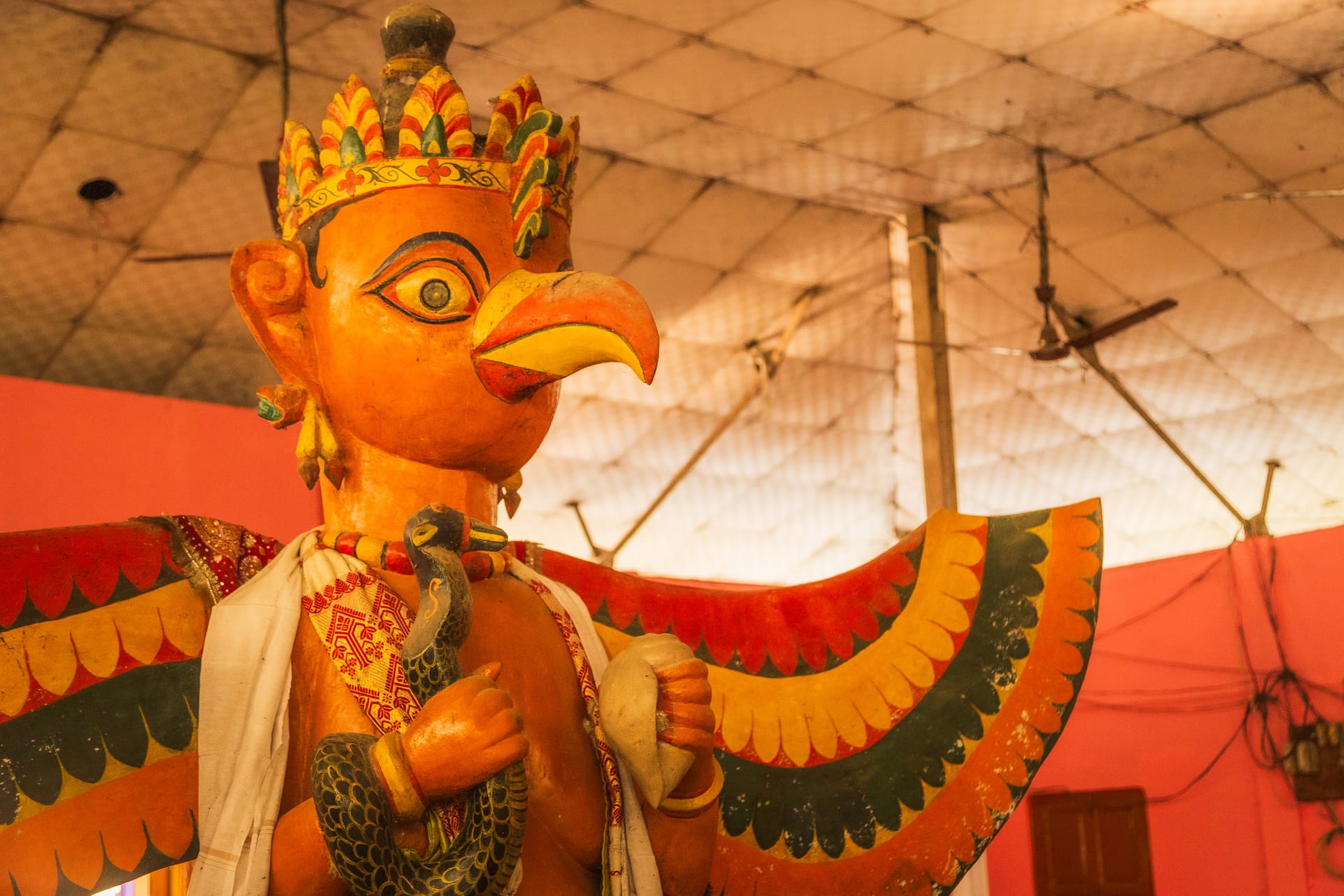
Forts, Ruins & Monuments
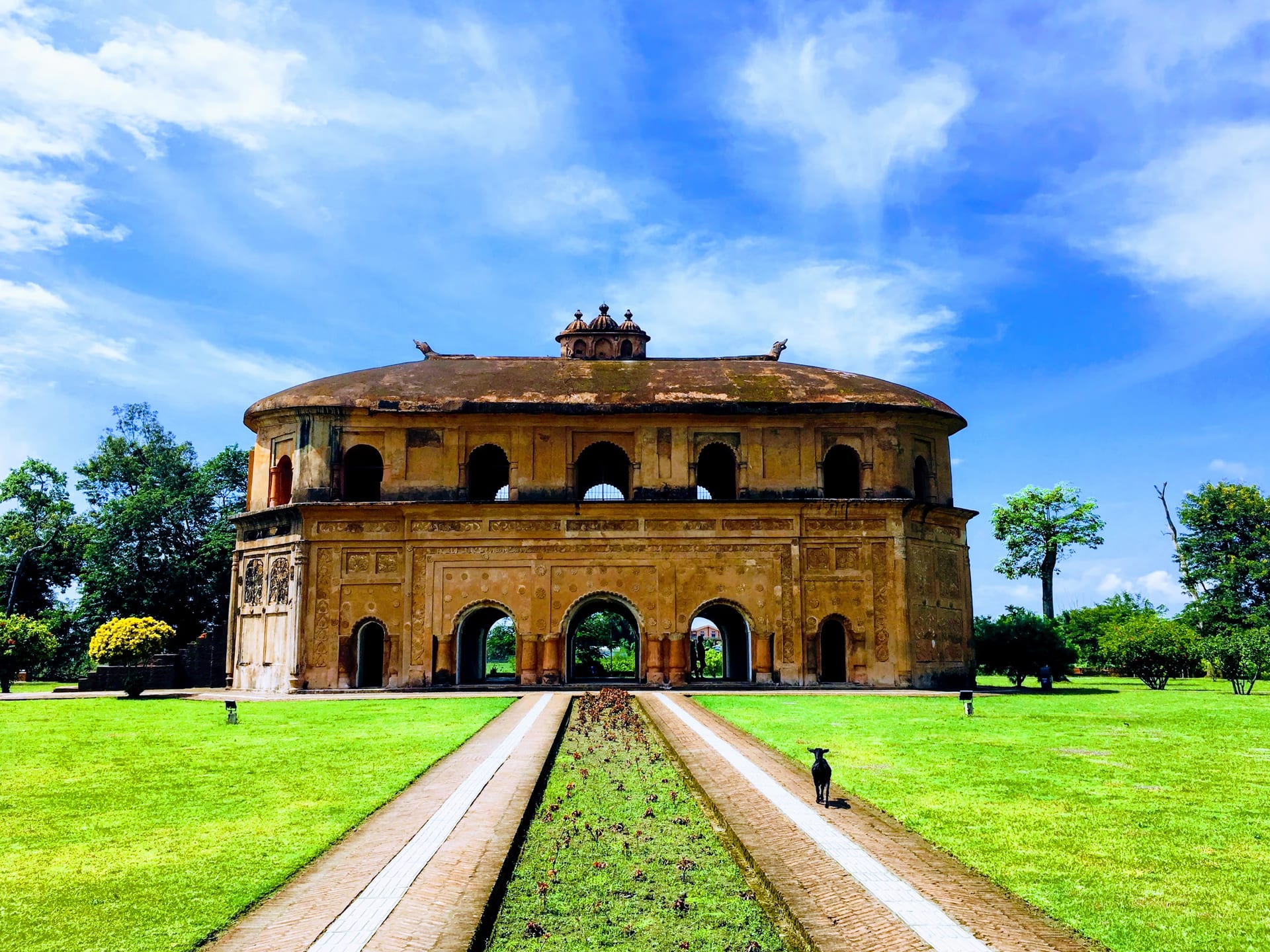
The built and buried record of the kingdoms. Forts and palaces, ruins and excavated sites.
Da Parbatia
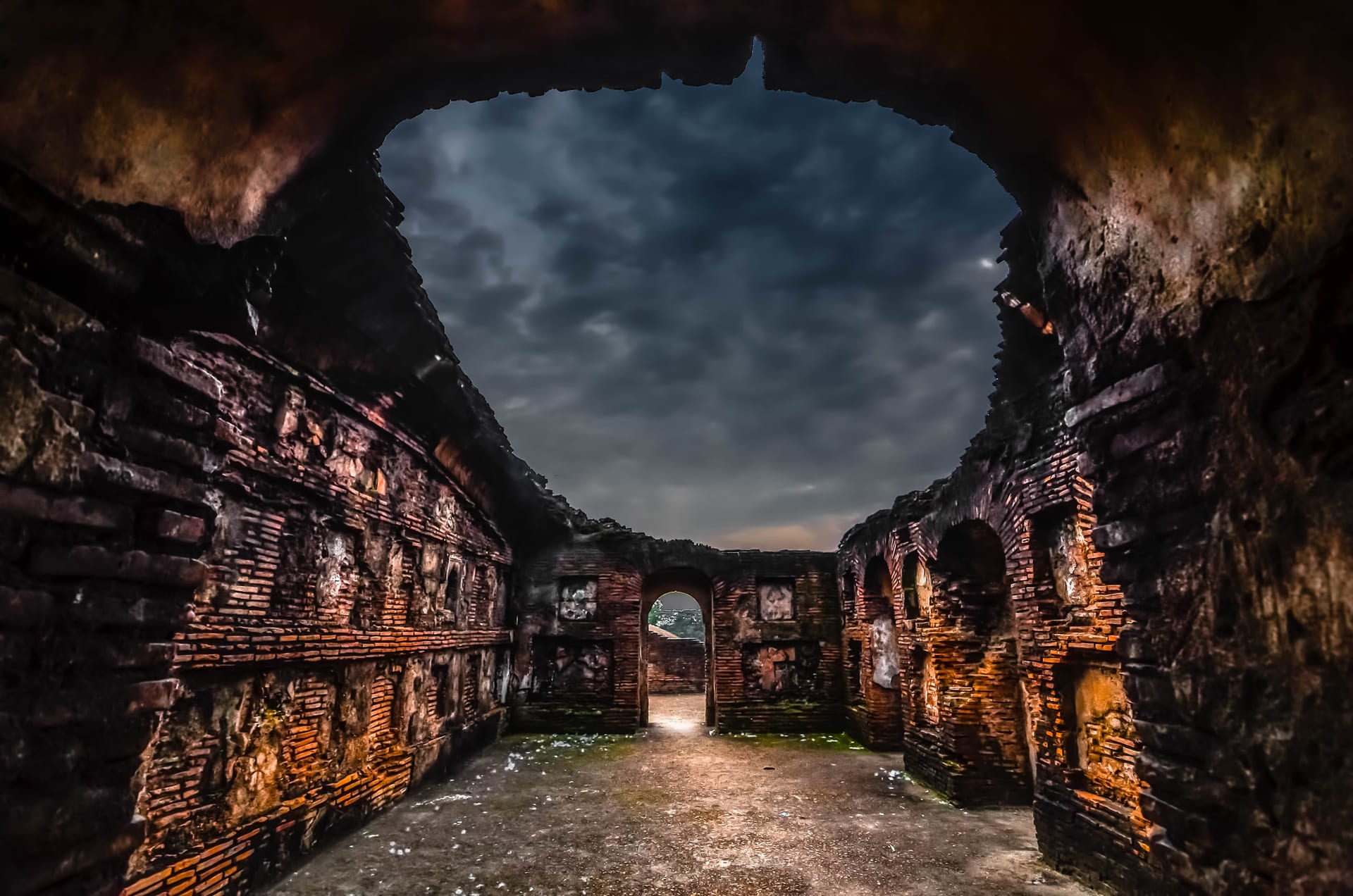
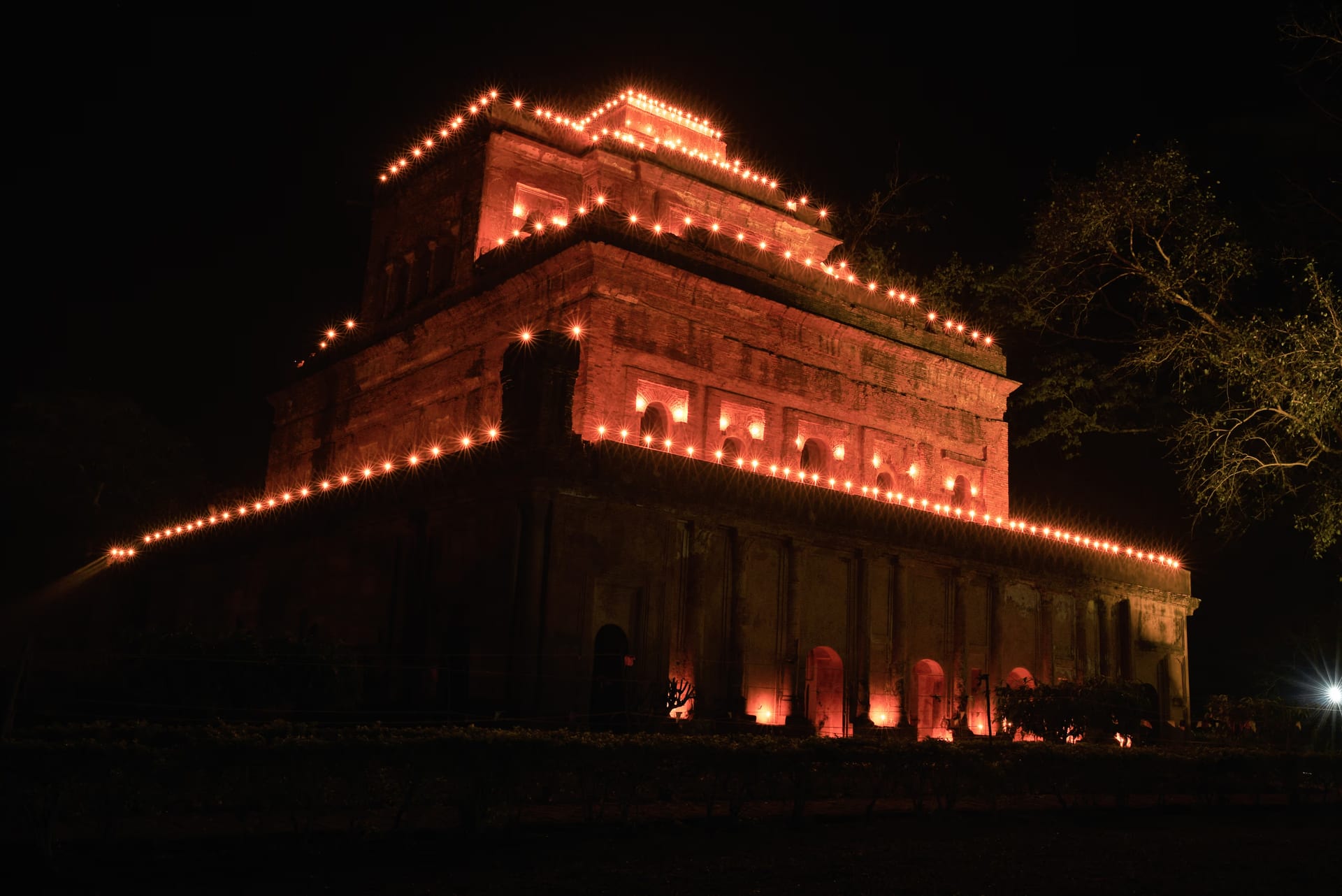
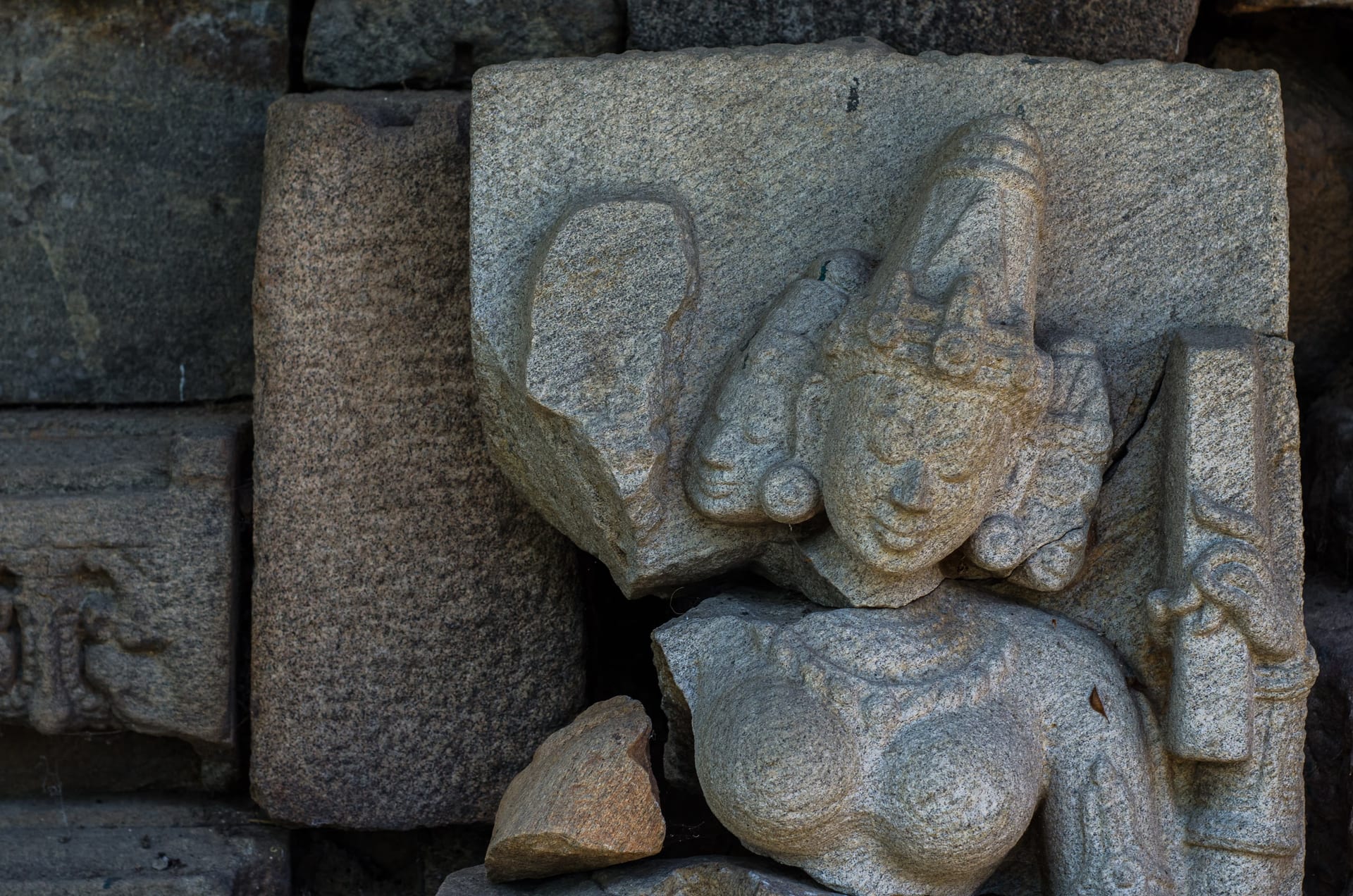
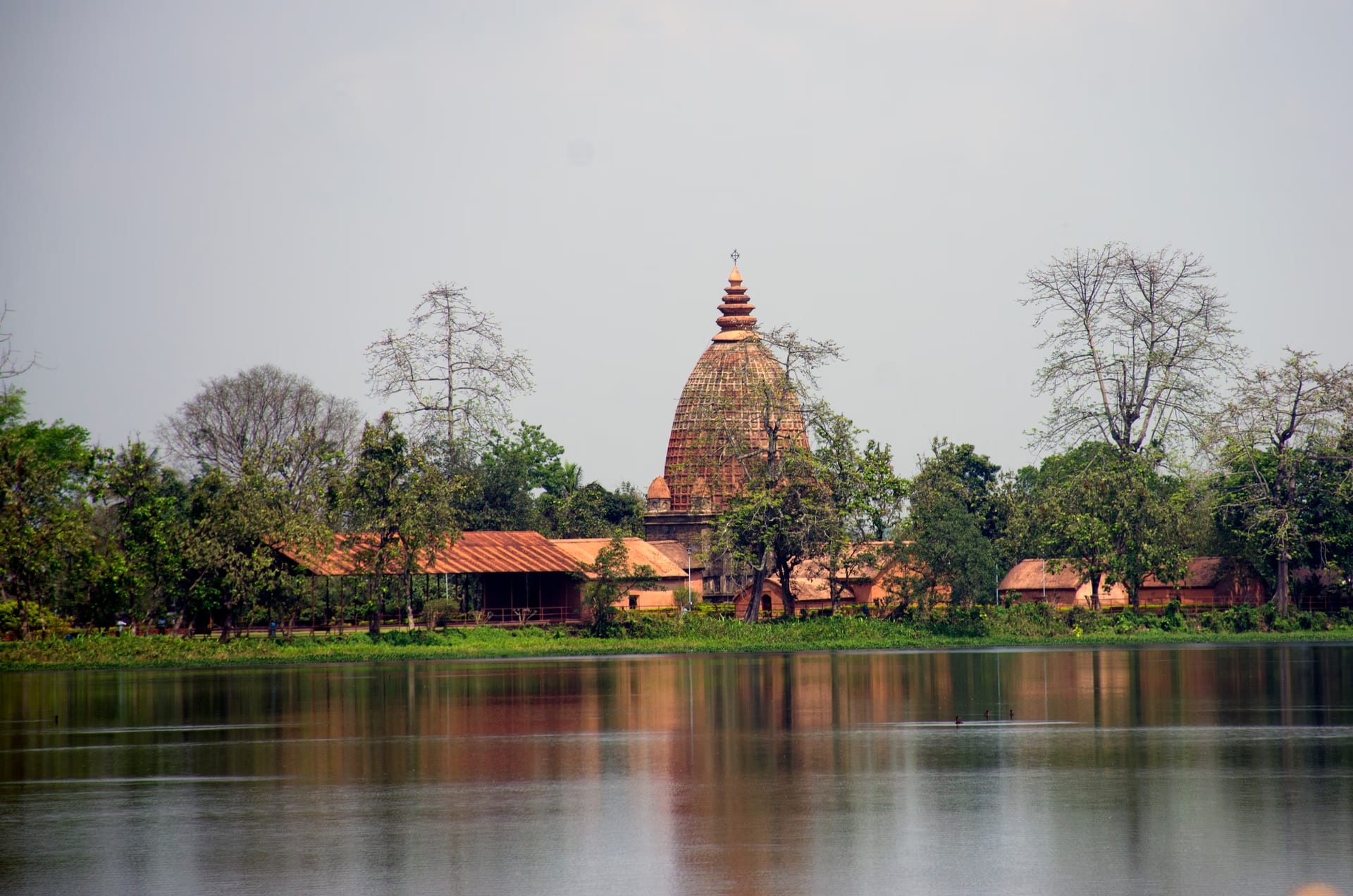
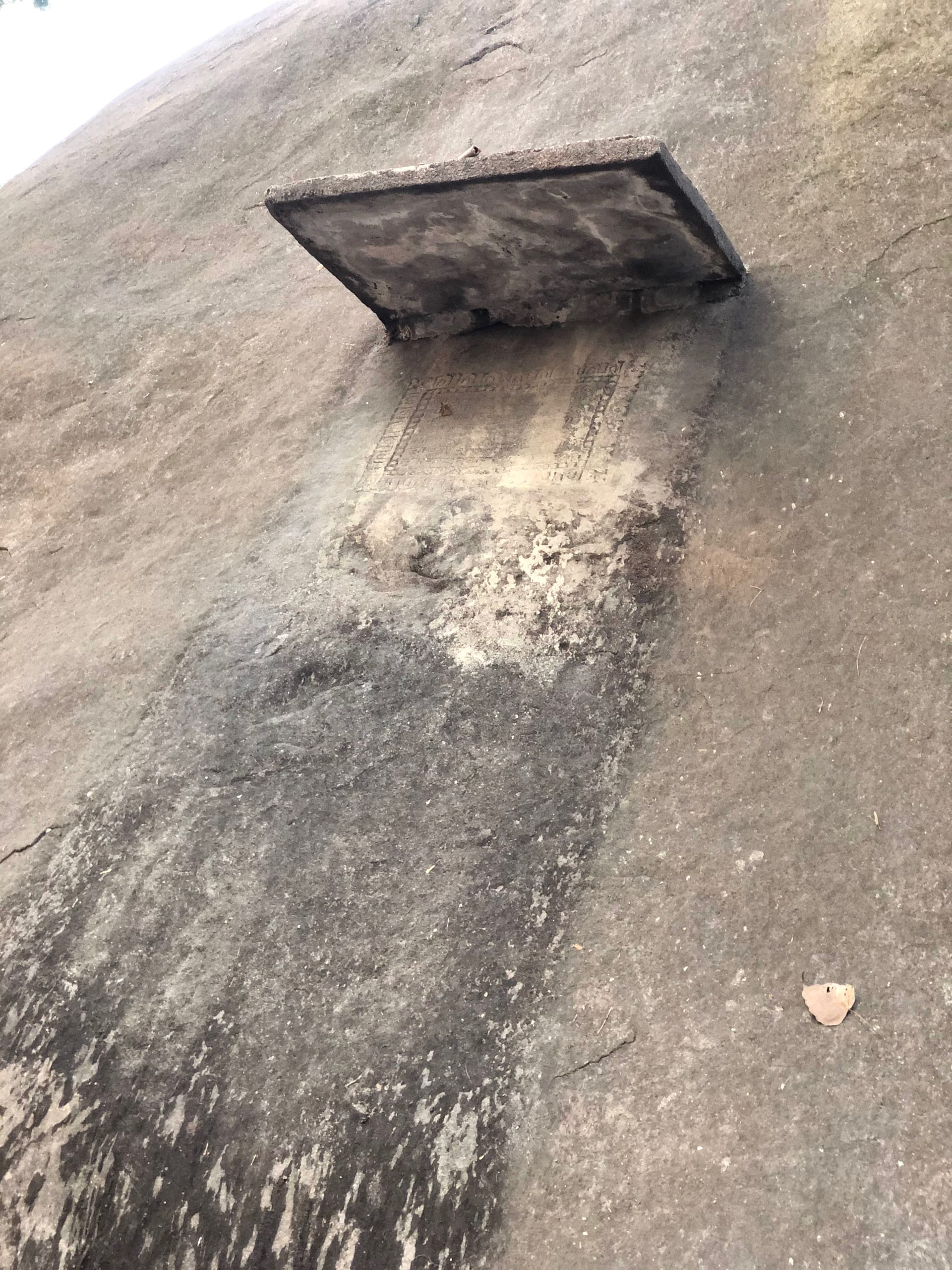
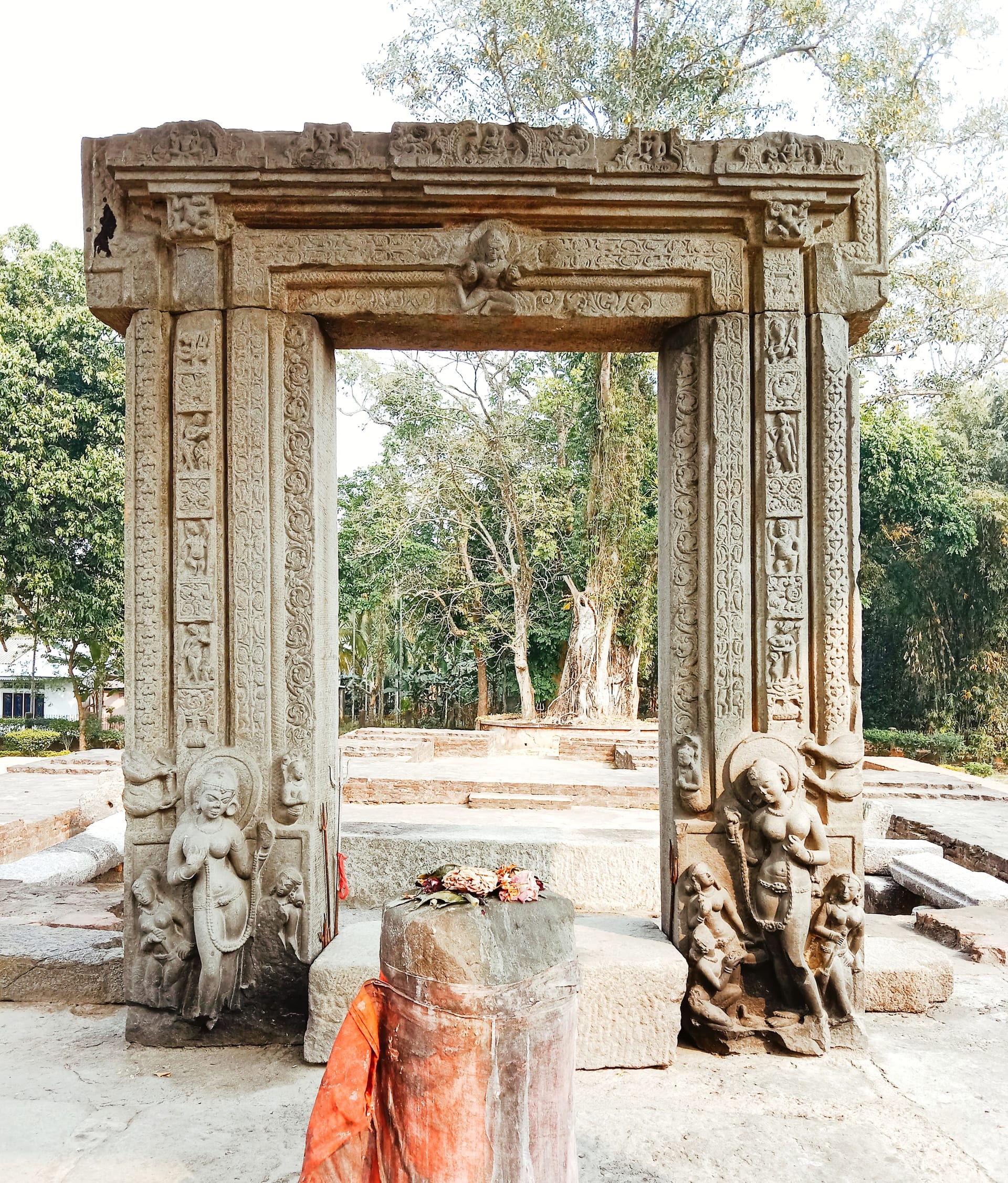
The decorated stone door frame at Da Parbatia, on the western edge of Tezpur, is among the earliest surviving Kamarupa-era stone temple work. Carved Ganga and Yamuna figures flank the entrance. ASI-protected.
Agnigarh
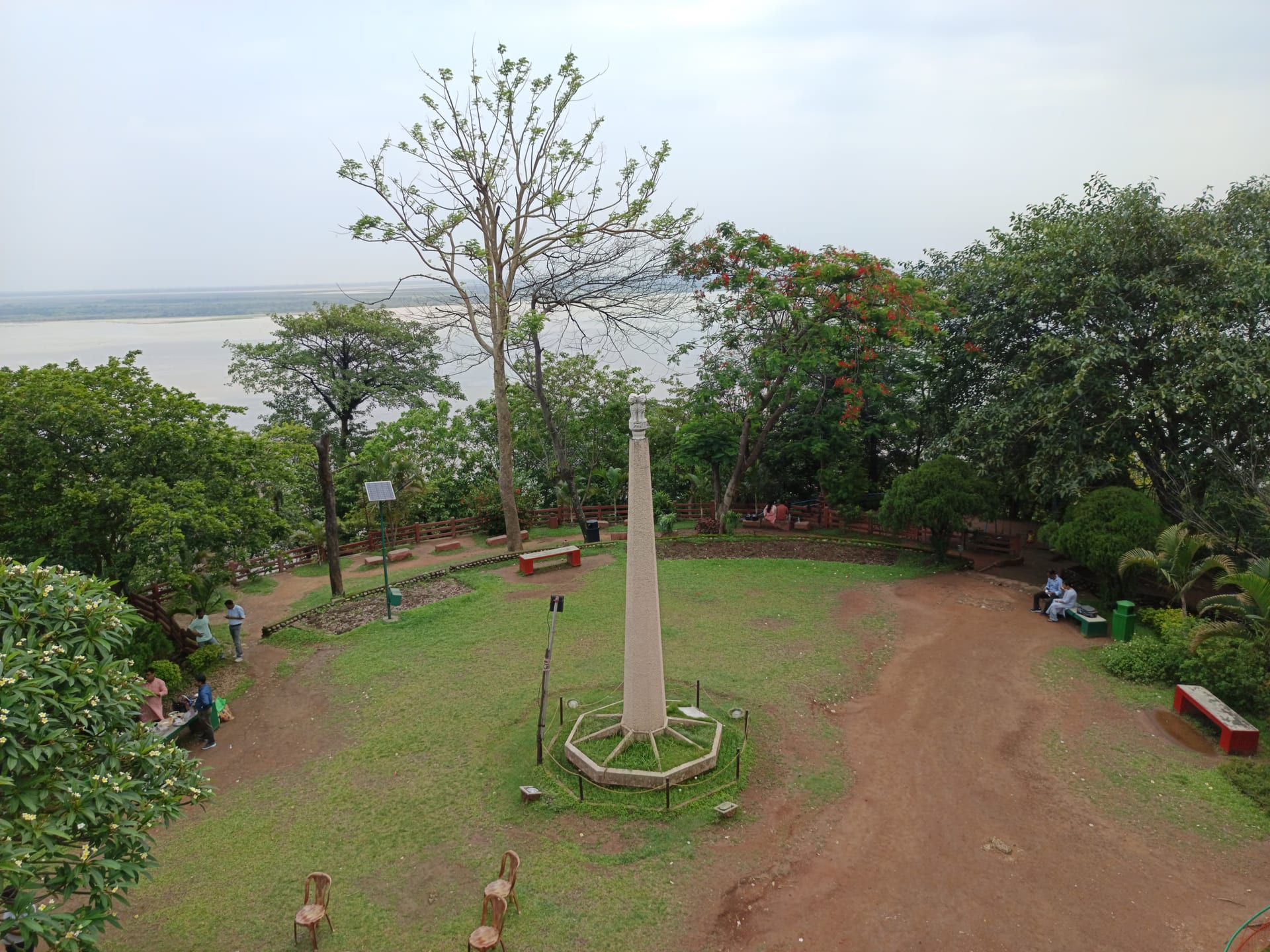
A small hill on the Brahmaputra in central Tezpur. Mythologically the fortress where Banasura confined his daughter Usha. Today laid out as a sculpture park.
Surya Pahar
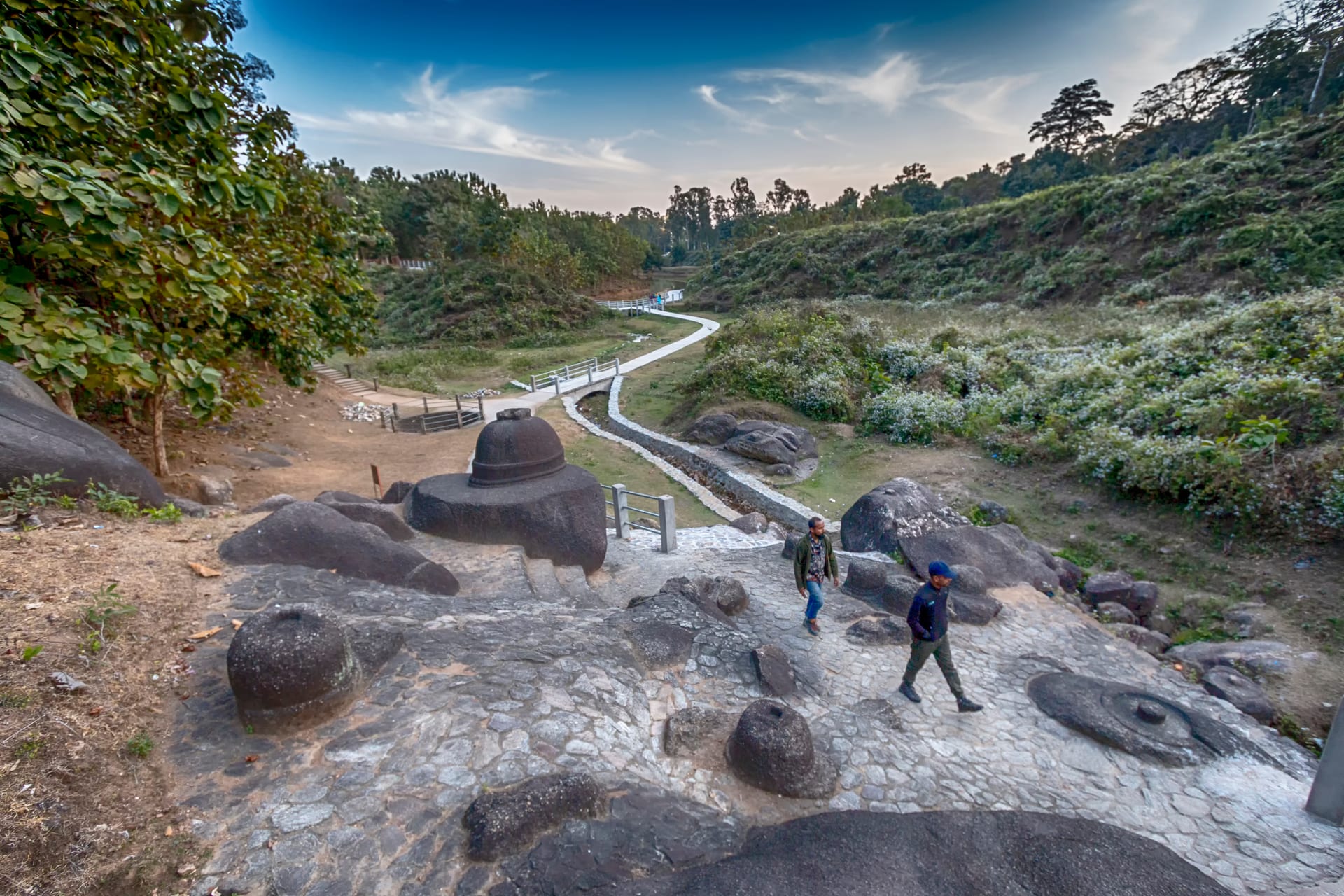
Hindu, Buddhist and Jain rock-cut sculptures and small stupas across a layered eighth-to-twelfth-century site west of Goalpara. ASI-protected.
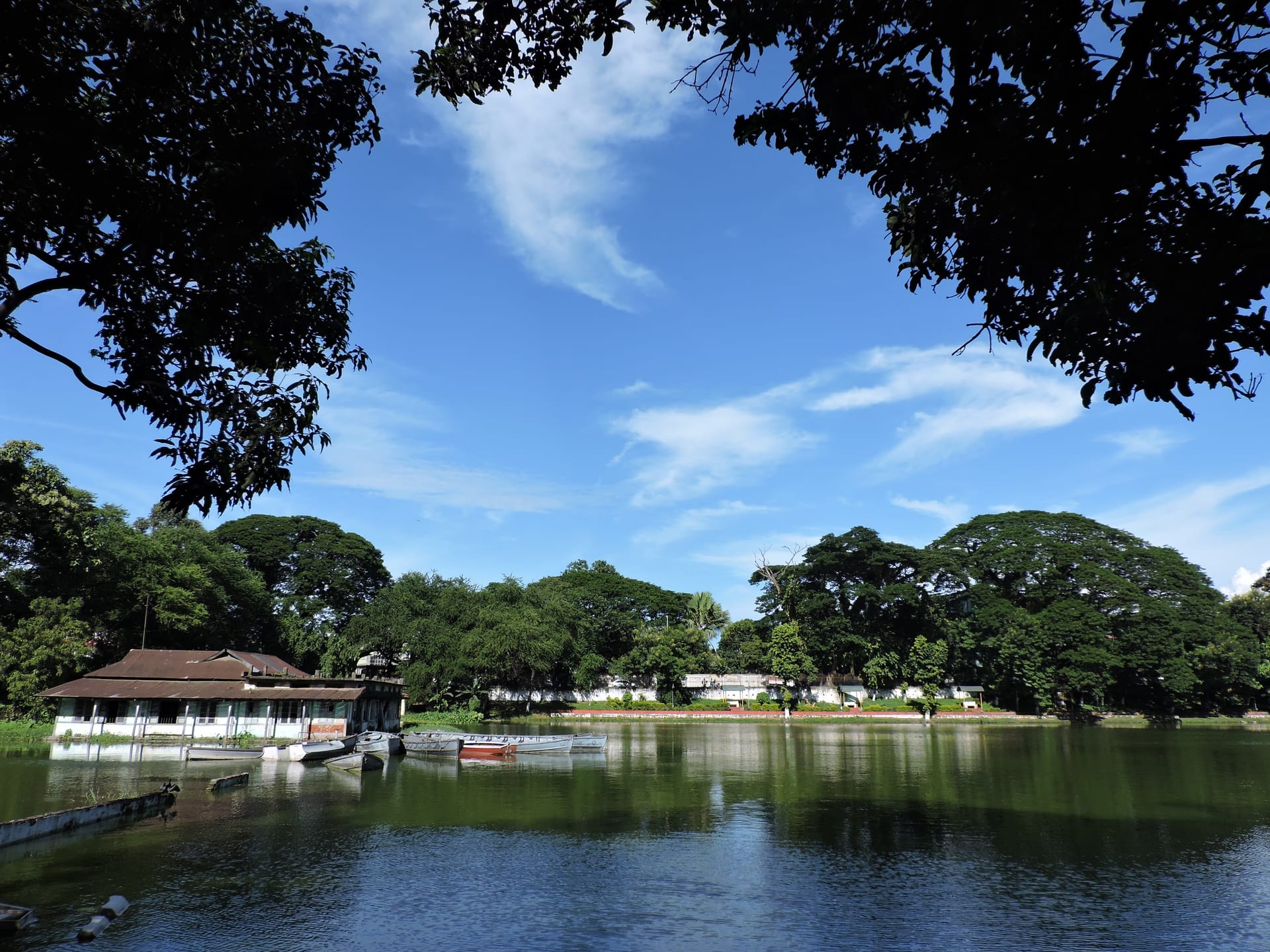
Dighalipukhuri
A long, man-made tank in the centre of Guwahati, woven into the legend of Pragjyotisha and later an Ahom naval dock, now the green heart of the old city.
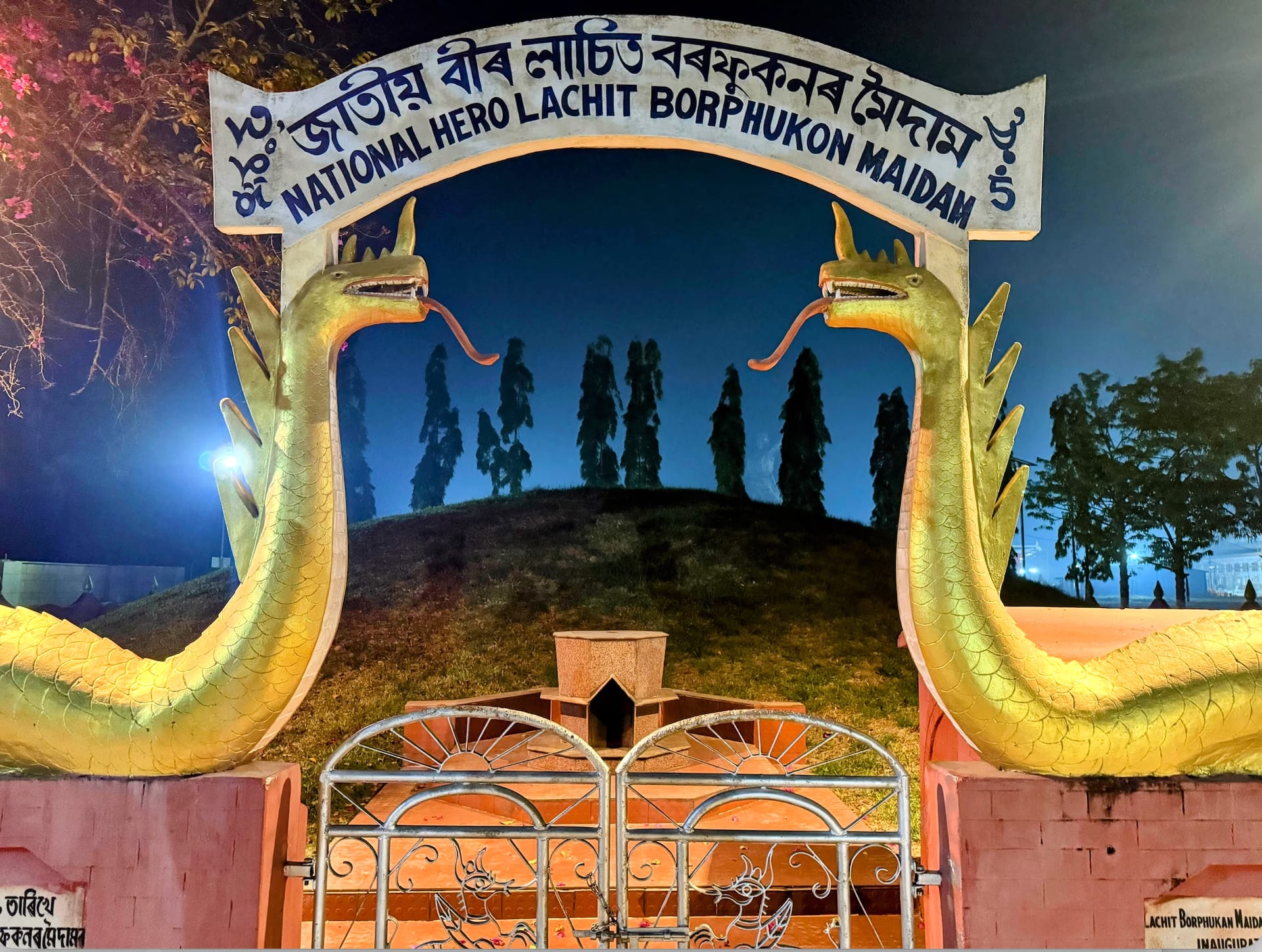
Lachit Maidam
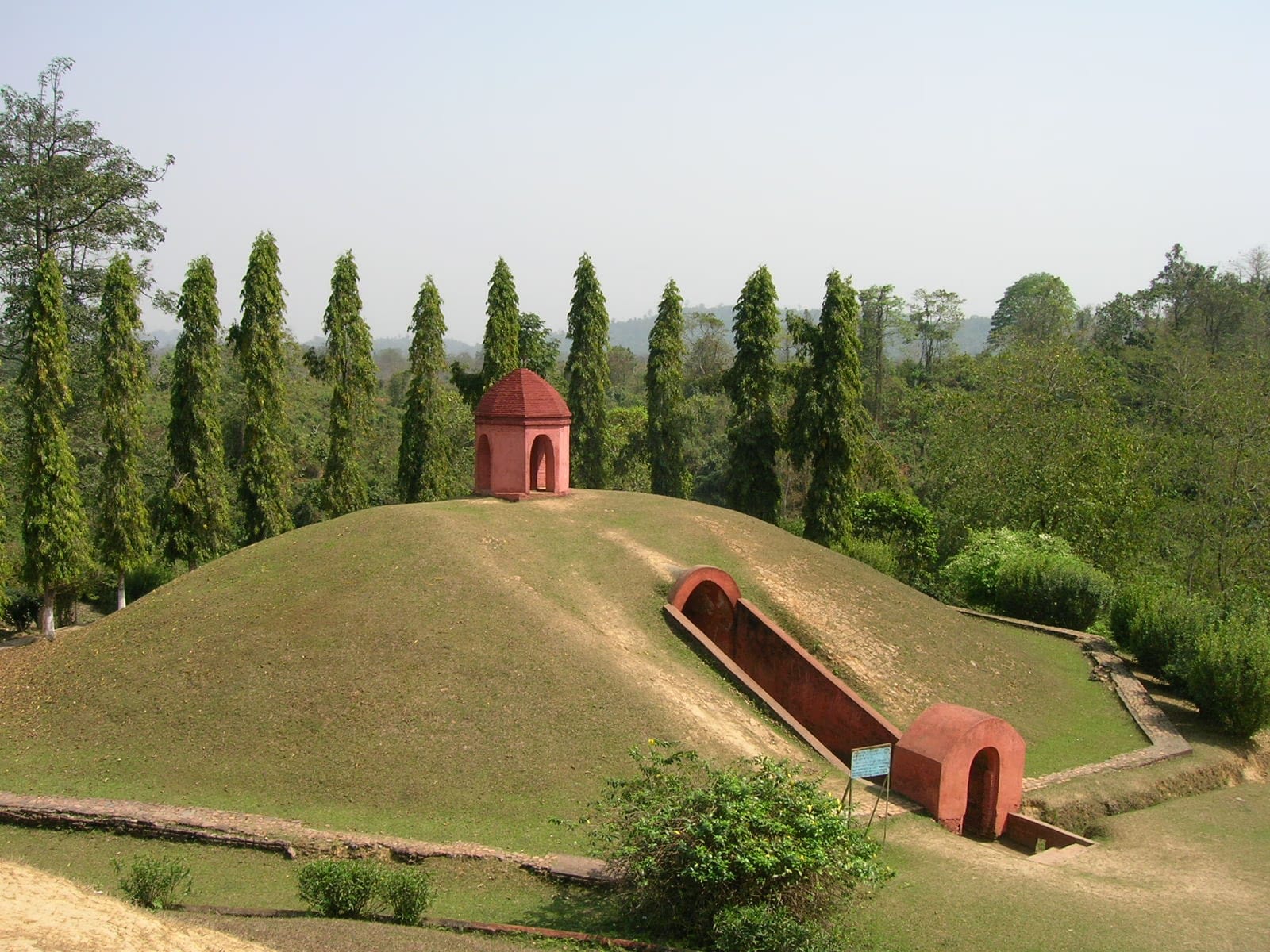
The maidam (Ahom burial mound) of Lachit Borphukan at Hoolungapar near Jorhat, raised by royal command for the commander who broke the Mughals on the river in 1671.
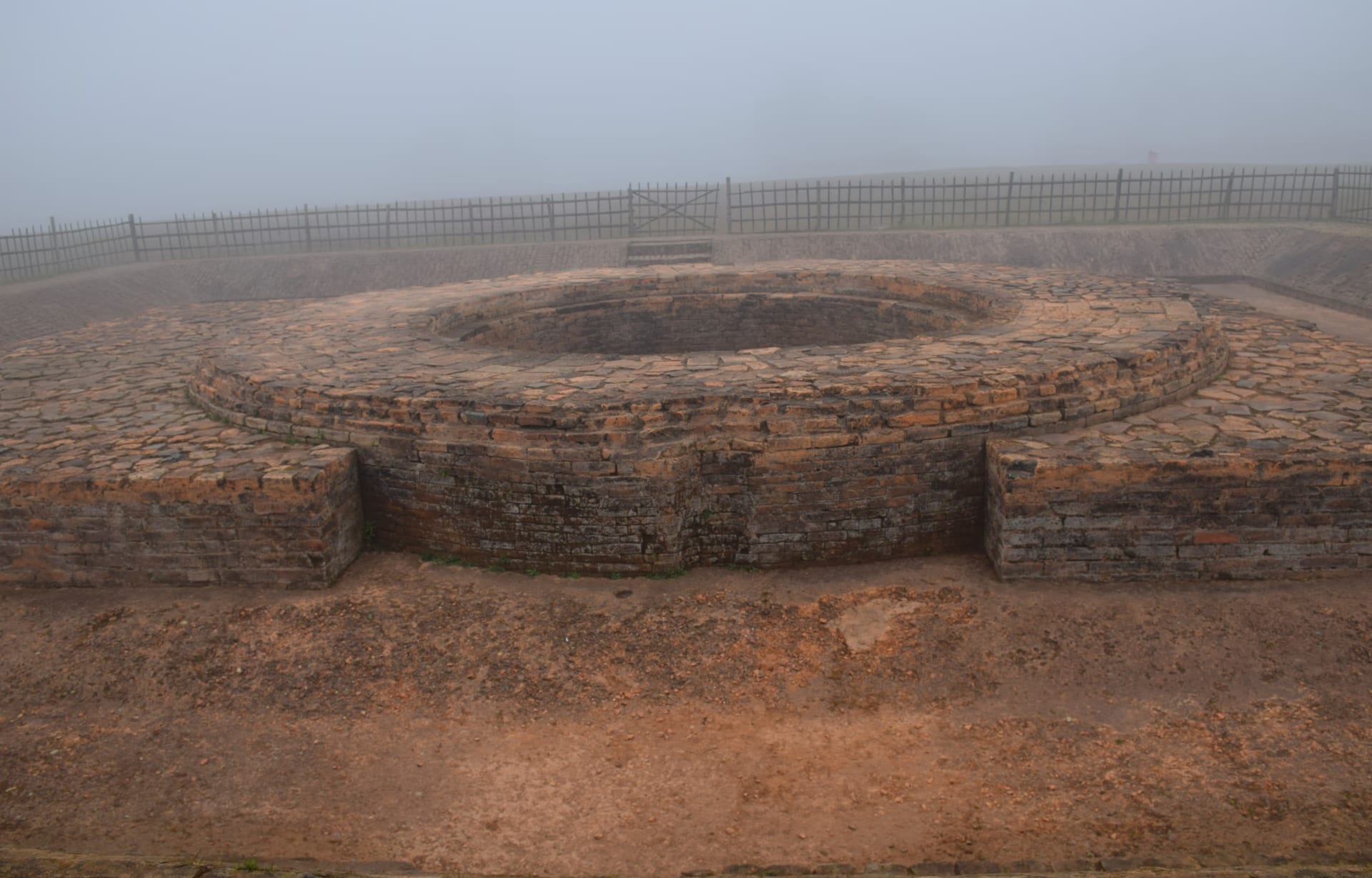
Kamatapur
Earthen ramparts and tank systems mark the once-vast capital of Kamata, predecessor to the Koch state.
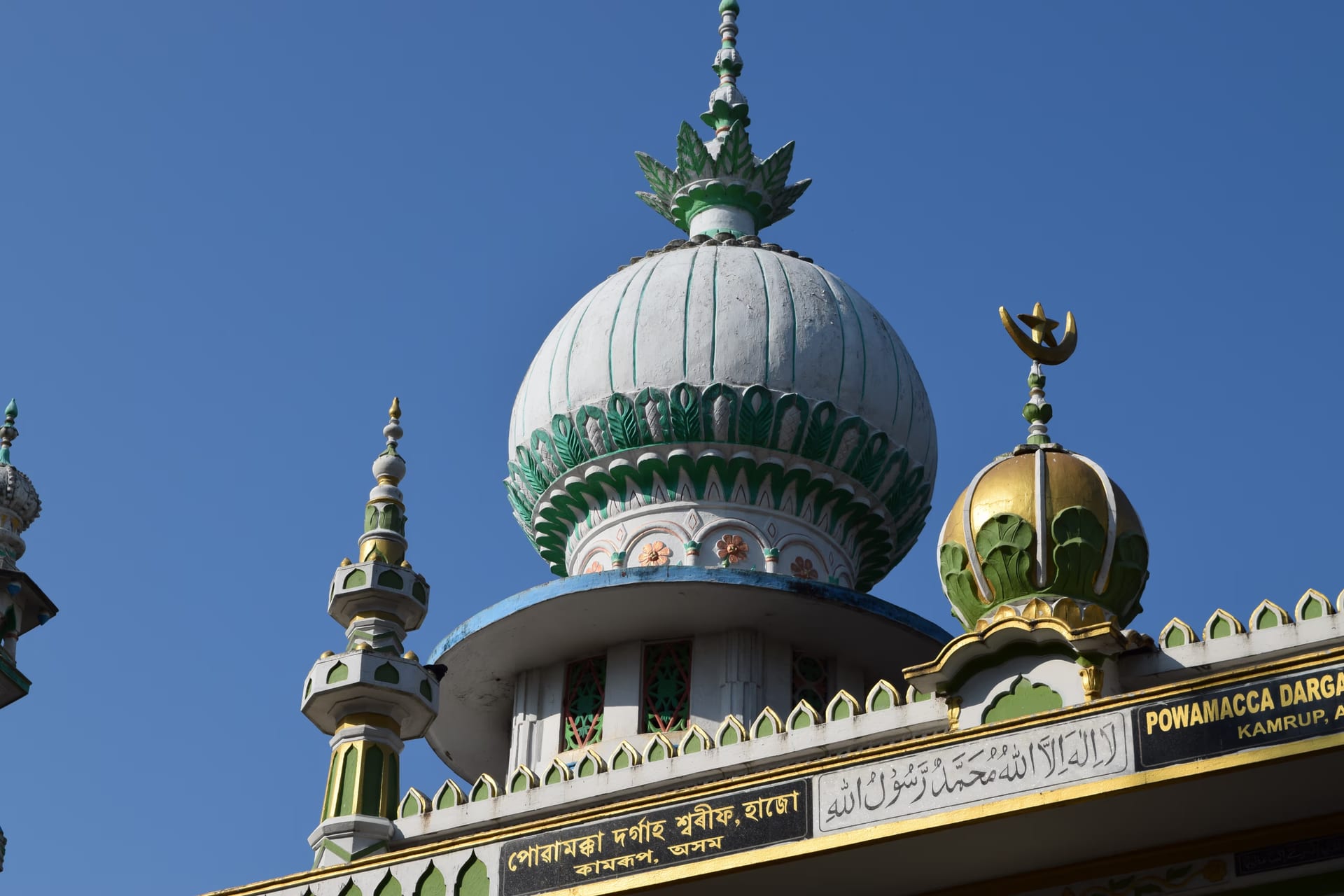
Powa Mecca
The Sufi shrine of Pir Giyasuddin Auliya on Garurachal hill, whose name holds that a pilgrimage here carries a fourth, poa, of the merit of the haj.
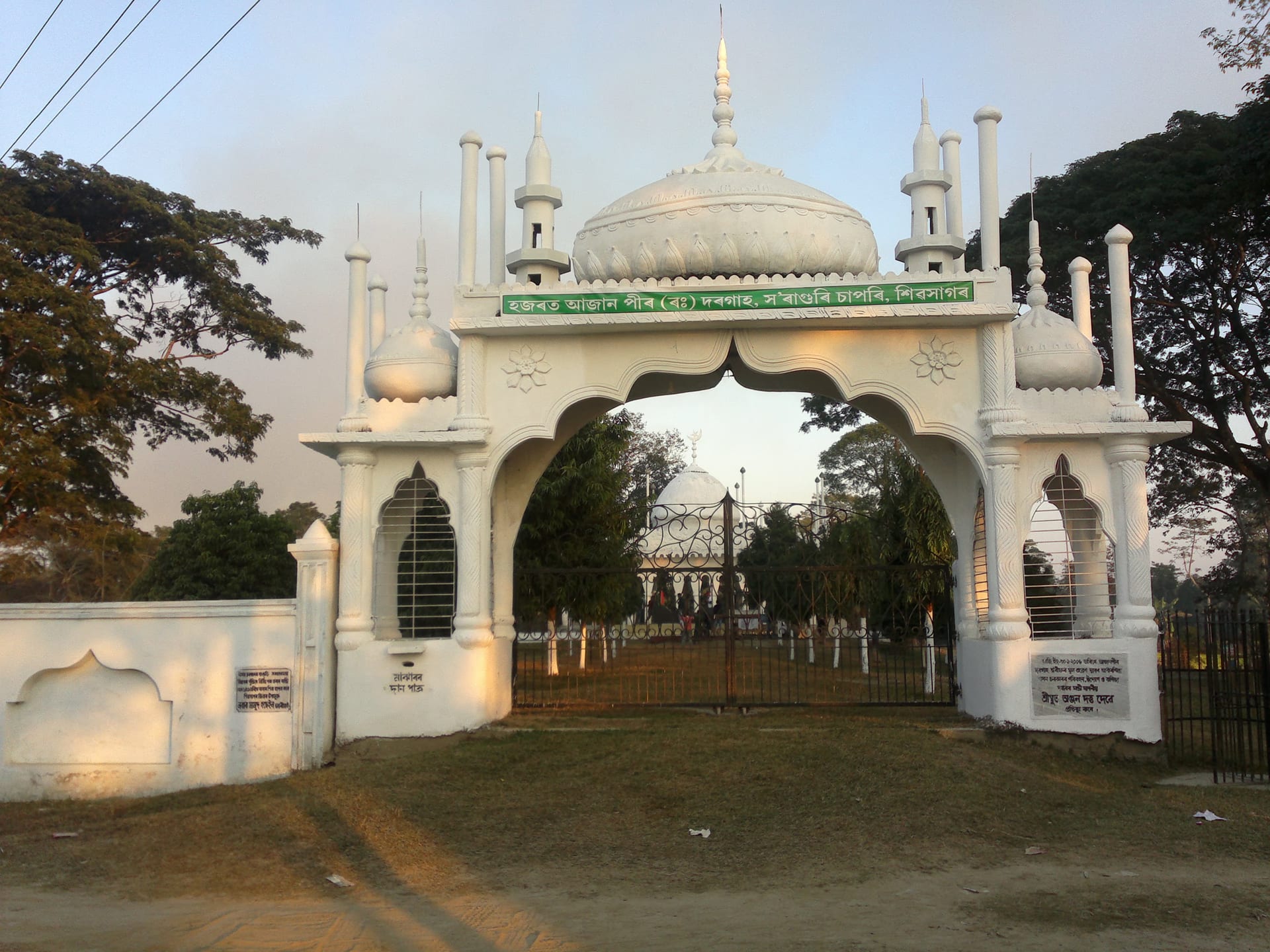
Ajan Pir Dargah
The riverside shrine near Sivasagar of Ajan Fakir, the seventeenth-century Sufi who composed the Zikir, devotional songs in Assamese, a place of cross-community pilgrimage.
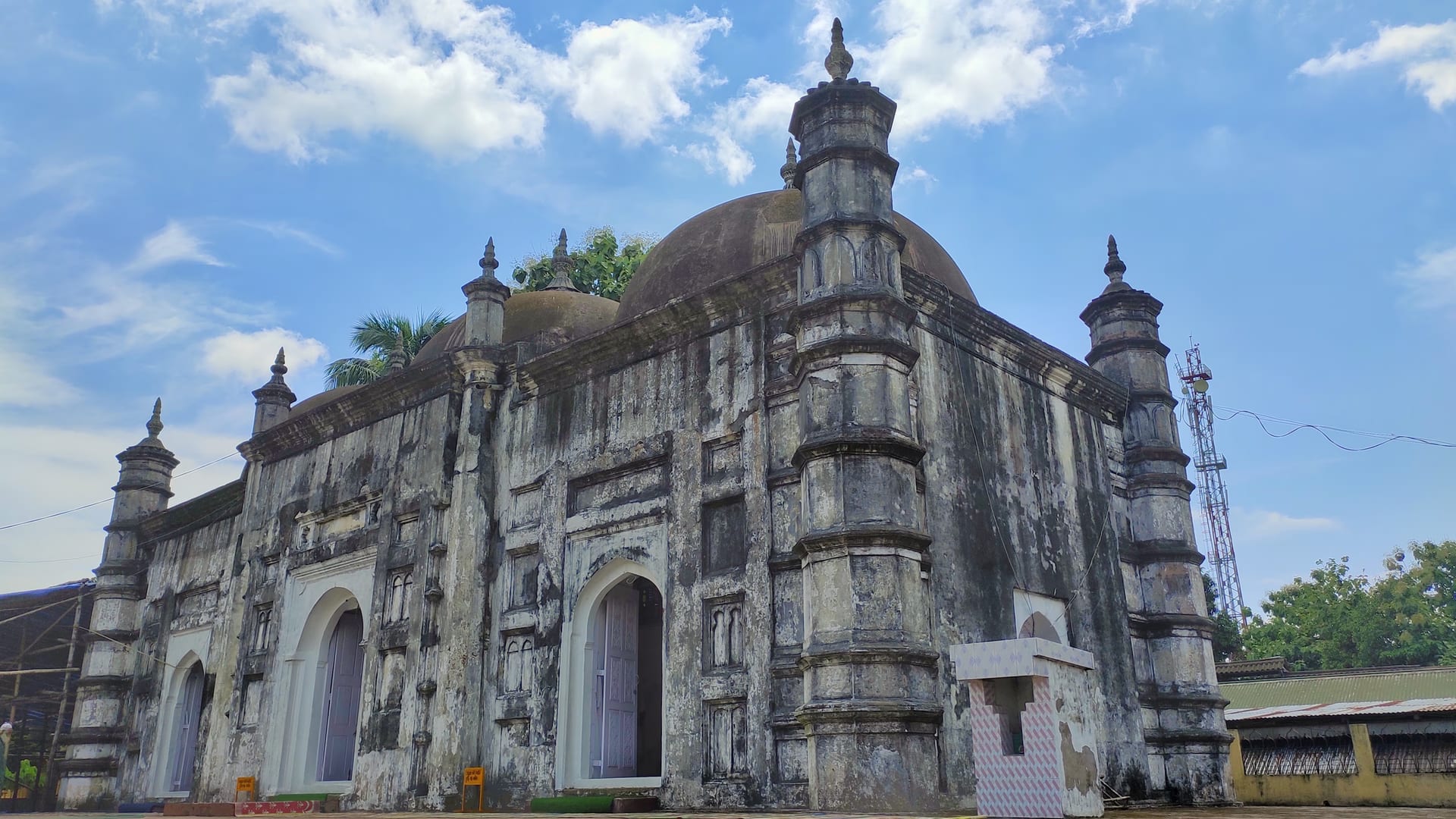
Panbari Mosque
A small brick mosque near Dhubri, held to be the oldest in Assam, built in the time of the Bengal sultan Hussain Shah and rediscovered in the 1920s amid the trees.
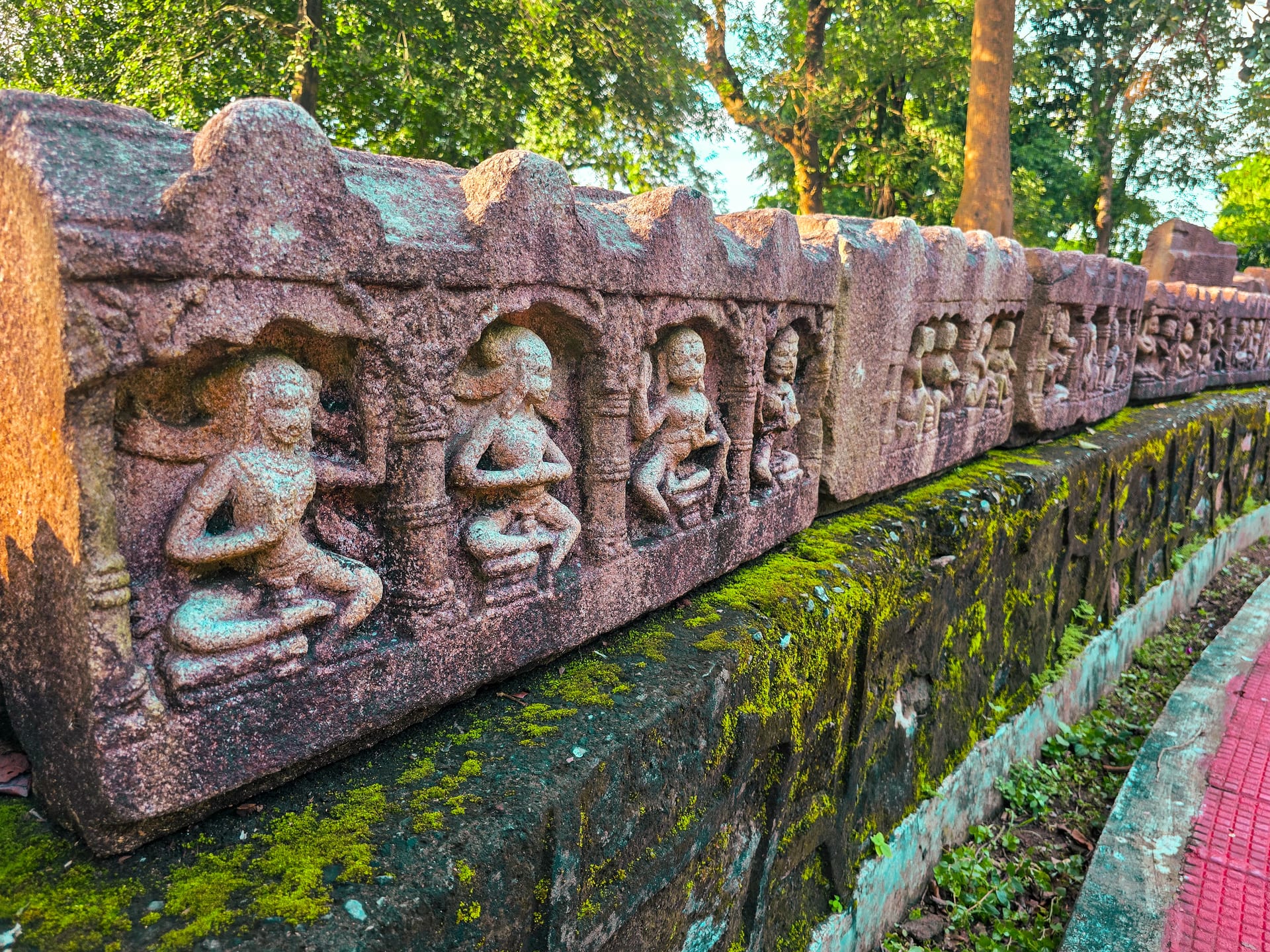
Deopahar
The scattered remains of a stone Shiva temple of the 8th-9th century on a forested hill at Numaligarh, near Kaziranga, ringed by an elephant corridor and reserve forest.
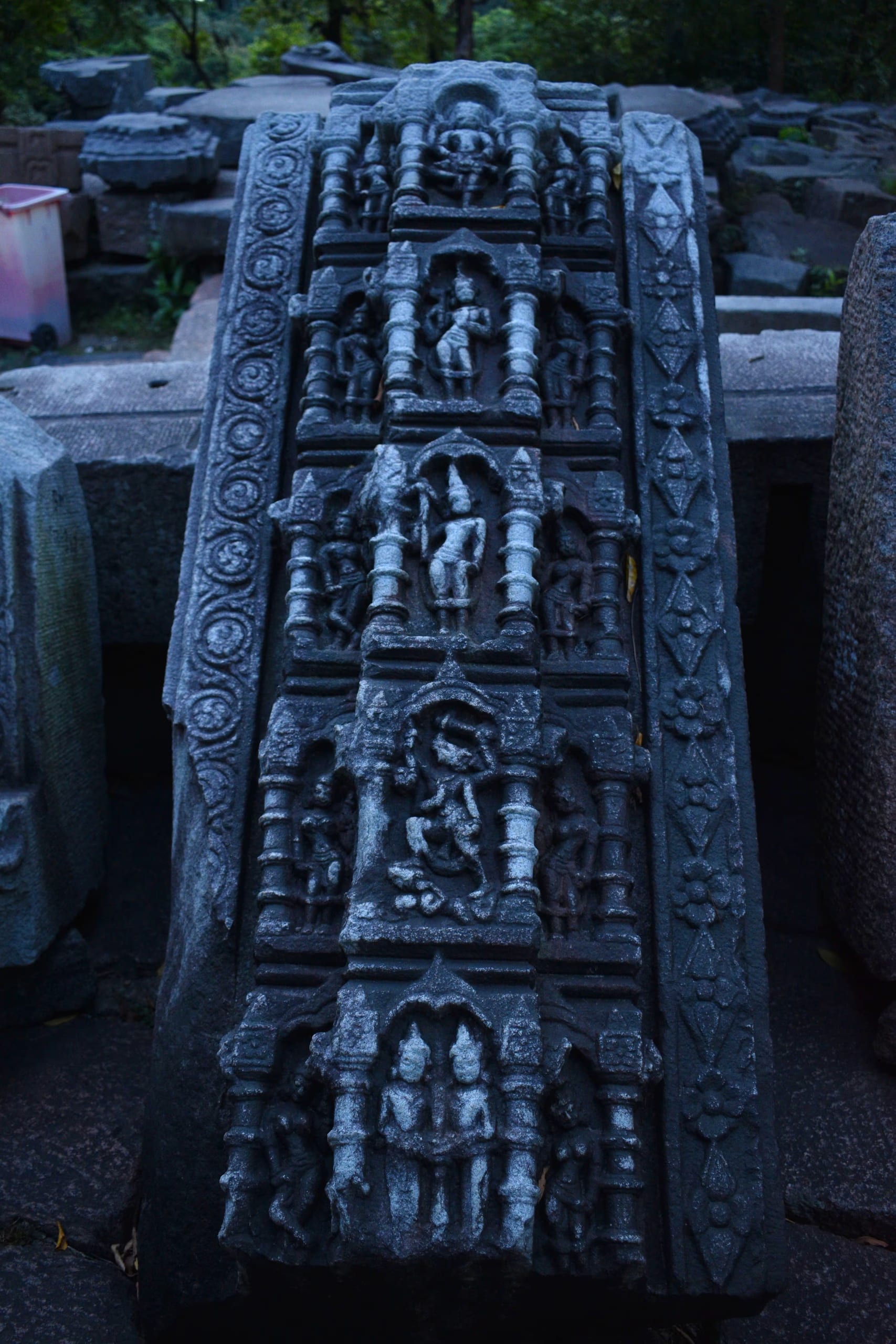
Bamuni Hills
A ruined ninth-to-tenth-century temple group at Tezpur whose carved panels and door-frames are among the most accomplished sculpture surviving from the Kamarupa centuries.
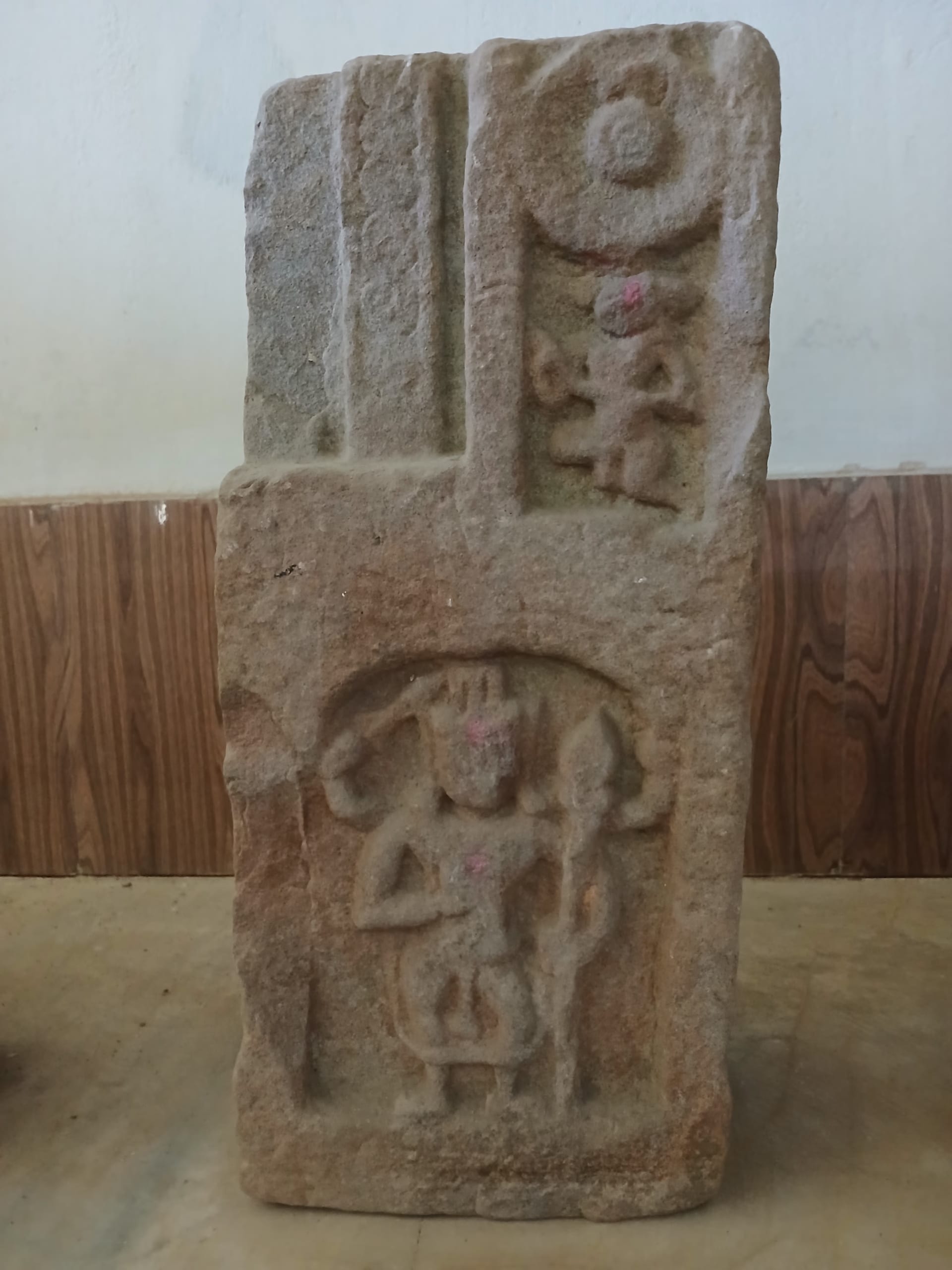
Chand Sadagar's Merghar
Medieval temple ruins at Chaygaon, opposite the Chandrika Devi temple, linked in folklore to the merchant Chand Sadagar and the Manasa legend of Behula and Lakhindar.
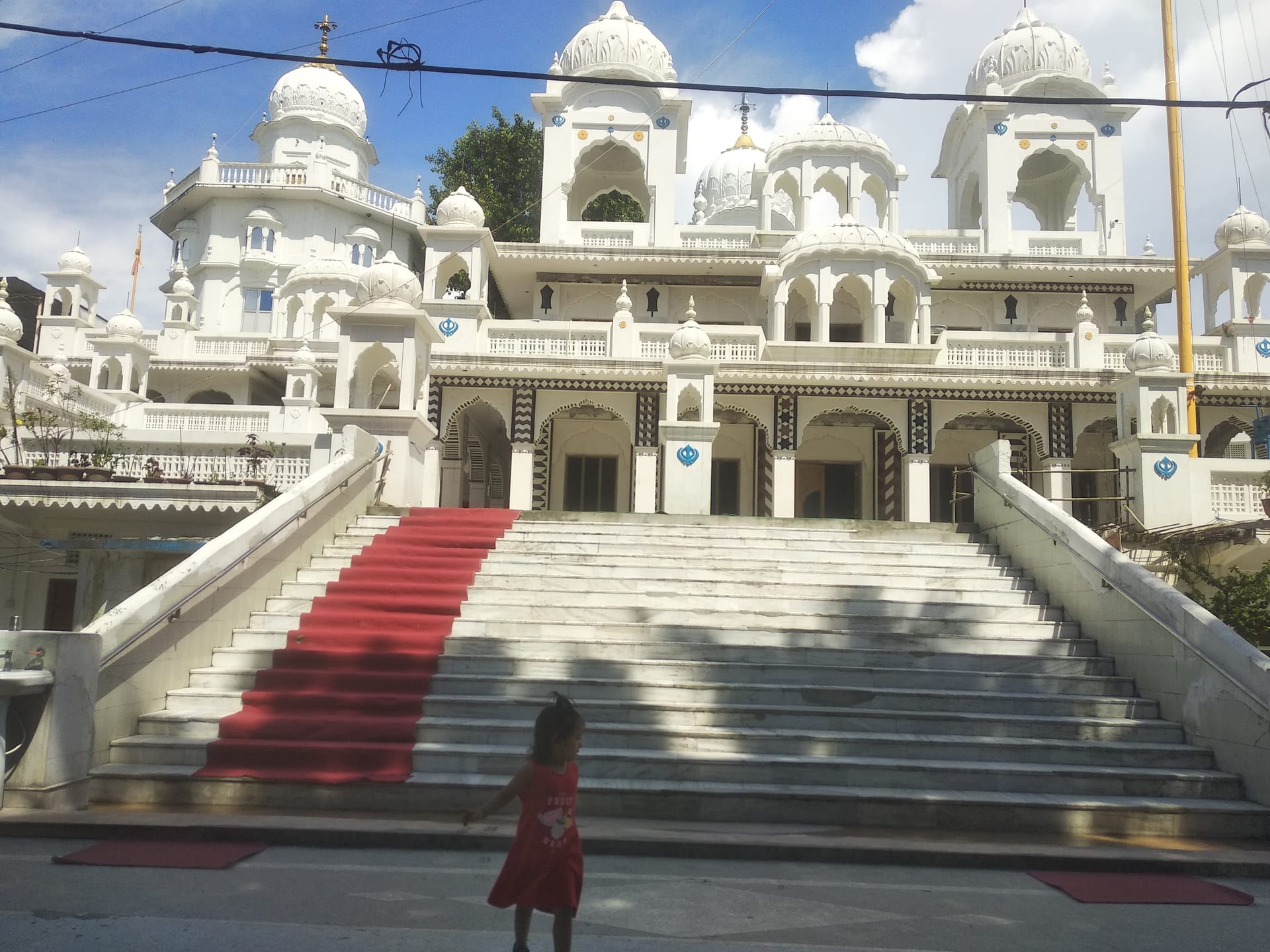
Gurudwara Damdama Sahib
A historic gurudwara at Dhubri marking the visits of Guru Nanak, who is said to have met Sankardev here, and Guru Tegh Bahadur, who came with the Mughal army in 1670.
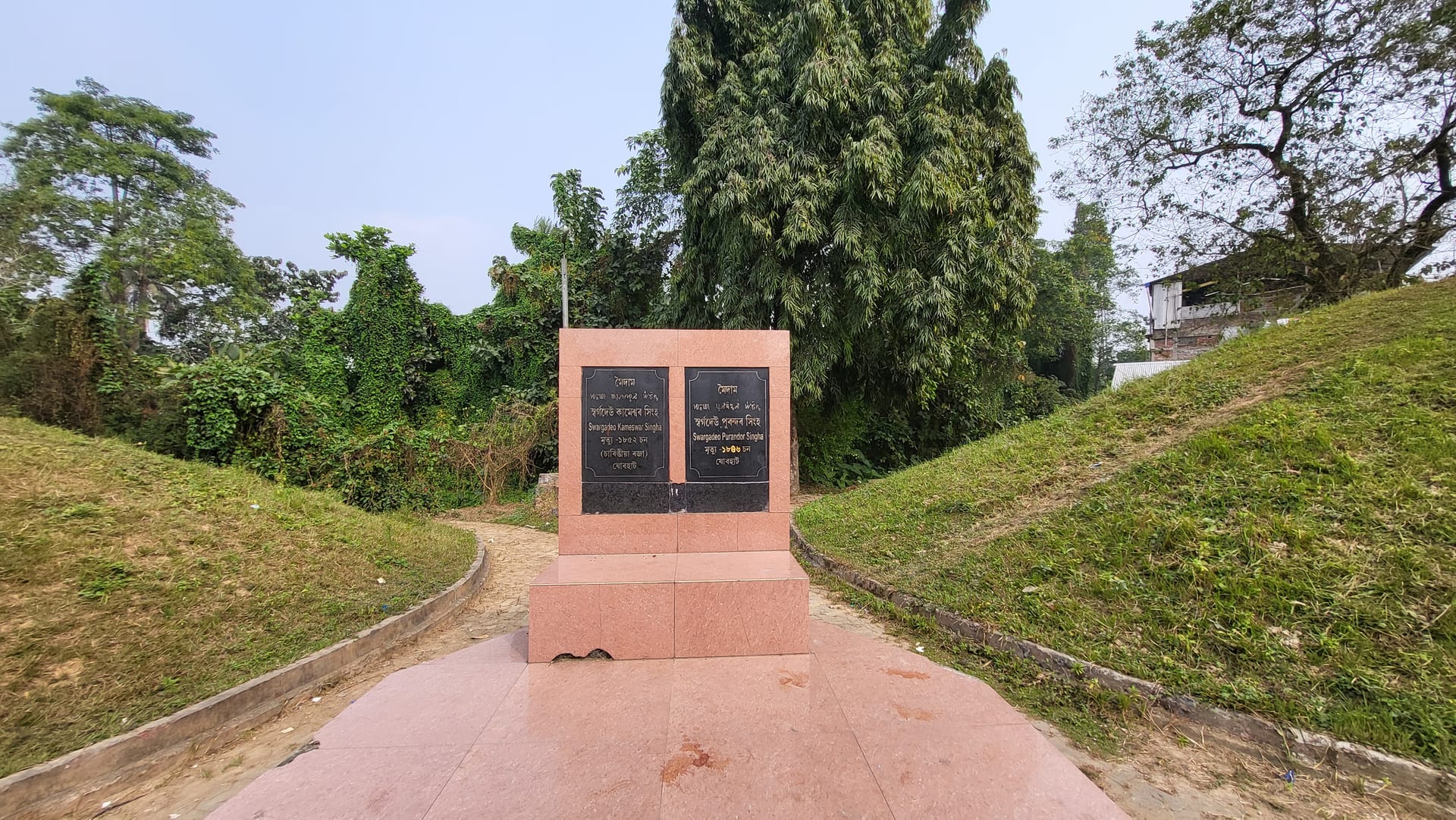
Raja Maidam
The maidam complex in Jorhat holding the tomb of Purandar Singha, the last king of the Ahom line, and his son.
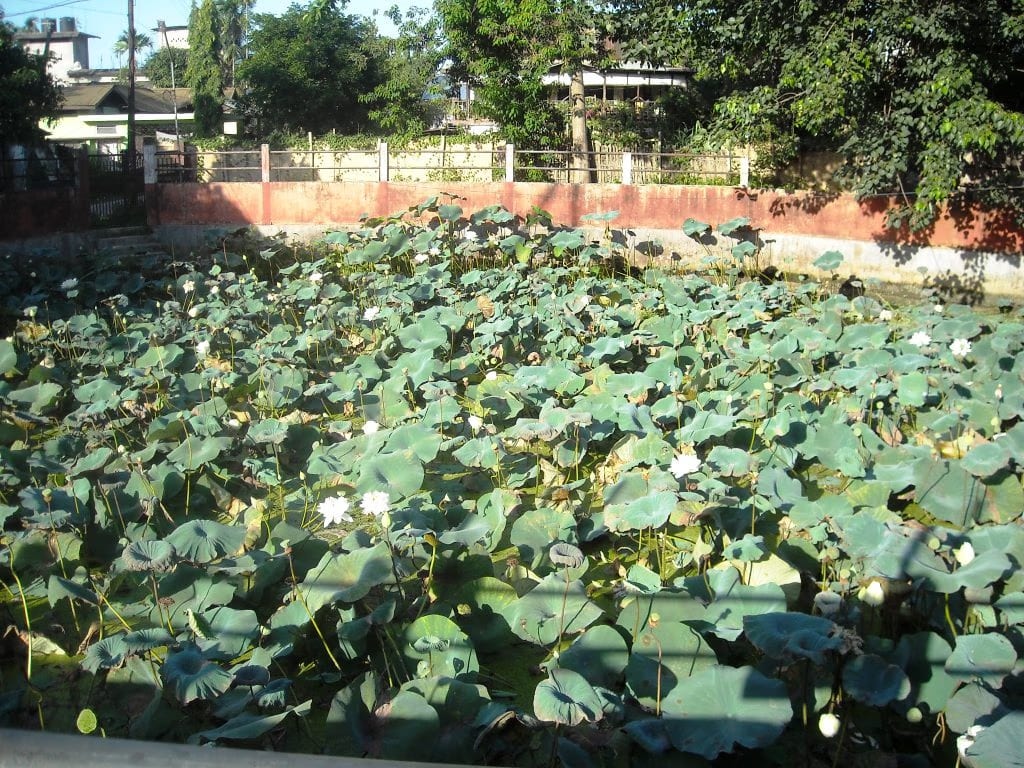
Bangalpukhuri
An Ahom-era tank in Jorhat wrapped in a folk memory of blood money and a curse, whose water, by tradition, was never used.
Hazara Pukhuri
A vast artificial tank at Tezpur excavated in the early ninth century under the Kamarupa king Harjaravarman, hard proof of the town's ancient royal past.
Boiragimoth
An Ahom-period hermitage, now a Dibrugarh neighbourhood, that carries a rare pre-colonial layer beneath the tea town.
Towns, Crafts & Industry
The craft villages, industrial towns and settlements that carry the valley's history in their streets.
Tezpur
The old Sonitpur of the Usha-Aniruddha legend on the north bank: the carved doorframe of Da Parbatia, the hill of Agnigarh, the temple of Mahabhairab, and the finest early sculpture in Assam.
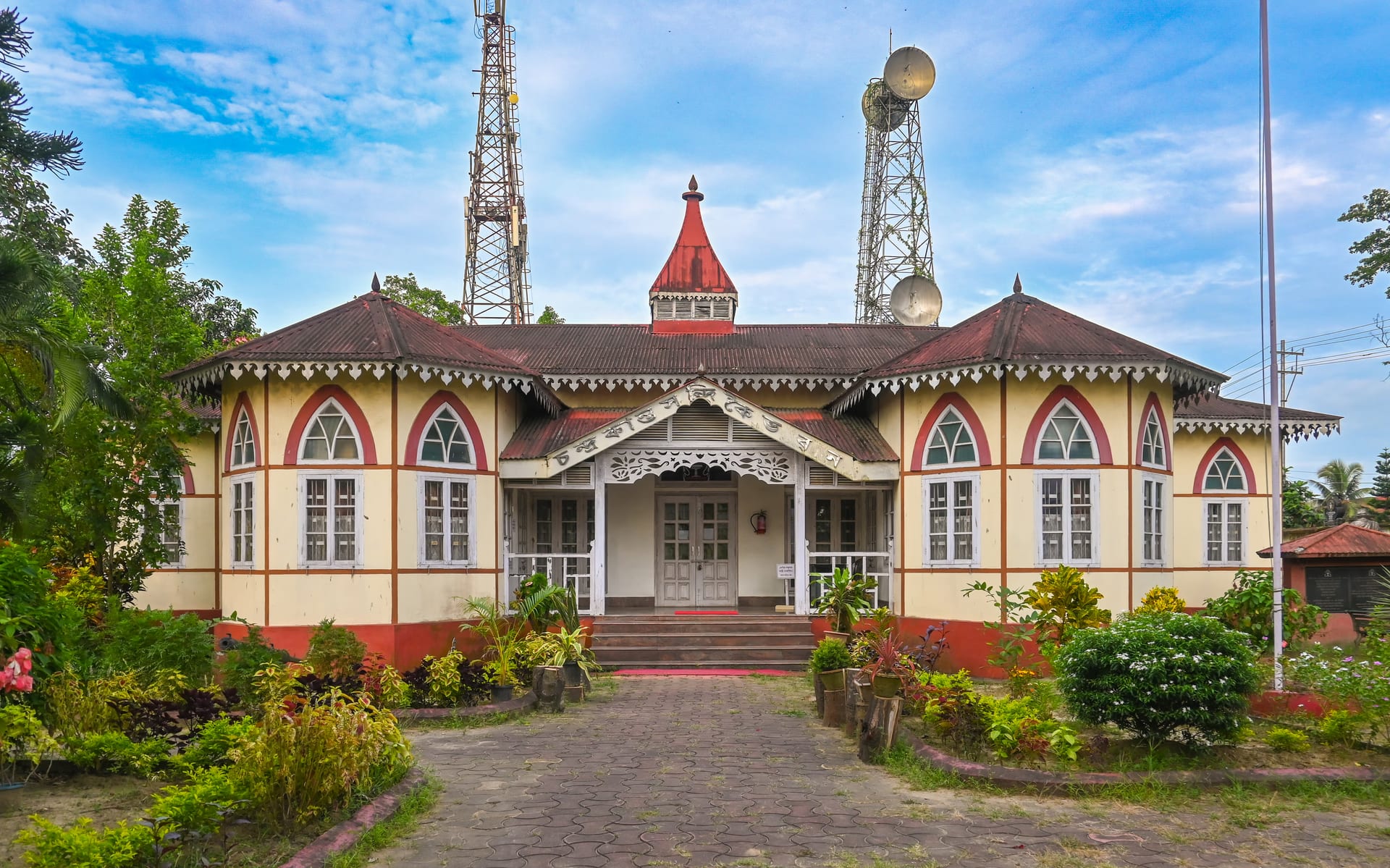
Jorhat
The final capital of the Ahom kingdom, founded in the 1790s, today the cultural and tea capital of upper Assam and the gateway by which travellers cross to Majuli and on to the Sivasagar monuments.