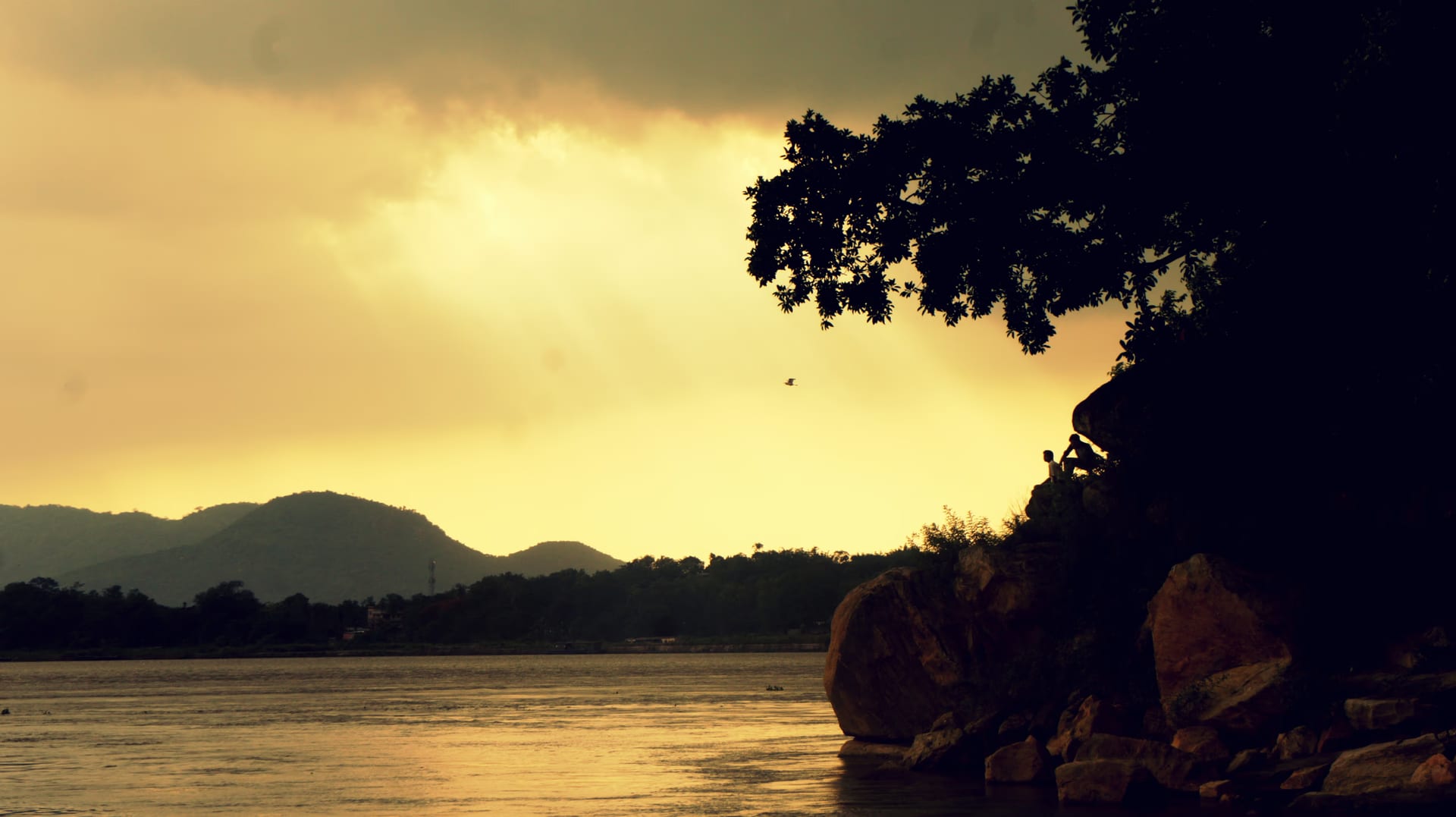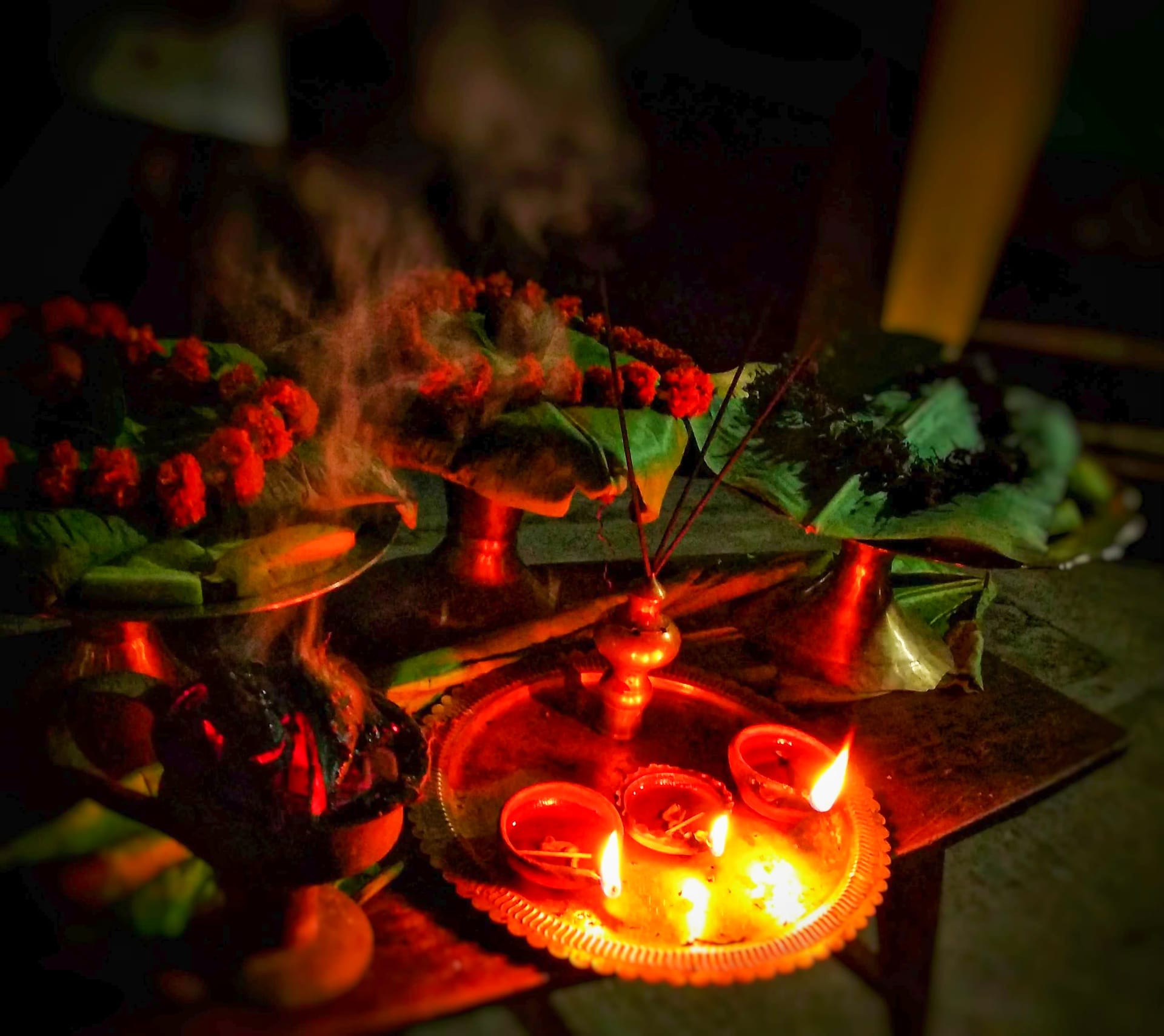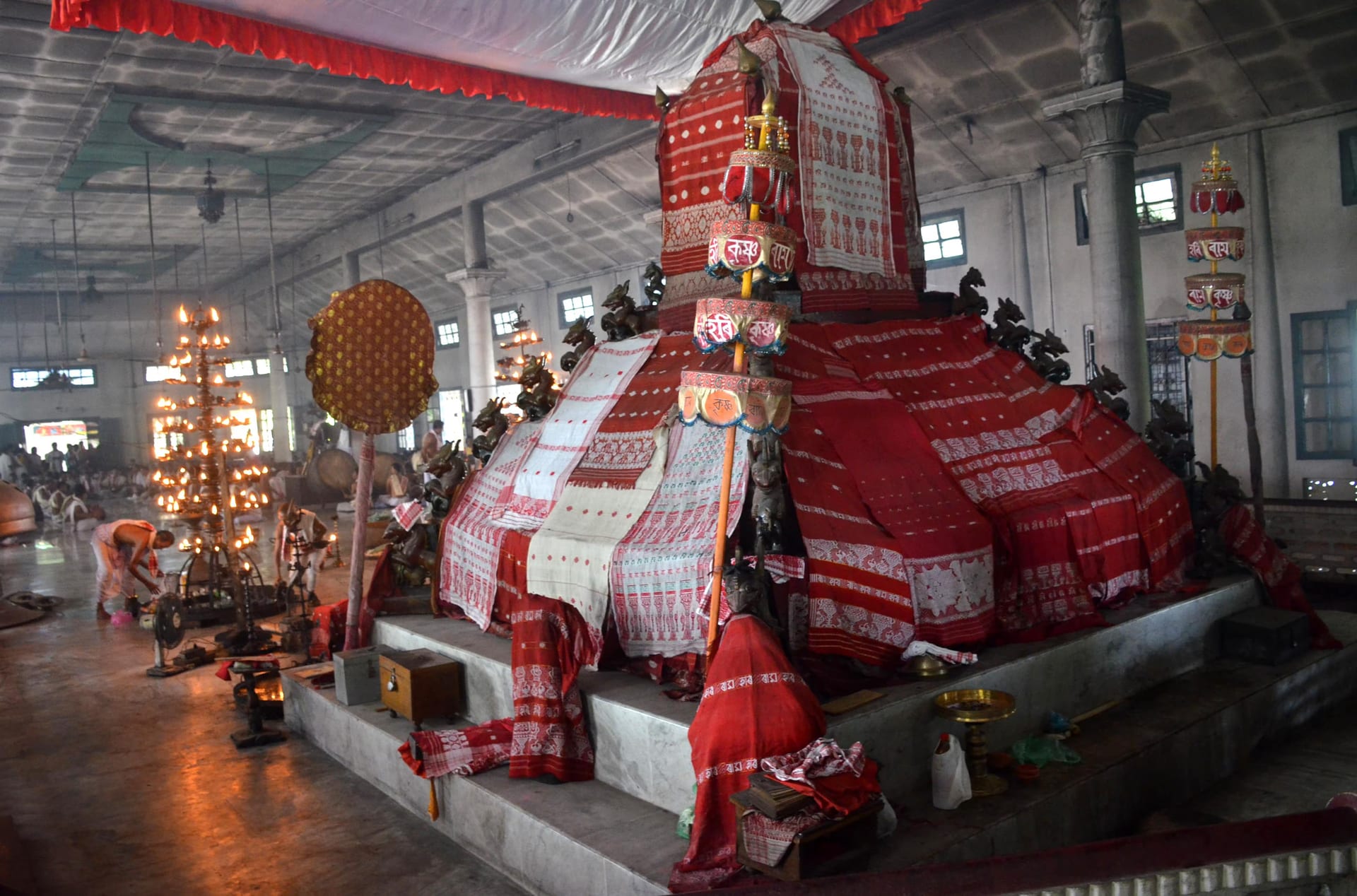
Hajo is one of the rare places sacred to three religions at once. It is a small temple town set on a cluster of low hills near the north bank of the Brahmaputra, a short drive northwest of Guwahati. On one hill stands a great temple of Vishnu that Buddhist pilgrims from the Himalaya revere as their own. On another stands a temple of Siva. On a third rises one of the holiest Muslim shrines of the valley. That gathering alone would make Hajo singular. Hindus also know the town as Panchatirtha, a pilgrimage of five tirthas of which those two great temples are only the best known. But the town is more than its shrines. It was holy ground of ancient Kamarupa. It gave its name to a Koch kingdom, and under the Mughals it served as the capital of a province. It stood at the foot of the pilgrim road to Bhutan and Tibet. To walk its three hills is to read the layered history of the western valley in a single afternoon.
The sacred hills of old Kamarupa
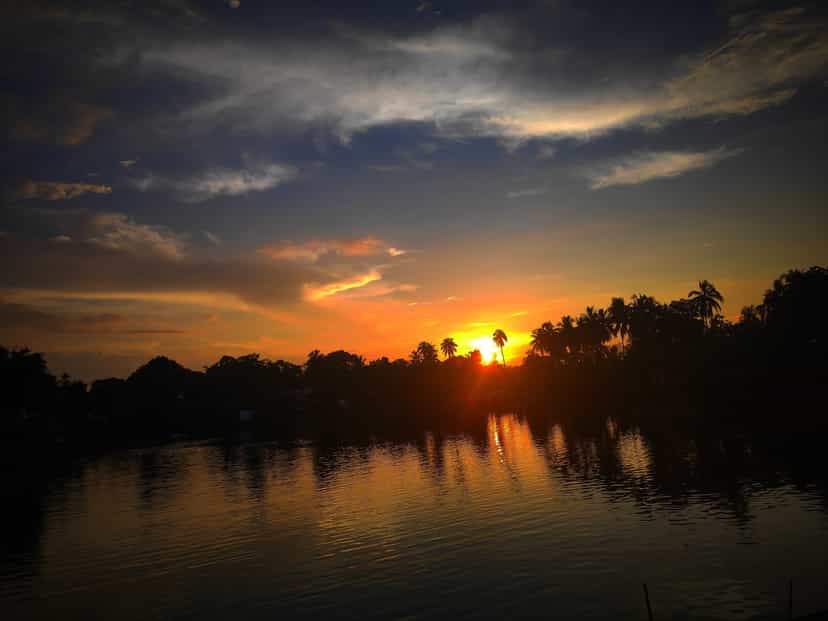
One reading traces the name Hajo to a Bodo word for high land, and the hills are exactly that: three low heights, the Manikut, the Madanachala and the Garurachal, rising out of the level flood plain within a short walk of one another. In the centuries of Kamarupa these heights belonged to the ring of sanctity that gathered around the early kingdom’s religious capital, like the great hill of Kamakhya across the river. The Vishnu worship of the Manikut is layered over devotion far older than the present temples. Between and below the hills lie sacred tanks, whose still water carries the reflection of the shrines and gathers pilgrims for ritual bathing.
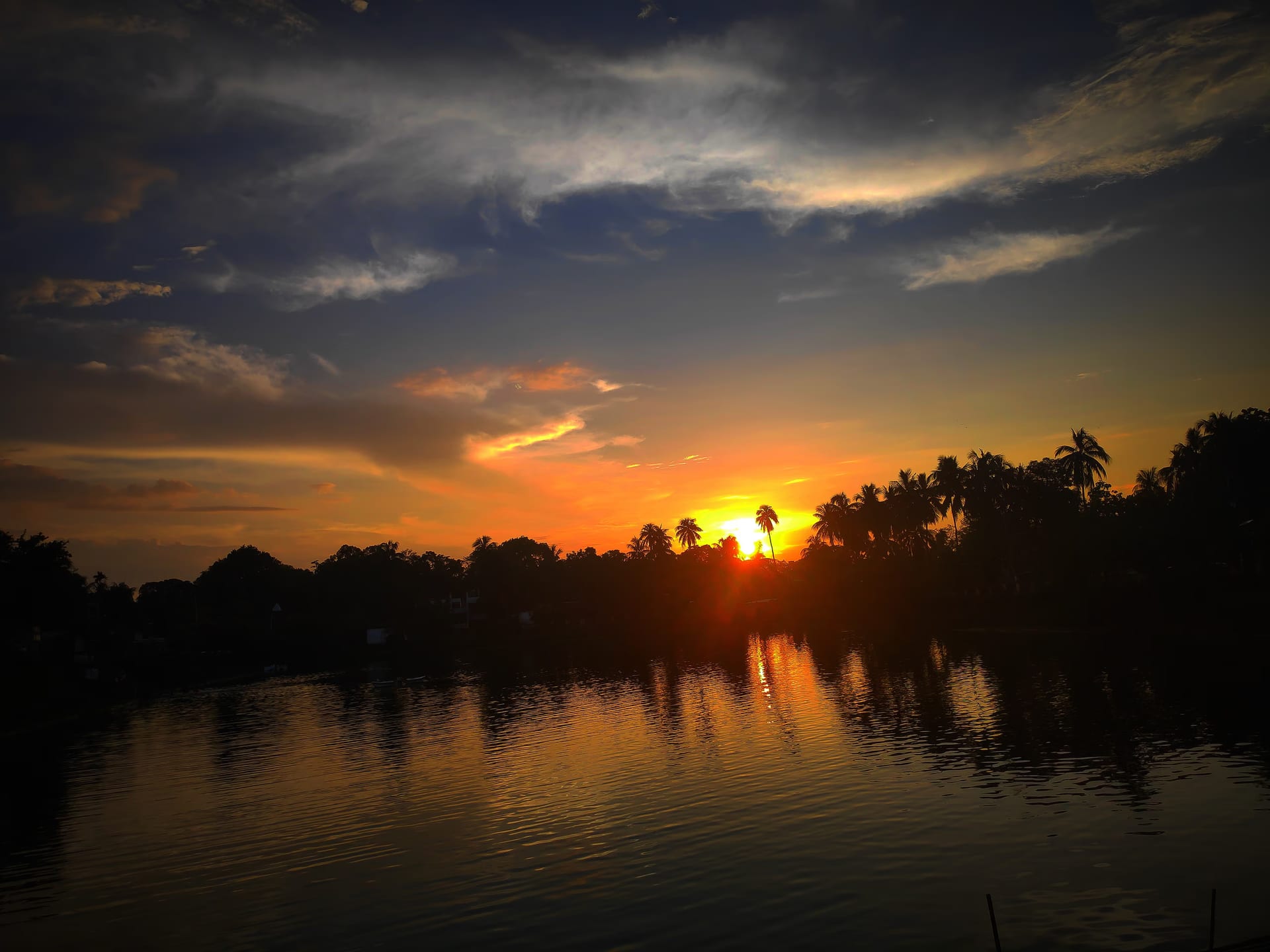
The town’s name carries a second, political memory. By tradition it also recalls Hajo, a Koch chief of these western plains, whose grandson Biswa Singha founded the Koch royal line. The frontier reached the town early. Around 1498 Alauddin Husain Shah, the sultan of Bengal, destroyed the kingdom of Kamata that then ruled the west, and by tradition he settled a colony of his soldiers in the country toward Hajo. The Koch, who rose from that wreckage, made Hajo a royal town. The town itself was already holy ground. What Raghudeva founded was not Hajo the place, but the eastern Koch kingdom that later took the town’s name. When the Koch empire split in 1587 that eastern half became a kingdom in its own right, Koch Hajo. Raghudeva bound his new state to this sacred ground by rebuilding the great temple on the Manikut in 1583.
In 1613 the Mughal conquest swallowed Koch Hajo, and the victors made Hajo the capital of their new province of Kamrup. A faujdar governed from the town with a strong garrison. The empire came to call the province Shujabad, after the imperial prince Shah Shuja who governed Bengal. For half a century the lower valley changed hands in the long wars between the empire and the Ahom kingdom. When those wars ended with the empire thrown back for good, the Ahom court patronised the shrines of Hajo as every ruler before it had, and the administrative weight of the west settled at Guwahati.
The temple of the horse-headed Vishnu
The walk through Hajo begins on the Manikut. Its principal shrine is the Hayagriva Madhava, reached by a long flight of stone steps. It is dedicated to Vishnu in his horse-headed form, Hayagriva, worshipped here as Madhava. The sanctum holds a dark stone image, and the daily rites of a living Vaishnava temple continue around it. The present stone temple is the Koch rebuilding of 1583, on foundations reaching much further back.
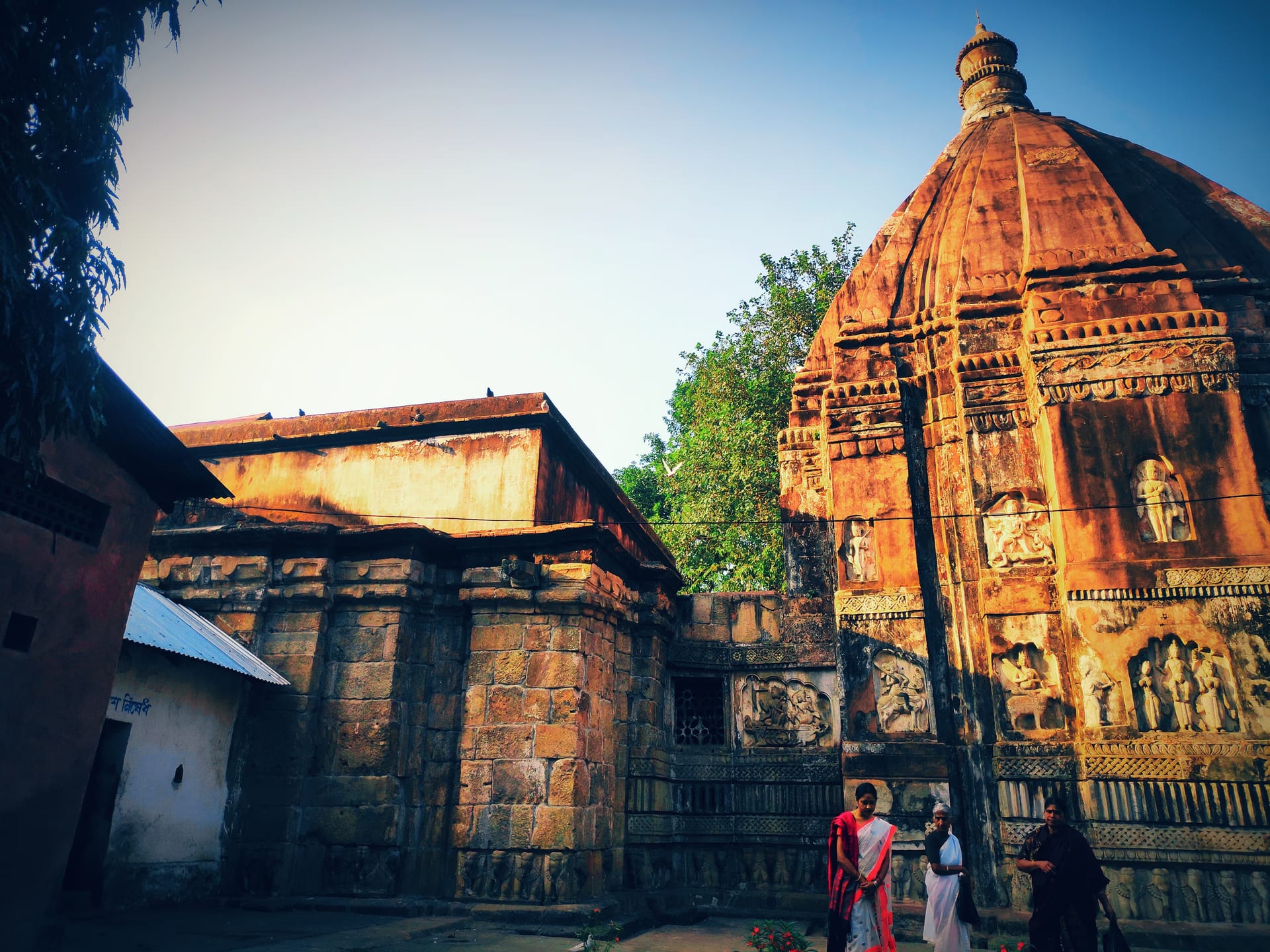
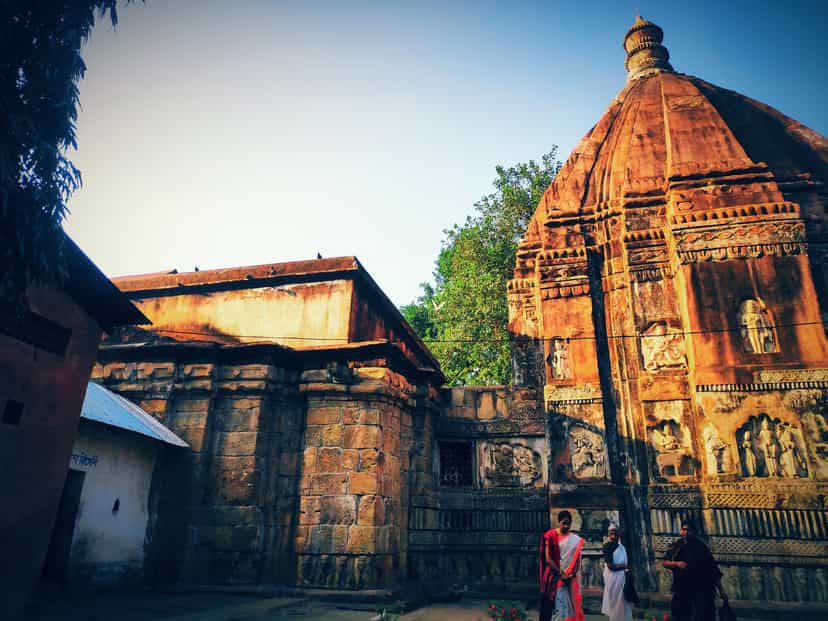
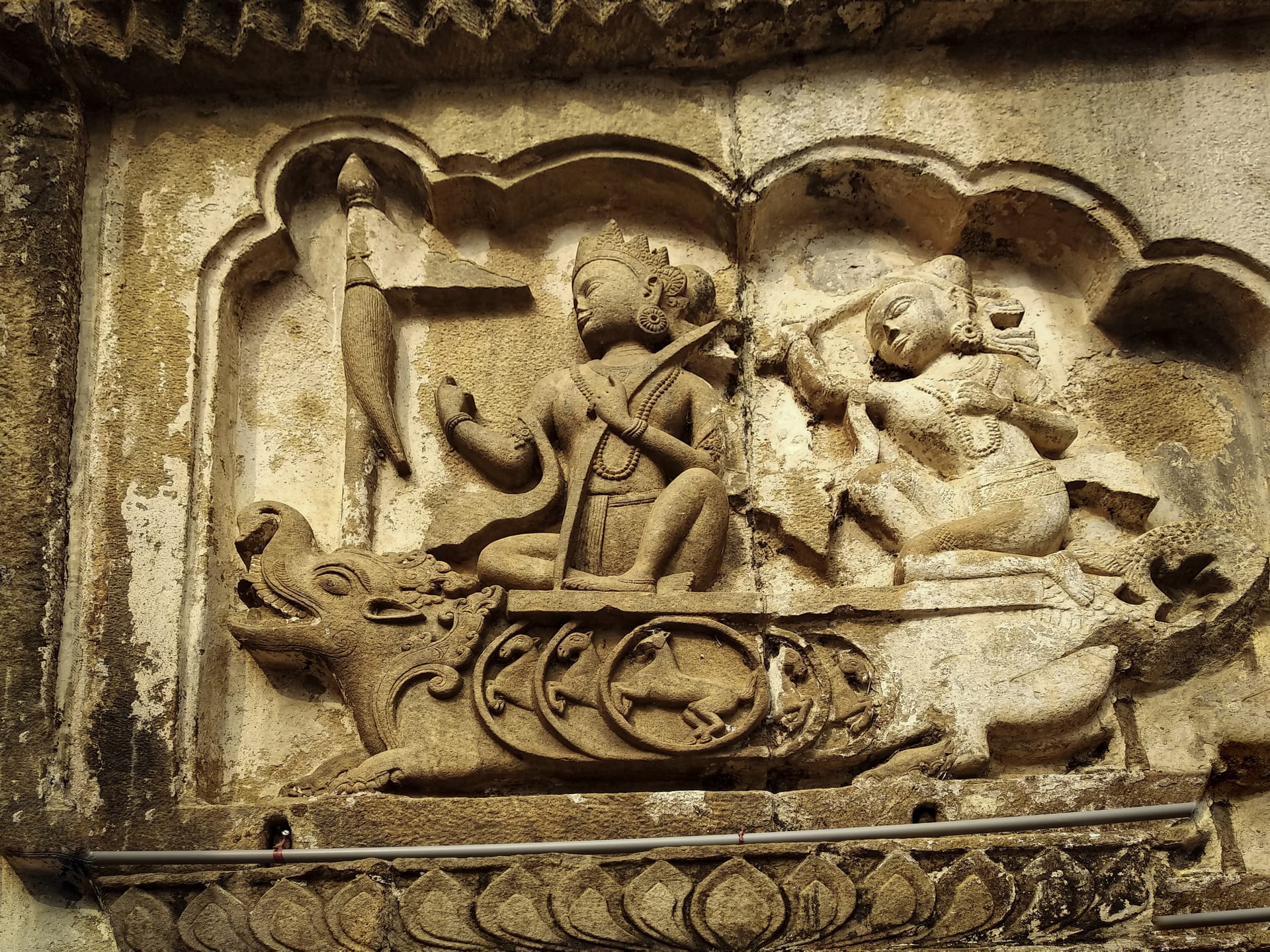
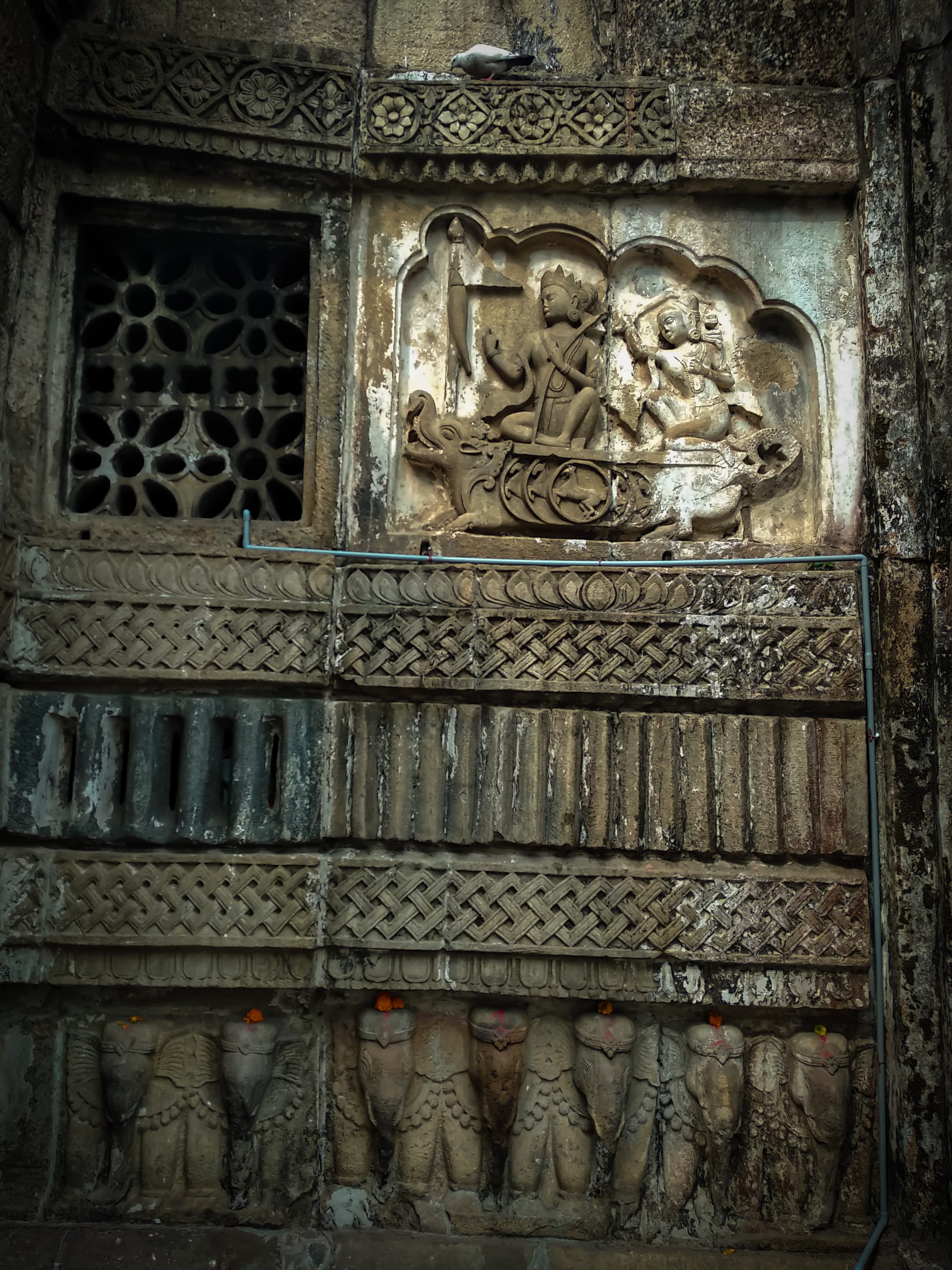
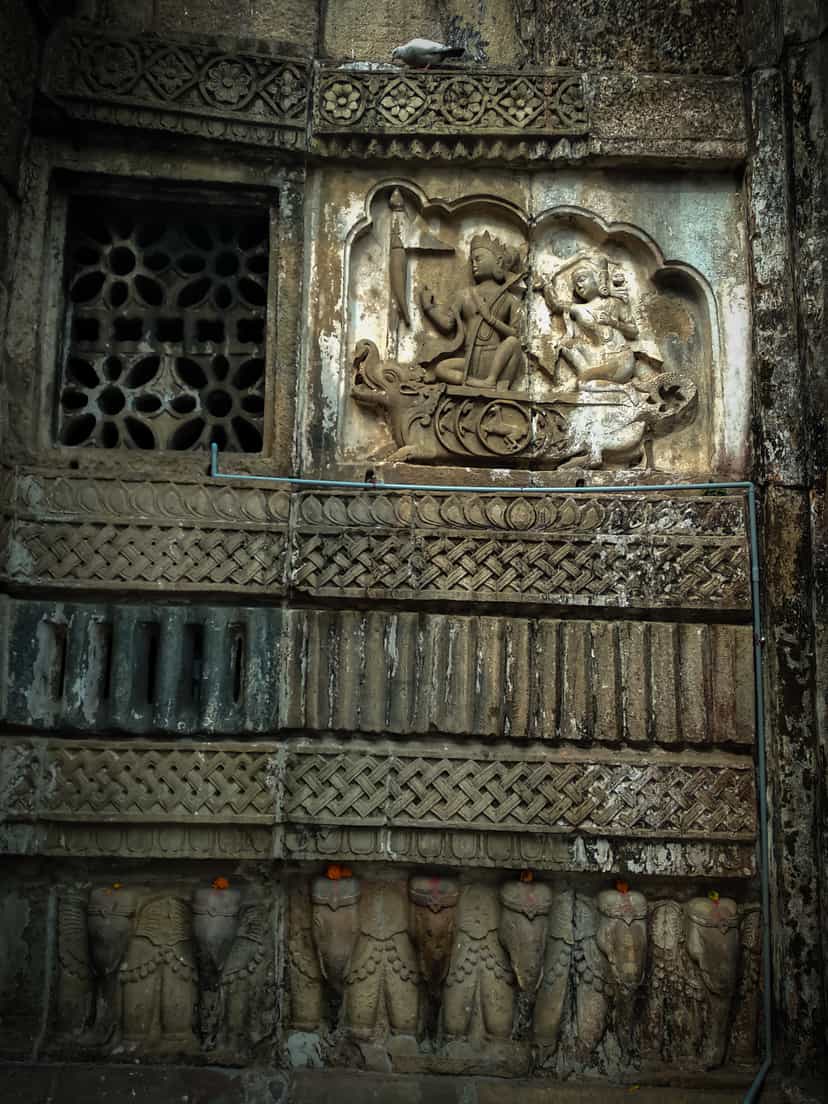
The building repays a slow look. Its outer walls carry bands of carved stone, a row of sculpted elephants along the base and figural reliefs above, among them panels devotees read as the ten avatars of Vishnu. The stair, the inscription, the shikhara and the carved courses are told in full on the Hayagriva Madhava page.
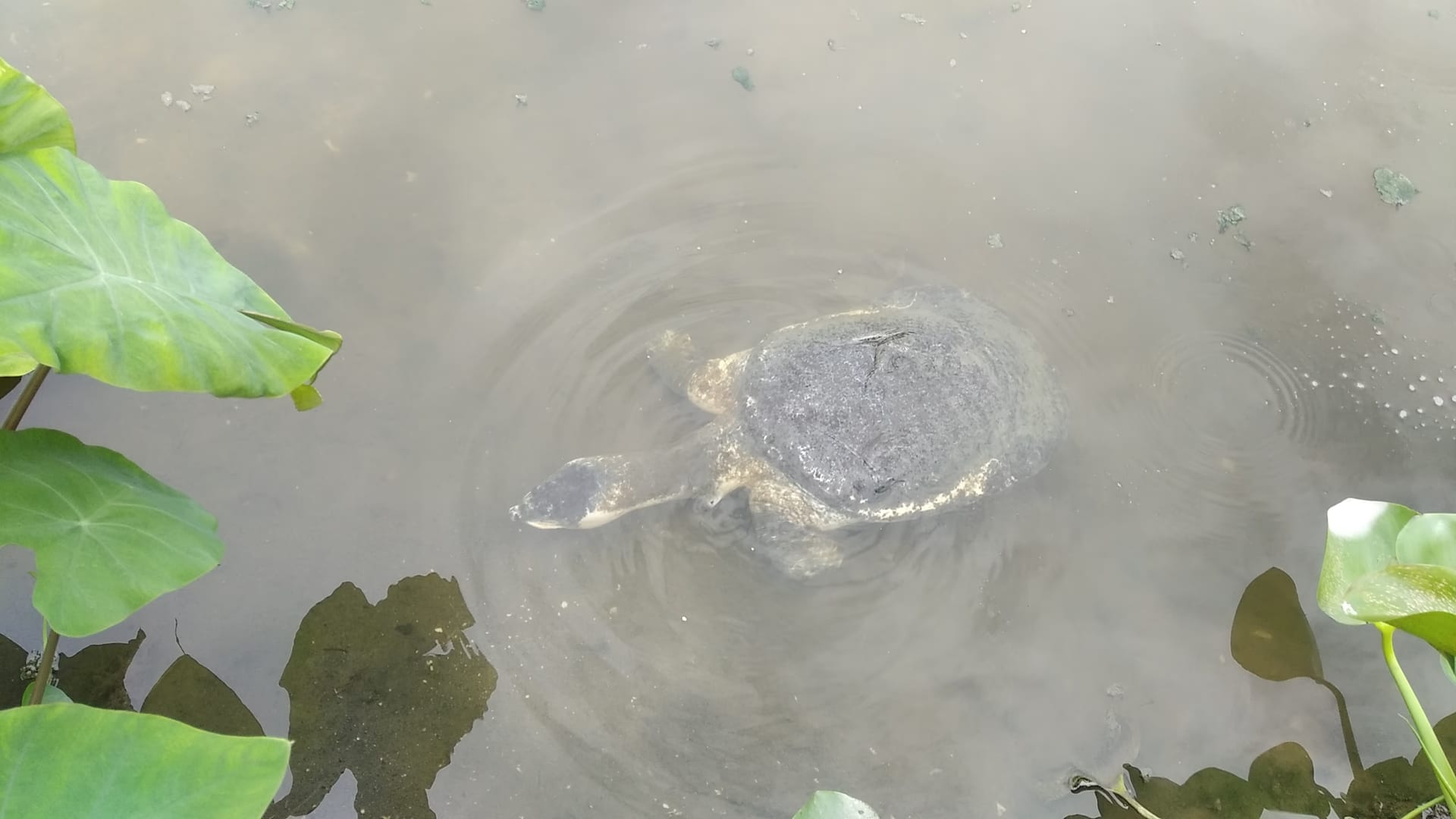
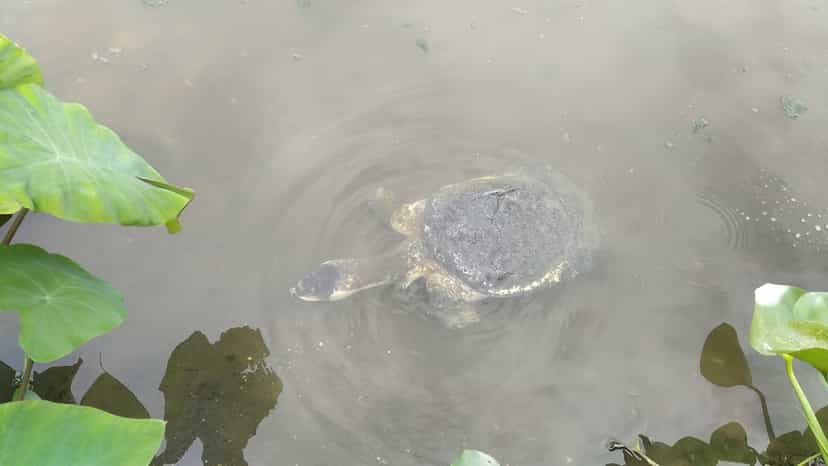
Below the temple lies the Madhab Pukhuri tank, home of the sacred black softshell turtles that pilgrims feed and revere as living forms of Vishnu. The temple’s own faith has helped carry this rare species through.
What makes the shrine extraordinary is that its sanctity is shared. A strong tradition, held especially among the Buddhists of Bhutan and Tibet, identifies the Manikut as the place where the Buddha entered final nirvana. In their reading the horse-headed god of the hill is Tamdrin, a wrathful protector of their own pantheon. For centuries Bhutanese pilgrims have come down from the mountains each winter to worship at the Hindu temple as one of their holiest places. The temple is at its fullest at the spring Doul, at Janmashtami and at the Ashokastami mela, when Hindu and Buddhist pilgrims gather at the same shrine.
The temple of Siva
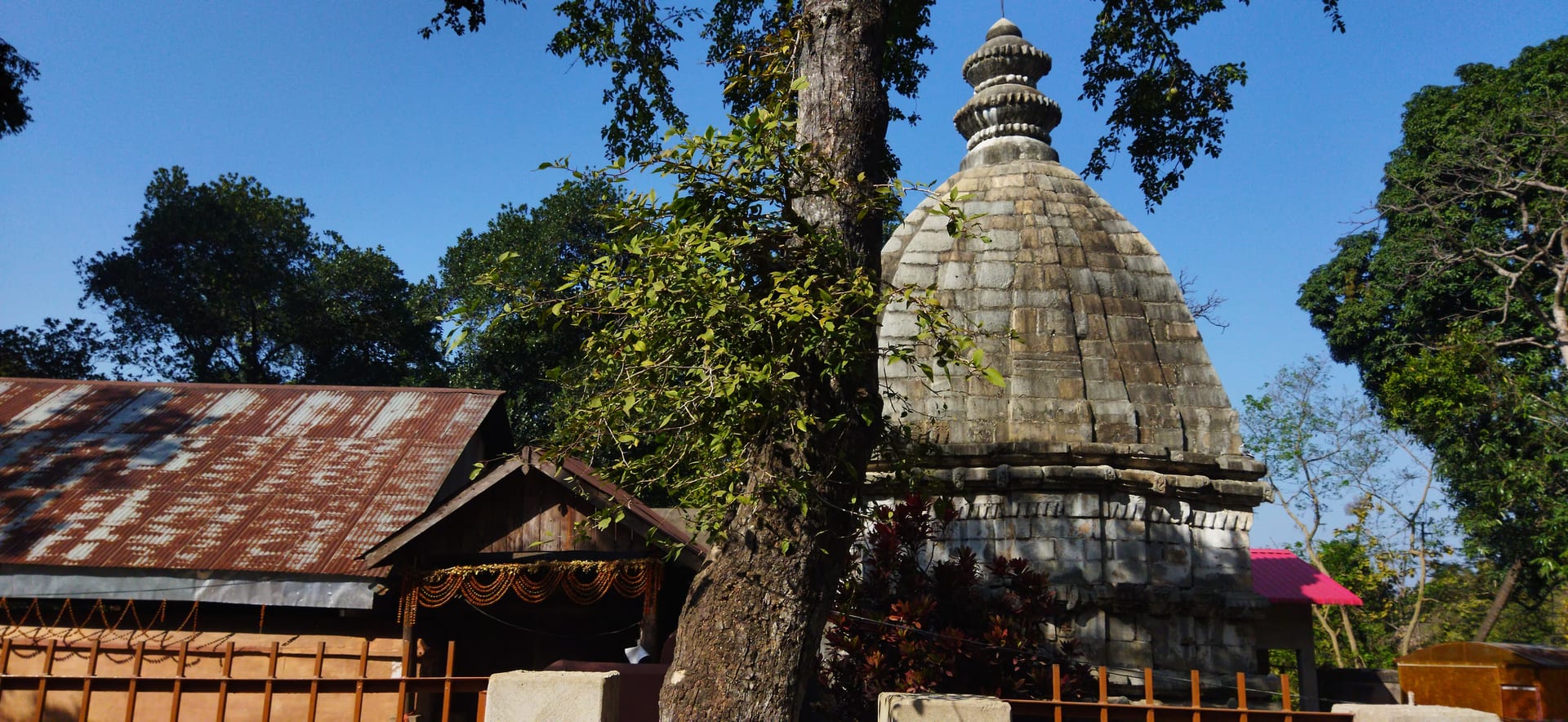
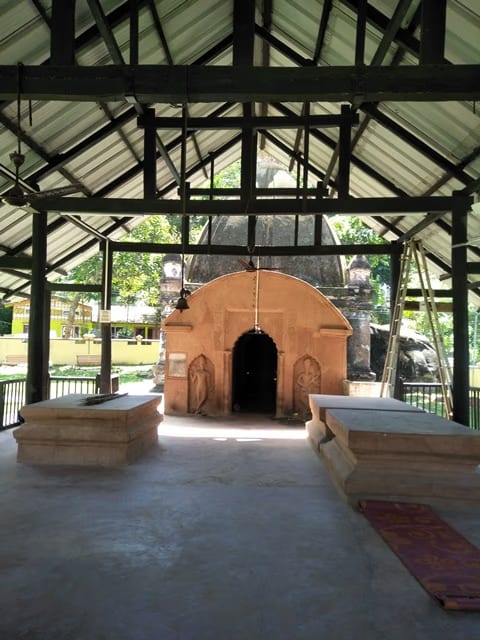
The Madanachala, the southernmost of the hills, answers the Manikut with a shrine of Siva. The Kedar temple that crowns it holds a great lingam revered as swayambhu, self-manifested, the focus of a Saiva devotion older than any date that can be fixed to it. The stone temple itself is by tradition ascribed to the Ahom king Rajeswar Singha, about 1753, a rebuilding of an older temple that already stood on the hill. It is the clearest mark of the Ahom patronage that renewed Hajo after the wars. So two of the heights carry the gods of the Hindu valley, Vishnu on one and Siva on the other. The Garurachal between them holds the Muslim shrine that completes the three-faith frame. The Hindu pilgrimage itself, though, is wider than these two climbs.

Panchatirtha, the five Hindu tirthas
The town is also known as Panchatirtha, the five tirthas. That name belongs to the Hindu circuit alone. It does not replace the three religions or the three hills. The Hayagriva Madhava and the Kedar are the great two that every visitor climbs. The quieter three are the Ganesh shrine at the foot of the Madanachala, and the Siva temples of Kameswar and Kamaleswar nearby. The devout complete all five. Most day visitors walk past the last three. By tradition the Ganesh temple was raised under Pramatta Singha in the mid-eighteenth century, over a rock already carved as the god. It is also called Deva Bhavana, the meeting place of the deities on festival days.

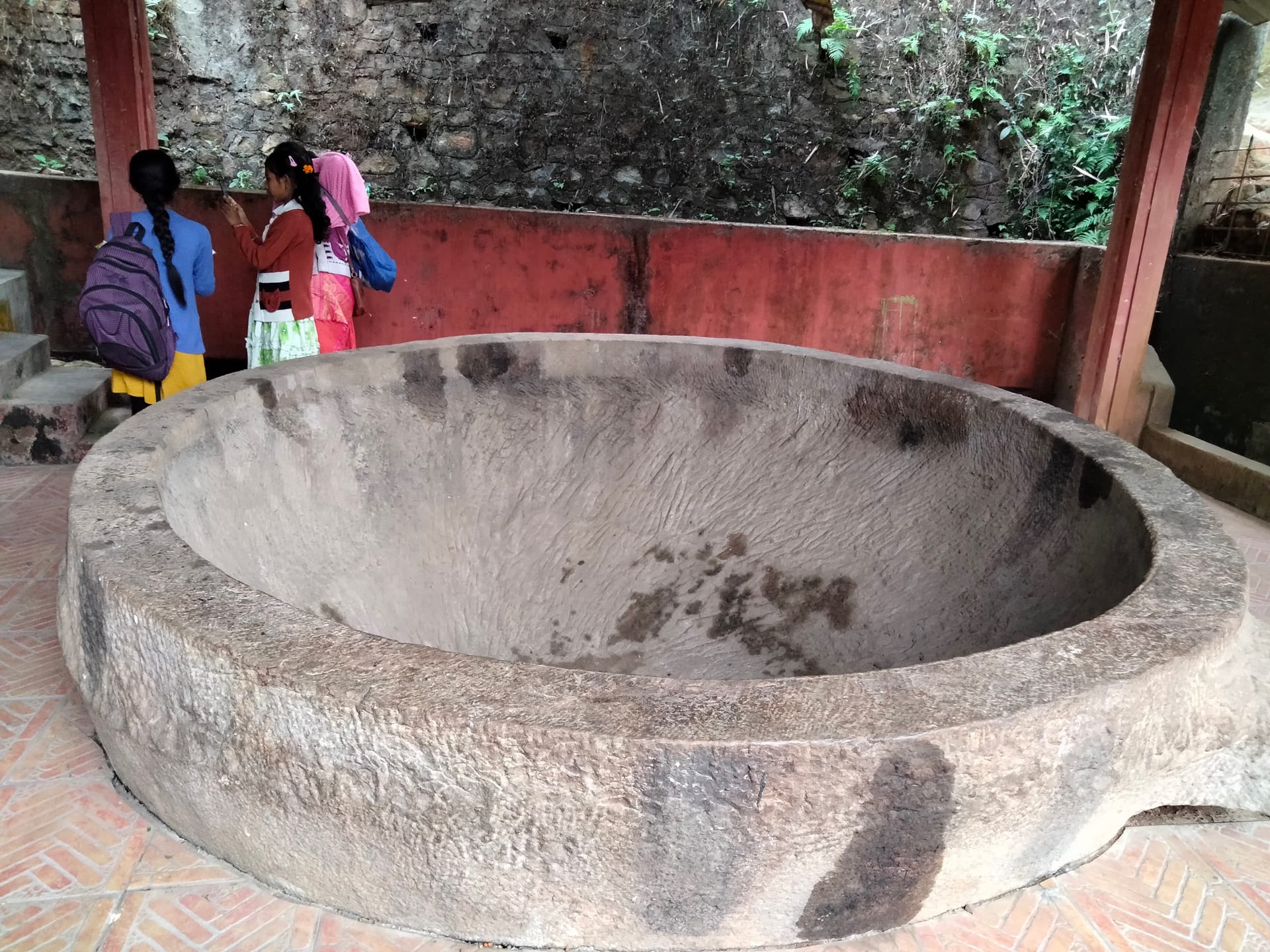
A little aside from the main climbs lies Bhimar Charia, Bhima’s stone bowl by local tradition. It is a great chiselled basin set under a simple shelter near the path to the Madanachala. Pilgrim lore ties it to the Pandavas’ exile. It is not one of the five tirthas, but it belongs to the same local sacred landscape.

The Muslim saint on the Garurachal
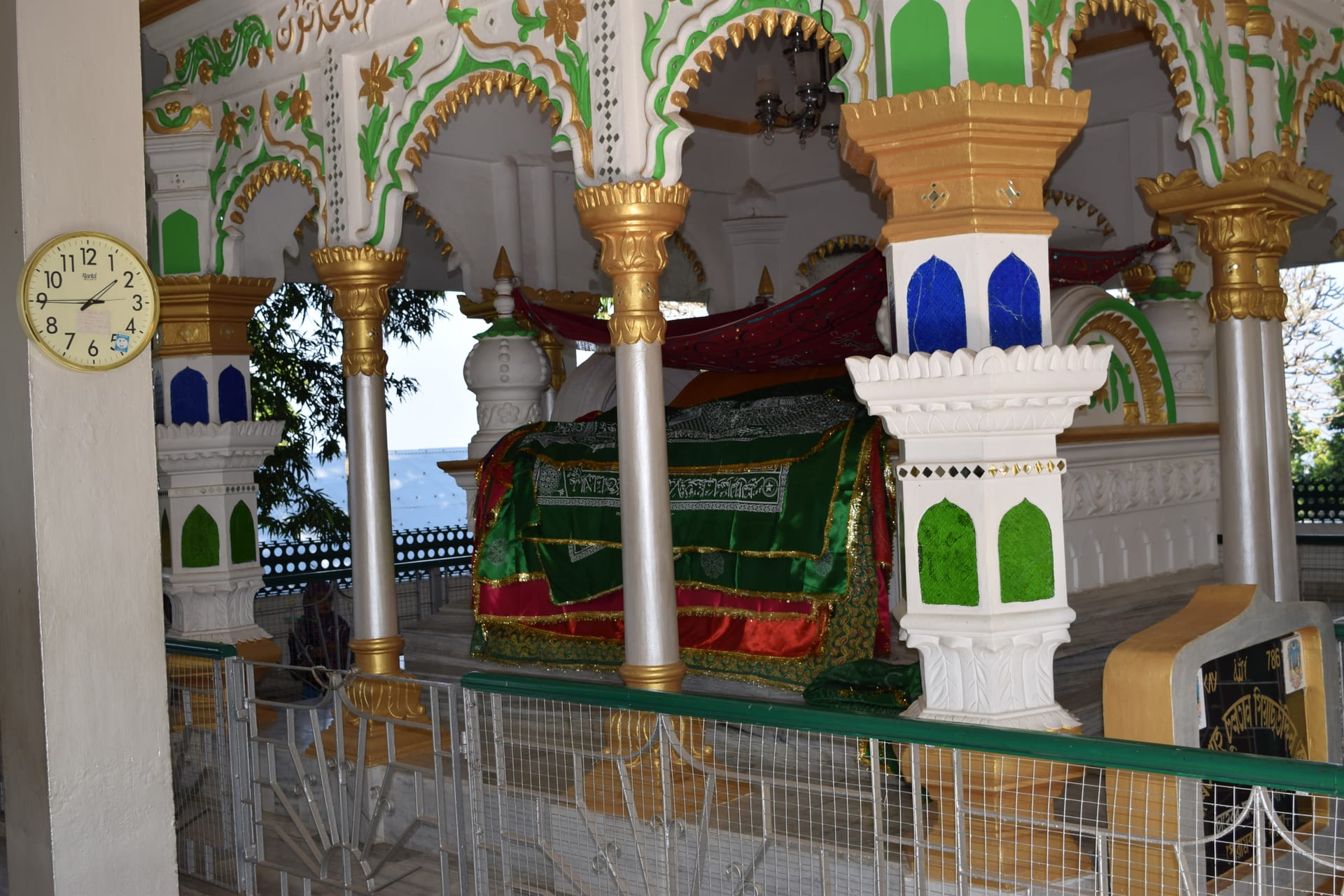
The third of the three hills is the Garurachal, and on it sits the Muslim shrine that completes the town. The Powa Mecca is the dargah of the Sufi saint Pir Giyasuddin Auliya, a preacher from Baghdad. His tomb is by some accounts linked to the years around 1500, when the first Muslim soldiers and saints reached this country. The name Powa Mecca is conventionally read as a quarter of Mecca. By popular belief a pilgrimage here carries a quarter of the merit of the haj, and one tradition holds that soil from Mecca itself was carried to this site.
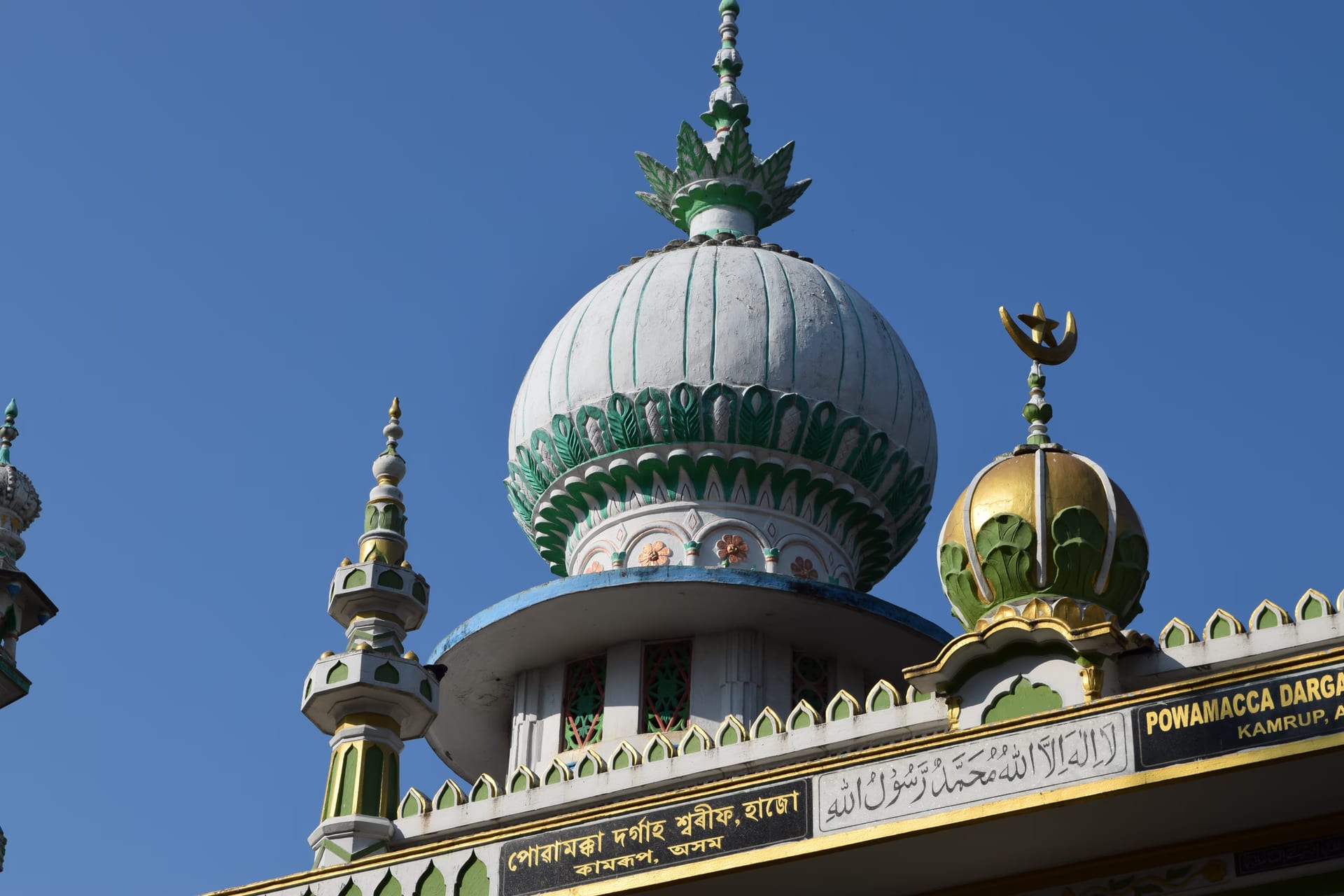
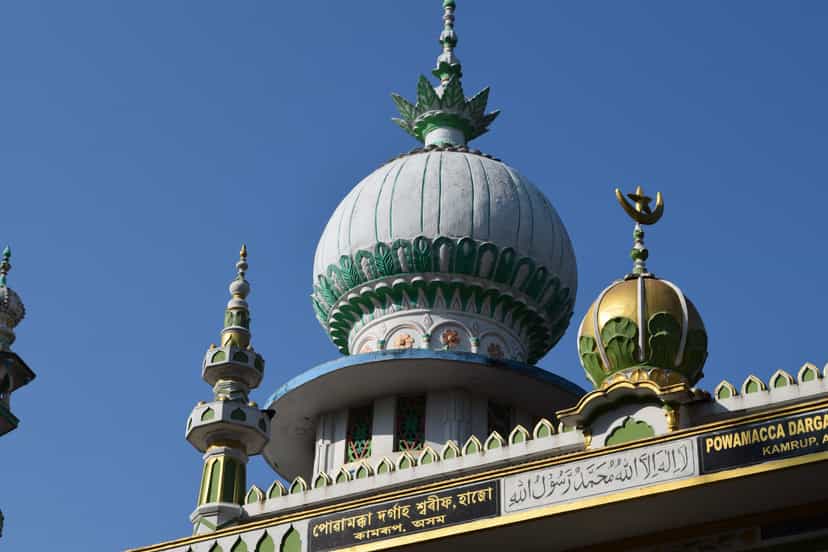
The mosque beside the tomb is a dated work of the Mughal decades, raised while Hajo was the seat of the province. A Persian inscription records its building in 1657 by Lutfullah Shirazi, and it names the same prince Shah Shuja whose title the province briefly bore. The shrine belongs to the Sufi-rooted, distinctively Assamese Islam whose spirit the songs of Azan Fakir best express. This is a faith carried into the valley by saints rather than armies. Its great day is the Urs, the annual commemoration of the saint, which brings devotees up the hill in his memory. Powa Mecca was patronised rather than effaced as power passed between Koch, Mughal and the Ahom.

Visiting
Hajo lies about twenty-five kilometres northwest of Guwahati and is easily seen in a half-day. A visit takes in the three-faith circuit: the Hayagriva Madhava on the Manikut, the Kedar temple on the Madanachala and the Powa Mecca on the Garurachal. Curious visitors can also seek out the quieter three of the Hindu Panchatirtha, the Ganesh, Kameswar and Kamaleswar shrines, and Bhimar Charia a short walk from the Madanachala path. All are active places of worship, to be visited with the usual observances, and the town is at its most vivid on festival days, when its three-faith character fills the lanes. Hajo pairs most naturally with the silk-weaving town of Sualkuchi a little downstream on the same north bank. The ruined temple field of Madan Kamdev lies further east along the same bank. A visitor based in Guwahati can also set Hajo’s shared hills against the great Sakta hill of Kamakhya and the river-island shrine of Umananda. These are three quite different faces of the valley’s devotion within one short circuit.