The largest community of the Brahmaputra valley is the Assamese-speaking mainstream, the Asamiya, the people usually meant by the word Assamese in its narrow, ethnic sense. They call their land Asom, and their tongue Asamiya. The English word Assamese is a later, colonial formation, built by British administrators on the place-name Assam much as Sinhalese was built on Sinhala. The name itself is disputed. The most widely held view traces it to the Ahoms, the Tai people who entered the valley in the thirteenth century and gave their name to the country they came to rule. A learned tradition reads it instead as the Sanskrit asama, meaning peerless or unequalled. Others propose a Bodo root, ha-com, for low or level land. Whatever its first source, in time the name settled on all who came to share the valley’s speech. Before this name settled, the valley had worn two older ones, Pragjyotisha and Kamarupa, each with its own legend. How the land moved through those three names, and what each one meant, is told as a lore.
The Three Names of the Land
Pragjyotisha, Kamarupa, Asam. A valley that has worn three names across three ages, each with its own legend, from the place of eastern light to the name the whole country carries still.
The Asamiya are best understood not as a race but as a composite. They descend from no single migration. They were assembled over two thousand years from many peoples and many arrivals. That is why the English word Assamese, used carefully, needs two senses. The narrow sense names the Assamese-speaking mainstream that the political scientist Sanjib Baruah (source: India Against Itself) calls the caste-Hindu Assamese, the community of this page. The wider sense is a civic and linguistic identity, held across the state by every community that shares the valley’s speech and public life. This page is about the narrow sense, which is the core of the Assamese people but not the whole of it. Where the line between the two falls, and who counts as Assamese and on what terms, is one of the central arguments of modern Assam, and it returns at the end.
The making of the Asamiya people
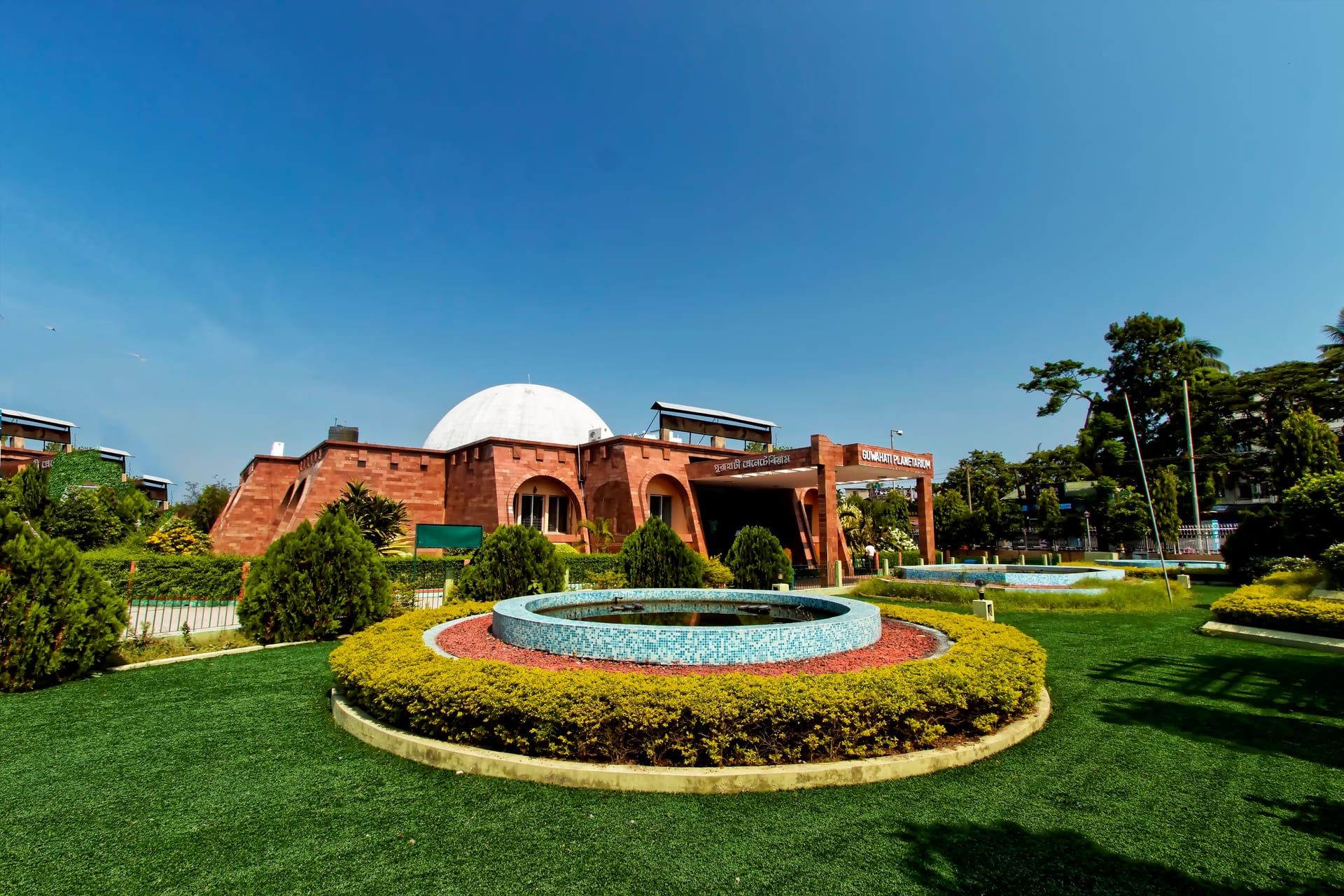
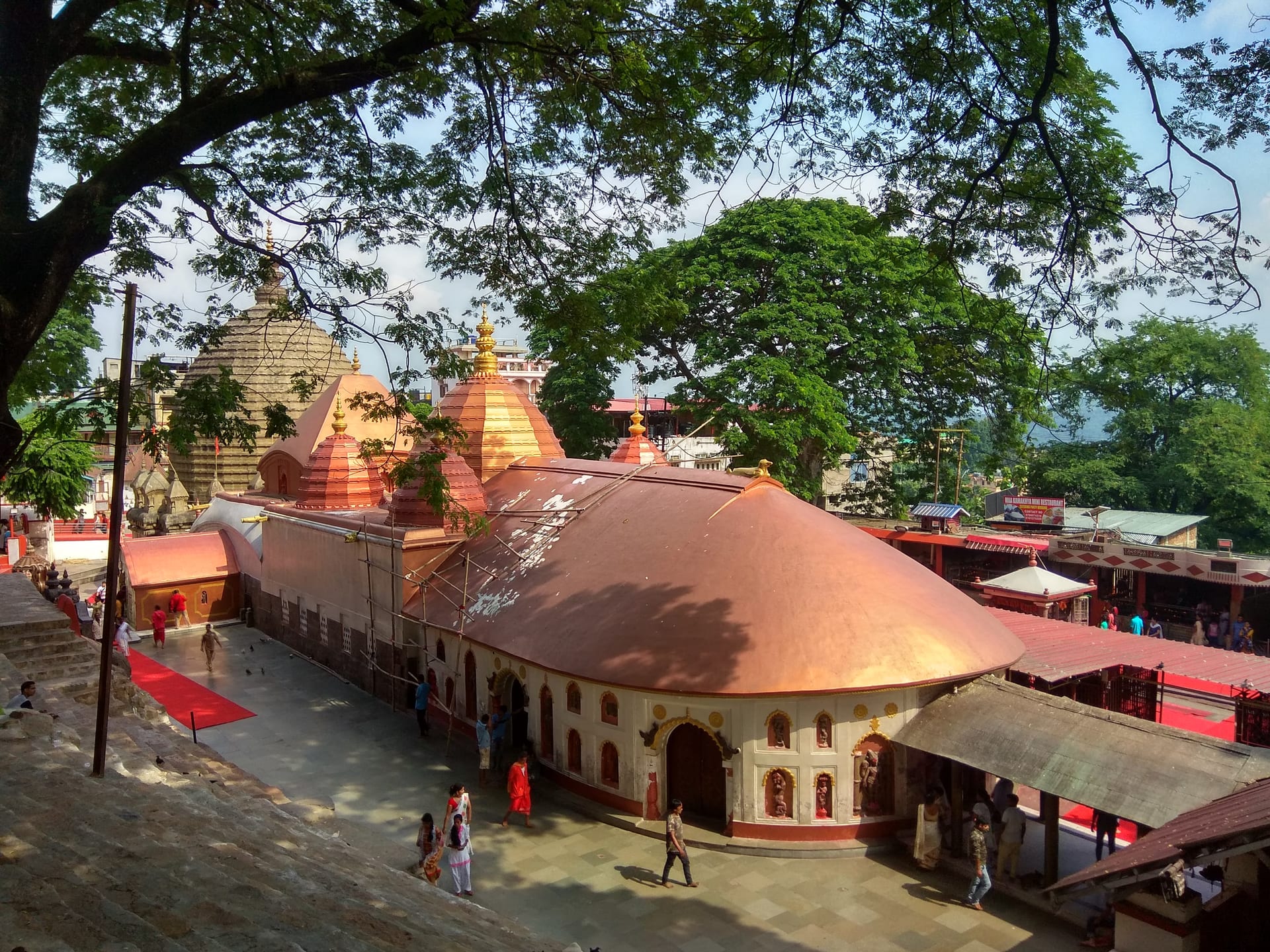
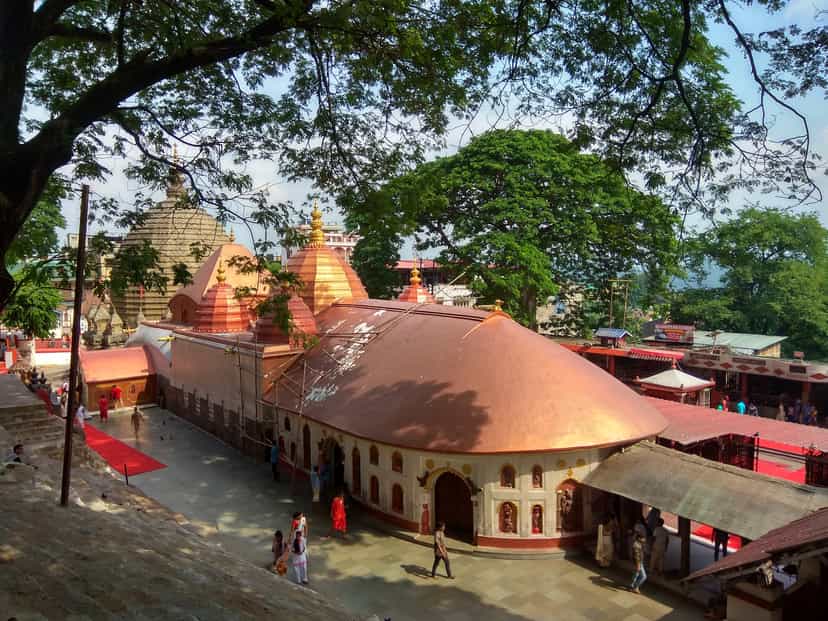
The story begins with the people who were already in the valley. Beneath every later layer lies its indigenous population, the Tibeto-Burman and Austroasiatic peoples of the old Sanskrit name Kirata. The twentieth-century linguist Suniti Kumar Chatterji, in the book Kirata-Jana-Krti, called these peoples Indo-Mongoloid and traced their deep imprint on eastern India. They were the demographic foundation. That foundation left its clearest mark in the worship of the mother goddess. Long before any Sanskritic remaking, the valley kept its own ancient cult of a fertility goddess. Her supreme seat is Kamakhya, the temple on Nilachal hill above Guwahati. Kamakhya was an indigenous goddess of the old Kirata country.
Onto that indigenous foundation came assimilation into a caste-Hindu Asamiya society. Waves of Indo-Aryan settlement were one part of it. From the time of Kamarupa, kings endowed Brahmins with land, and the great series of Kamarupa copper-plate grants is in large part a record of such gifts. Many of those early Brahmins came from the Gangetic plains, from Kanauj, Mithila and Bengal, brought east by the Kamarupa courts and by the kingdoms that followed. Later the stream widened. The Koch king Naranarayan and, after him, the Ahom monarchs imported Brahmins, Kayasthas and other castes to serve temple and court. These migrant families were never large in number. Yet they supplied the Sanskritic learning, the priesthood and much of the literate class around which the caste-Hindu Asamiya society took shape.
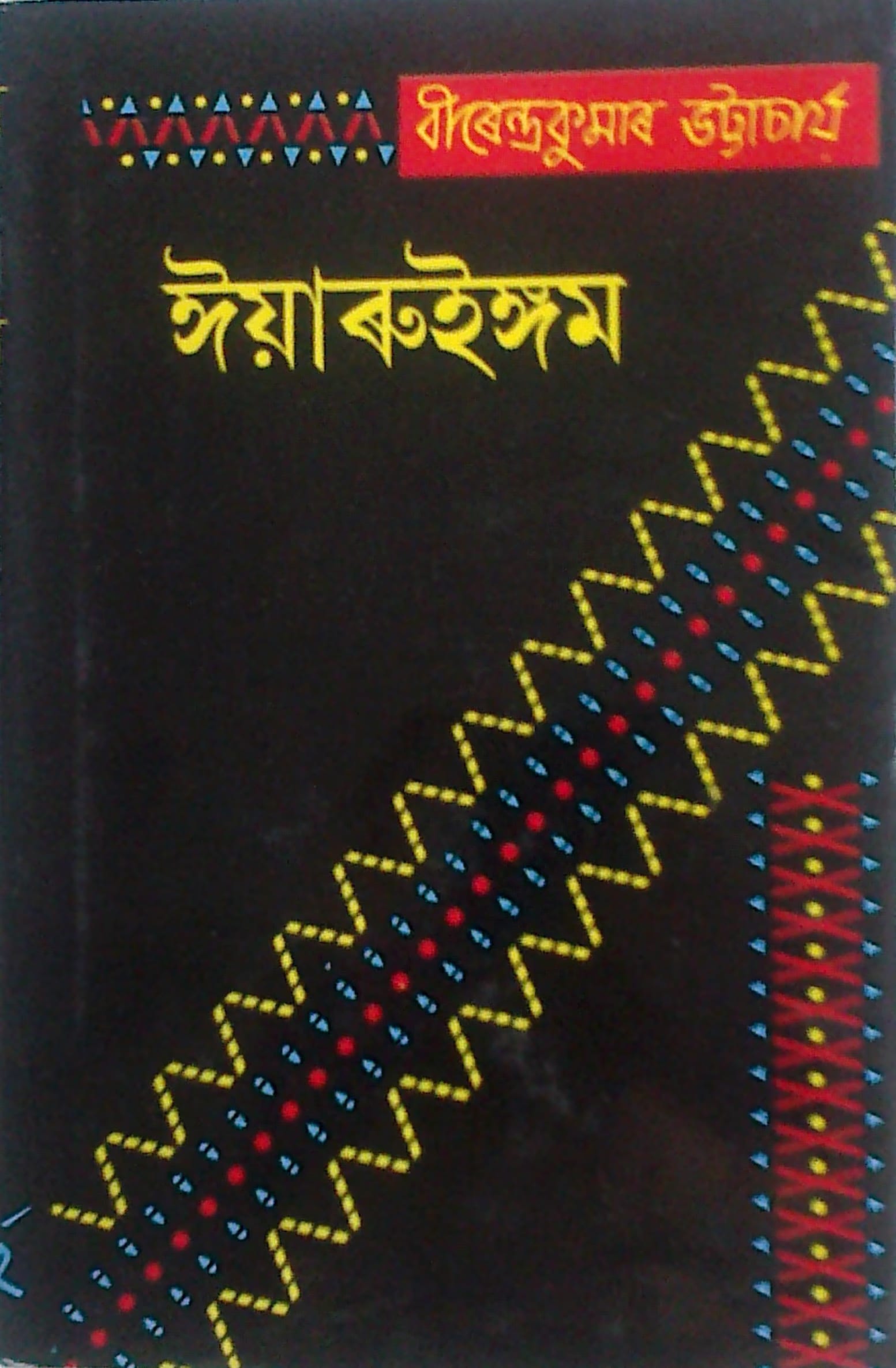
Out of that mixing, what changed was speech and faith. In Assamese: Its Formation and Development, the Assamese philologist Banikanta Kakati showed the Assamese language to be an Eastern Indo-Aryan tongue descended from Magadhi Prakrit, yet one deeply shaped by the Bodo and other substratum languages it absorbed. A language does not carry so deep a substratum unless its speakers were, in large part, the earlier population learning a new speech. Nowhere is that remaking clearer than in the mother goddess herself. The valley’s ancient cult was drawn over centuries into the Sanskritic fold and refashioned as a great Tantric Devi, one of the holiest Shakta shrines in India. An indigenous goddess became a deity of all Hindu India, without ever quite ceasing to be herself. The valley remade its own gods in the Sanskritic mould exactly as it remade its own peoples.
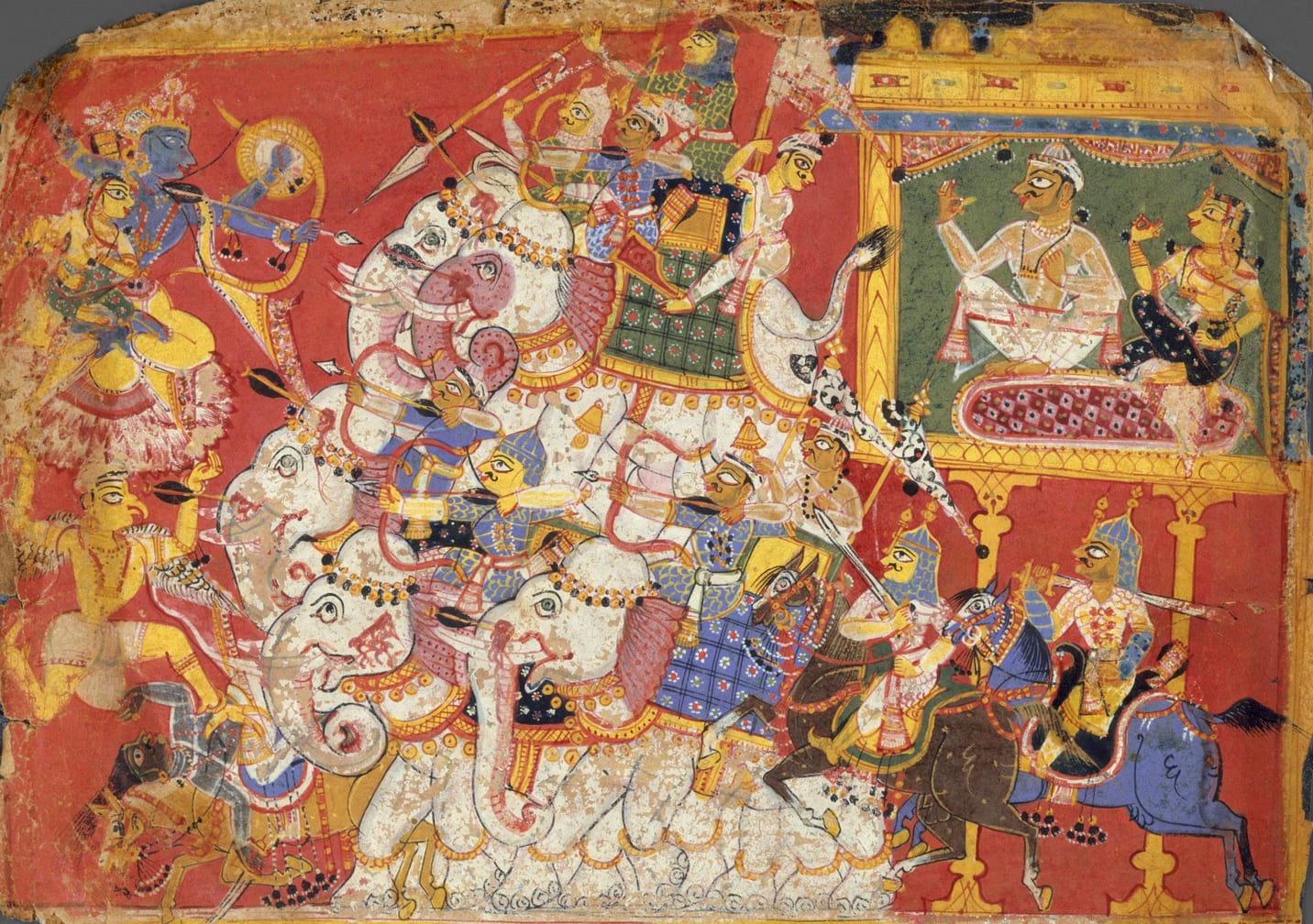
As the valley’s kingdoms Hinduised, ruling and subject peoples entered the caste order. The Ahoms adopted Hinduism from the seventeenth century, and sections of the Chutia, Koch, Moran, Borahi, Deori and Kachari peoples were progressively absorbed into the emerging Asamiya jati, the named mainstream community. Historians hold that this fusion quickened under the Ahom king Pratap Singha, who reigned from 1603 to 1641. It was pressed further by war. The idea of a single Asamiya people hardened in the later Ahom centuries as the valley closed ranks against the invaders who came up the river from the west, first the sultans of Bengal and then the Mughals. A common enemy did as much as a common court to make one people of many. The society that emerged held the Brahmins and the Ganak astrologer-priests, the large Kalita and Kayastha communities, the Keot or Kaibarta and others, in an order looser and more accommodating than in the Indian heartland.
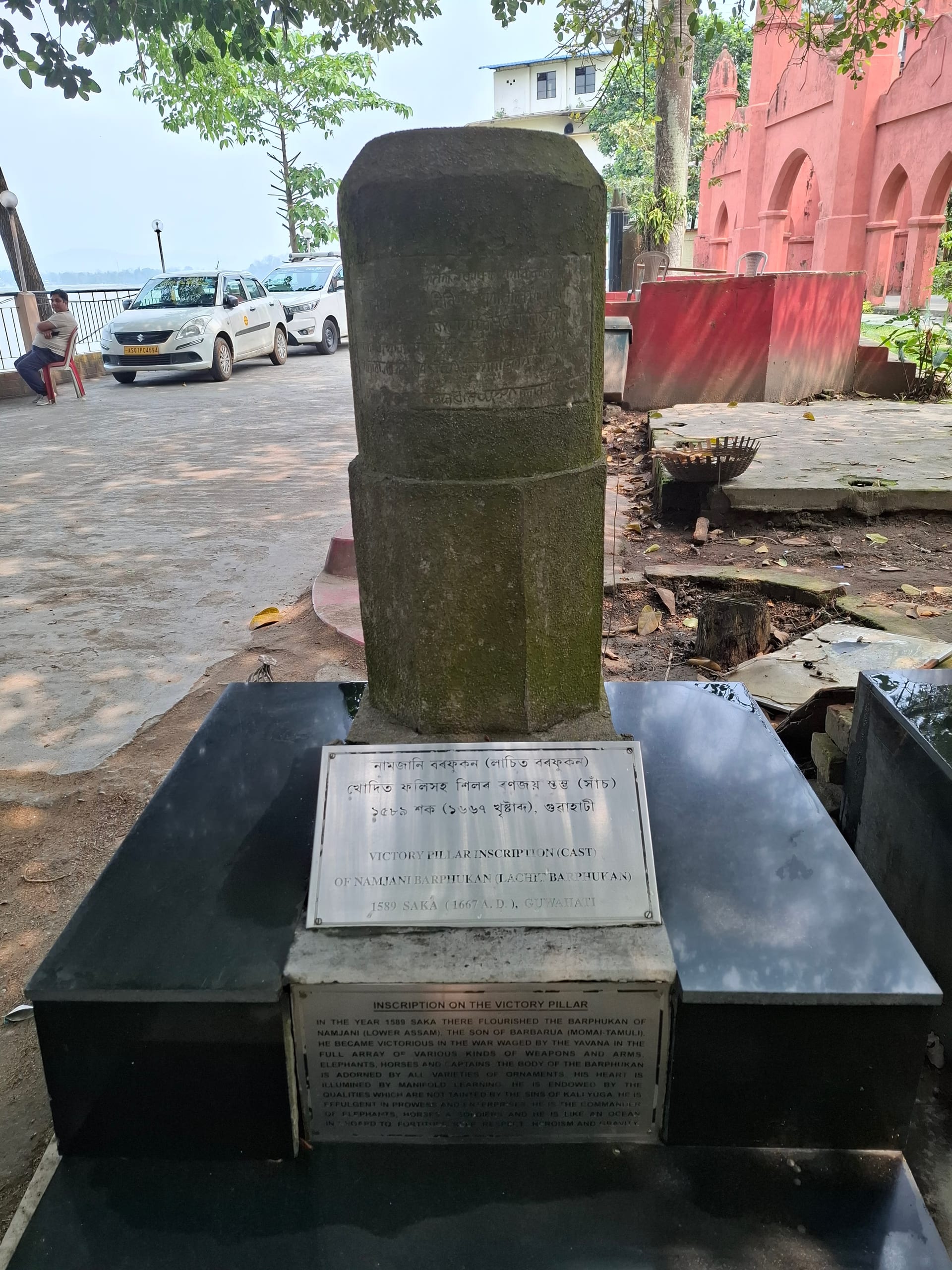
The Night of Saraighat
A dying general, a wavering fleet, and the river that kept Assam free of the Mughals.
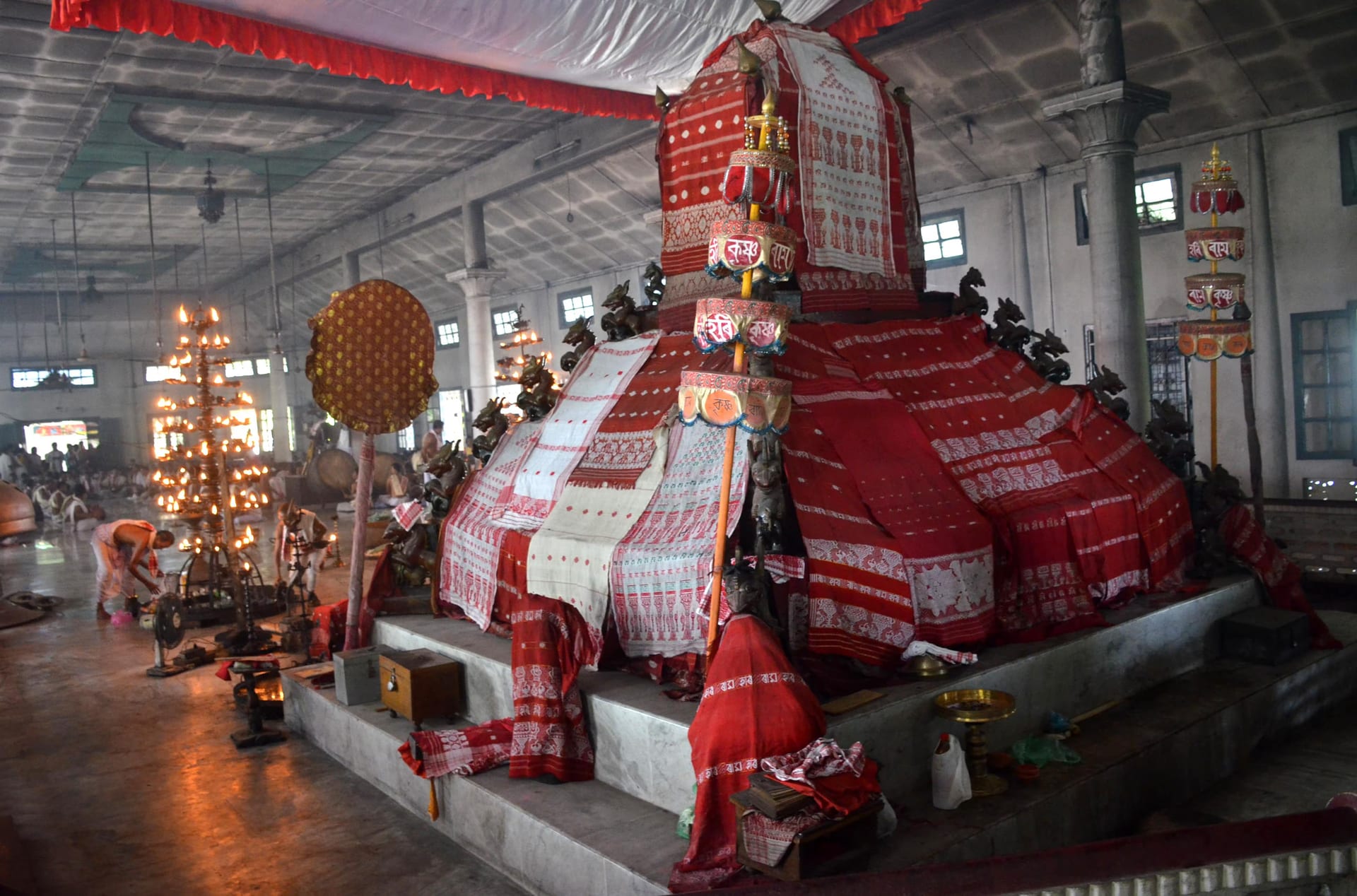
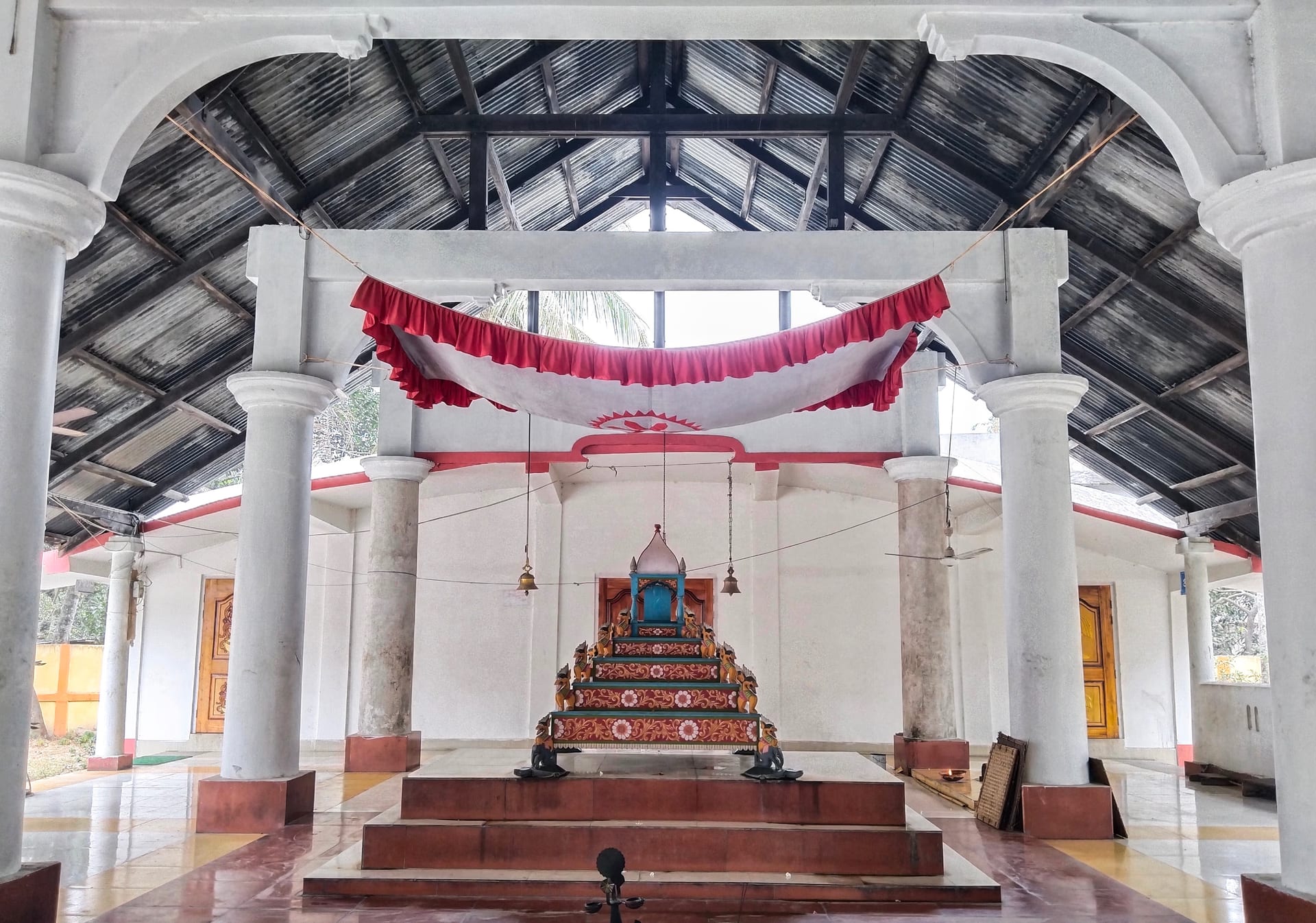
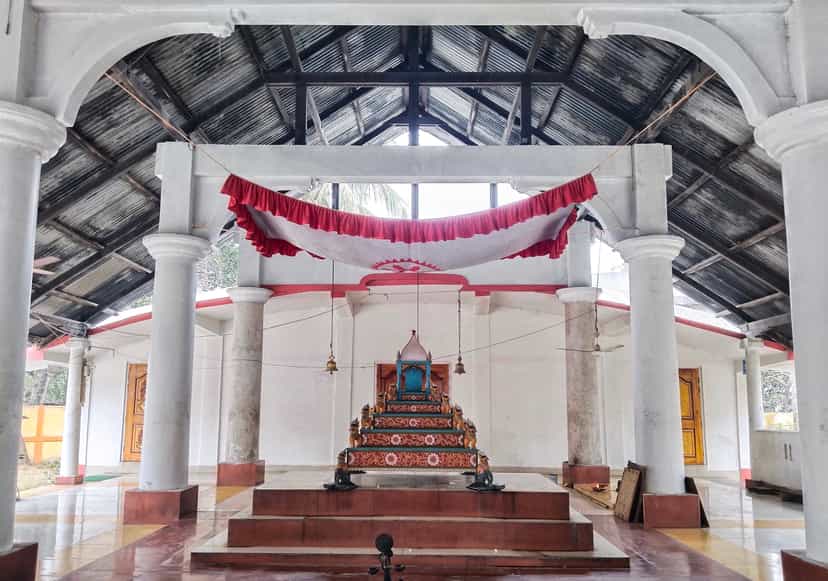
A force that did much to bind these layers into one cultural life was the neo-Vaishnavism of Srimanta Sankardev. His movement gave the valley a single devotional culture that cut across caste and community. It was carried through two institutions raised in every locality, the namghar, the village prayer house open to all, and the sattra, the monastery that became a centre of teaching, music and manuscript. Because these welcomed people regardless of birth, they drew tribal and caste communities alike into one congregation. From the sattras came a whole high culture of worship, the classical dance Sattriya, the sacred borgeet songs and the bhaona plays staged in the prayer house. This shared religious world helped fuse those who had entered the Asamiya mainstream into one people. Yet the new faith never swept the older worship away. Beneath and beside it still runs the ancient Sakta devotion to the mother goddess of Kamakhya, and the religious world of the Asamiya holds both at once, the congregational song of the namghar and the blood-offering of the goddess, without feeling the need to choose. Thus the long assimilation had reached a culmination. The caste-Hindu Asamiya community had taken shape as one named people.

However, becoming Asamiya in that narrow sense was never the same as being every people of Assam. The state is home to dozens of distinct communities, from the Bodo, the Mising and Rabha, to the Tai Buddhist Tai Phake of the upper valley and the Meitei of the Barak. These are not the Asamiya of this page. Each keeps its own language, its own social order and its own sense of itself, and many follow indigenous faiths of the earth and the mother goddess, or Buddhism. Sharing a congregation, or revering the mother goddess, does not by itself make a people Asamiya, because the Asamiya are a particular community, a jati, and not a religion. What does draw a community toward that mainstream is long assimilation into Assamese speech and caste-Hindu practice. Some upper-valley communities, the Sonowal Kachari, the Chutia, the Moran and the plains Tiwa, have been drawn so far along that path that they stand between the two senses of the word. They remain their own named communities, yet they also belong to the wider Assamese fold of shared speech and public life.
What the Asamiya share
What holds the Asamiya together, more than blood, is what they share. The first bond is the Assamese language. It spread as the common tongue of the valley, crossing the lines between communities that had once spoken many separate languages. In it grew a shared literature, from the medieval chronicles and the translations of the neo-Vaishnava age onward, so that peoples of different descent came to read, sing and remember in one speech. For the Asamiya mainstream, more than anything else, that mother tongue became the daily mark of belonging. It is also the bridge into the wider Assamese identity, which is why a threat to the language has long been felt as a threat to both. Its defence in the schools, courts and press became one of the great causes of public life in Assam, fought at times at the cost of blood.
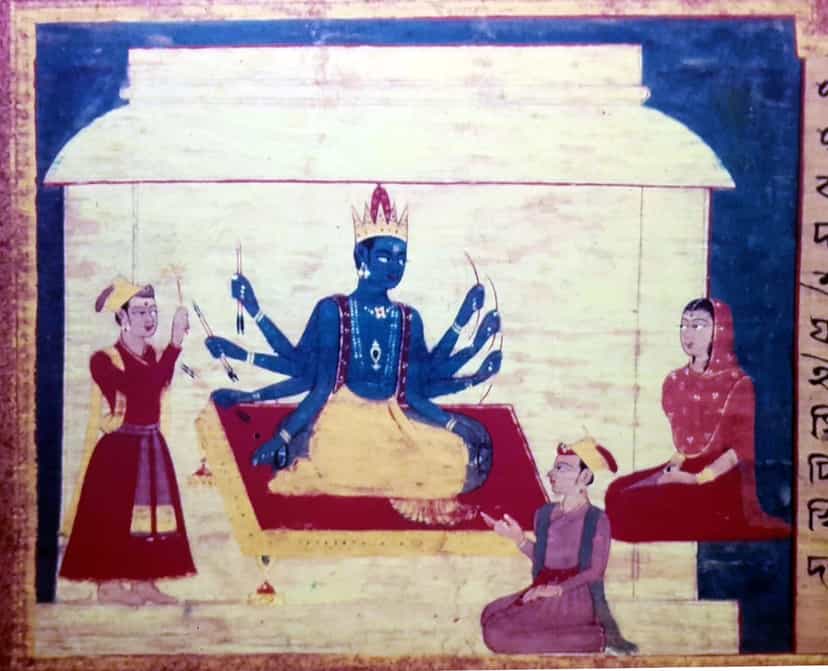
Among the Asamiya themselves, the same bond runs through worship. The namghar remains the village’s open house of prayer, and the sattra tradition still carries song, dance and manuscript. Beside that Vaishnava life, and without contradiction, the older Sakta devotion to Kamakhya continues. Faith here is not a single creed so much as a shared religious world, one people can enter by birth or by assimilation into the mainstream, and keep in both of its forms.
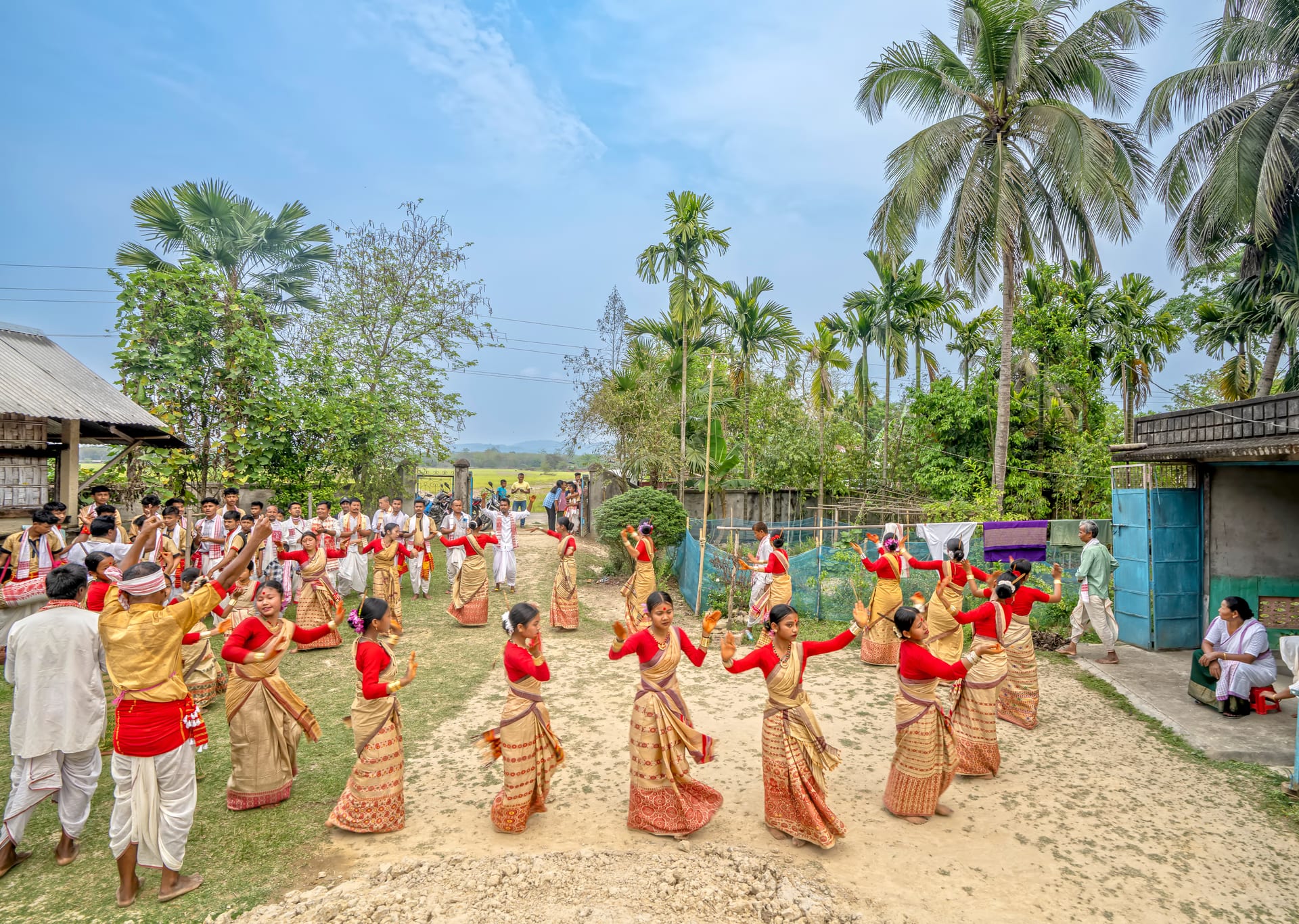
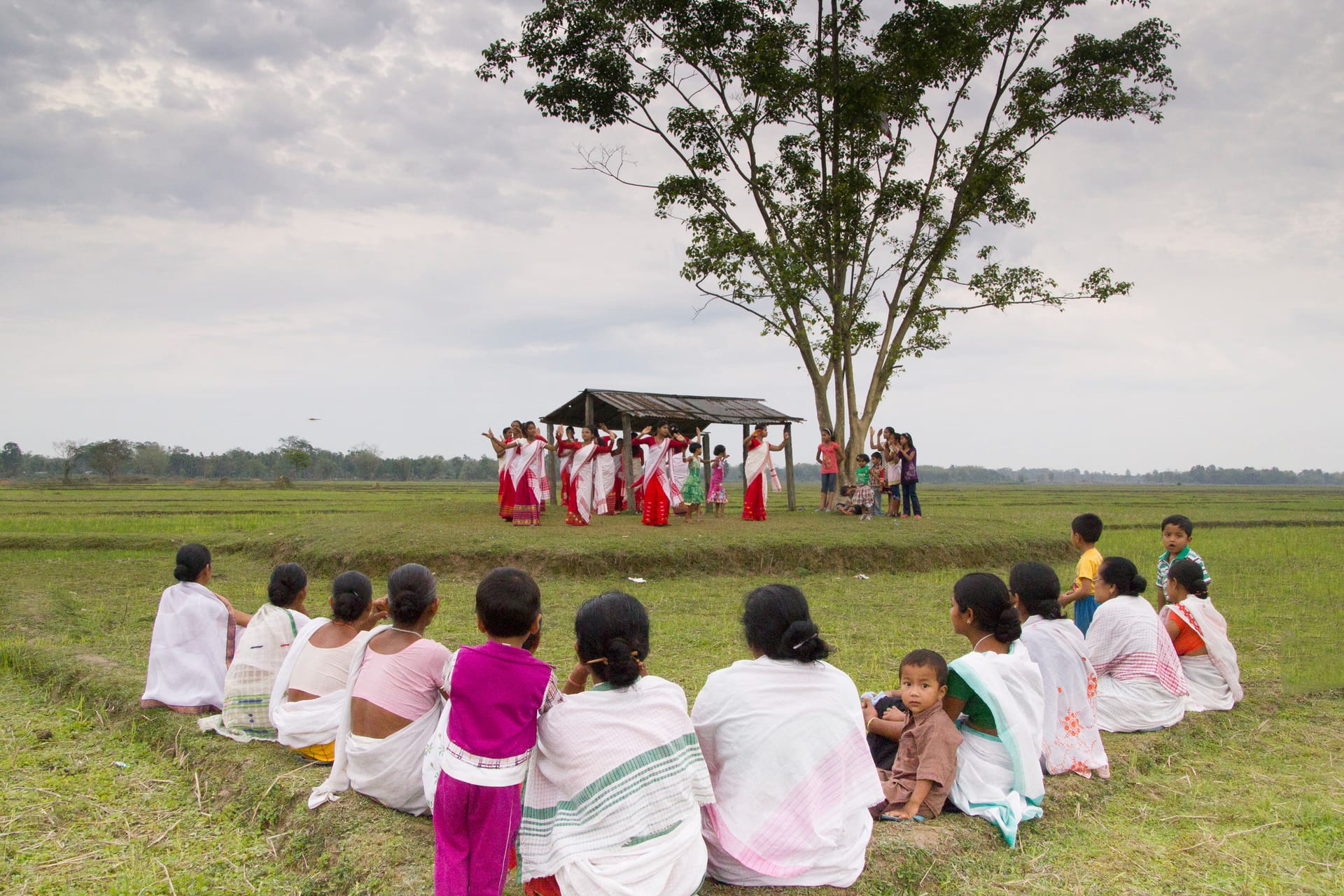
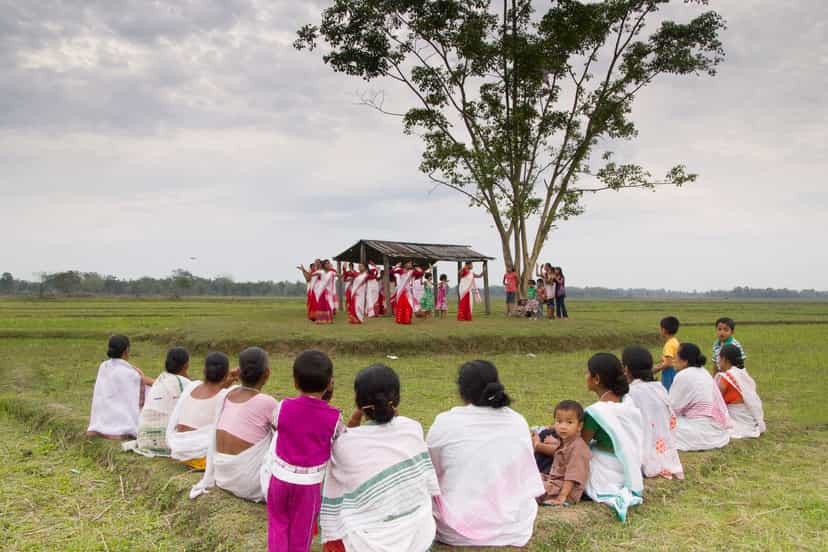
Nothing marks the Assamese year like Bihu. It is not one festival but three, each tied to a turn of the rice year. Rongali or Bohag Bihu comes in mid-April, the new year and the festival of spring and sowing, a week of feasting, of the husori singers moving house to house, and of the fast, flirtatious Bihu dance. Kati Bihu falls in the lean month of October, an austere lamp-lit festival of the half-grown crop. Magh or Bhogali Bihu comes in mid-January when the harvest is in, the festival of plenty and the night-long feast. Between them the three Bihus carry the whole cycle of want and abundance by which a farming people lives. They are an agrarian festival, not a religious one, older than the faiths later layered over the valley, and Assamese-speakers of every community keep them, Hindu and Muslim alike. Bihu therefore belongs to the wider Assamese year as much as to the caste-Hindu mainstream of this page.
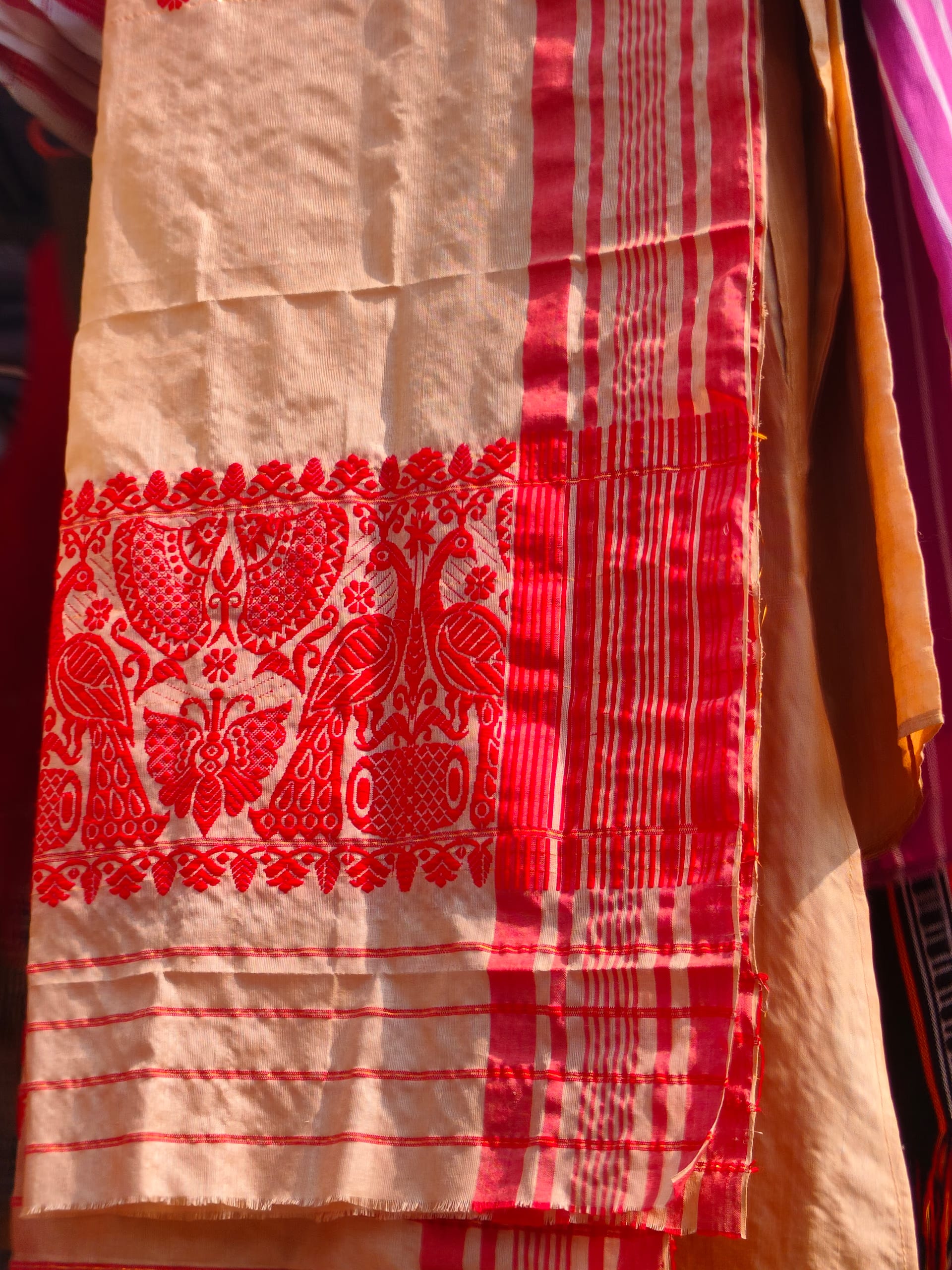
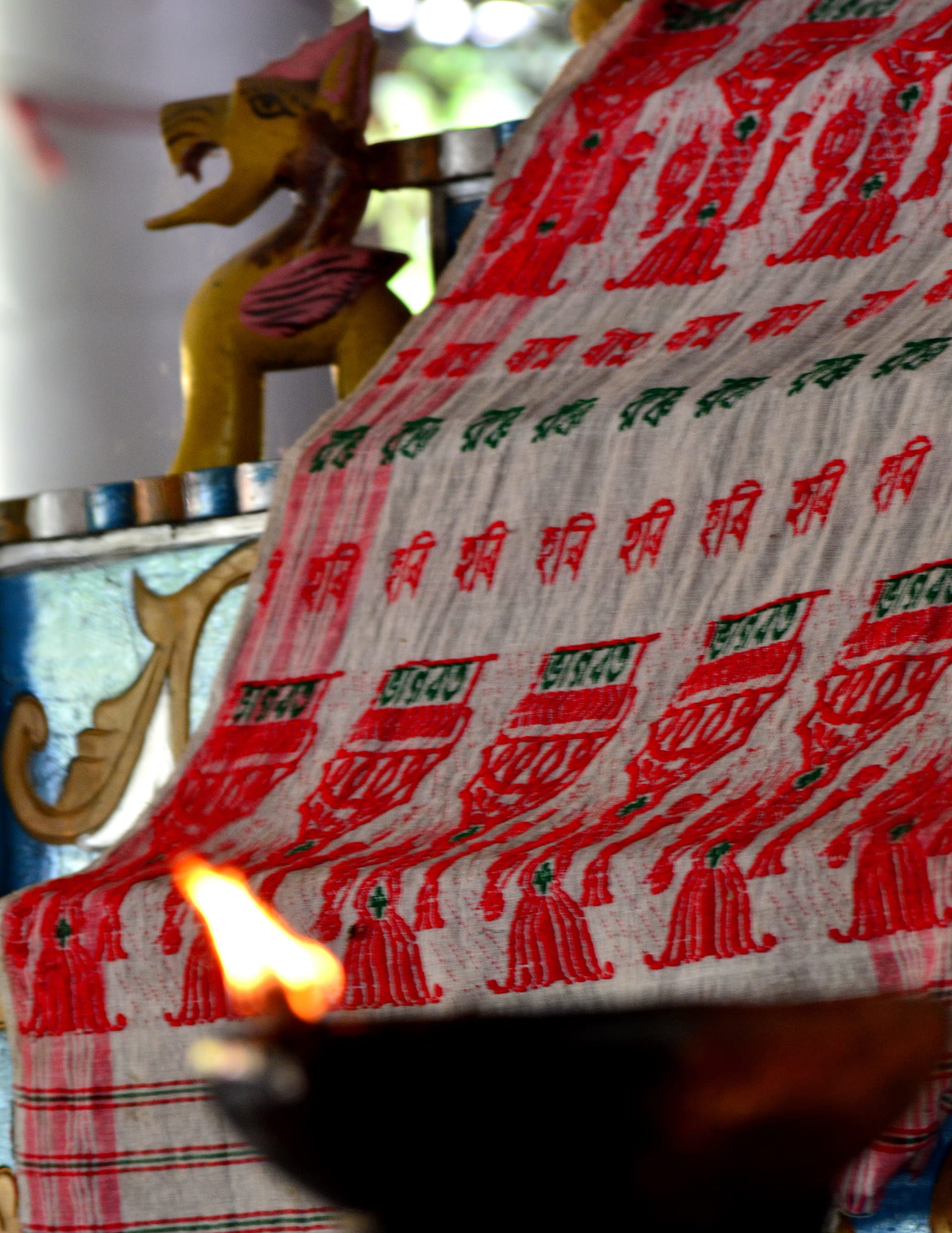
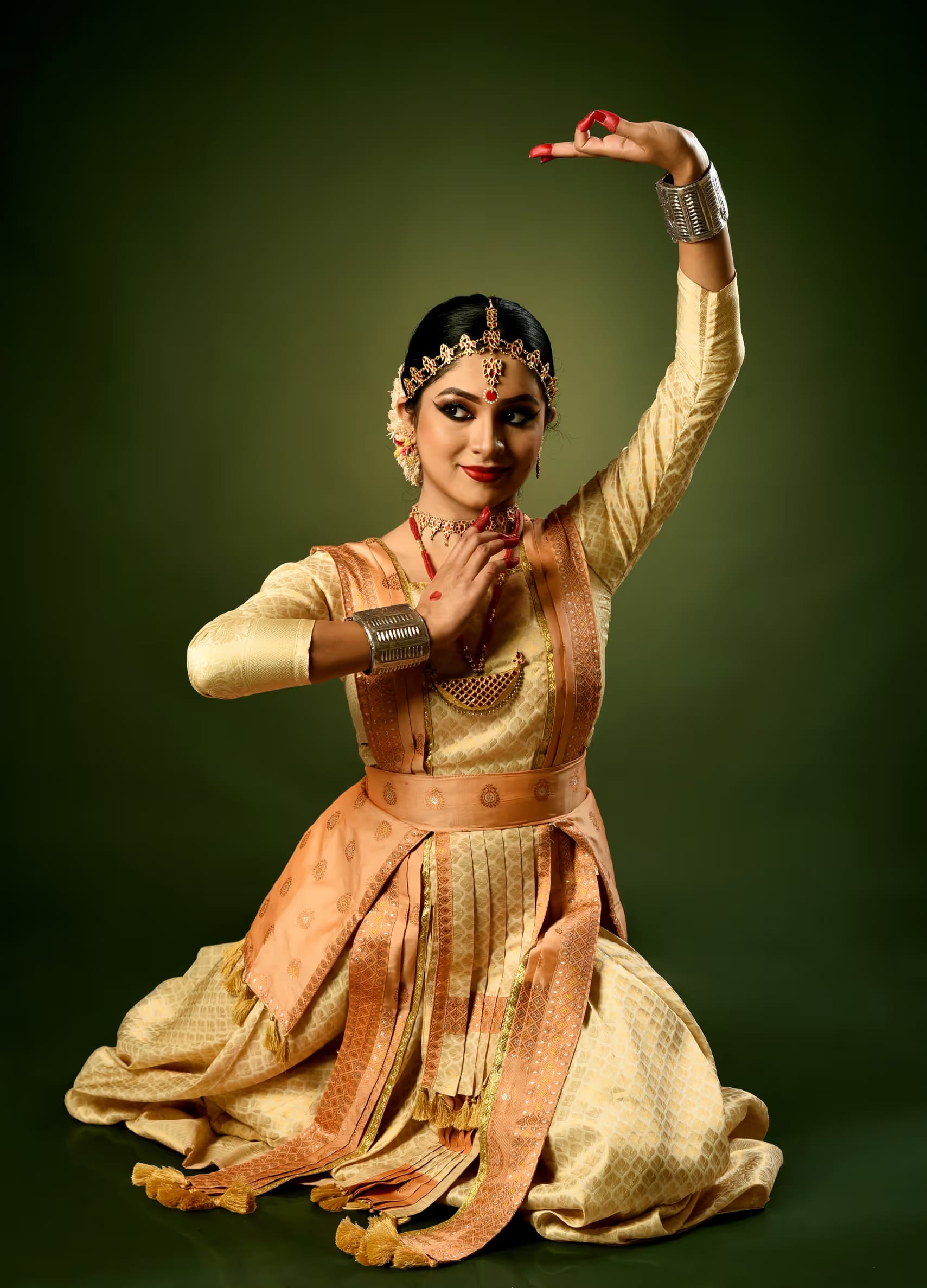
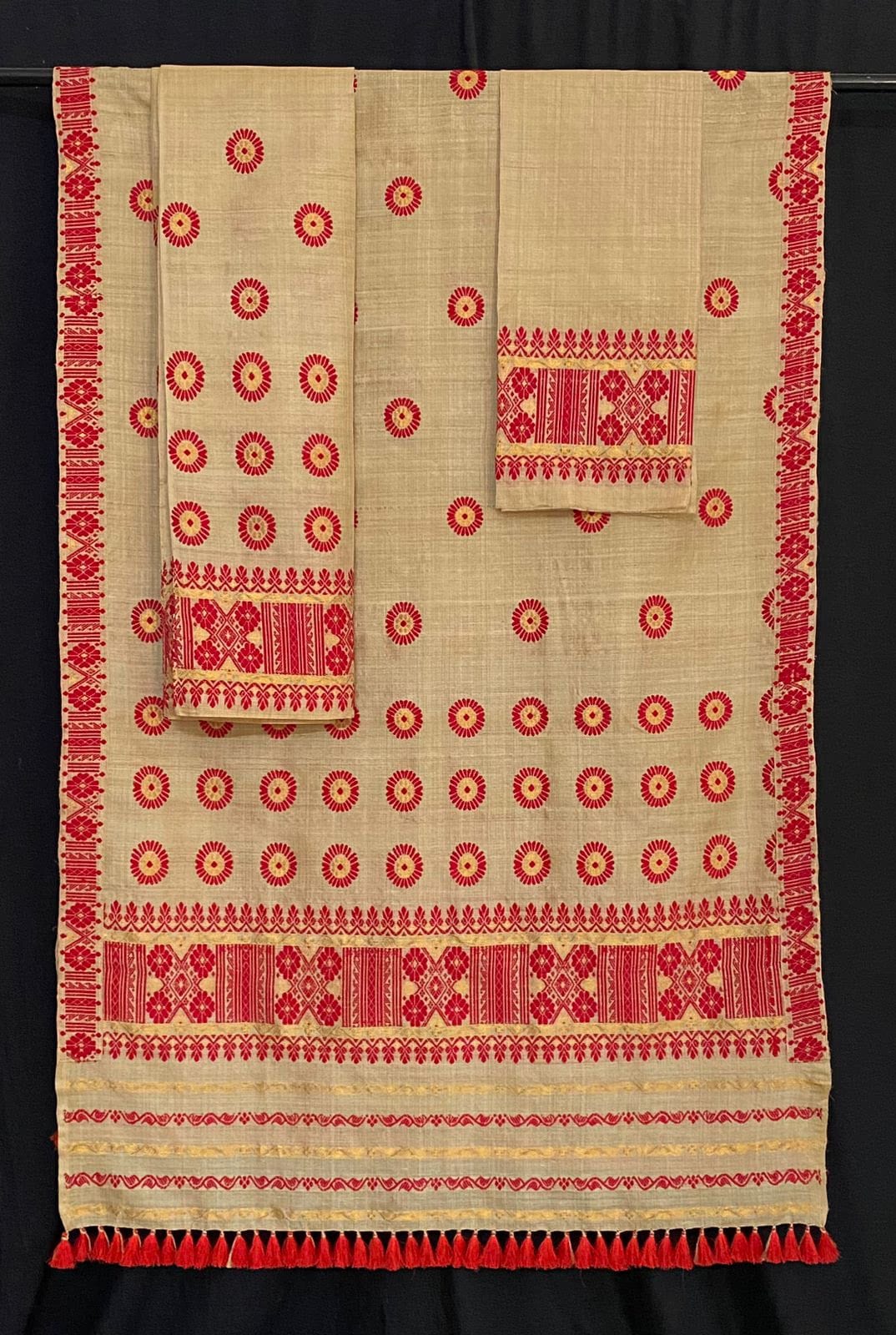
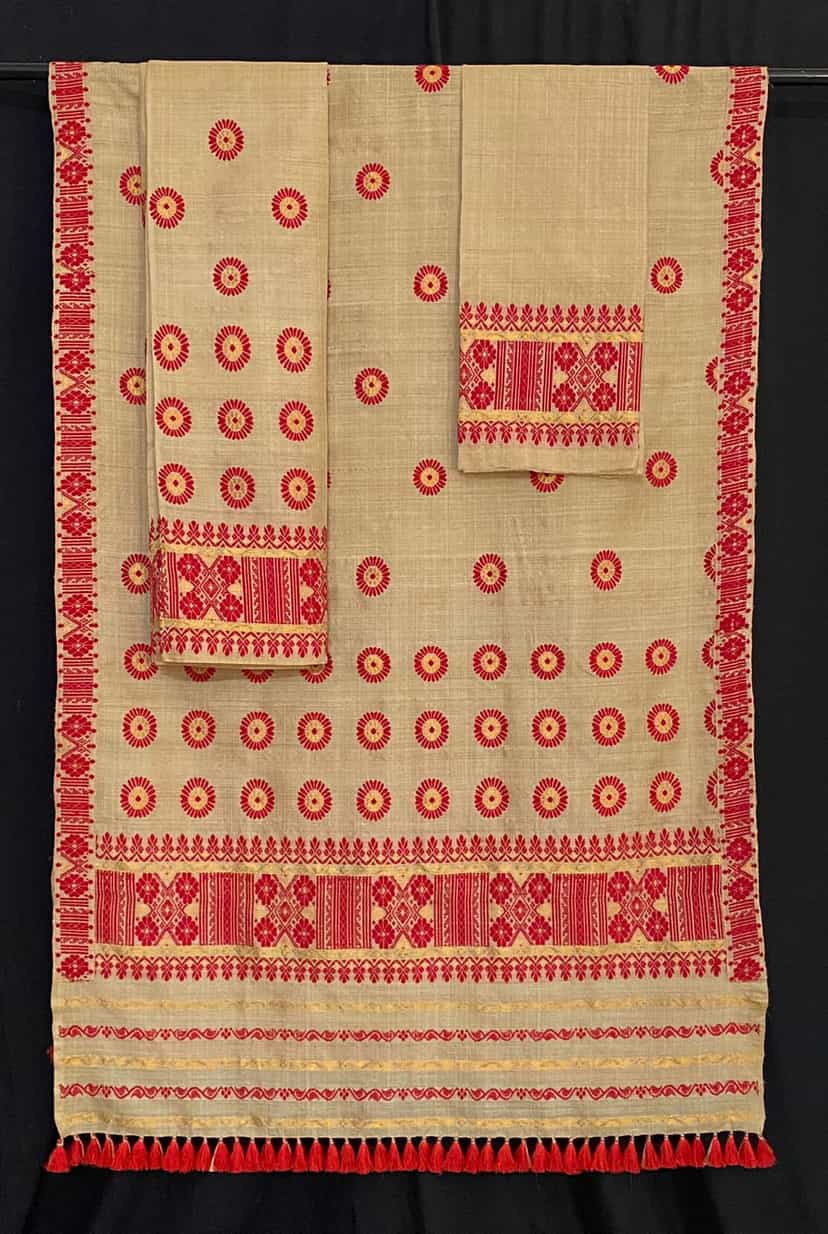
The everyday culture of the Asamiya is worn and eaten in forms the wider valley also recognises. The woman’s dress is the mekhela chador, the two-piece drape kept for weddings, Bihu and every occasion of honour. It is woven in cotton or in the valley’s own silks, which Assam raises at home: the golden muga found almost nowhere else on earth, the creamy pat and the warm everyday eri. With the mekhela go the gold ornaments of the valley, worn above all at weddings and at Bihu. The broad gam-kharu and muthi-kharu clasp the wrists, and at the throat and breast hang the old pendant necklaces of Assam, the crescent-moon jonbiri, the twin-pigeon loka-paro, the choker gal-pata and the dugdugi. The single most recognised token of Assamese life is the gamosa, the white cloth with a red woven border, given in welcome, worn at Bihu and hung in the prayer house. Beside it stand the japi, the conical bamboo-and-cane hat, and the xorai, the pedestalled brass offering tray of the bell-metal craft. The xorai carries betel and honour into every welcome and every rite, and nearly every Assamese household keeps one. Together these are the emblems by which Assam is known.

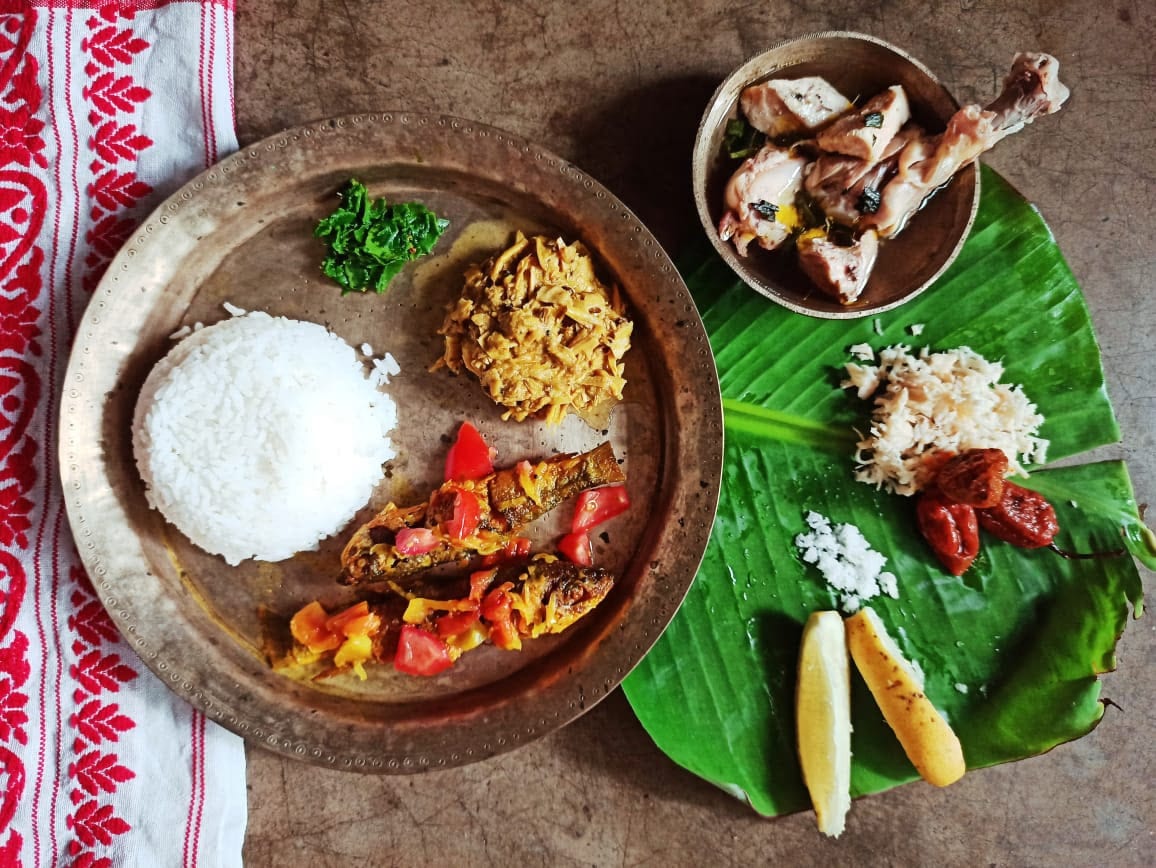
The table is its own signature, built on rice and river fish. The alkaline khar and the sour tenga open and close a proper meal, and the rice-cakes and sweets, the pitha, belong to the festival mornings.

Beneath all of it runs the river. The Brahmaputra feeds the Asamiya and has periodically unmade them, and the shifting of its channels and the drowning of its banks are woven through the whole of their history. It is the fitting image of the people themselves, a stream that gathers many waters and never stands still. The valley’s own myth makes the river a living god, born the son of Brahma.

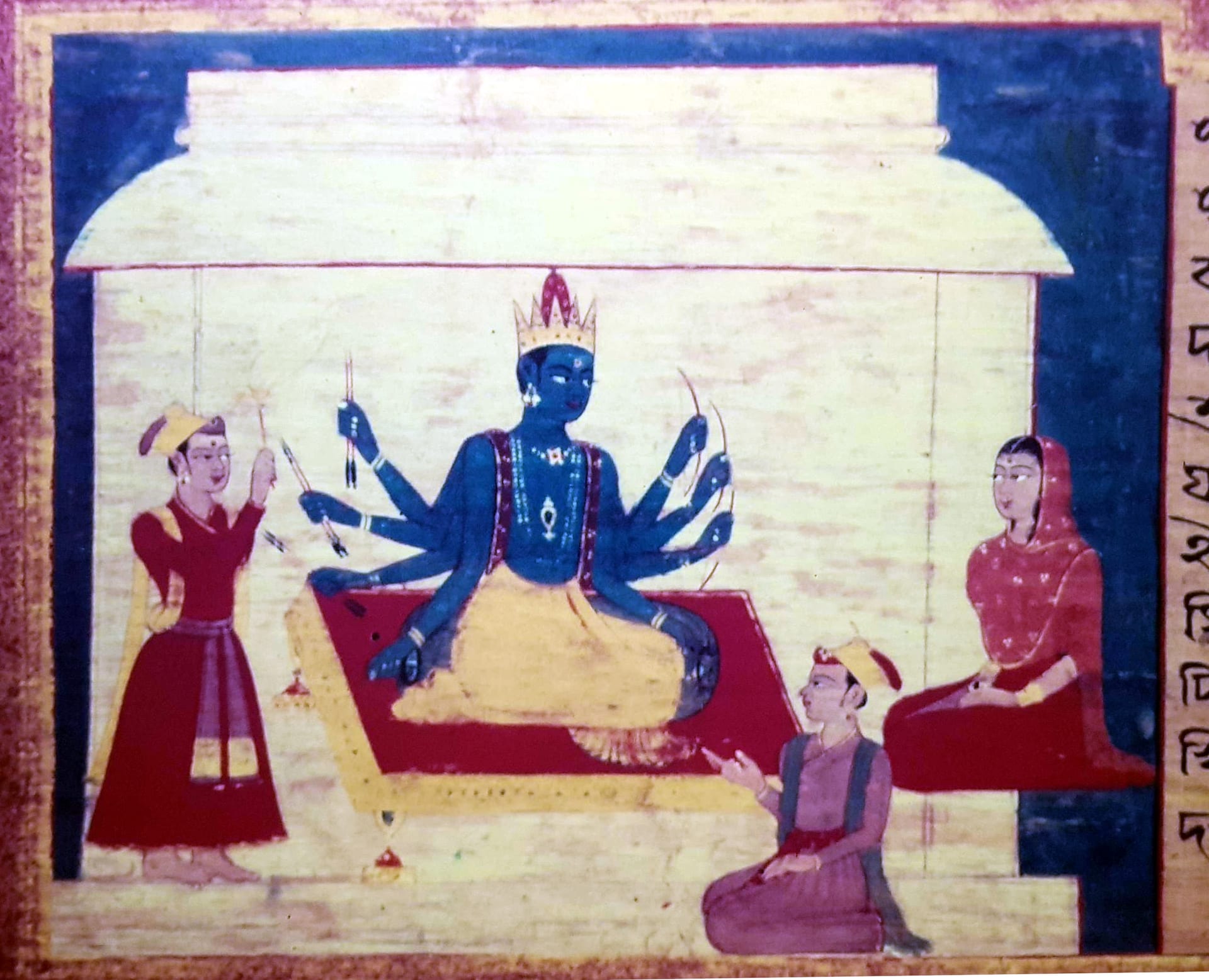
The Son of Brahma
India's great rivers are goddesses. The Brahmaputra alone is a son, born of the creator in a sage's hermitage and released to the plains by an axe that had killed a mother.
A people still being made
By the language census of 2011 a little over fifteen million people gave Assamese as their mother tongue, close to half the population of the state and a clear majority within the Brahmaputra valley itself. That figure measures the language, not the narrow Asamiya community alone. The relationship between the two senses of Assamese, the caste-Hindu mainstream of this page and the wider civic identity, is one of the central questions of modern Assam. It ran through the Assam Movement of 1979 to 1985, the long agitation against unchecked migration, and it has not been settled since. Who counts as Assamese, and on what terms, is argued over still, in the language of indigeneity, of the khilonjia or son of the soil, and of the anxious arithmetic of who belongs. The answer is not finally clear. The Asamiya are, in the end, a people still being made.