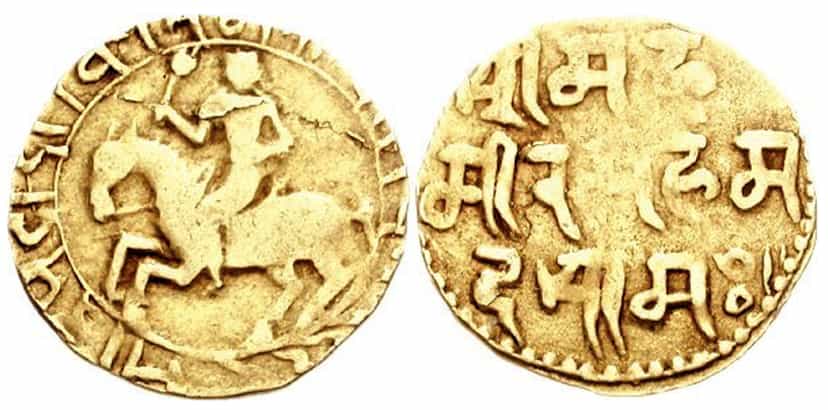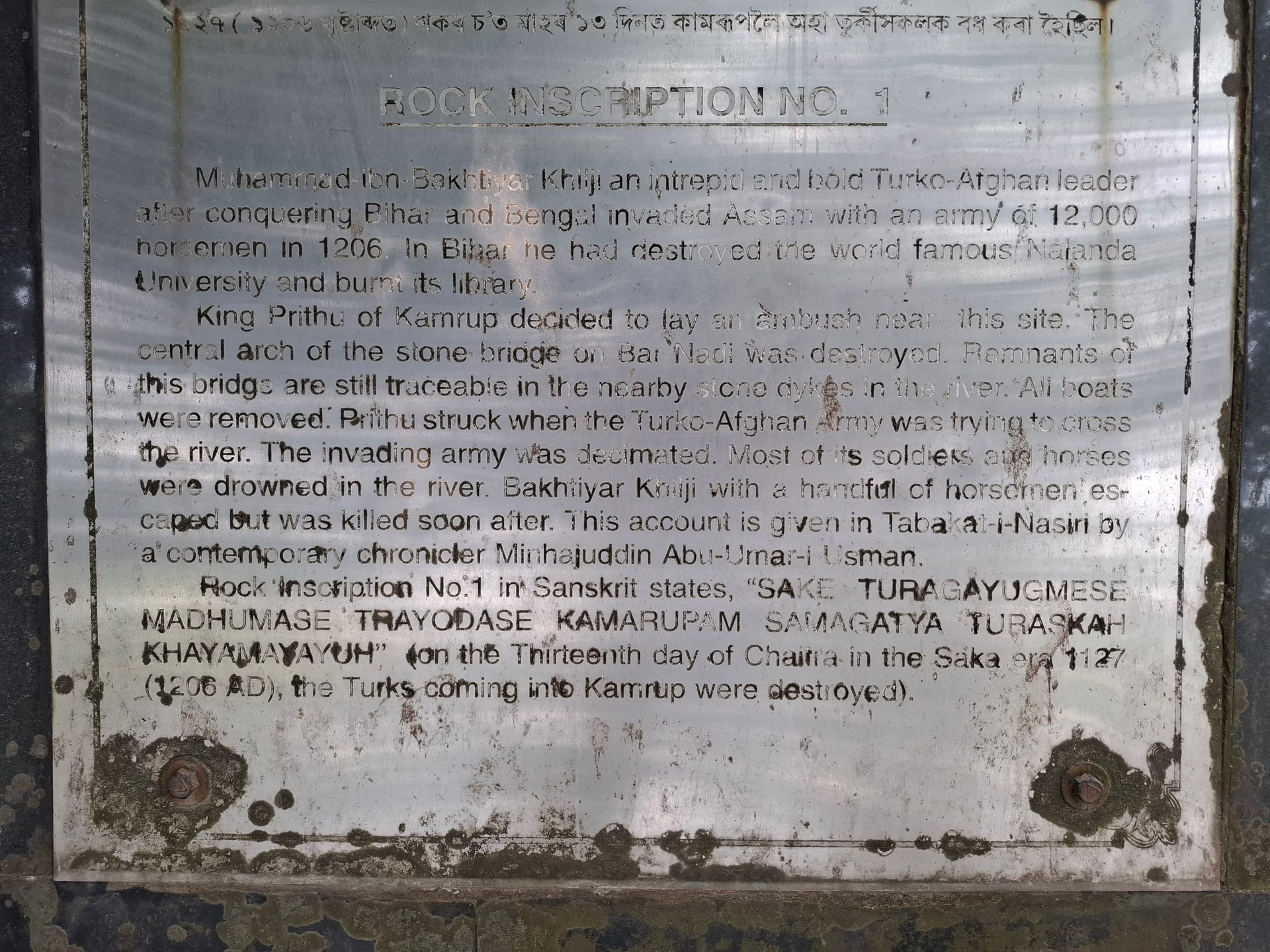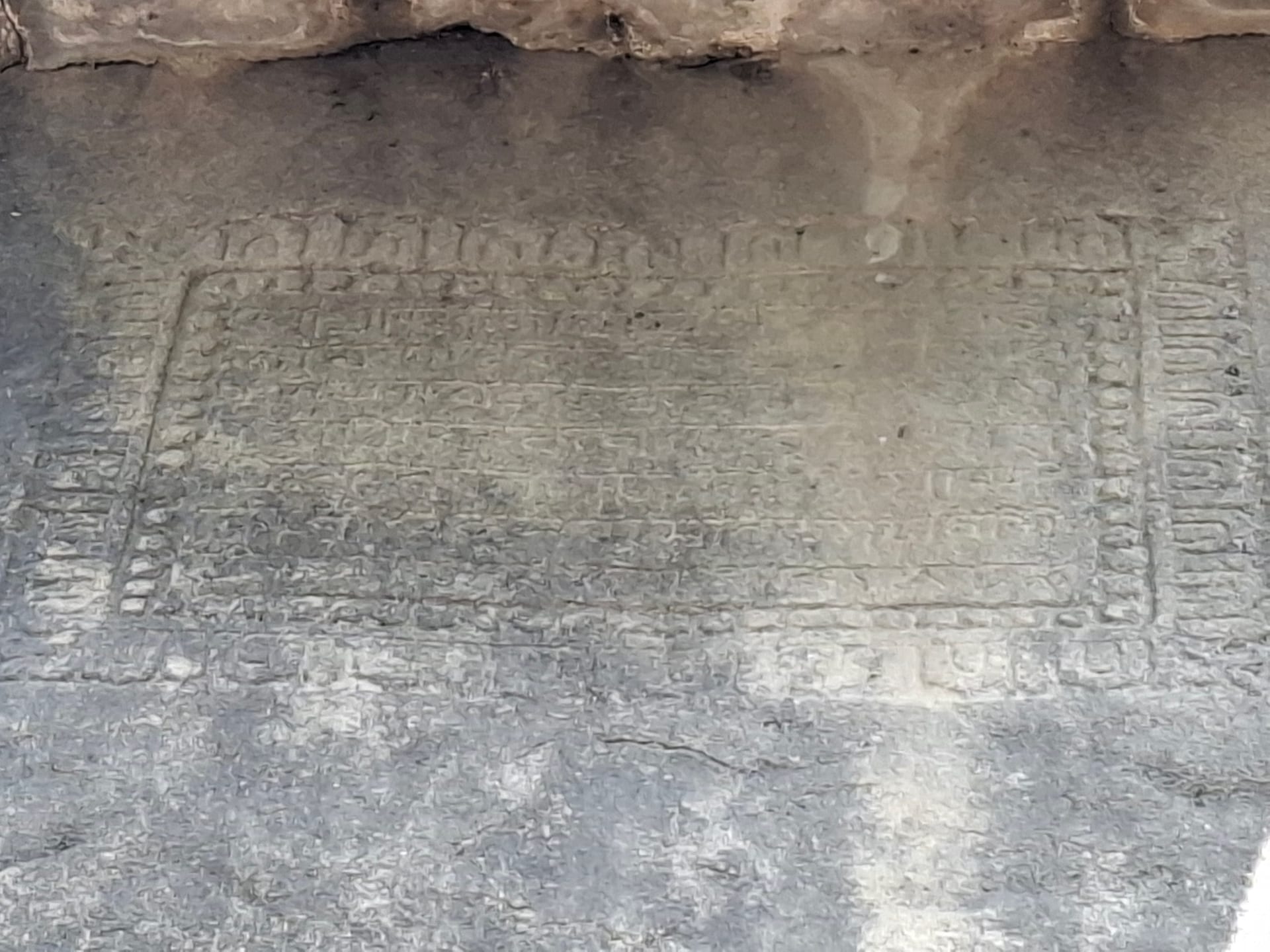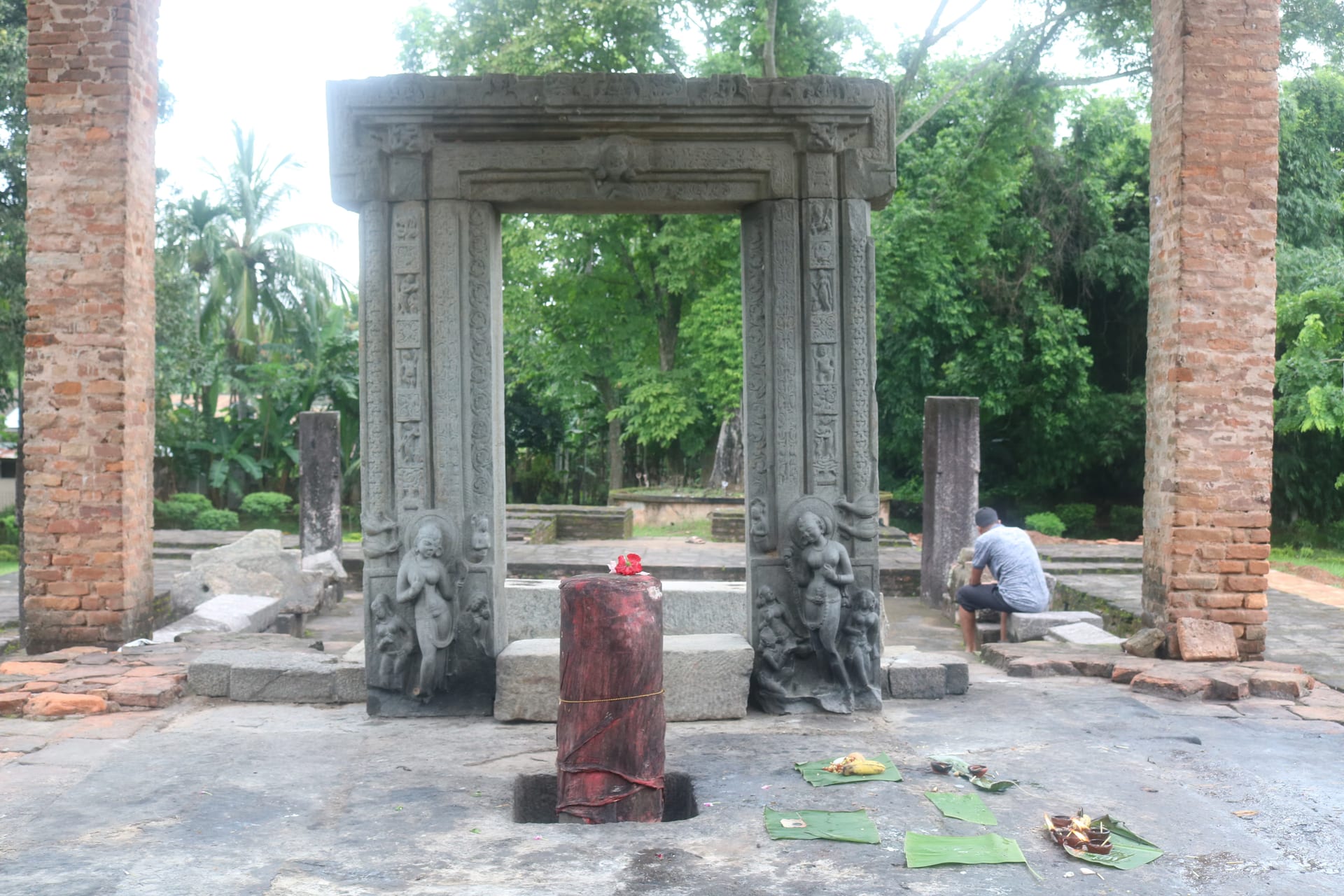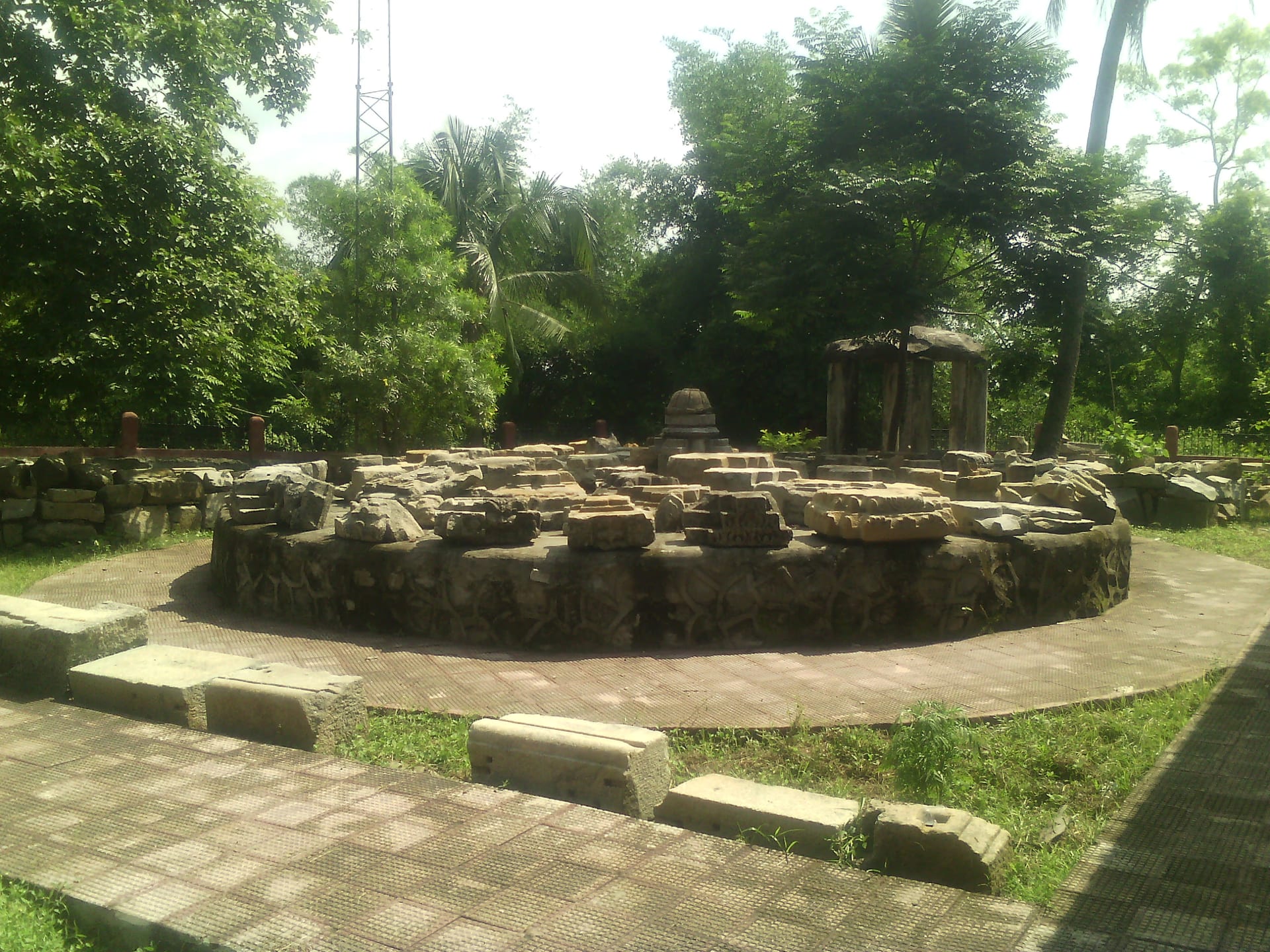
Kamarupa was the first great kingdom of the Brahmaputra valley. It held the valley for nearly eight centuries, from about 350 to 1140, and at its height its writ ran from the Karatoya river in the west to Sadiya in the east, reaching at times into North Bengal and Sylhet. No later power before the Ahoms matched that reach. Before it was history, though, it was myth, and the two were never wholly separated. Every historical dynasty of Kamarupa traced itself back to the same legendary king, so the kingdom always told its origin and its history as one story. What follows sets out both the myth and the moment the record becomes historical.
Pragjyotisha, the place of eastern light
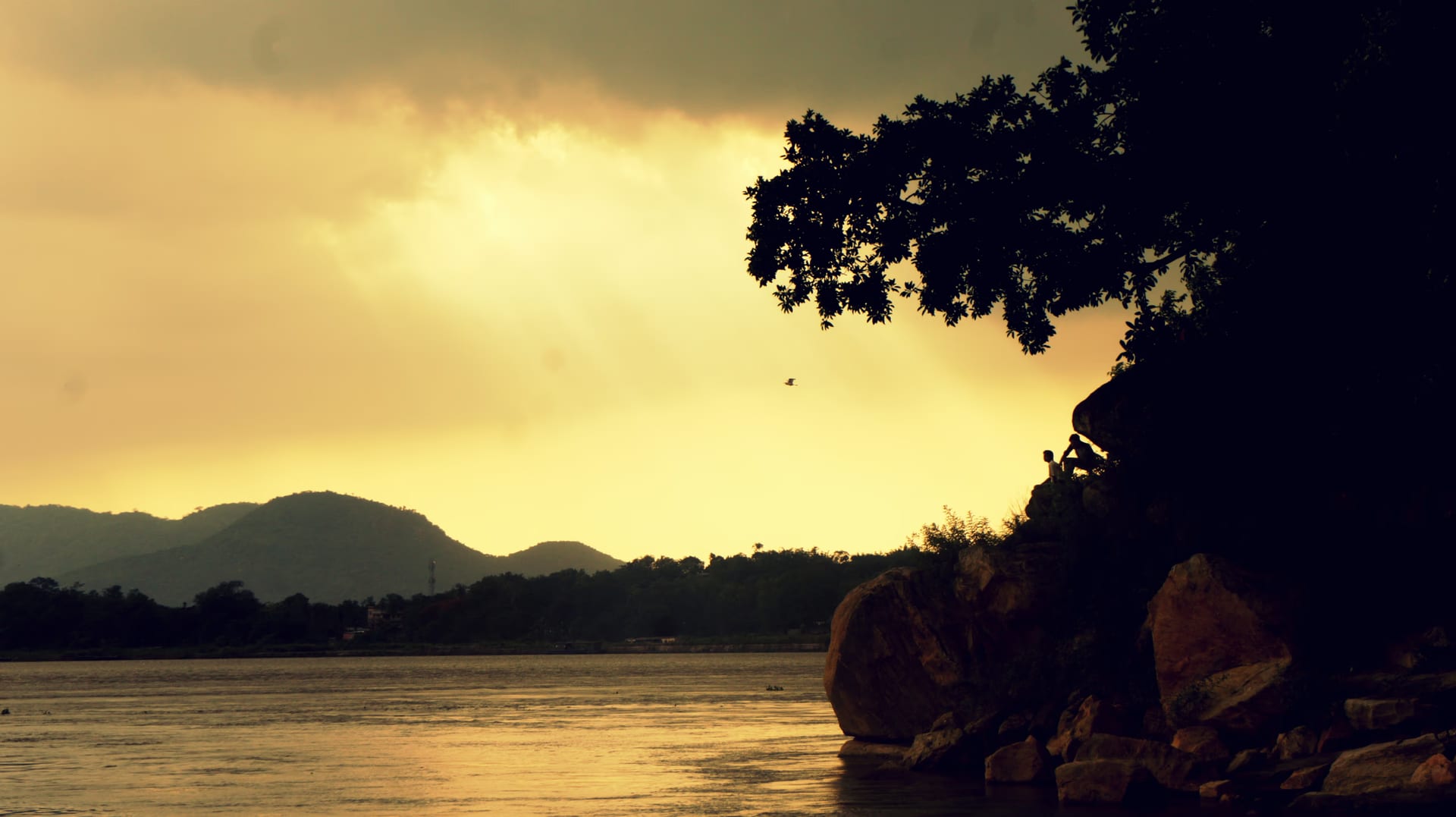
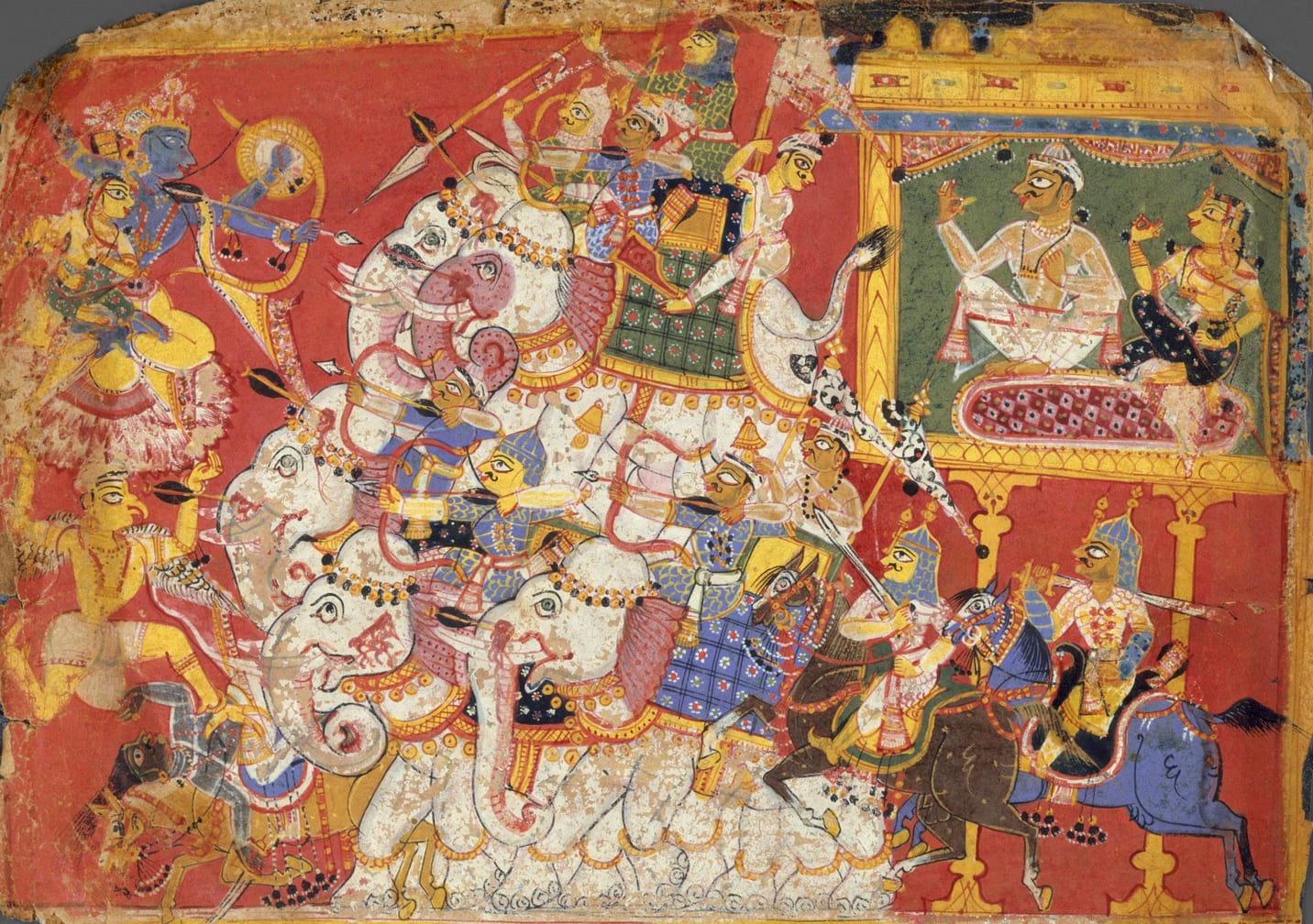
The land’s oldest name is Pragjyotisha, glossed by tradition as the place of eastern light. It is this name, not Kamarupa, that appears in the Mahabharata and the Puranas. In that epic tradition the king of Pragjyotisha is Bhagadatta, a great warrior who fights on the Kaurava side at Kurukshetra, and his father is Naraka, born of the Earth and slain, in the tradition the texts preserve, by Krishna. From Naraka every later line of the valley claimed descent. None of this is documented history, and it must be read as the charter myth it is. Yet it is the charter on which the kingdom’s self-understanding was built, and the link was made late and deliberately. Only in the seventh century did Bhaskaravarman formally tie the Kamarupa of the kings to the Pragjyotisha of the epics, tracing his own line to Bhagadatta and Naraka. The land would answer to three names across three ages, Pragjyotisha, then Kamarupa, then Asam (today's Assam), and the procession of those names is itself a way of telling the valley’s history.
The Three Names of the Land
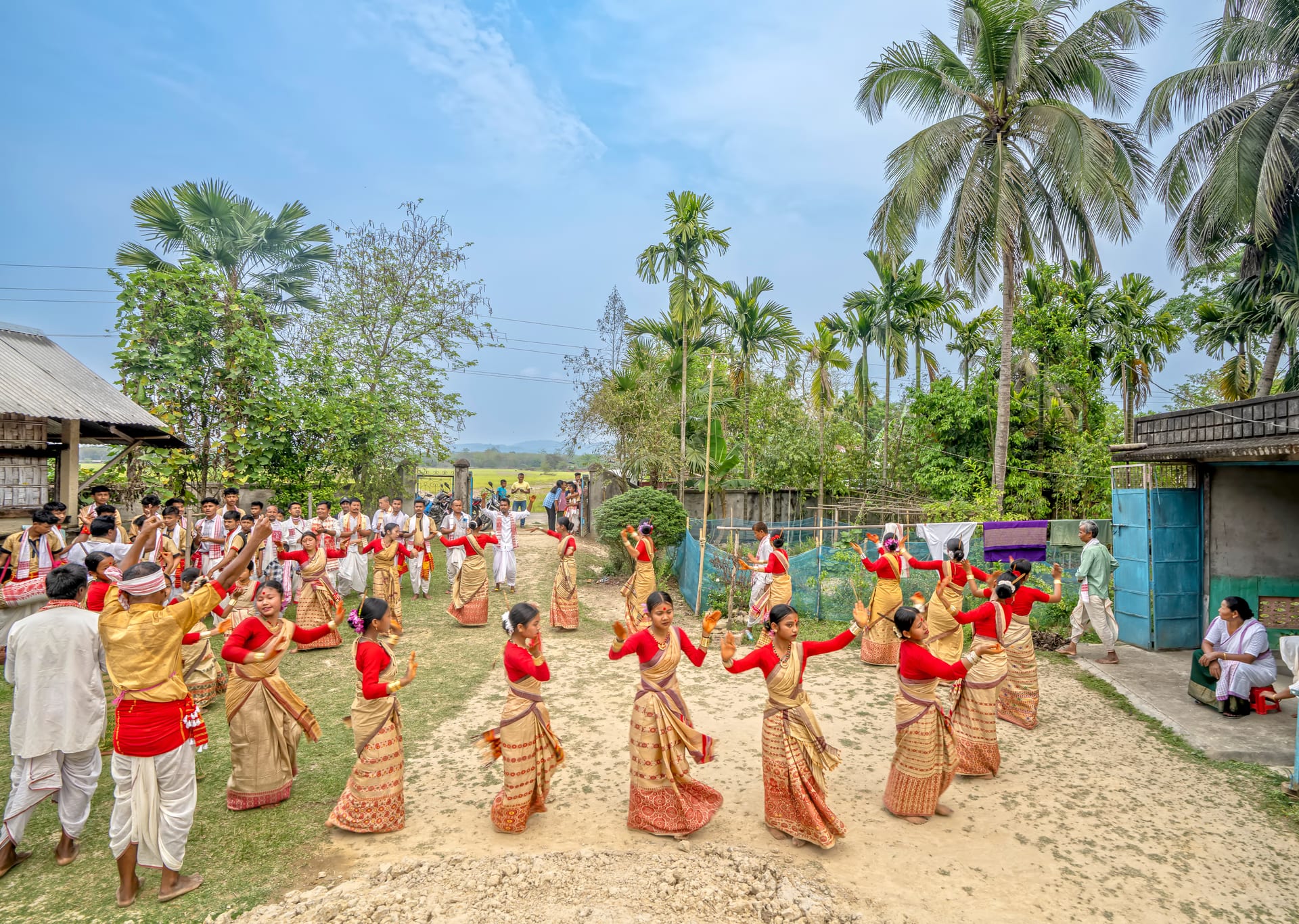
Pragjyotisha, Kamarupa, Asam. A valley that has worn three names across three ages, each with its own legend, from the place of eastern light to the name the whole country carries still.
The goddess at the root
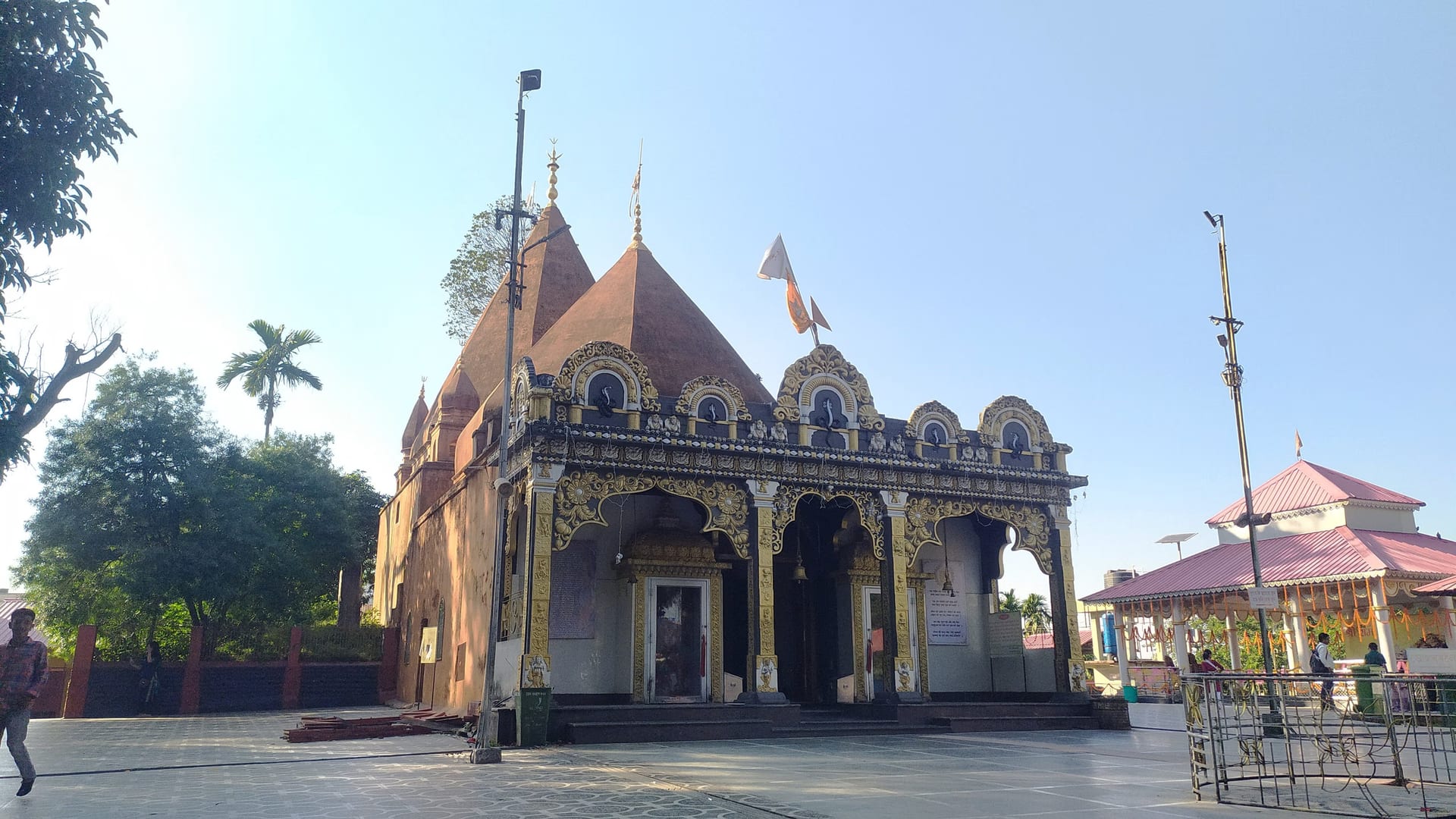
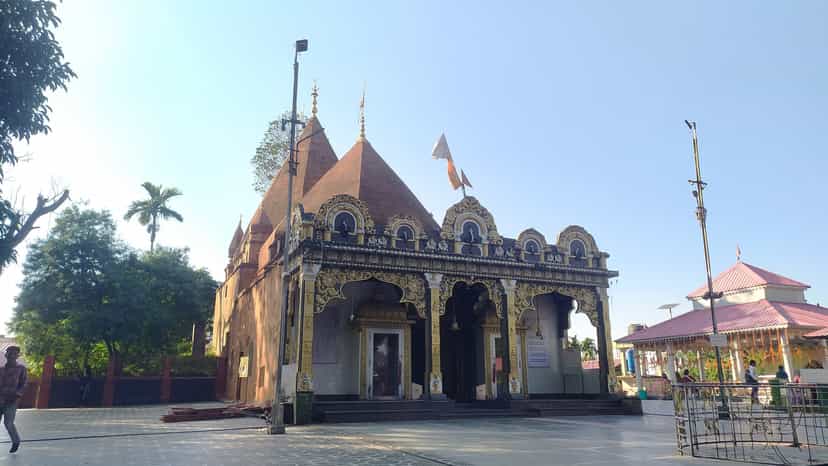
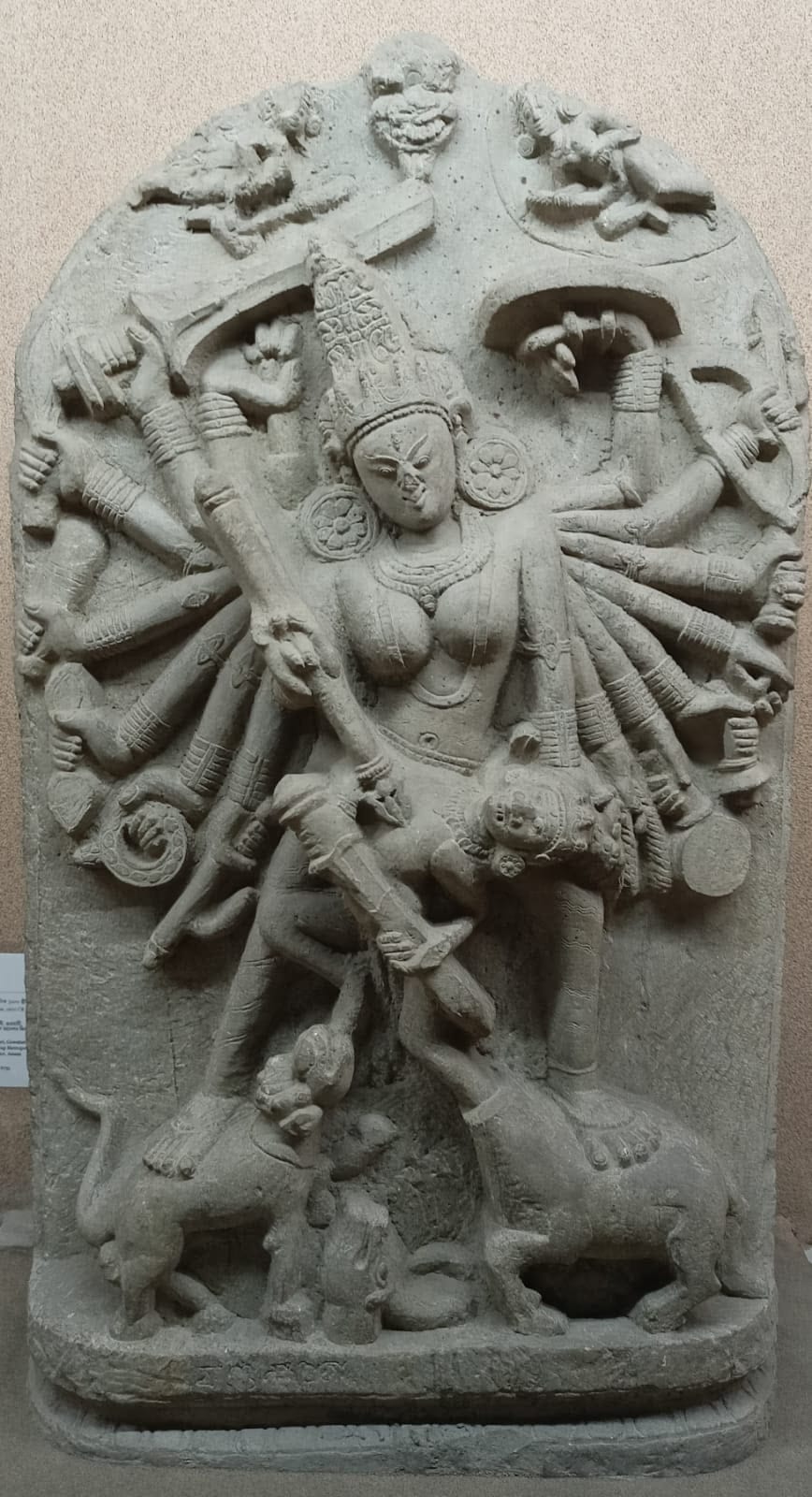
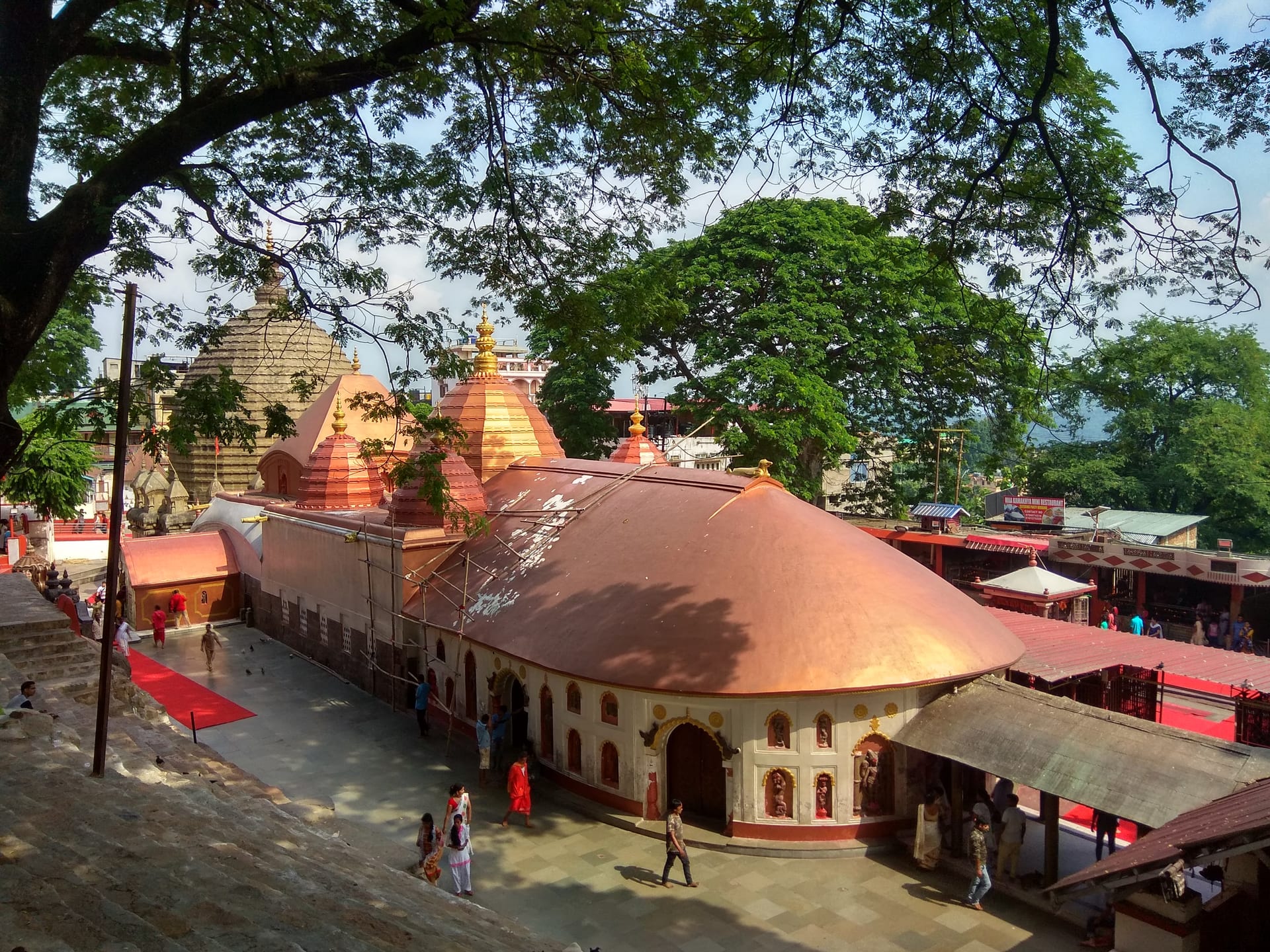
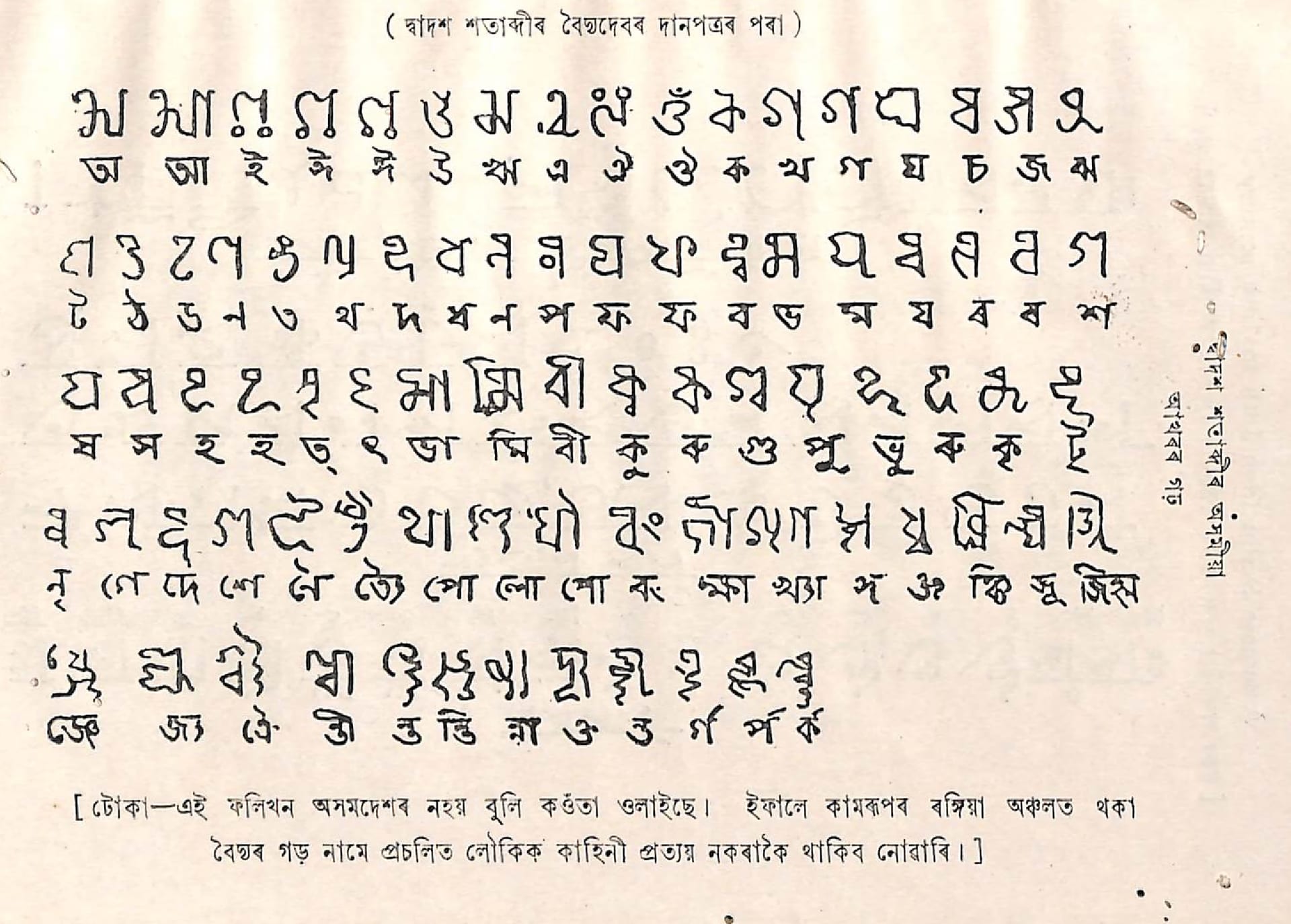
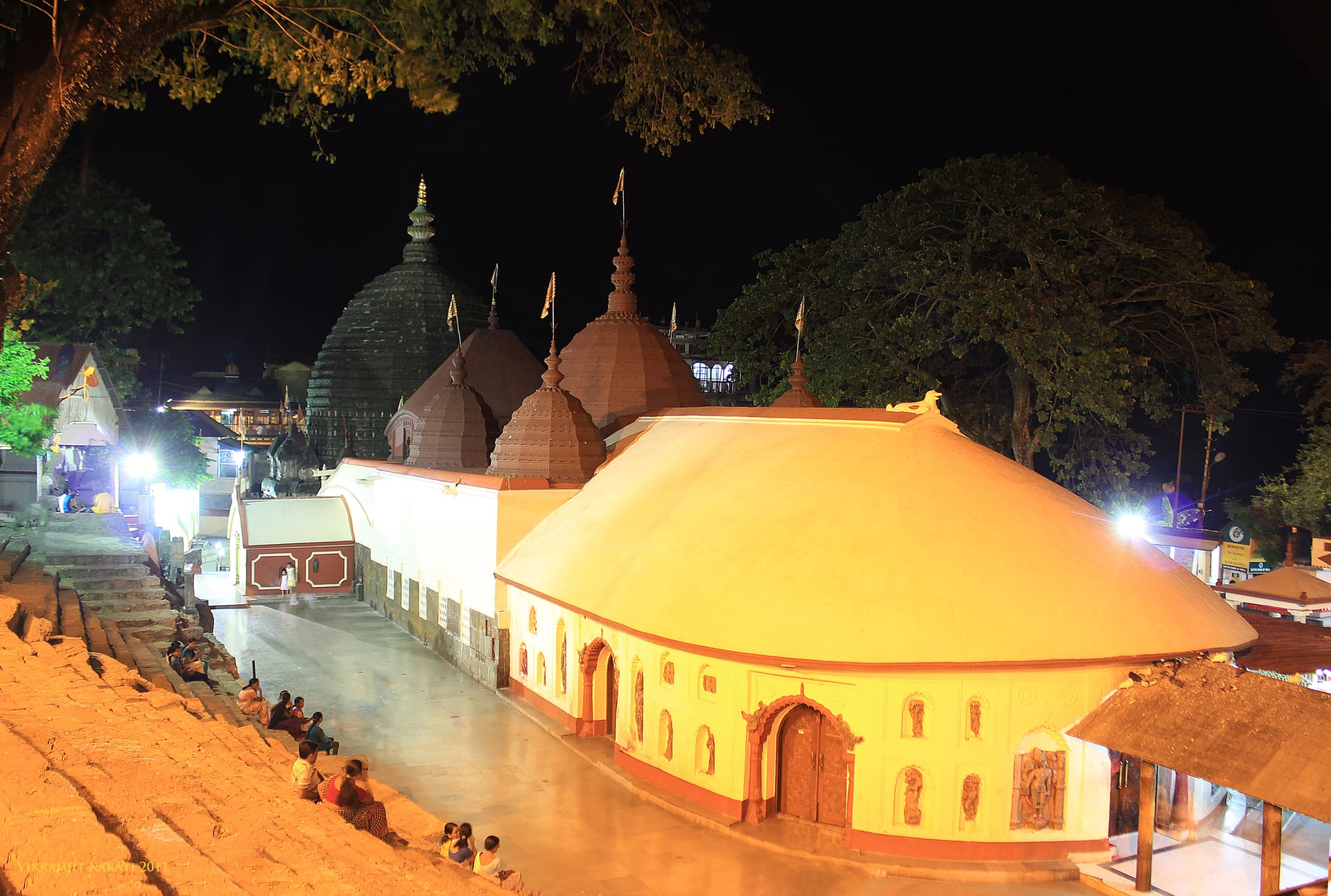
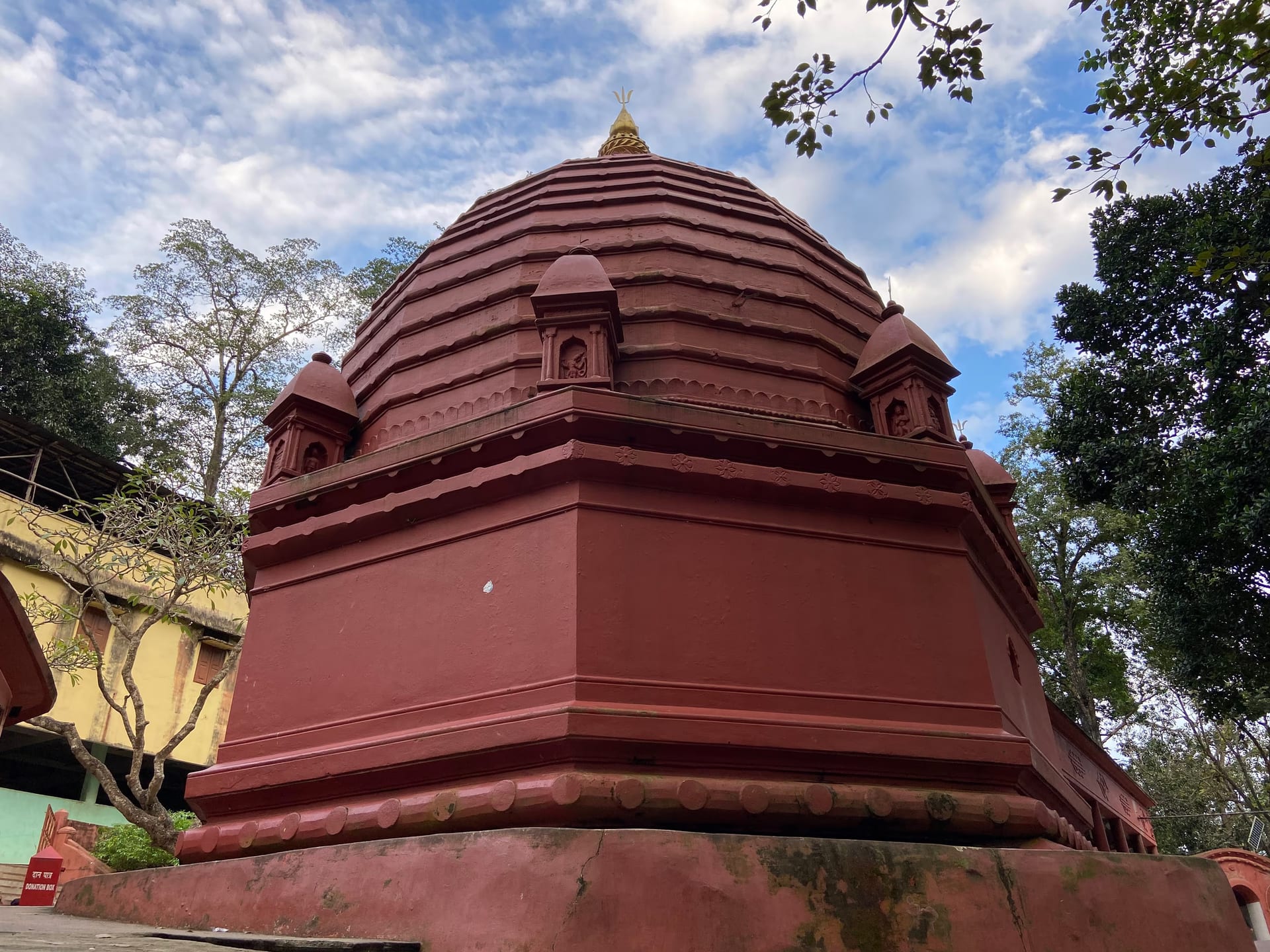
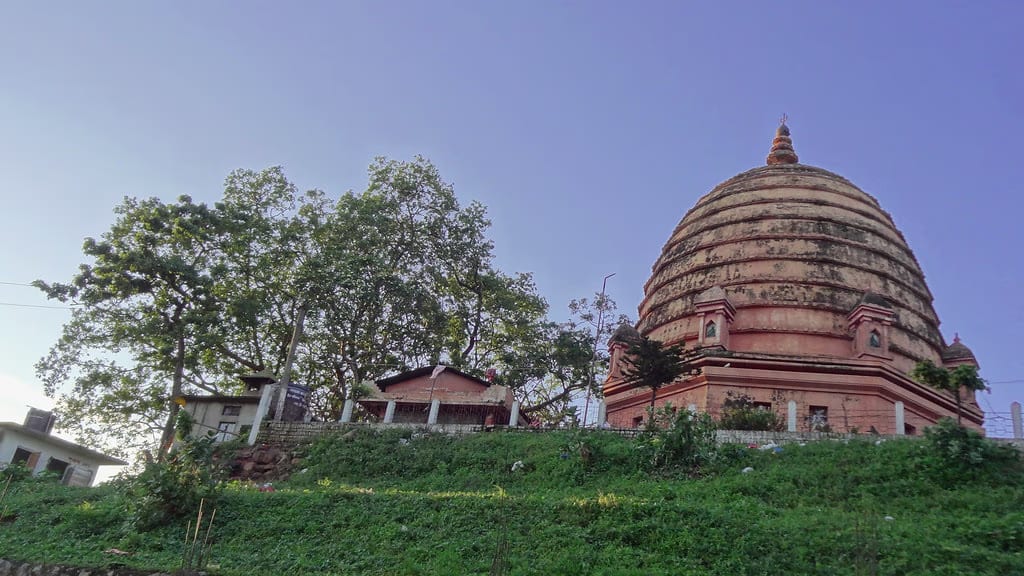
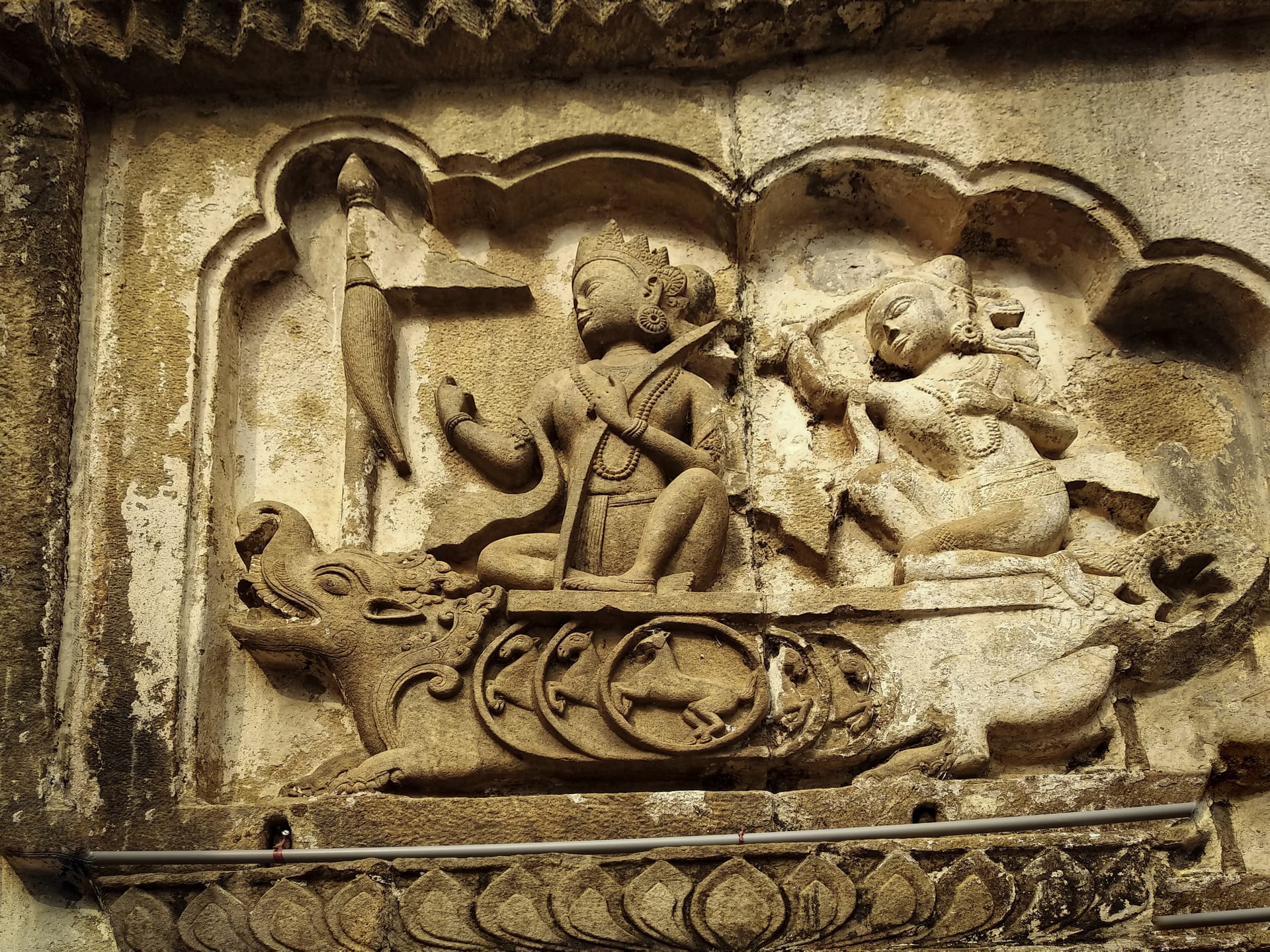
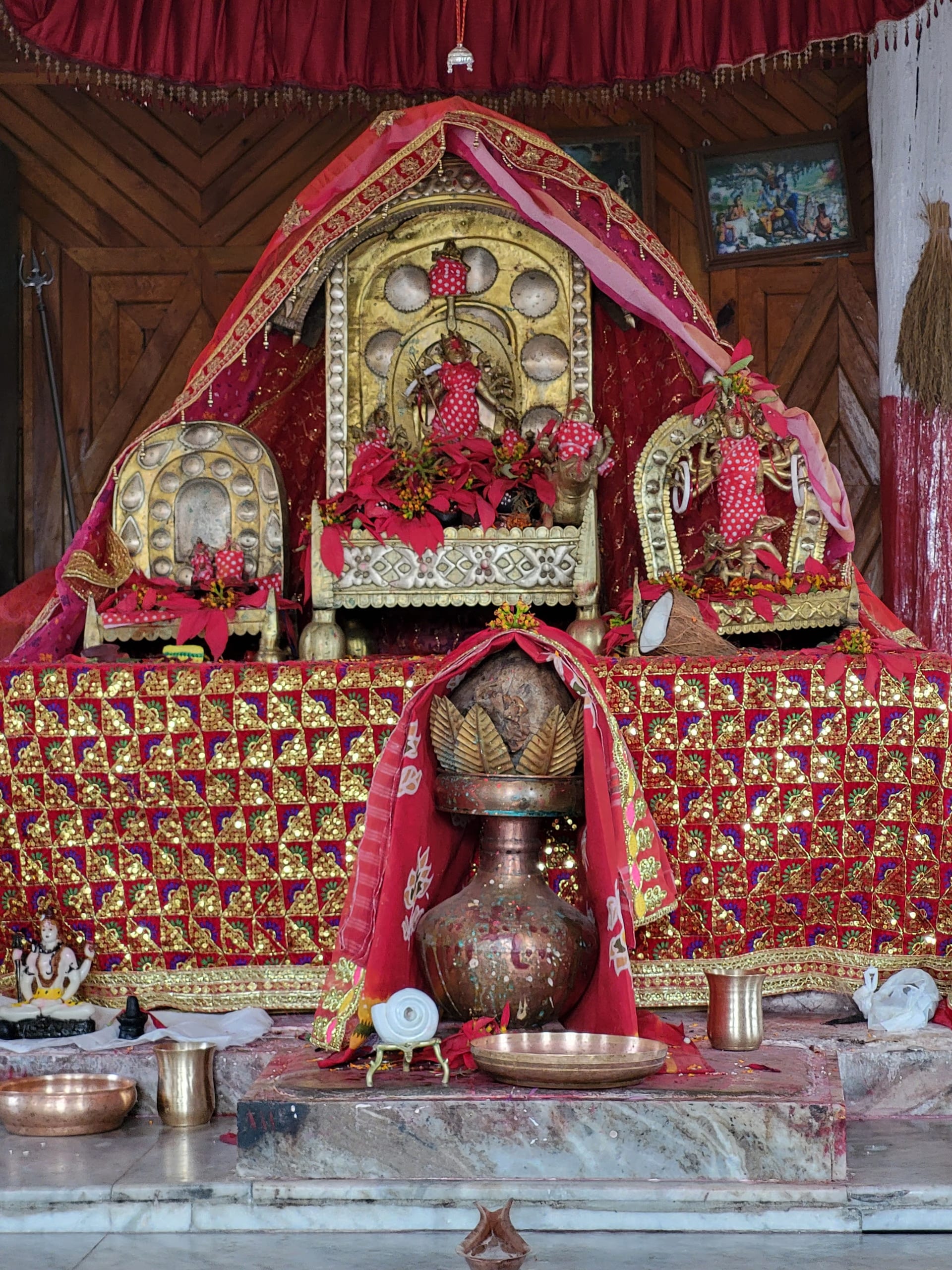
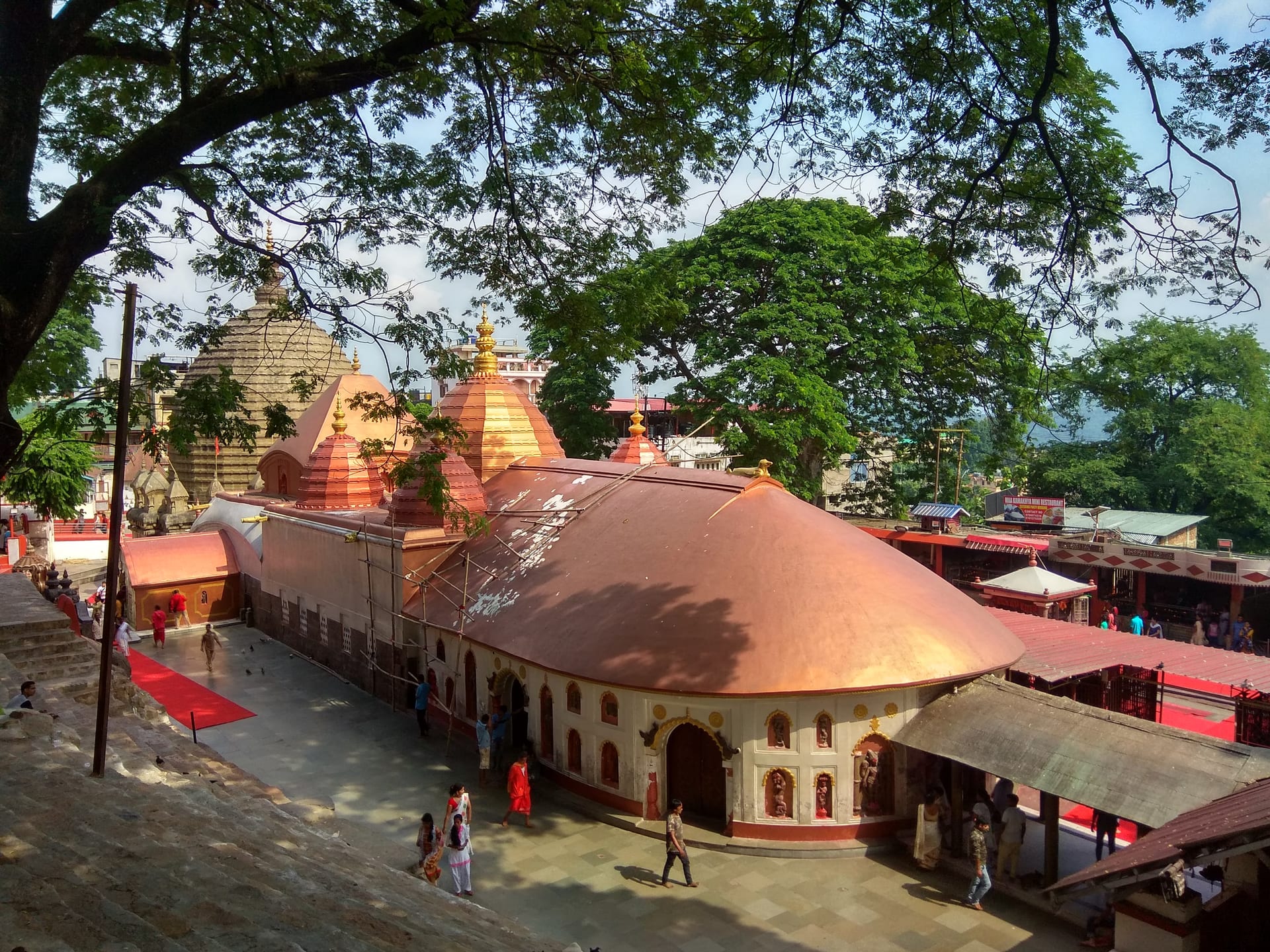
Bound into the founding myth is the cult of the goddess. The hill of Kamakhya stands on the Nilachal above the Brahmaputra, and it was the seat of a Sakta goddess-worship older than any dynasty. The later Sanskrit texts of the valley, the Kalika Purana and the Yogini Tantra, fixed that worship in writing and tied it to the land’s kings. The very name Kamarupa, the form of desire, belongs to this Sakta and Tantric world. The valley kept a legend of how it came about. After the death of Sati, Shiva sank into a penance so deep it frightened the gods. They sent Kamadev, the god of desire, to break it, and Shiva’s wrath burned Kamadev to ash. Only when Kamadev’s widow Rati pleaded did the god relent. He granted that desire be reborn in this very land, and there recover his lost form, his rupa. From kama and rupa, the place where desire got its form back, the land took its name. Myth, goddess and kingship were a single knot at the root of the state, and that knot is examined in the chapter on Religion and Script.
Naraka, King of Pragjyotisha
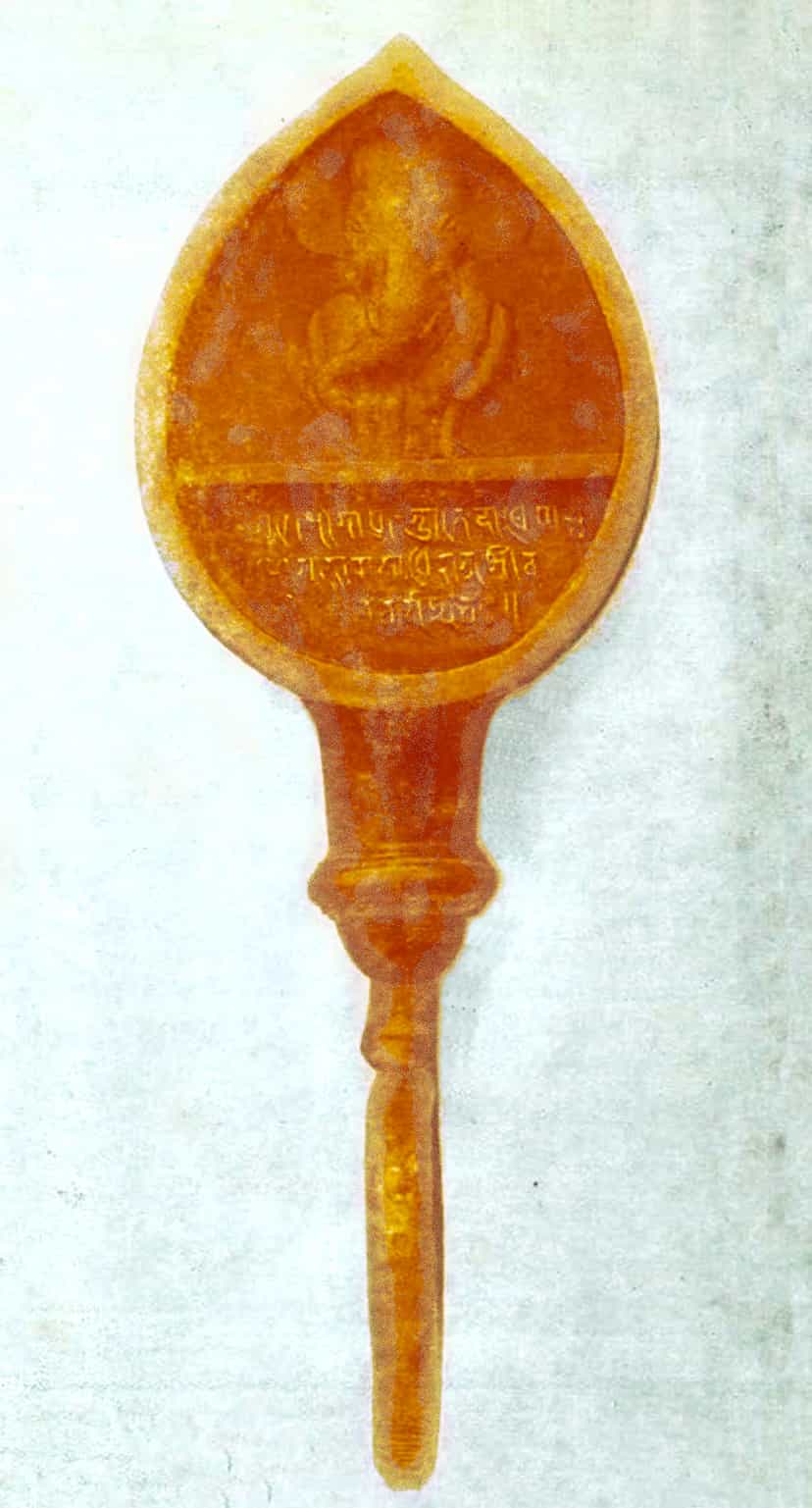
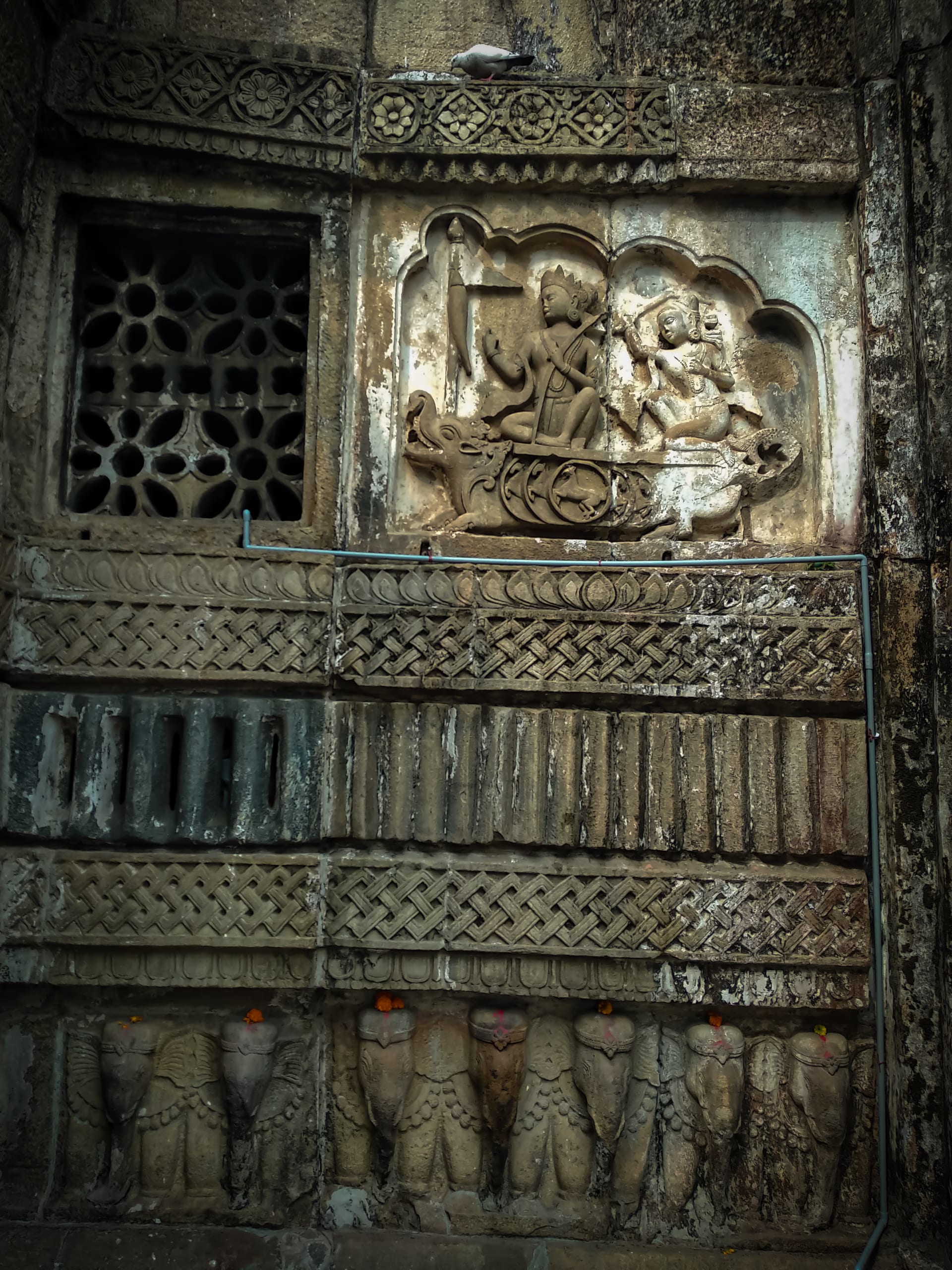
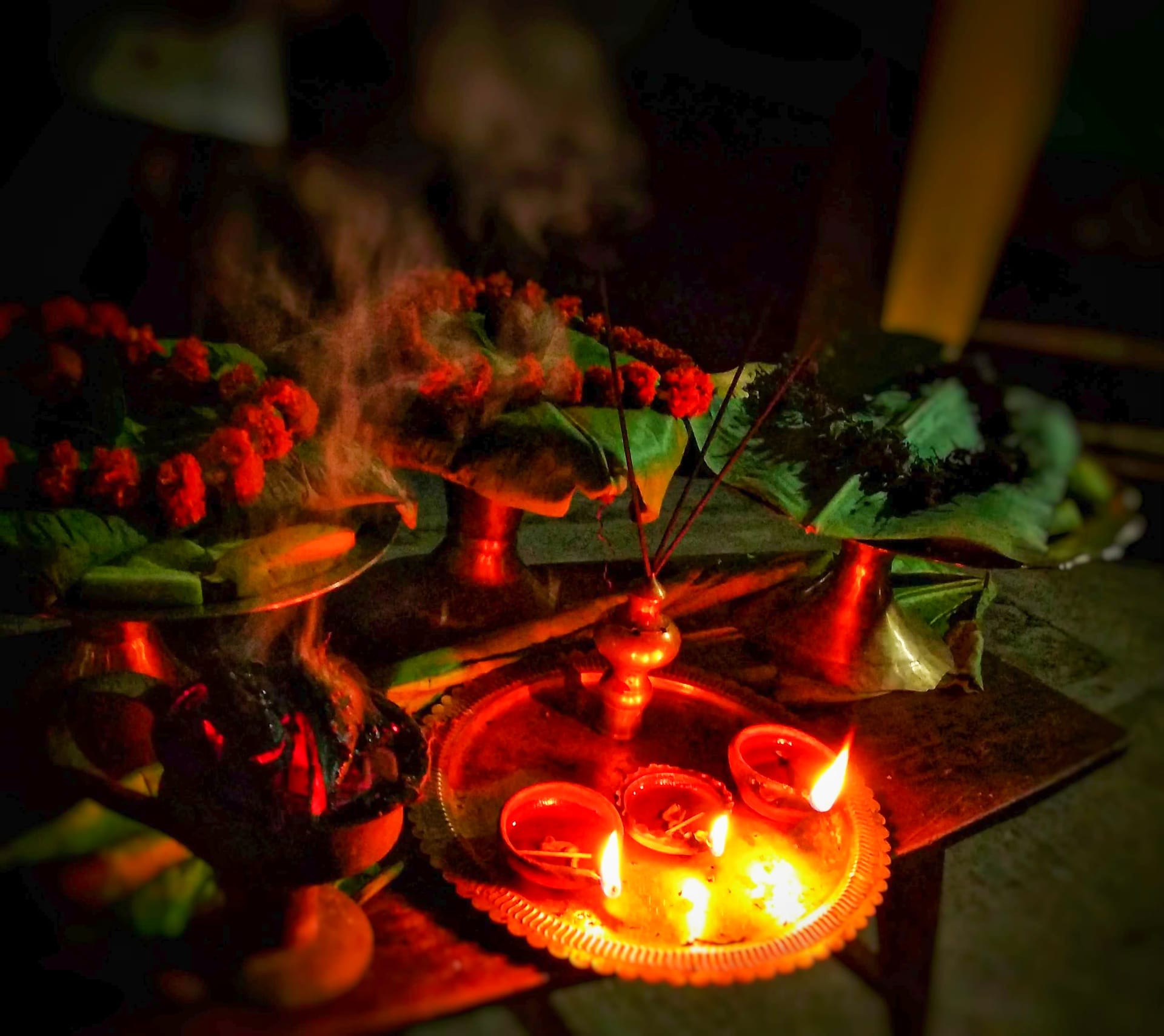
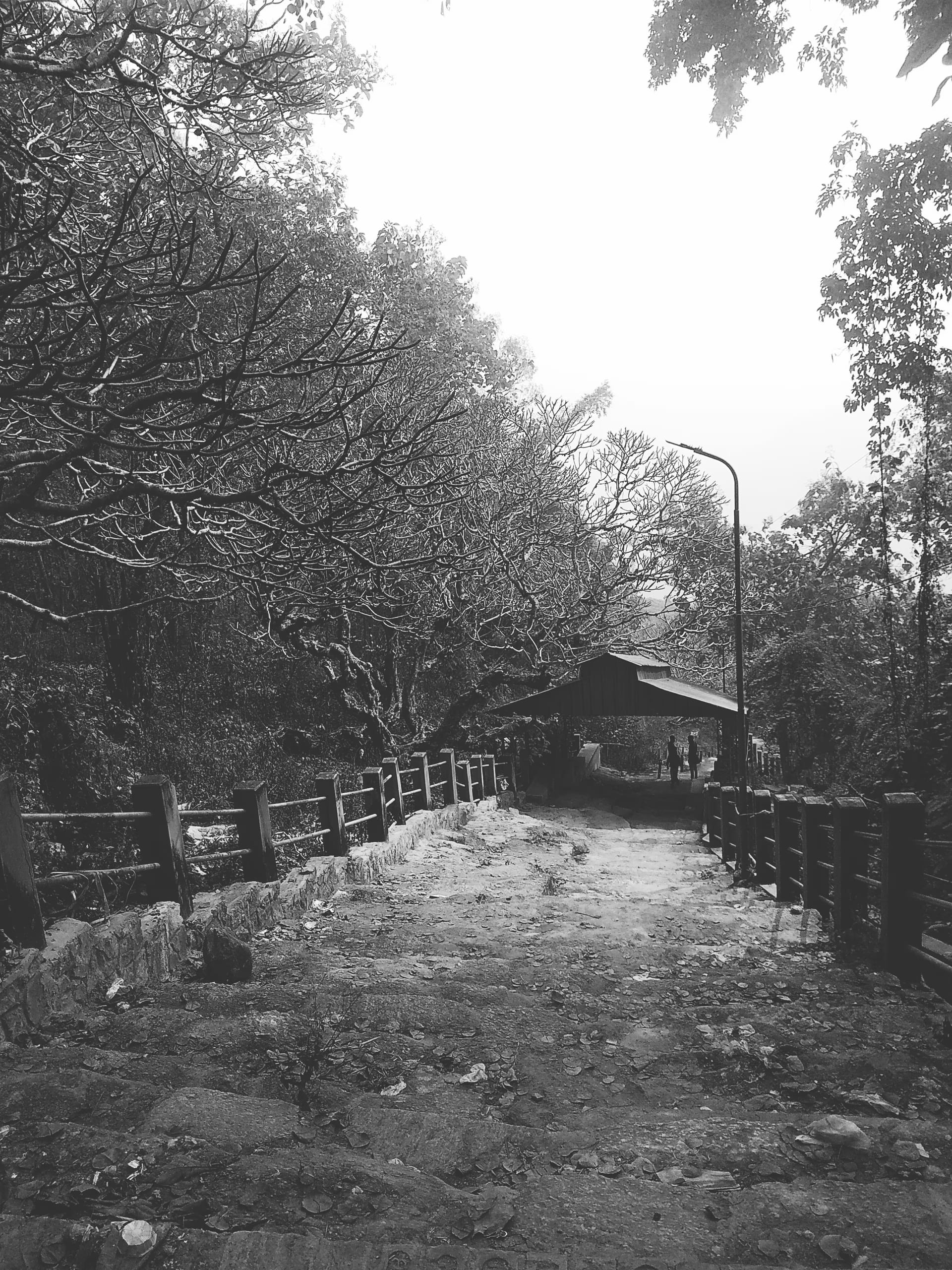
Before there was history there was a demon-king, born of the Earth, who nearly won the goddess of the hill with a staircase built in one night, and asked with his dying breath to be remembered in lamps.
The historical threshold
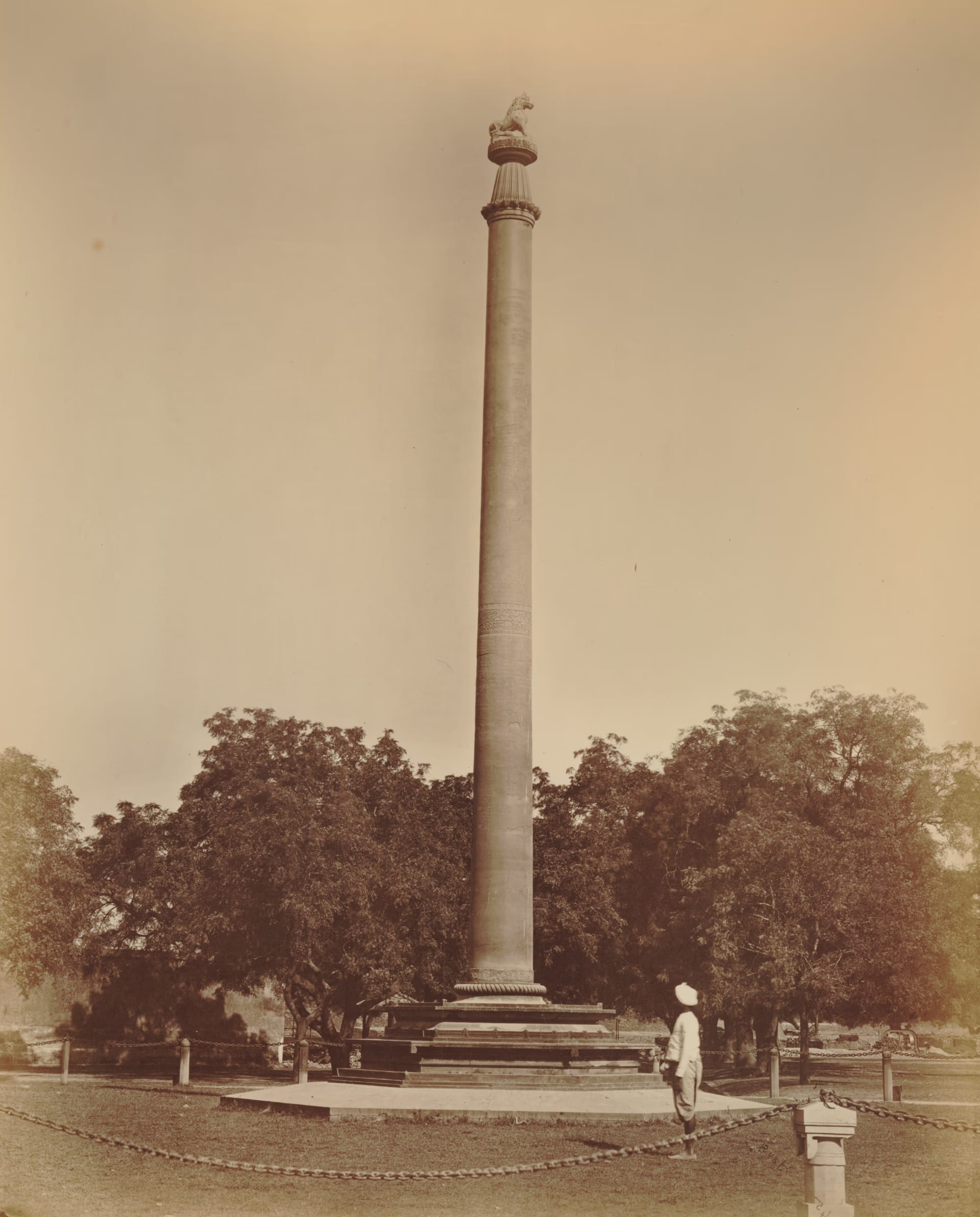
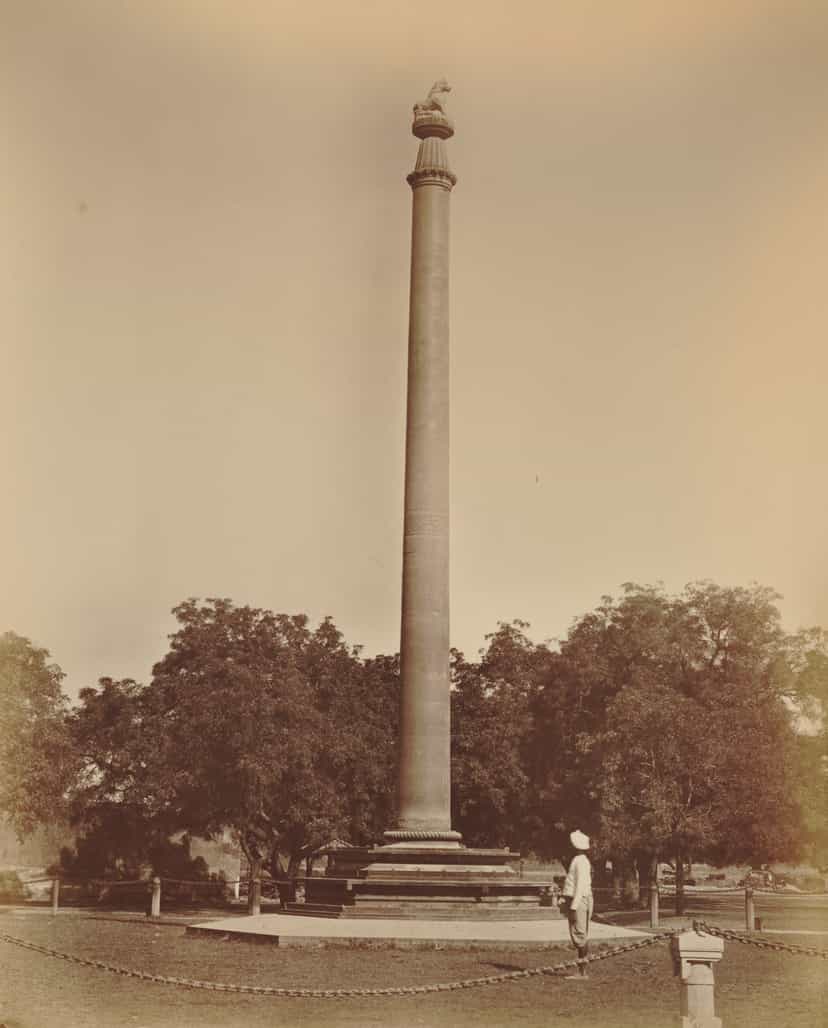
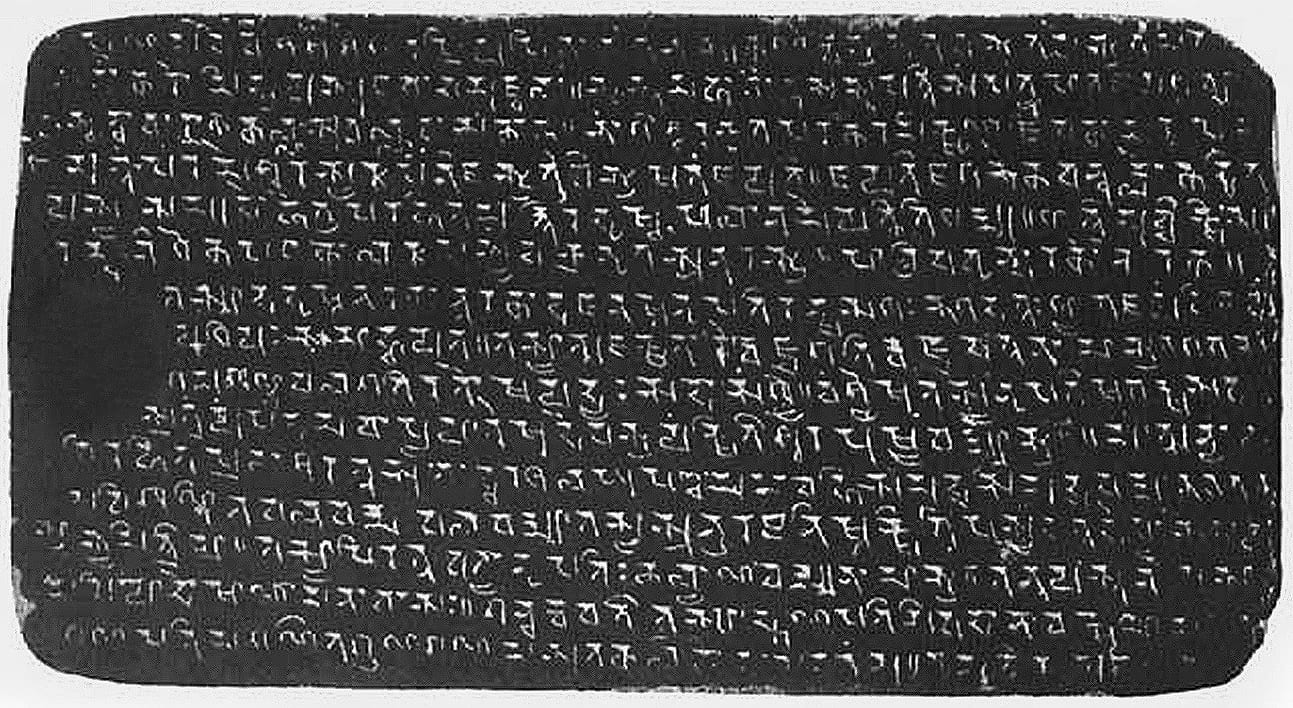
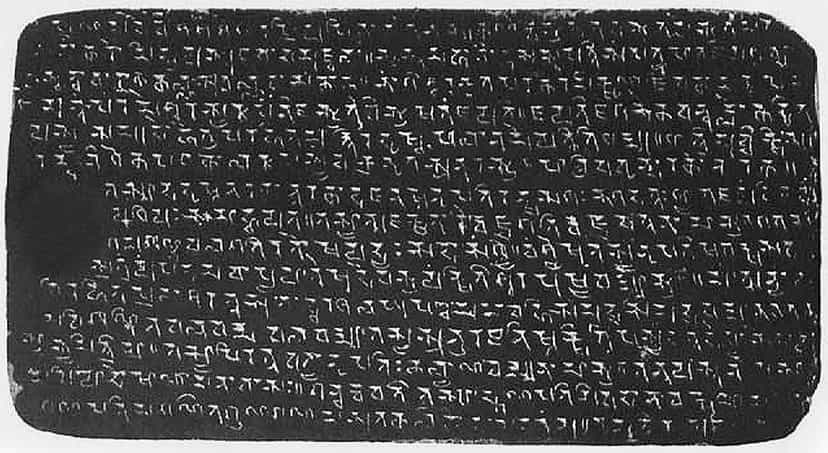
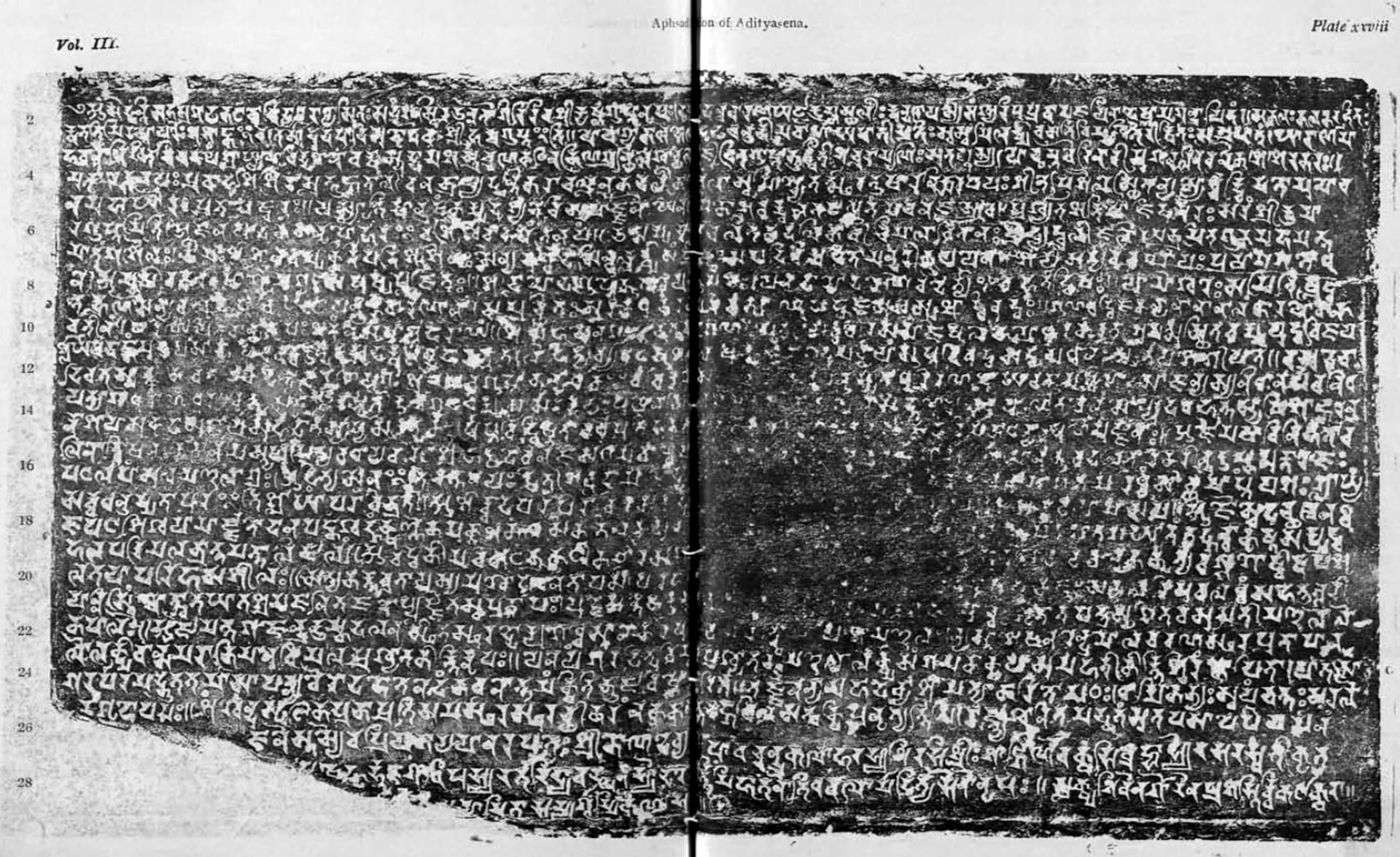
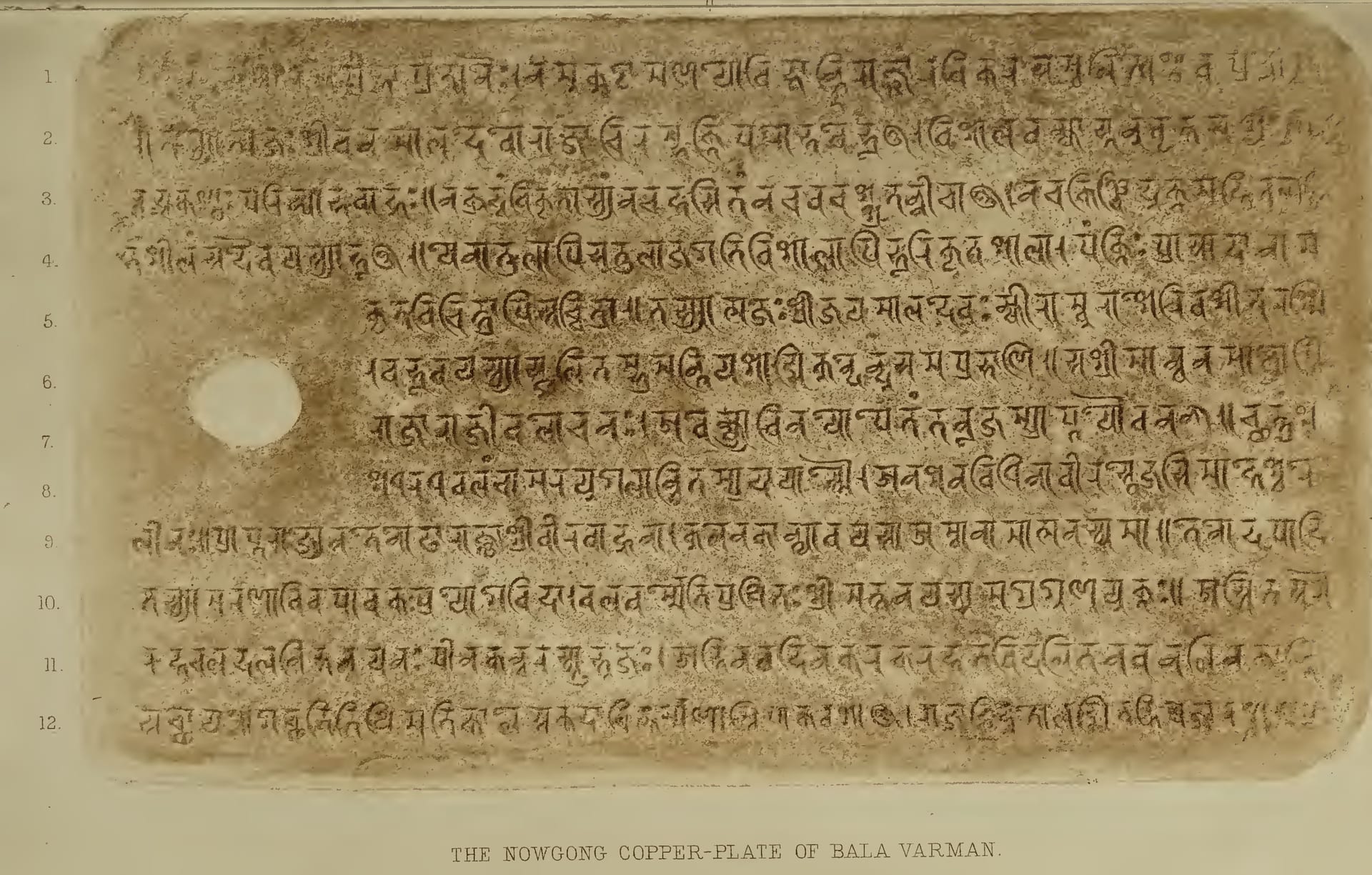
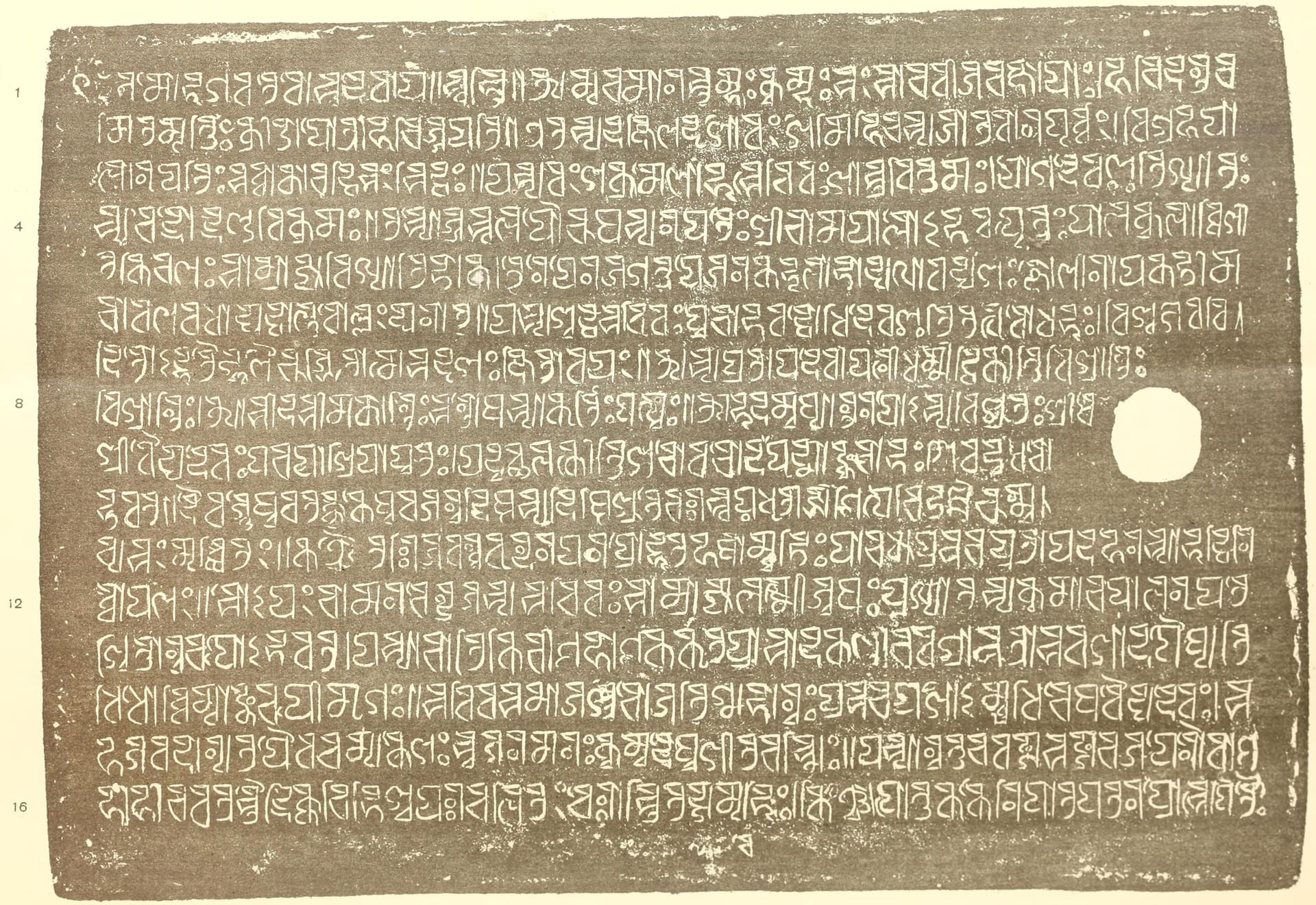
The myth gives way to record in the middle of the fourth century. The Allahabad pillar inscription of the Gupta emperor Samudragupta, composed around 350, lists Kamarupa among the frontier kingdoms, the pratyanta states, that paid him homage and tribute. Beside it the pillar names a second valley kingdom, Davaka, generally placed in the Kapili valley of central Assam, a neighbour whose absorption would be one of Kamarupa’s first recorded acts of growth. That single external notice is the firm ground on which the kingdom’s recorded history stands. It is contemporary with the founder of the kingdom’s first historical dynasty, Pushyavarman, who took the throne about 350 and tied his line genealogically to the Naraka of the myth. From that point the kingdom can be followed reign by reign through its inscriptions. The next chapter, on the Varman dynasty, takes up the line Pushyavarman founded.